
 By Budi Oetomo Narendra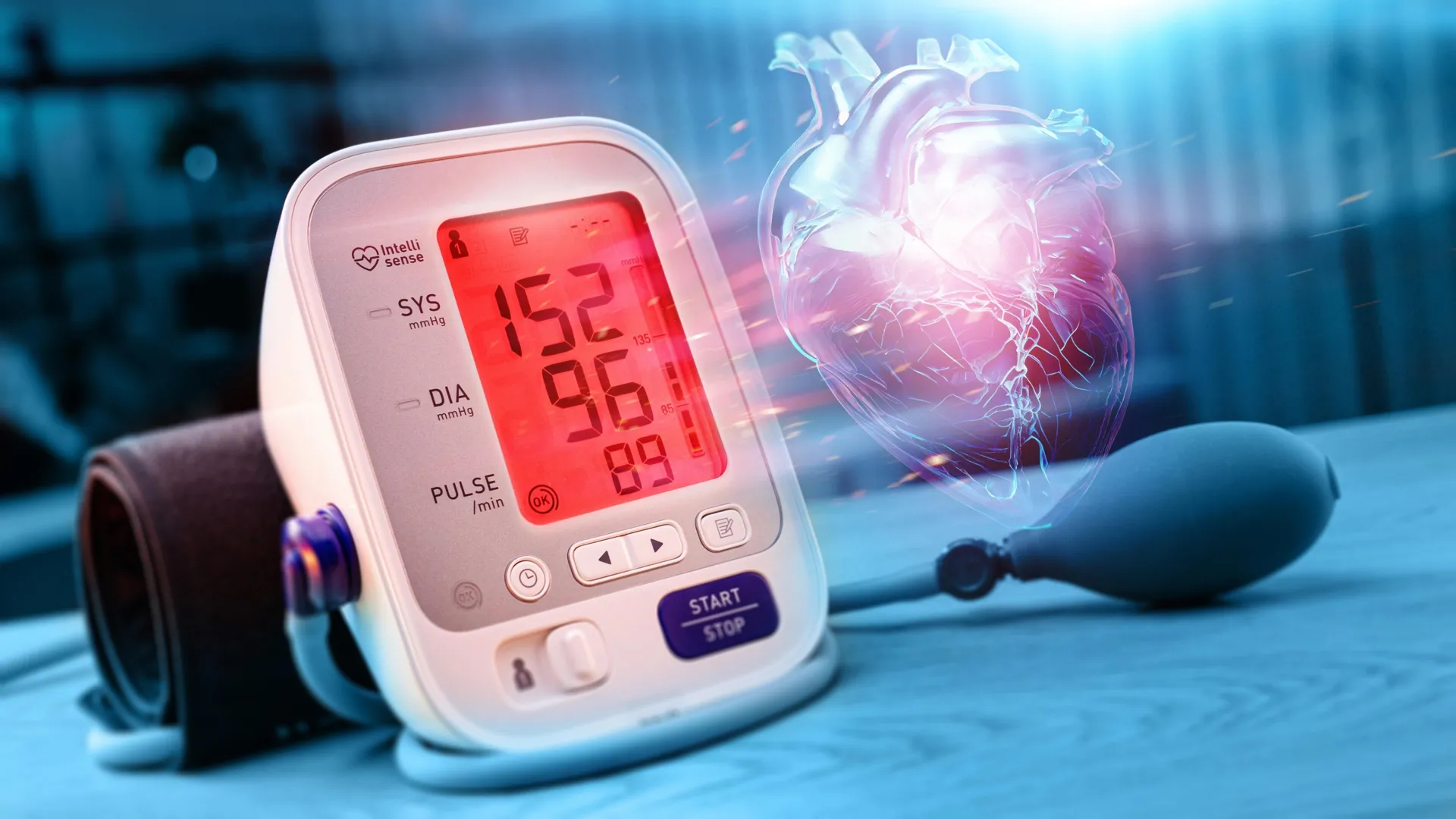
The MOMENTUM study has delivered a significant revelation in cardiovascular medicine, identifying that a striking 27 percent of patients grappling with resistant hypertension also exhibit hypercortisolism. This pivotal finding fundamentally alters previous understandings, indicating that an excess of the "stress hormone" cortisol is substantially more prevalent in this challenging patient population than researchers and clinicians had historically perceived. The implications of this discovery are profound, potentially reshaping diagnostic protocols and opening new avenues for therapeutic intervention in a condition that affects millions globally and carries a heightened risk of severe cardiovascular events.
The Enigma of Resistant Hypertension
Resistant hypertension stands as a persistent and often perplexing clinical challenge. It is formally defined as blood pressure that remains elevated above target levels (typically 130/80 mmHg or higher) despite concurrent use of three or more antihypertensive medications from different classes, including a diuretic, or controlled blood pressure achieved only with four or more medications. This formidable condition impacts an estimated 10 million individuals in the United States alone, and its global prevalence is a growing concern, often associated with a significantly increased risk of morbidity and mortality. For years, the medical community has grappled with the underlying causes of treatment failure in these patients, recognizing that conventional pharmacological strategies often prove inadequate without addressing confounding factors. The inability to achieve blood pressure control dramatically elevates the likelihood of severe cardiovascular events, including myocardial infarction, stroke, heart failure, and kidney disease, placing a heavy burden on both patients and healthcare systems.
Unmasking Hypercortisolism: The "Stress Hormone" Connection
Among the suspected underlying issues preventing standard treatments from succeeding, hypercortisolism has emerged as a critical contender. This condition is characterized by the body’s overproduction of cortisol, a glucocorticoid hormone synthesized in the adrenal glands. Often colloquially termed the "stress hormone," cortisol plays a multifaceted and vital role in numerous physiological processes, including metabolism, immune response, inflammation regulation, and the body’s fight-or-flight response. It is intricately involved in maintaining blood pressure and fluid balance. However, when cortisol levels remain chronically elevated, this delicate balance is disrupted, leading to a cascade of adverse health consequences. Persistent hypercortisolism can manifest in a spectrum of symptoms, from more overt clinical presentations like Cushing’s syndrome—which involves distinctive physical changes such as central obesity, moon face, and skin thinning—to more subtle, subclinical forms that may go undiagnosed for extended periods. The latter, often characterized by milder or atypical symptoms, is particularly relevant in the context of conditions like resistant hypertension, where the direct link might not be immediately obvious.
The Critical Link Between Cortisol and Cardiovascular Health
The significance of identifying excess cortisol as a contributing factor in resistant hypertension cannot be overstated. Patients with uncontrolled high blood pressure face a substantially elevated lifetime risk of catastrophic cardiovascular events. This includes a higher incidence of heart attacks, stroke, peripheral artery disease, and progressive heart failure, severely impacting quality of life and longevity. Concurrently, hypercortisolism itself is intrinsically linked to a host of metabolic and cardiovascular complications. These include accelerated weight gain, particularly around the abdomen, loss of muscle mass, impaired glucose tolerance and type 2 diabetes, dyslipidemia (abnormal cholesterol levels), and direct adverse effects on vascular tone and endothelial function, all of which contribute to elevated blood pressure.
The MOMENTUM study’s revelation suggests a compelling potential explanation for why a significant subset of patients with resistant hypertension persistently struggle to achieve blood pressure control despite diligent adherence to multiple medication regimens. More importantly, it opens a promising new therapeutic frontier: the possibility that specifically targeting and treating hypercortisolism could provide an effective, previously overlooked pathway to lower blood pressure in patients who have exhausted standard pharmacological options. This paradigm shift could transform clinical management, moving beyond symptomatic treatment to address an underlying endocrine driver.
MOMENTUM: A Landmark Study in the United States
The MOMENTUM study represents a pivotal moment in hypertension research, standing as the first comprehensive investigation conducted in the United States and the largest to date specifically designed to ascertain the prevalence of hypercortisolism among patients with resistant hypertension. Its scale and meticulous methodology lend considerable weight to its findings. The study’s design was robust, involving a large, geographically diverse cohort, ensuring the generalizability of its results across the American patient population.
Researchers meticulously evaluated 1,086 participants enrolled across an impressive network of 50 clinical centers nationwide. Among these institutions was the prestigious Mount Sinai Health System in New York, a testament to the collaborative and high-caliber nature of the research. To confirm eligibility, participants had to meet the strict criteria for resistant hypertension. Following this, each participant underwent a standardized diagnostic procedure: the dexamethasone suppression test (DST). This test is a cornerstone in the evaluation of hypercortisolism. Participants received a dose of dexamethasone, a synthetic glucocorticoid, in the evening. Dexamethasone typically suppresses the body’s natural cortisol production through a negative feedback loop. The following morning, a blood sample was drawn to measure circulating cortisol levels. Patients whose morning cortisol levels remained above a specified threshold of 1.8 ug/dL were classified as having hypercortisolism, indicating a failure of normal physiological suppression. This standardized and widely accepted diagnostic approach ensured consistency and reliability across all participating centers.
Detailed Study Results and Associated Risk Factors
The results of the MOMENTUM study were unequivocal and striking. Out of the 1,086 participants with resistant hypertension, a substantial 297 individuals were found to have hypercortisolism. This translates to an incidence rate of 27 percent, a figure significantly higher than what had been previously assumed or routinely screened for in this patient group. This high prevalence underscores the urgent need for a re-evaluation of current diagnostic pathways for resistant hypertension.
Beyond identifying the overall prevalence, the study also meticulously analyzed various demographic and clinical factors to uncover potential associations that might increase the likelihood of hypercortisolism in this population. A notable finding was the increased incidence of elevated cortisol levels in patients with reduced kidney function. This observation is particularly relevant given the established link between chronic kidney disease and hypertension, where impaired renal function can both cause and be exacerbated by high blood pressure. The kidneys play a crucial role in regulating blood pressure through various mechanisms, including the renin-angiotensin-aldosterone system, and their dysfunction can contribute to fluid retention and hormonal imbalances that indirectly affect cortisol metabolism or its impact.
Furthermore, the study shed light on the co-occurrence of other endocrine disorders. Another condition frequently implicated in resistant hypertension is primary hyperaldosteronism (PHA), a state where the adrenal glands produce excessive amounts of aldosterone, a hormone that regulates salt and water balance, leading to increased blood pressure. Approximately 20 percent of the MOMENTUM study participants were diagnosed with PHA, highlighting the multifactorial nature of resistant hypertension. Intriguingly, roughly 6 percent of the participants presented with a dual diagnosis, exhibiting both hypercortisolism and primary hyperaldosteronism. This finding suggests that a significant minority of resistant hypertension patients may suffer from multiple underlying endocrine abnormalities contributing to their uncontrolled blood pressure, underscoring the complexity of these cases and the necessity for comprehensive diagnostic workups.
Historical Context and Evolving Understanding of Hypertension
For decades, hypertension management primarily focused on essential hypertension, where no specific identifiable cause is found. Treatment largely revolved around lifestyle modifications and a stepped-care approach with various classes of antihypertensive drugs. However, the emergence of resistant hypertension as a distinct clinical entity prompted a deeper search for secondary causes. Historically, hypercortisolism, particularly in its subclinical forms, was rarely considered a widespread contributor to resistant hypertension. Screening was typically reserved for patients exhibiting classical signs of Cushing’s syndrome, which are often absent in those with milder or subclinical cortisol excess. The MOMENTUM study challenges this historical perspective, suggesting that a more proactive screening approach is warranted for resistant hypertension patients, irrespective of overt Cushingoid features.
Implications for Clinical Practice and Patient Care
The findings of the MOMENTUM study carry immediate and profound implications for clinical practice. The data strongly advocate for a revised diagnostic algorithm in the management of resistant hypertension. Physicians should now consider elevated cortisol levels as a plausible and relatively common underlying cause, rather than an esoteric rarity. This necessitates a shift towards more routine screening for hypercortisolism in patients who continue to experience persistently high blood pressure despite optimized multi-drug regimens. The dexamethasone suppression test, being relatively simple and non-invasive, offers a practical tool for initial screening in high-risk individuals.
For patients, this discovery offers a renewed sense of hope and a potential explanation for their often-frustrating battle with uncontrolled blood pressure. Many individuals with resistant hypertension undergo extensive investigations without identifying a clear cause, leading to chronic anxiety and a feeling of being at a therapeutic dead end. The ability to pinpoint hypercortisolism as a treatable underlying factor could significantly improve patient outcomes and quality of life. Patients whose blood pressure remains stubbornly high despite multiple medications are now empowered to initiate discussions with their healthcare providers about screening for hypercortisolism, advocating for a more thorough endocrine evaluation.
Expert Perspectives and Future Research Directions
Dr. Deepak L. Bhatt, MD, MPH, MBA, a prominent figure in cardiovascular research and a lead investigator in the MOMENTUM study, underscored the transformative nature of these findings. "The fact that such a high percentage (more than 25 percent) of patients with resistant hypertension have elevated cortisol levels is very different from what doctors have been historically taught in medical school," Dr. Bhatt stated. His remarks highlight the significant paradigm shift this study introduces, challenging long-held assumptions within medical education and clinical practice. He continued, emphasizing the practical consequence: "These findings should prompt more screening for excess levels of cortisol in patients with resistant hypertension."
Looking ahead, Dr. Bhatt also articulated the crucial next steps in this research trajectory. "The next step to further this research is conducting randomized trials to determine if therapies that lower the impact of cortisol can safely and effectively treat high blood pressure in these patients." This call for randomized controlled trials is critical. While the MOMENTUM study effectively established a high prevalence of hypercortisolism, demonstrating an association, future research must conclusively prove causality and, more importantly, the efficacy and safety of targeted treatments for hypercortisolism in improving blood pressure control and reducing cardiovascular risk in this specific patient population. Such trials might explore various therapeutic approaches, including medications that inhibit cortisol synthesis or block its receptors, or even surgical interventions for specific adrenal pathologies where indicated.
Funding and Presentation of Findings
The MOMENTUM study received crucial financial backing from Corcept Therapeutics Incorporated, which served as the study sponsor and funded the research. It is important to note that Dr. Bhatt is a paid consultant for Corcept Therapeutics Incorporated, a standard disclosure in medical research to ensure transparency regarding potential conflicts of interest. The groundbreaking results of the MOMENTUM study were formally presented at a leading global cardiology conference, the American College of Cardiology’s Annual Scientific Session. This prestigious platform ensures that the findings are disseminated to a wide audience of cardiovascular specialists, accelerating their integration into clinical discourse and practice.
Broader Impact and Conclusion
The MOMENTUM study marks a significant milestone in our understanding and management of resistant hypertension. By uncovering the unexpectedly high prevalence of hypercortisolism in this patient group, it has provided a vital piece of the puzzle in addressing a complex and dangerous condition. This discovery promises to catalyze a re-evaluation of diagnostic strategies, encouraging broader screening for cortisol excess. Ultimately, this could lead to more precise, personalized, and effective treatment approaches, moving beyond symptomatic management to address underlying endocrine dysregulation. The prospect of offering millions of patients with resistant hypertension a clearer path to controlled blood pressure and reduced cardiovascular risk represents a profound advancement in heart health. The journey from prevalence to proven therapeutic intervention is ongoing, but the MOMENTUM study has undoubtedly set a new direction for future research and clinical innovation.
