
 By admin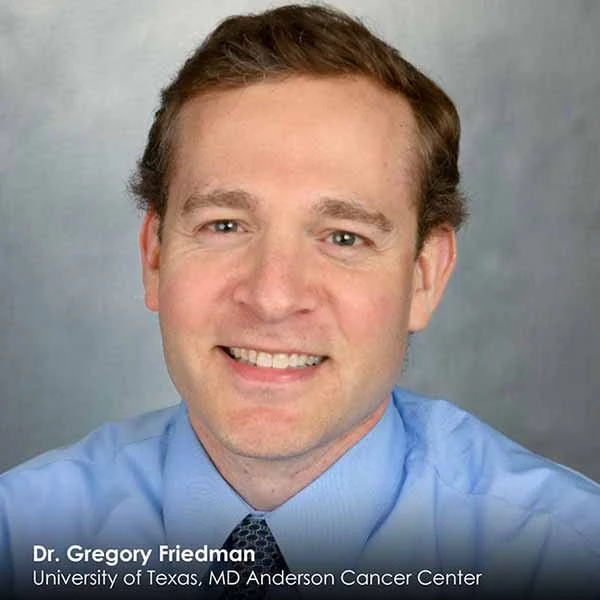
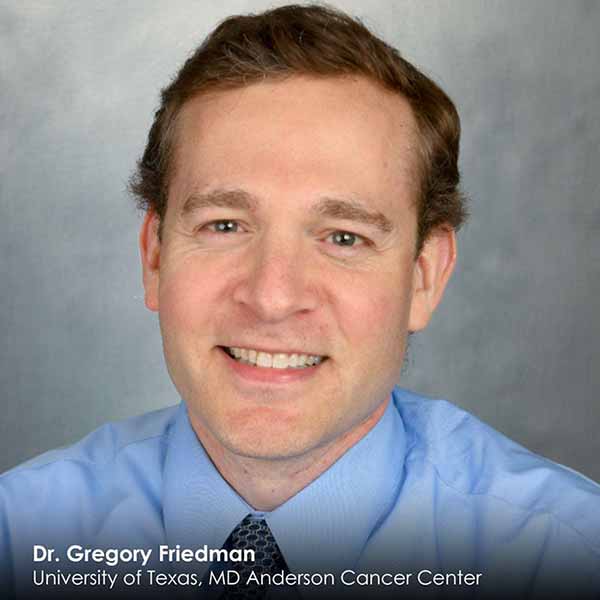
CureSearch for Children’s Cancer, a leading global non-profit focused on accelerating the development of pediatric cancer treatments, has announced a landmark international partnership with LifeArc, a prominent medical research charity based in the United Kingdom. This strategic collaboration centers on the co-funding of Dr. Gregory Friedman’s Acceleration Initiative (AI) project, a research endeavor dedicated to revolutionizing the therapeutic landscape for pediatric high-grade gliomas (pHGGs). By combining resources across the Atlantic, the organizations aim to fast-track a novel immunotherapy combination into clinical settings, addressing one of the most lethal forms of childhood cancer.
Pediatric high-grade gliomas represent a catastrophic diagnosis for families. Unlike many other childhood cancers that have seen survival rates climb over the last several decades, pHGGs remain stubbornly resistant to conventional treatments. The median survival rate for children diagnosed with these aggressive brain tumors is currently less than 30%. Within this category, specific subtypes such as Diffuse Intrinsic Pontine Glioma (DIPG) are considered universally fatal, with almost no long-term survivors. Current standard-of-care treatments, which typically involve surgical resection, intensive radiation, and systemic chemotherapy, often result in severe long-term toxicity, cognitive impairment, and physical disability, while offering only marginal extensions of life. The partnership between CureSearch and LifeArc is born from the urgent necessity to find safer, more effective biological alternatives.
The Science of Innovation: Combination Immunotherapy and Oncolytic Viruses
Dr. Gregory Friedman, a renowned researcher at the University of Alabama at Birmingham and Children’s of Alabama, is leading a "dream team" of scientists to pioneer a dual-pronged approach to brain tumor treatment. The core of the project involves the use of a genetically modified cold-sore virus (Herpes Simplex Virus-1). This oncolytic virus has been engineered to specifically target and replicate within malignant brain tumor cells while leaving healthy, non-cancerous brain tissue unharmed.
However, oncolytic viruses alone often face limitations, as the body’s immune system may neutralize the virus before it can fully eradicate the tumor, or the tumor microenvironment may remain immunosuppressive. To overcome these hurdles, Dr. Friedman’s team is integrating a novel cancer vaccine known as SNAPvax. This precision-engineered vaccine is designed to prime the patient’s immune system, training T-cells to recognize and attack specific proteins—or antigens—found on the surface of the glioma cells.
The research has already yielded critical insights into the sequence of treatment. Preliminary data suggests that the timing of administration is vital; delivering the SNAPvax vaccine prior to the introduction of the modified virus appears to "excite" the immune system effectively. This priming phase ensures that when the virus begins killing tumor cells, the immune system is already mobilized to sustain the attack rather than focusing its efforts on removing the therapeutic virus. This synergy not only increases the efficacy of the treatment but also potentially reduces the need for the high-dose toxic agents that characterize current pediatric oncology protocols.
Chronology of Funding and the Acceleration Initiative Model
The development of this therapy has followed a rigorous timeline managed under the CureSearch Acceleration Initiative (AI). Dr. Friedman was originally granted the CureSearch AI award in 2022, with foundational support from the Rally Foundation for Childhood Cancer Research. Since then, the project has met several key milestones, including the identification of the ideal brain tumor proteins for vaccine targeting and the development of sophisticated tumor models to simulate human responses.
The entry of LifeArc as a co-funding partner in 2024 marks a significant expansion of the project’s scope. LifeArc, which specializes in bridging the "valley of death" between laboratory discovery and clinical application, recognized Dr. Friedman’s work as a high-potential solution for an area of extreme unmet medical need. This bi-continental partnership ensures that the project has the financial and strategic backing required to move through the final stages of preclinical testing and into a Phase 1 clinical trial.
The CureSearch AI model is distinct in the world of medical philanthropy. While the average rate of translation for cancer drugs from preclinical research to clinical trials is less than 8%, projects funded through the CureSearch AI have a remarkable 60% success rate. This efficiency is attributed to a vetting process involving Scientific and Industry Advisory Councils, which include experts from both academia and the pharmaceutical industry. These councils prioritize projects that demonstrate a high probability of reaching the clinic within a three-year window, ensuring that donor dollars are directed toward therapies that can help children in the immediate future.
Perspectives from Leadership and the Global Research Community
The partnership reflects a growing trend toward internationalism in pediatric research, where the rarity of specific childhood cancers necessitates global data sharing and resource pooling. Kay Koehler, President and CEO of CureSearch, emphasized that the co-funding model is designed to fill a critical gap where promising research often stalls due to lack of commercial interest or funding.
"We’re thrilled to expand our co-funding model internationally and are grateful for LifeArc’s support of Dr. Friedman’s groundbreaking work," Koehler stated. "LifeArc’s partnership demonstrates confidence in our unique funding model. Our preclinical Acceleration Initiative projects have an extraordinary track record of moving into clinical trials, and we believe Dr. Friedman’s work will continue to deliver these impactful results."
From the UK perspective, Dr. David Jenkinson, Head of Childhood Cancer at LifeArc, highlighted the strategic alignment between the two organizations. "This project really stood out to us because this novel approach holds real promise in an area of high unmet medical need. Our mission at LifeArc is to do better for children with cancer by helping to progress research that could lead to the development of new, less toxic treatments, ultimately saving lives," Jenkinson noted.
The Human Cost: A Drive for Ethical Progress
Behind the laboratory data and funding announcements are the families who experience the devastating reality of pediatric brain tumors. The urgency of this research is exemplified by the story of Khushil Pandya, a 14-year-old from London who was diagnosed with a diffuse midline glioma (DIPG) in 2017. Despite the diagnosis, Khushil and his parents, Namrata and Bhavesh, fought to maintain a sense of normalcy, completing a Duke of Edinburgh expedition even as he required a wheelchair.
Khushil passed away just months after his diagnosis, highlighting the aggressive nature of the disease and the lack of therapeutic options available to clinicians. For his mother, Namrata Pandya, the investment in research like Dr. Friedman’s is a moral imperative. "Bhavesh and I will never be ready to accept that, in this day and age where science has progressed in so many areas, with this particular tumor, there’s very little knowledge on how and why it happens," she said. "More effective treatment means shorter duration of illness, lesser side effects, and better quality of life. I believe that morally we should be investing in children’s brain tumor treatments to save them and protect them."
The Pandya family’s experience serves as a stark reminder of the "pediatric gap" in oncology. Because pediatric cancers are considered rare diseases, they often do not receive the same level of private investment as adult cancers, such as lung or breast cancer. International partnerships between charities like CureSearch and LifeArc are essential to circumventing these market limitations.
Broader Implications and Future Outlook
The collaboration between CureSearch and LifeArc carries implications that extend beyond the specific treatment of gliomas. It serves as a blueprint for how non-profit organizations can act as "venture philanthropists," de-risking early-stage science to make it more attractive for future industry investment. By validating the science through rigorous advisory councils and providing the necessary capital for preclinical development, these organizations ensure that high-potential therapies do not languish in the laboratory.
As Dr. Friedman and his team move toward a clinical trial, the focus will shift to safety and dosage in pediatric patients. The goal is to establish a treatment protocol that can be integrated into oncology centers worldwide. If successful, the combination of an oncolytic virus and a SNAPvax vaccine could provide a platform for treating other types of solid tumors in children, potentially changing the standard of care across the board.
The bi-continental nature of the partnership also facilitates easier recruitment for future clinical trials. Since the number of children with pHGGs in any single country is relatively small, having a presence in both the United States and the United Kingdom allows for a larger patient pool, which can lead to faster trial completion and more robust data. This international framework is increasingly seen as the gold standard for rare disease research, where collaboration is the only viable path to success.
In conclusion, the partnership between CureSearch and LifeArc represents more than just a financial transaction; it is a dedicated effort to reshape the future of pediatric oncology. By focusing on innovative immunotherapy and leveraging a proven model of clinical acceleration, the initiative offers a beacon of hope to families facing the most difficult diagnoses. The work of Dr. Friedman’s "dream team" stands at the forefront of a new era in medicine—one where the immune system is empowered to fight childhood cancer with precision and where international borders are no barrier to saving lives.
