
 By admin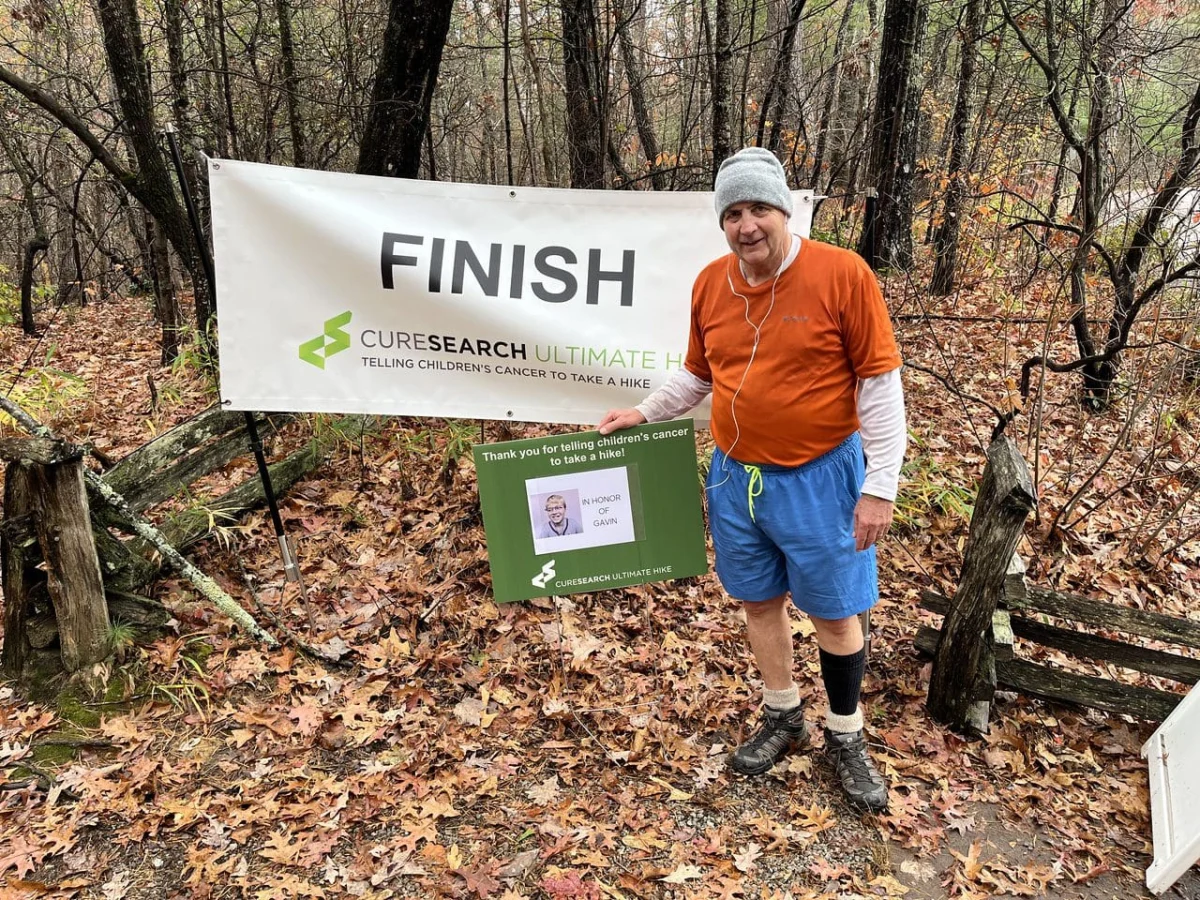
The landscape of philanthropic endeavor is often defined by steady, incremental progress, but rarely does a single individual achieve a milestone that fundamentally reshapes the fundraising history of a national organization. Frank Gioscia, a 73-year-old resident of the Great Smoky Mountains region, has officially surpassed the $500,000 mark in lifetime fundraising for Ultimate Hike, the signature endurance program for CureSearch for Children’s Cancer. This achievement distinguishes Gioscia as the top fundraiser in the program’s history and marks the first time an individual has been presented with the 10X Everest Award—a prestigious recognition signifying ten individual "summits" of $50,000 each.
Gioscia’s journey reflects a decade-long commitment to addressing the critical funding gaps in pediatric oncology. While the survival rates for some childhood cancers have improved, the treatments often involve decades-old protocols that can leave survivors with lifelong health complications. By raising over half a million dollars, Gioscia has provided significant capital for the development of targeted, less toxic therapies. His efforts culminate this season at the Foothills Fall Ultimate Hike, an event that serves as both a physical challenge and a memorial for those impacted by the disease.
A Chronology of Dedication: From 2011 to the Half-Million Milestone
The trajectory of Gioscia’s involvement with CureSearch began in 2011, a year that serves as the starting point for a thirteen-year mission. His entry into the world of endurance fundraising was prompted by a chance encounter with a promotional flyer. What began as a curiosity quickly transformed into a personal crusade following the diagnosis of Gavin, a six-year-old family friend. This personal connection provided a face to the abstract statistics of pediatric cancer, grounding Gioscia’s athletic pursuits in a deep sense of social responsibility.
Since joining the Ultimate Hike family, Gioscia has traversed hundreds of miles of rugged terrain across the United States. His training regimen is rigorous, facilitated by his proximity to the Great Smoky Mountains National Park. Living near the park allows him to maintain the physical conditioning necessary to complete 28.3-mile single-day treks—the standard distance for an Ultimate Hike—well into his eighth decade of life.
The timeline of his fundraising success is marked by the "Everest" system established by CureSearch. In this framework, every $50,000 raised is likened to reaching the summit of the world’s highest peak. Gioscia’s progression through these milestones has been consistent, driven by a broad network of donors including family, friends, and community members who have been moved by his persistence. By reaching the $500,000 threshold in late 2024, he has effectively "summited" ten times, a feat previously unrecorded in the organization’s annals.
The Landscape of Childhood Cancer Research and Funding
To understand the magnitude of Gioscia’s $500,000 contribution, one must examine the current state of pediatric cancer research funding. According to data from the National Cancer Institute (NCI), only approximately 4 percent of the federal budget for cancer research is specifically allocated to childhood cancers. This disparity places a heavy burden on private non-profit organizations like CureSearch to fill the financial void.
Childhood cancer remains the leading cause of death by disease for children in the United States. Each year, more than 15,000 children and adolescents are diagnosed with cancer. While the overall five-year survival rate has risen to about 85 percent, the quality of life for survivors is often compromised. Standard treatments such as high-dose chemotherapy and radiation were originally designed for adult bodies and can lead to severe long-term side effects, including heart disease, secondary cancers, and cognitive impairments.
The funds raised by Gioscia and his peers are directed toward "high-impact" research. This includes Phase I and Phase II clinical trials that focus on precision medicine and immunotherapy. By funding these specific areas, CureSearch aims to accelerate the delivery of treatments that are not only more effective at eradicating cancer cells but are also "safer," meaning they minimize the collateral damage to a child’s developing organs and systems.
The 10X Everest Award: A Symbol of Sustained Impact
The introduction of the 10X Everest Award specifically for Frank Gioscia underscores the rarity of his achievement. In the non-profit sector, maintaining donor engagement over a decade is a significant challenge. Gioscia’s ability to not only maintain but also grow his fundraising capacity suggests a sophisticated approach to community building.
Analysis of his fundraising model reveals a reliance on storytelling and transparency. By carrying the stories of children like Gavin, and by displaying the photographs of those who have lost their battles at the finish lines of his hikes, Gioscia connects the donor’s contribution directly to the human cost of the disease. This emotional resonance, paired with the physical transparency of his 28.3-mile hikes, creates a compelling narrative of endurance that mirrors the struggle of the patients he supports.
The $500,000 total is more than a symbolic number; it represents a tangible investment in laboratory hours, clinical equipment, and researcher salaries. In the context of medical research, such a sum can sustain a Young Investigator Grant or contribute significantly to the infrastructure of a multi-center clinical trial.
The Physical and Emotional Rigors of the Ultimate Hike
The Ultimate Hike is not a traditional charity walk. It is an endurance event that requires months of preparation. The Foothills Trail, where Gioscia will complete his record-breaking season on November 2, 2024, is known for its technical terrain and significant elevation changes. Spanning the border of South Carolina and North Carolina, the trail offers breathtaking views but demands peak physical performance.
For a 73-year-old hiker, the completion of these trails is a testament to the intersection of fitness and purpose. Gioscia has noted that the physical exertion serves as a form of solidarity with children undergoing treatment. The "finish line" experience is a central component of the Ultimate Hike culture. It is a moment where the physical exhaustion of the hike meets the emotional weight of the cause. Hikers are traditionally greeted with "tribute" signs featuring the names and faces of "honorary hikers"—children currently in treatment or those who have passed away.
Gioscia’s statement regarding this experience highlights the psychological driver of his mission: "As I finish an Ultimate Hike, I see all of the pictures of the kids who are fighting cancer and those who lost their battle. I am so thankful that I can do this for them." This perspective shifts the focus from the hiker’s personal achievement to the collective struggle of the pediatric cancer community.
Broader Implications for the Future of Pediatric Oncology
The success of individual fundraisers like Frank Gioscia has broader implications for the non-profit sector and the future of medical research. As federal funding remains static, the "Gioscia model" of sustained, high-level individual fundraising provides a blueprint for how grassroots efforts can drive institutional change.
Furthermore, Gioscia’s milestone comes at a pivotal time for CureSearch. The 2024 season has been described as record-breaking, indicating a resurgence in community-based fundraising following the disruptions of the previous few years. The visibility of a $500,000 milestone serves as a powerful recruitment tool, demonstrating to potential hikers that substantial financial impact is possible through persistence.
From a scientific standpoint, the continued influx of private funding allows researchers to take risks on "novel" therapies that might not yet qualify for federal grants. This "seed funding" is often what allows a breakthrough concept to move from the laboratory bench to the patient’s bedside.
Conclusion: The Legacy of the Foothills Trail
As Frank Gioscia prepares to step onto the Foothills Trail this Saturday, he carries the distinction of being a pioneer in the field of endurance philanthropy. His journey from a 2011 flyer to a $500,000 lifetime total represents a unique synthesis of athletic prowess and humanitarian commitment.
The 10X Everest Award is a fitting tribute to a man who has dedicated his senior years to ensuring that future generations of children have a better chance at a healthy life. While the Foothills Fall Ultimate Hike marks the end of the 2024 season, the impact of Gioscia’s fundraising will be felt in research laboratories for years to come. His story remains a definitive example of how individual action, sustained by community support, can address some of the most daunting challenges in modern medicine.
The "happy trails" wished to Gioscia by his colleagues and supporters are more than a parting sentiment; they are an acknowledgment of a path blazed for others to follow. In the fight against childhood cancer, every mile hiked and every dollar raised represents a step toward a future where the disease no longer dictates the limits of a child’s life.
