
 By George Ongkojoyo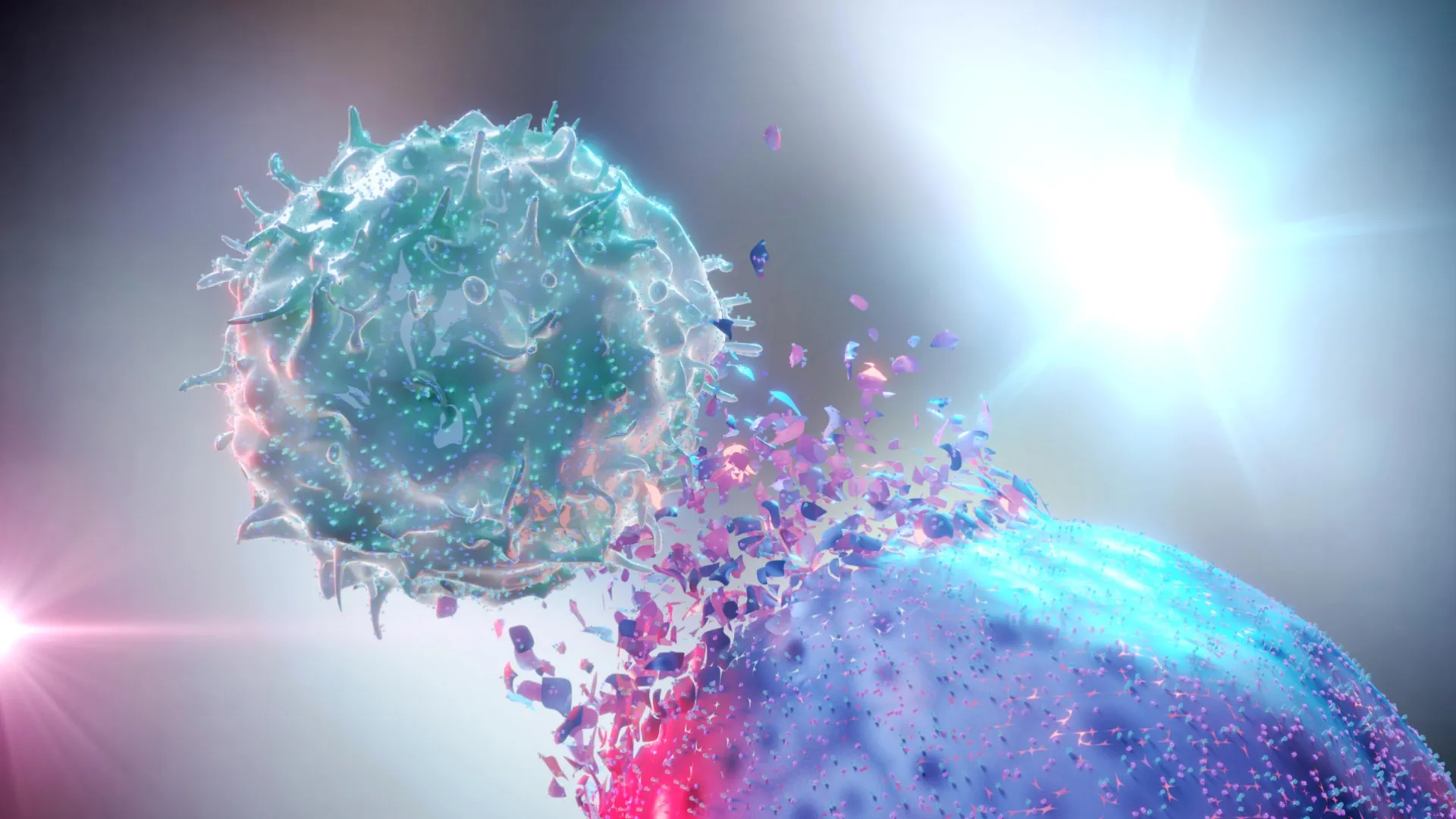
A groundbreaking study conducted by a collaborative team of international researchers has revealed that radiation therapy can act as a powerful catalyst for the immune system, transforming tumors that are typically resistant to immunotherapy into targets that the body’s natural defenses can effectively attack. The research, published on July 22 in the journal Nature Cancer, represents a significant leap forward in the treatment of non-small cell lung cancer (NSCLC), particularly for patients whose tumors were previously considered immunologically "cold" and unresponsive to standard-of-care treatments.
The investigation was led by scientists at the Johns Hopkins Kimmel Cancer Center’s Bloomberg~Kimmel Institute for Cancer Immunotherapy and the Netherlands Cancer Institute. By employing sophisticated multiomic analyses, the researchers identified the precise molecular and cellular shifts that occur when radiation is paired with immunotherapy. Their findings suggest that this combination therapy not only induces a localized response at the site of radiation but also triggers a systemic, body-wide anti-tumor immune reaction—a phenomenon that could redefine treatment protocols for lung cancer patients facing primary or acquired resistance to immunotherapy.
The Challenge of Immunotherapy Resistance in Lung Cancer
Immunotherapy, particularly the use of immune checkpoint inhibitors like the PD-1 blocker pembrolizumab, has revolutionized the treatment of lung cancer over the last decade. By preventing cancer cells from "turning off" T cells, these drugs allow the immune system to recognize and destroy malignant cells. However, a significant portion of patients—estimated at more than 50% in many clinical settings—do not respond to these therapies initially (primary resistance) or see their cancer return after a period of stability (acquired resistance).
In non-small cell lung cancer, which accounts for approximately 85% of all lung cancer cases, resistance is often linked to the "immunological temperature" of the tumor. "Hot" tumors are characterized by high levels of inflammation and many T cells, making them easy targets for immunotherapy. Conversely, "cold" tumors are immunologically desert-like, showing little to no immune activity. These tumors often possess specific biomarkers, such as a low tumor mutational burden (TMB), a lack of PD-L1 protein expression, or specific genetic mutations in signaling pathways like Wnt, which effectively hide the cancer from the immune system.
The Abscopal Effect: A Bridge to Systemic Immunity
The core of this new research centers on a rare but potent medical phenomenon known as the abscopal effect. The term, derived from the Latin "ab" (away from) and "scopus" (target), refers to a situation where localized radiation treatment results in the shrinking of tumors located far from the original radiation site.
While radiation therapy has traditionally been used to kill cancer cells directly by damaging their DNA, the study highlights its secondary role as an immune primer. When radiation destroys tumor cells, those cells rupture and release their internal contents—including mutation-associated neoantigens—into the local microenvironment. This release acts as a "wanted poster" for the immune system. Once the immune system learns the molecular footprint of these antigens at the site of radiation, it can activate T cells to hunt down and attack similar cancer cells throughout the body.
Despite the promise of the abscopal effect, its occurrence has historically been unpredictable. The study by the Johns Hopkins and Netherlands teams sought to demystify the molecular biology behind this effect to determine which patients are most likely to benefit.
Methodology: A Multiomic Approach to Cancer Biology
To unravel the complexities of the immune response, the research team analyzed data and samples from a Phase II clinical trial. The study involved 72 patients with NSCLC, divided into a control group receiving immunotherapy alone and an experimental group receiving radiation therapy followed by pembrolizumab.
The researchers analyzed 293 separate blood and tumor samples taken at various stages of treatment—at the baseline before therapy began and again three to six weeks into the treatment cycle. What set this study apart was the use of "multiomics," an integrated approach that combines genomics (the study of DNA), transcriptomics (the study of RNA and gene expression), and various cellular assays.
By looking at samples from both the primary tumor site and distant metastatic sites, the team was able to track how the immune landscape changed over time. This allowed them to observe the "warming up" of tumors that were previously cold.
Key Findings: Warming Up the Tumor Microenvironment
The results were definitive: the combination of radiation and immunotherapy successfully reshaped the tumor microenvironment in patients who were otherwise unlikely to respond to treatment.
- Cellular Transition: In patients with "cold" tumors—those with low mutation rates or Wnt pathway mutations—radiation therapy induced a transition to an "inflamed" state. This was characterized by a significant influx of T cells into the tumor site.
- Neoantigen Recognition: Functional tests conducted in the laboratory confirmed that the T cells expanding in these patients were specifically programmed to recognize neoantigens—mutations unique to the patient’s tumor. This confirmed that the radiation had successfully "taught" the immune system what to look for.
- Clinical Outcomes: Most importantly, the biological changes translated into clinical success. Patients whose cold tumors "warmed up" following radiation therapy showed significantly improved survival rates and longer periods of progression-free survival compared to those who received immunotherapy alone.
"For a fraction of lung cancers where we aren’t expecting therapy responses, radiation may be particularly effective to help circumvent primary resistance to immunotherapy," explained senior study author Valsamo "Elsa" Anagnostou, M.D., Ph.D. Dr. Anagnostou, who holds multiple leadership roles at Johns Hopkins, including director of the Thoracic Oncology Biorepository, noted that the implications extend beyond initial treatment, potentially offering a solution for patients who develop resistance over time.
International Collaboration and Recognition
The study’s success was bolstered by the partnership between the U.S.-based Johns Hopkins team and the Netherlands Cancer Institute, where researchers Willemijn Theelen and Paul Baas managed the clinical trial. This interdisciplinary effort allowed for a larger sample size and a more robust dataset than a single-institution study might have produced.
Lead study author Justin Huang, who spearheaded the multiomic analyses, emphasized the importance of this synergy. "Our findings highlight how radiation can bolster the systemic anti-tumor immune response in lung cancers unlikely to respond to immunotherapy alone," Huang stated. In recognition of his work on this project, Huang was awarded the 2025 Paul Ehrlich Research Award, a prestigious honor for young investigators at the Johns Hopkins University School of Medicine.
Implications for the Future of Precision Oncology
The ability to predict which patients will experience the abscopal effect and how to induce it through radiation marks a turning point for precision oncology. Rather than applying radiation and immunotherapy as separate, siloed treatments, clinicians may soon use them in a highly synchronized manner to "prime" the immune system.
One of the most promising avenues for future application is the use of circulating tumor DNA (ctDNA) to monitor these responses. In related work presented at the annual meeting of the American Association for Cancer Research (AACR), the team demonstrated that they could capture the body’s response to immunotherapy by detecting fragments of tumor DNA in the blood. This "liquid biopsy" approach could allow doctors to see if a tumor is "warming up" in real-time, without the need for invasive tissue biopsies.
Furthermore, the study suggests that the benefits of radiation are not limited to the physical destruction of the tumor. By altering the signaling pathways (such as Wnt) that tumors use to exclude immune cells, radiation removes the biological barriers that prevent immunotherapy from working.
Analysis of Broader Impact
The implications of this research extend beyond non-small cell lung cancer. Many other forms of cancer, including pancreatic, prostate, and certain types of breast cancer, are notoriously "cold" and have seen limited success with immunotherapy. If the "prime and treat" model established in this study can be replicated in other malignancies, it could expand the reach of immunotherapy to millions of patients who currently have few options.
Moreover, the study addresses a critical economic and clinical challenge in oncology: the high cost and potential toxicity of immunotherapy. By identifying which patients need radiation to make immunotherapy effective, doctors can avoid "one-size-fits-all" approaches, ensuring that intensive combination therapies are directed toward those who will truly benefit while sparing others unnecessary treatments.
Support and Disclosures
The research was supported by the National Institutes of Health (NIH) and the Johns Hopkins Bloomberg~Kimmel Institute for Cancer Immunotherapy. As is standard in high-level clinical research, several authors disclosed relationships with pharmaceutical and diagnostic companies. Dr. Anagnostou, for instance, has received funding or served in advisory roles for companies including AstraZeneca, Bristol Myers Squibb, and LabCorp. She is also an inventor on several patent applications related to cancer genomic analyses and ctDNA monitoring, which have been licensed to various entities. These arrangements are managed by Johns Hopkins University in accordance with strict conflict-of-interest policies.
As the oncology community moves toward more personalized treatment regimens, the insights provided by this study offer a roadmap for overcoming one of the most significant hurdles in modern cancer care. By turning the "cold" into "hot," researchers are providing a new source of hope for patients facing the toughest diagnoses.
