
 By George Ongkojoyo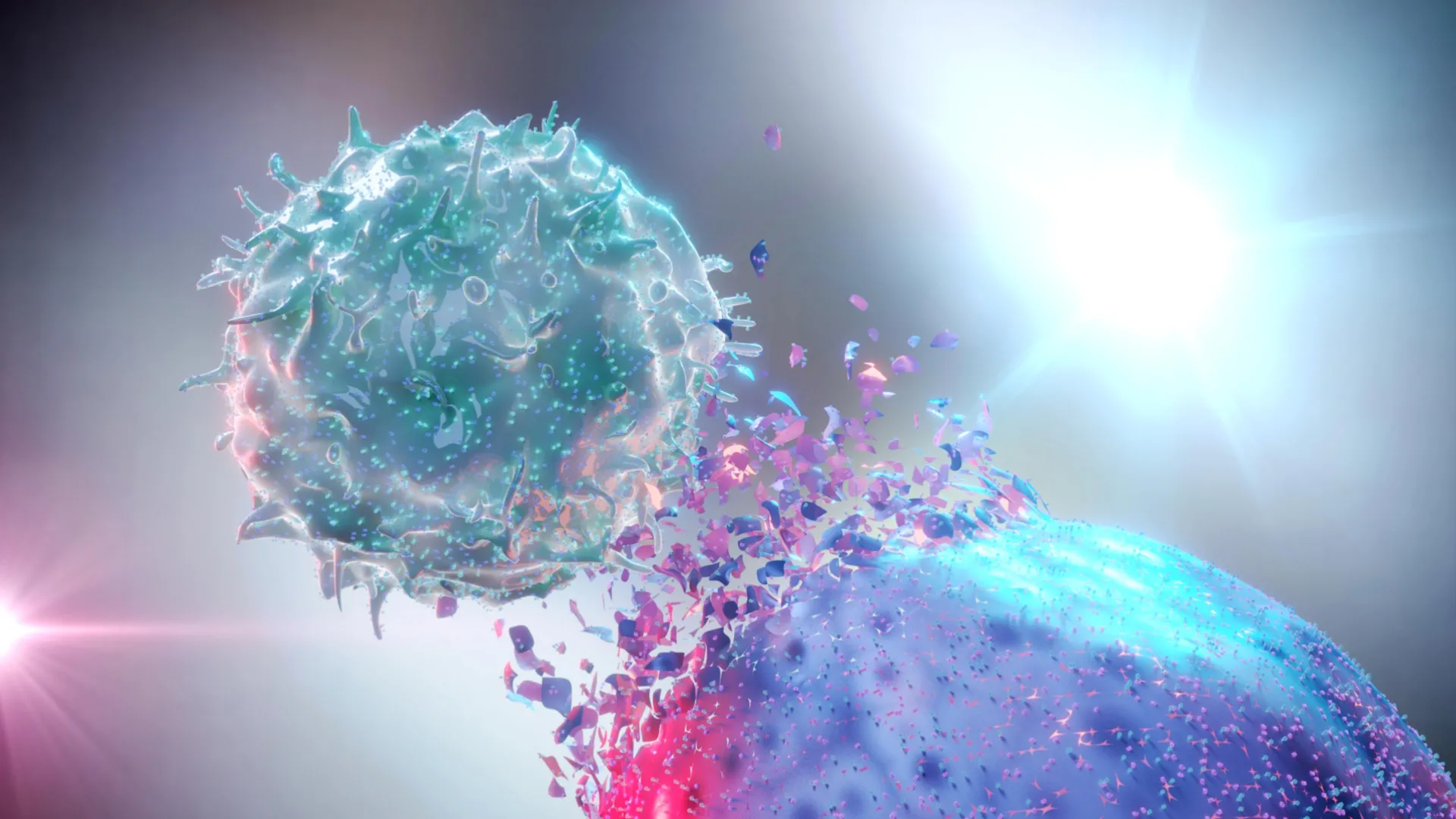
By sparking the immune system into action, radiation therapy makes certain tumors that resist immunotherapy susceptible to the treatment, leading to positive outcomes for patients, according to new research by investigators at the Johns Hopkins Kimmel Cancer Center, the Bloomberg~Kimmel Institute for Cancer Immunotherapy, and the Netherlands Cancer Institute. The study, supported by the National Institutes of Health, represents a significant leap forward in understanding the synergistic potential of combining localized radiation with systemic checkpoint inhibitors. Published in the journal Nature Cancer on July 22, the findings provide a molecular blueprint for how radiation can "warm up" immunologically cold tumors, effectively turning a localized treatment into a systemic defense mechanism against non-small cell lung cancer (NSCLC).
The Challenge of Immunotherapy Resistance in Lung Cancer
Non-small cell lung cancer remains one of the most prevalent and lethal forms of malignancy worldwide, accounting for approximately 85% of all lung cancer cases. While the advent of immunotherapy, particularly programmed cell death protein 1 (PD-1) inhibitors like pembrolizumab, has revolutionized the treatment landscape, a significant portion of patients fail to respond to these therapies. This phenomenon, known as primary resistance, often occurs in tumors classified as immunologically "cold." These tumors are characterized by a lack of T-cell infiltration, a low tumor mutational burden (TMB), and an absence of PD-L1 expression—the protein that many immunotherapies target to "unmask" cancer cells.
For years, oncologists have struggled to find ways to convert these "cold" tumors into "hot" tumors, which are inflamed and highly visible to the immune system. The research led by senior study author Valsamo "Elsa" Anagnostou, M.D., Ph.D., focuses on this exact pivot. By utilizing radiation therapy as a primer, the team sought to determine if the localized destruction of tumor tissue could trigger a broader, systemic immune recognition that overcomes existing resistance.
The Mechanism of the Abscopal Effect
At the heart of this research is a rare but potent phenomenon known as the abscopal effect. Derived from the Latin "ab" (away from) and "scopus" (target), the term refers to the ability of localized radiation to shrink tumors located far from the original site of treatment. Historically, the abscopal effect was poorly understood and rarely observed in clinical practice. However, with the integration of immunotherapy, researchers have hypothesized that radiation acts as a biological "vaccine."
When radiation strikes a primary tumor, it causes cell death, which in turn releases tumor-specific antigens and neoantigens into the local microenvironment. When the immune system is simultaneously bolstered by immunotherapy, it can identify these released signatures, train T cells to recognize the cancer’s "molecular footprint," and then dispatch those T cells to hunt down and destroy cancer cells throughout the body. Despite the theoretical promise, the specific molecular pathways and the timing required to achieve this effect have remained elusive until now.
Methodology: A Deep Dive into Multiomic Analysis
To unravel the complexities of the immune response, the research team conducted a comprehensive multiomic analysis. This approach involves the simultaneous study of various biological layers, including genomics (DNA), transcriptomics (RNA), and functional cell assays. The study was the result of a robust international collaboration with Willemijn Theelen and Paul Baas at the Netherlands Cancer Institute, who provided access to a phase II clinical trial cohort.
The investigators analyzed 293 blood and tumor samples from 72 patients with NSCLC. These patients were divided into two groups: a control group receiving immunotherapy (pembrolizumab) alone, and an experimental group receiving a regimen of radiation therapy followed by immunotherapy. Samples were collected at baseline and again after three to six weeks of treatment. This longitudinal approach allowed the team to track the evolution of the tumor microenvironment and the systemic immune system in real-time.
By focusing on tumors with low mutation burdens or mutations in the Wnt signaling pathway—features typically associated with immunotherapy failure—the researchers were able to isolate the specific impact of radiation. They discovered that the combination therapy did not just kill cells at the radiation site; it fundamentally reshaped the immune landscape at distant, non-radiated tumor sites.
Transforming the Tumor Microenvironment
The study’s findings were striking. In patients who received the combination therapy, "cold" tumors far from the radiation site began to show signs of intense inflammation and immune activity. This transition, which Anagnostou describes as the tumors "warming up," was marked by the expansion of both new and pre-existing T cells.
Specifically, the multiomic data revealed that radiation triggered a systemic anti-tumor immune response even in patients whose tumors lacked the typical biomarkers for immunotherapy success. This suggests that radiation can compensate for a low natural mutation burden by artificially increasing the visibility of the tumor to the immune system. Lead study author Justin Huang, who spearheaded the multiomic analyses, noted that the work highlights the potential of radiation to bolster immune responses in cases where immunotherapy alone would likely fail. Huang’s contributions were recently recognized with the 2025 Paul Ehrlich Research Award, a prestigious honor for young investigators at the Johns Hopkins University School of Medicine.
Clinical Outcomes and Long-Term Survival
Beyond the molecular data, the study tracked the actual clinical trajectories of the participants. The team found a direct correlation between the "warming" of tumors and improved patient outcomes. Patients with immunologically cold tumors who received radiation therapy followed by pembrolizumab demonstrated better progression-free survival and overall survival compared to those who received immunotherapy alone.
To confirm the functional nature of this response, Anagnostou and Kellie Smith, Ph.D., an associate professor of oncology at Johns Hopkins, performed specialized tests on T cells from long-term survivors. Using cell cultures, they proved that the expanding T-cell populations in these patients were specifically targeted toward neoantigens—mutations unique to the patient’s cancer. This confirmed that the immune system was not just generally active, but specifically "educated" by the radiation-induced cell death to fight the cancer.
The Role of Wnt Signaling and Biomarkers
A critical component of the study involved identifying which patients stand to benefit most from this approach. The research pointed toward the Wnt signaling pathway as a key player. Mutations in this pathway are often responsible for excluding T cells from the tumor microenvironment, creating a "cold" status. The study showed that radiation could potentially bypass the inhibitory effects of Wnt mutations, providing a new therapeutic avenue for a subset of patients who previously had very few options.
Furthermore, the team’s ongoing work involves the use of circulating tumor DNA (ctDNA) as a non-invasive biomarker. By monitoring ctDNA in the blood, clinicians may soon be able to predict early on whether a patient is responding to the combination of radiation and immunotherapy. This "liquid biopsy" approach was a focal point of a presentation at the annual meeting of the American Association for Cancer Research, suggesting that the future of lung cancer treatment will be increasingly guided by real-time molecular monitoring.
Broader Implications for Precision Oncology
The implications of this research extend far beyond non-small cell lung cancer. If radiation can be used to circumvent primary resistance to immunotherapy, it could potentially be applied to other "cold" cancers, such as those of the prostate, pancreas, or brain. Moreover, the study suggests that this strategy might be effective not only for primary resistance but also for acquired resistance—where a tumor initially responds to immunotherapy but eventually finds a way to evade it.
Dr. Anagnostou emphasized that this research brings the scientific understanding of the abscopal effect "full circle." By linking the systemic immune response directly to clinical outcomes in a population of resistant patients, the study provides a strong rationale for integrating radiation into standard immunotherapy protocols for specific patient profiles.
The success of this study also underscores the necessity of interdisciplinary and international collaboration. The partnership between Johns Hopkins and the Netherlands Cancer Institute allowed for a depth of analysis that would have been difficult to achieve in isolation. By combining clinical trial data with advanced "omics" tools, the researchers have moved closer to the goal of truly personalized or "precision" oncology.
Future Research and Regulatory Landscape
As the medical community digests these findings, the next steps involve larger-scale phase III clinical trials to codify these combination regimens into standard care. The research also opens new doors for the pharmaceutical industry to develop "radiation-sensitizing" drugs that could further enhance the immune-priming effects of radiotherapy.
The study was supported by significant funding from the National Institutes of Health and the Bloomberg~Kimmel Institute for Cancer Immunotherapy. Dr. Anagnostou’s extensive involvement in the field, including her roles as co-director of the Upper Aerodigestive Malignancies Program and leader of Precision Oncology Analytics at Johns Hopkins, positions her at the forefront of this evolving landscape. While she maintains several industry ties and patent applications related to cancer genomic analyses, the findings of this study were managed under strict conflict-of-interest policies to ensure scientific integrity.
As lung cancer treatment continues to move away from a one-size-fits-all approach, the ability to "warm up" cold tumors via radiation offers a beacon of hope for patients who were once considered beyond the reach of modern immunotherapy. The transition from localized treatment to systemic cure is no longer just a theoretical possibility; it is becoming a documented clinical reality.
