
 By George Ongkojoyo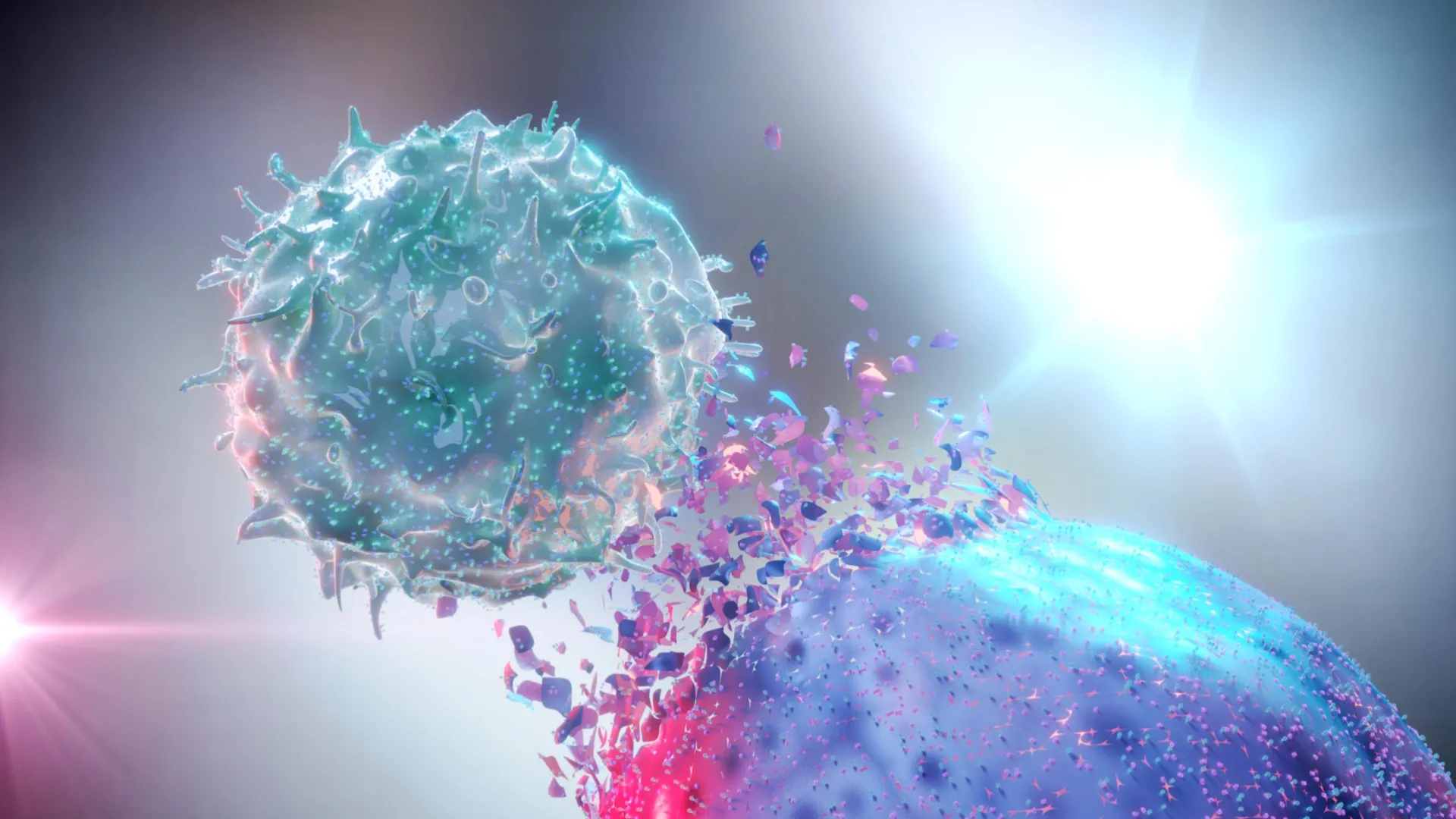
A collaborative international study led by the Johns Hopkins Kimmel Cancer Center’s Bloomberg~Kimmel Institute for Cancer Immunotherapy and the Netherlands Cancer Institute has uncovered a transformative mechanism in the treatment of non-small cell lung cancer (NSCLC). The research, published on July 22 in the journal Nature Cancer, demonstrates that radiation therapy can effectively "prime" the immune system, rendering previously resistant "cold" tumors susceptible to immunotherapy. This discovery offers a potential roadmap for overcoming primary and acquired resistance to immune checkpoint inhibitors, which has long been a significant hurdle in oncology.
By integrating radiation therapy with immunotherapy, researchers observed a systemic anti-tumor immune response that extended beyond the localized area of radiation. This phenomenon, historically known as the abscopal effect, was analyzed at a molecular level to understand how the combination therapy reshapes the tumor microenvironment. The findings suggest that patients whose tumors possess molecular signatures typically associated with poor immunotherapy outcomes—such as low mutational burden or the absence of PD-L1 expression—may experience significantly improved clinical responses when radiation is introduced as a precursor to treatment.
The Challenge of Immunotherapy Resistance in Lung Cancer
Lung cancer remains the leading cause of cancer-related mortality worldwide, with non-small cell lung cancer accounting for approximately 85% of all cases. While the advent of immunotherapy, particularly PD-1 and PD-L1 inhibitors, has revolutionized the treatment landscape, only a minority of patients achieve durable long-term responses. A significant portion of patients exhibit "primary resistance," where the tumor never responds to the drug, while others develop "acquired resistance" after an initial period of stability.
Tumors are often categorized as "hot" or "cold" based on their immunological profile. Hot tumors are characterized by high levels of T-cell infiltration and a high tumor mutational burden (TMB), making them easily recognizable by the immune system. Conversely, "cold" tumors are immunologically silent; they lack the necessary signaling molecules or antigens to attract immune cells, essentially "hiding" from the body’s natural defenses. The newly published research focuses specifically on these cold tumors, aiming to find a method to "warm them up" and trigger a robust immune attack.
The Science of the Abscopal Effect and Radiation Priming
The central mechanism explored in the study is the abscopal effect—a rare but potent phenomenon where localized radiation therapy induces a systemic response that shrinks tumors located far from the radiation site. While the term was coined in the mid-20th century, the underlying molecular drivers have remained largely enigmatic until now.
When radiation is applied to a tumor site, it causes localized cell death. This process does more than just destroy the targeted cells; it causes the release of tumor-associated antigens and "danger signals" into the local microenvironment. These released contents act as a biological primer for the immune system. Dendritic cells and other antigen-presenting cells pick up these markers, effectively "learning" the signature of the cancer. Once trained, the immune system can deploy T cells throughout the body to seek out and destroy cancer cells at distant, non-radiated sites.
The study authors hypothesized that by combining this radiation-induced priming with pembrolizumab—a PD-1 inhibitor that prevents cancer cells from "turning off" T cells—they could create a synergistic effect that overcomes the inherent resistance of cold tumors.
Study Design and Methodology: A Global Multiomic Approach
The research was the result of a rigorous collaboration between Johns Hopkins and the Netherlands Cancer Institute, where investigators Willemijn Theelen and Paul Baas were conducting a Phase II clinical trial. The trial specifically looked at the efficacy of radiation therapy followed by pembrolizumab versus pembrolizumab alone in patients with advanced NSCLC.
To understand the biological shifts occurring within these patients, senior study author Valsamo "Elsa" Anagnostou, M.D., Ph.D., and her team at Johns Hopkins performed a comprehensive multiomic analysis. This involved examining 293 blood and tumor samples from 72 patients. The "multiomic" approach is significant because it integrates various layers of biological data:
- Genomics: Analyzing the DNA mutations within the tumor.
- Transcriptomics: Observing how genes are expressed in the tumor microenvironment.
- Cell Assays: Directly testing the functionality and reactivity of T cells.
Samples were collected at baseline and again after three to six weeks of treatment. This longitudinal sampling allowed the team to track the evolution of the immune response in real-time, comparing those who received the combination therapy to those in the control group who received only immunotherapy.
Key Findings: Warming Up the Tumor Microenvironment
The research team focused heavily on tumors that lacked the typical biomarkers for immunotherapy success. These "cold" biomarkers include a low tumor mutational burden (TMB), the absence of PD-L1 protein expression, and the presence of mutations in the Wnt signaling pathway, which is often linked to immune exclusion.
The results were striking. In the experimental group receiving radiation followed by immunotherapy, tumors located far from the radiation site underwent a radical "reshaping." Anagnostou described this as the tumors "warming up." The analysis showed a transition from a state of immune dormancy to one of high inflammation. This shift was marked by the expansion of both new and pre-existing T cells that were specifically programmed to recognize mutation-associated neoantigens—unique proteins produced by the tumor’s DNA mutations.
Furthermore, the team, led by lead author Justin Huang, utilized functional tests to confirm that these expanded T cells were indeed active. By growing the patients’ T cells in cultures alongside tumor antigens, they proved that the radiation had successfully "educated" the immune system to identify and attack the cancer.
Chronology of the Research and Clinical Validation
The timeline of this discovery reflects a multi-year effort to bridge the gap between bench science and clinical application:
- Clinical Trial Phase: The Phase II trial was initiated at the Netherlands Cancer Institute to test the sequence of radiation and pembrolizumab.
- Sample Analysis: Between the trial’s progression and 2023, the Johns Hopkins team processed nearly 300 samples using advanced sequencing technologies.
- Preliminary Presentation: In April 2024, the team presented data at the American Association for Cancer Research (AACR) annual meeting in Chicago, focusing on the use of circulating tumor DNA (ctDNA) to monitor these responses.
- Full Publication: On July 22, 2024, the comprehensive findings linking the molecular reshaping of the tumor to improved clinical outcomes were published in Nature Cancer.
The data showed that patients with immunologically cold tumors who received the combination therapy had significantly better progression-free survival and overall survival compared to those with similar tumors in the control group. This direct link between the molecular "warming" of the tumor and the actual survival of the patient provides the strongest evidence to date for the clinical utility of the abscopal effect.
Perspectives from the Investigative Team
The success of the study is being hailed as a triumph of interdisciplinary and international cooperation. Justin Huang, who was awarded the 2025 Paul Ehrlich Research Award for his role in the multiomic analyses, emphasized that the work translates complex cancer biology into tangible clinical relevance.
Dr. Elsa Anagnostou highlighted the broader implications for the field of oncology. "For a fraction of lung cancers where we aren’t expecting therapy responses, radiation may be particularly effective to help circumvent primary resistance to immunotherapy," she stated. She also noted that this approach might not only be limited to those who fail to respond initially but could also be a strategy for those who develop resistance later in their treatment journey.
Kellie Smith, Ph.D., an associate professor of oncology at Johns Hopkins, played a critical role in the functional testing of T cells. Her work confirmed that the immune response was not just a generic inflammatory reaction but a targeted, antigen-specific attack on the cancer cells, validating the precision of the radiation-priming method.
Broader Impact and Future Directions in Precision Oncology
The implications of this study extend beyond lung cancer. The ability to "warm up" cold tumors is a "holy grail" in immunotherapy research, as it could theoretically be applied to other recalcitrant cancers, such as pancreatic or prostate cancer, which are notoriously resistant to current checkpoint inhibitors.
Moreover, the study underscores the importance of "precision oncology"—the idea that treatment should be tailored to the specific molecular footprint of an individual’s tumor. By identifying the specific biomarkers that indicate a "cold" tumor, clinicians can now identify which patients are most likely to benefit from the addition of radiation therapy to their regimen.
The research team is now moving forward with investigating the use of circulating tumor DNA (ctDNA) as a non-invasive "liquid biopsy" to monitor the effectiveness of this combination therapy in real-time. By detecting fragments of tumor DNA in the blood, doctors could potentially determine if a tumor is "warming up" within weeks of starting treatment, allowing for rapid adjustments to the therapeutic plan.
As the medical community continues to refine the use of immunotherapy, the integration of traditional methods like radiation is proving to be a vital component of the modern oncological toolkit. This study provides the molecular evidence needed to turn a long-observed phenomenon into a predictable, life-saving clinical strategy.
