
 By admin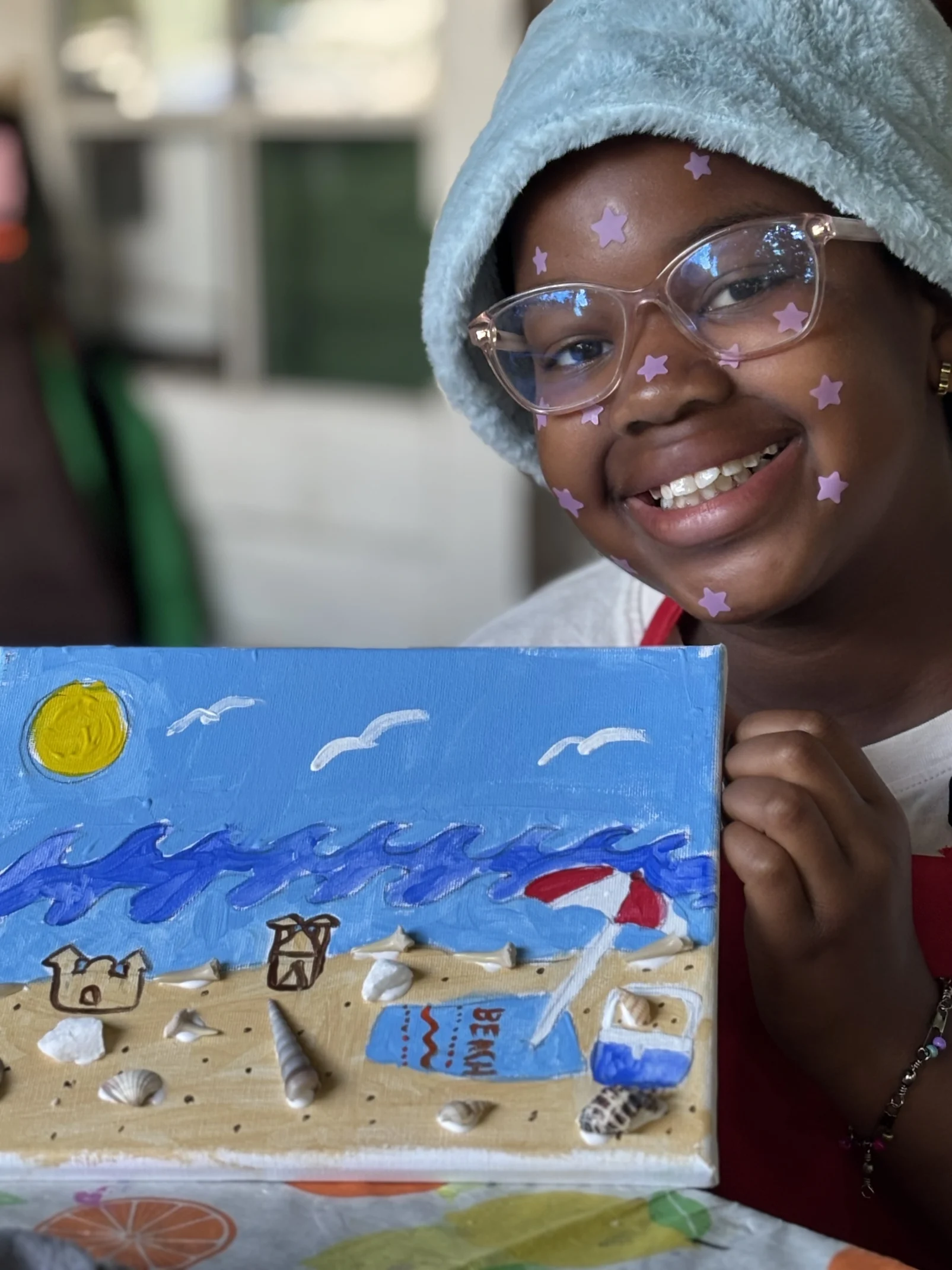
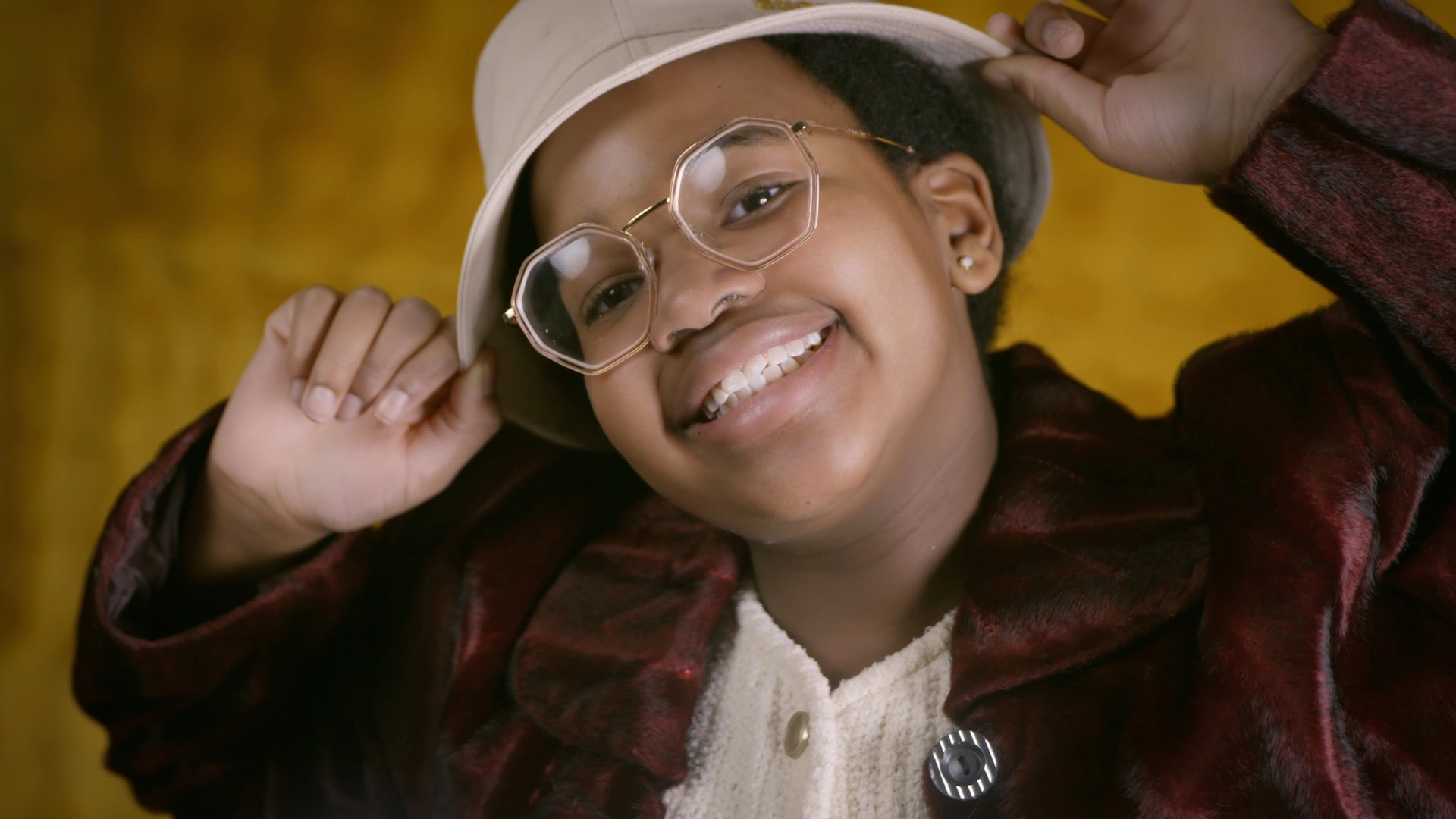
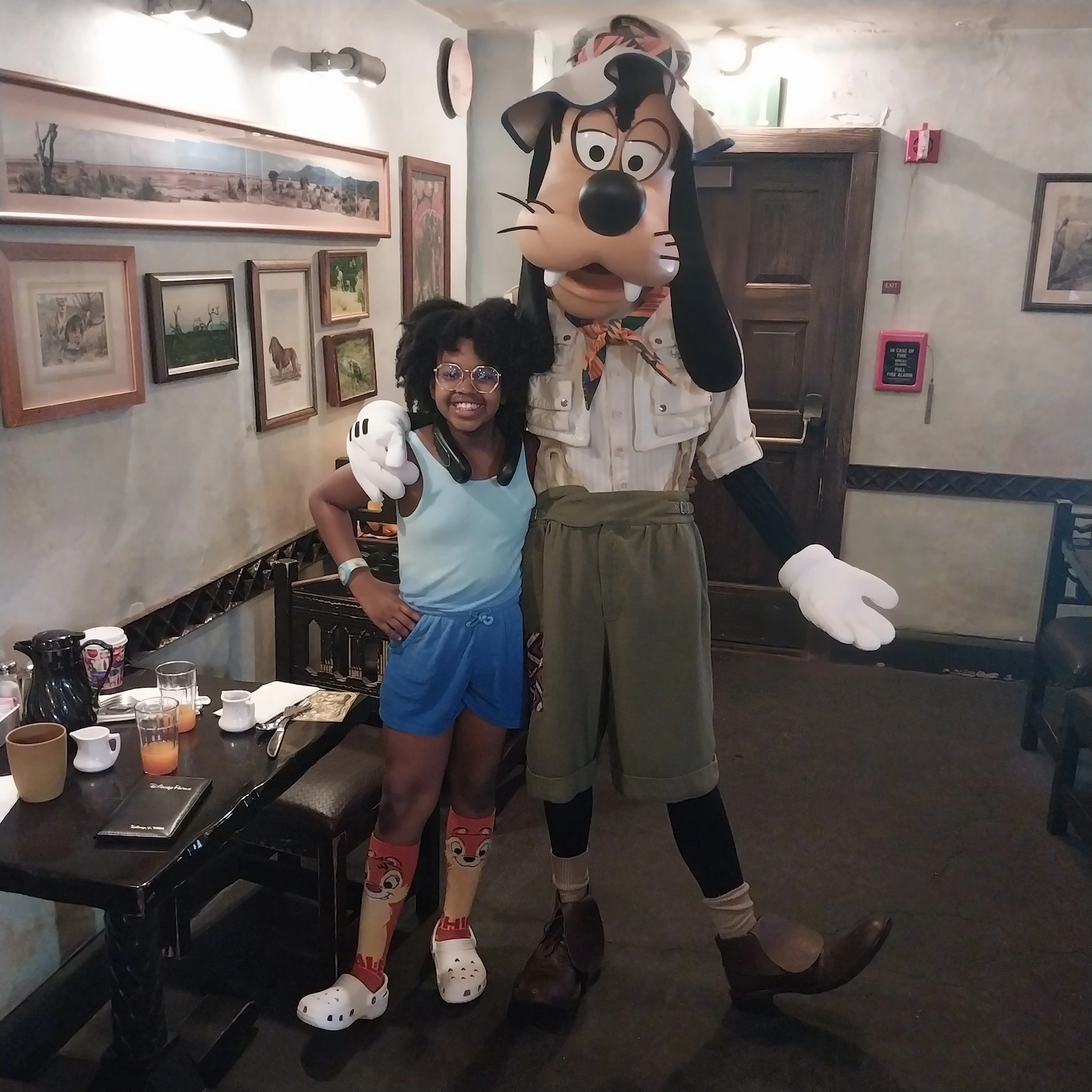
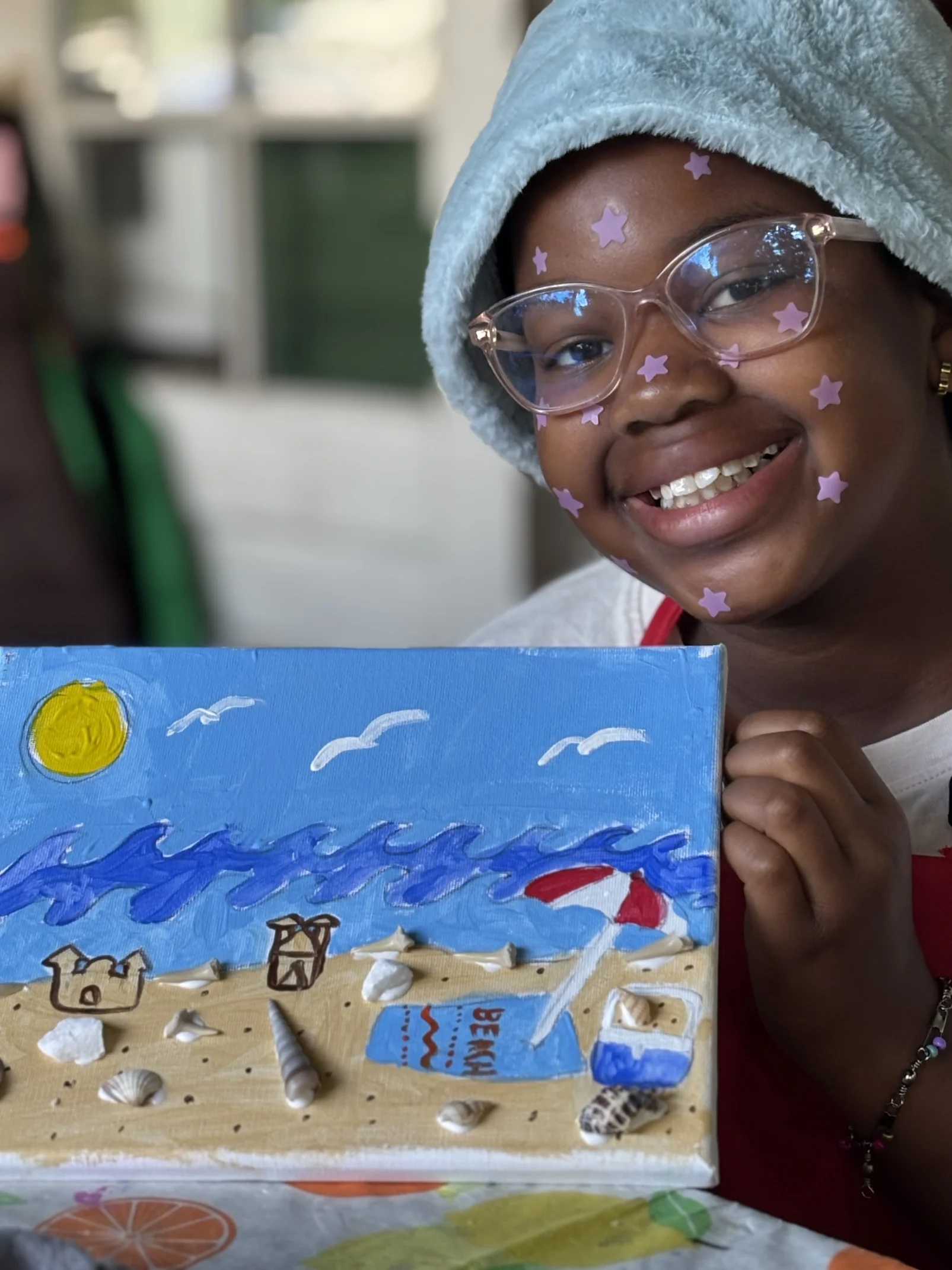
In the personal sanctuary of a ten-year-old girl named Valerie, a specific piece of artwork serves as a profound testament to a journey that has spanned continents, medical complexities, and a radical reclamation of identity. The piece is more than a creative exercise; it is a declaration of self-worth that emerged during a period when a life-threatening diagnosis sought to redefine her future. Valerie, an artist, dancer, and cellist, has become a symbol of the modern pediatric cancer experience—one defined by both the rigors of advanced medical protocols and the indomitable spirit of the children who navigate them. Now cancer-free, Valerie is transitioning from patient to advocate, serving as an ambassador for the return of Glamorama, a high-profile benefit for the Children’s Cancer Research Fund (CCRF).
Valerie’s narrative began with a significant life transition, moving from Nigeria to the United States alongside her mother, Adaora. This relocation, intended to open new chapters of opportunity, was soon shadowed by the onset of persistent, yet ambiguous, physical symptoms. Living in a region often referred to as the "cheese capital of the world," the initial clinical suspicion for Valerie’s intermittent stomach pain leaned toward dietary sensitivities, specifically a potential intolerance to dairy. However, as the frequency and intensity of the pain escalated, Adaora—who is a physician by profession—recognized that the clinical picture was evolving beyond a simple gastrointestinal issue. The subsequent diagnostic process revealed a reality far more severe: Valerie was diagnosed with Hodgkin lymphoma.
Hodgkin lymphoma is a malignancy of the lymphatic system, part of the body’s immune network. While it is one of the most curable forms of childhood cancer, a diagnosis at age ten is relatively rare, as the disease more frequently appears in adolescents and young adults. The medical response to Valerie’s condition was representative of the current vanguard in pediatric oncology: a specialized regimen combining traditional chemotherapy with immunotherapy. This dual approach is the result of decades of clinical trials aimed not only at achieving total remission but also at minimizing "late effects"—the long-term health complications, such as cardiac issues or secondary cancers, that can arise from aggressive treatments administered during childhood.
The efficacy of these modern protocols is supported by robust clinical data. According to the American Cancer Society and the National Cancer Institute, the five-year survival rate for children diagnosed with Hodgkin lymphoma now exceeds 95%. This statistic represents one of the greatest success stories in the history of the National Cancer Act. However, the high cure rate does not negate the immediate physical and psychological trauma of the treatment process. For Valerie, the most visible and emotionally taxing side effect was alopecia, the loss of her hair. In the social world of a ten-year-old, hair is often a primary component of identity and normalcy.
Rather than succumbing to the stigma often associated with the physical markers of chemotherapy, Valerie utilized her creative background to reframe her circumstances. She produced a piece of artwork centered on the word "BALD," transforming the term from a description of loss into a manifesto of strength. This act of artistic reclamation is recognized by child life specialists as a critical coping mechanism. "Going through chemotherapy makes me feel like I can conquer anything," Valerie remarked, reflecting a psychological resilience that medical professionals call "post-traumatic growth."
Throughout her treatment, Valerie’s integration into her new American community proved to be a vital component of her recovery. The social infrastructure surrounding Valerie and Adaora—comprised of school peers, dance instructors, and neighbors—mobilized to provide a "village" of support. This included the coordination of meals, emotional check-ins, and the maintenance of a sense of routine. Experts in pediatric care emphasize that maintaining a connection to pre-diagnosis life, such as Valerie’s continued participation in school and dance whenever her energy levels permitted, is essential for the long-term mental health of pediatric patients.
The broader context of Valerie’s journey is inextricably linked to the work of the Children’s Cancer Research Fund (CCRF). Based in Minneapolis, CCRF is a national nonprofit organization dedicated to ending childhood cancer by funding groundbreaking research and supporting families. Since its inception in 1981, the organization has contributed over $200 million to research, education, and quality-of-life programs. The research funded by CCRF often focuses on "hard-to-treat" cancers and the development of less toxic therapies, the very kind of innovation that shaped Valerie’s immunotherapy-inclusive treatment plan.
Valerie’s transition to cancer-free status marks the beginning of her role as a public advocate. She has been selected as one of five ambassadors for the return of Glamorama, an iconic fashion and variety production that serves as a primary fundraiser for CCRF. Glamorama has a storied history in the Twin Cities and beyond, originally launched as a high-fashion runway event that merged the worlds of retail, entertainment, and philanthropy. After a hiatus, the event’s return is being positioned as a celebration of survivorship and a vital engine for future research funding.
The role of an ambassador in this context is multifaceted. For survivors like Valerie, it offers a platform to humanize the statistics of pediatric oncology. By collaborating on the production’s creative direction, Valerie is able to channel her imagination into a project that has tangible benefits for other children currently in the hospital wards she once occupied. The funds raised through Glamorama are directed toward several key areas:
- Basic Science Research: Investigating the cellular origins of childhood cancers.
- Phase I Clinical Trials: Bringing new, experimental drugs to patients who have exhausted standard treatment options.
- Survivorship Programs: Addressing the long-term physical and emotional needs of the growing population of childhood cancer survivors.
- Family Support: Providing financial assistance and resources to families navigating the economic burden of a cancer diagnosis.
From a journalistic and analytical perspective, Valerie’s case highlights a critical shift in the landscape of pediatric healthcare. There is an increasing emphasis on the "whole child" approach, which recognizes that medical intervention must be paired with psychological support and community engagement. Furthermore, her story underscores the global nature of modern medicine; a child moving from Nigeria can benefit from research conducted in the United States, which in turn is funded by local philanthropic efforts like Glamorama.
The economic implications of such research are also significant. While the initial costs of immunotherapy can be high, the long-term "return on investment" for society is substantial. By utilizing treatments that reduce the risk of chronic health conditions in adulthood, the medical community is ensuring that survivors like Valerie can lead productive, healthy lives, thereby reducing the future burden on the healthcare system.
As the date for Glamorama approaches, the demand for tickets reflects a public desire to support these advancements. The event serves as a bridge between the clinical world of oncology and the vibrant, creative world of childhood. For Valerie, the night will be a culmination of her journey from a patient in pain to a survivor on a stage. Her presence at the event is a living reminder that while cancer may attempt to define a child’s life, the combination of scientific innovation, community support, and personal resilience can ensure that the diagnosis is merely a chapter, rather than the whole story.
In the final analysis, Valerie’s "BALD" artwork remains a symbol of the power of perspective. It serves as a reminder to the medical community and the public alike that the goal of cancer research is not just the absence of disease, but the restoration of a child’s ability to dream, create, and contribute. As Valerie returns to her cello and her dance classes, she does so not just as a survivor, but as a leader in a movement to ensure that the 95% cure rate for Hodgkin lymphoma eventually becomes the standard for all forms of pediatric cancer. The upcoming Glamorama event is not merely a night of entertainment; it is a critical investment in that future—a future where every child has the opportunity to turn their own challenges into a masterpiece of resilience.
