
 By admin
The narrative of Jaylen and Ayla, two young survivors of hereditary bilateral retinoblastoma, serves as a poignant testament to the intersection of pediatric oncology, medical advocacy, and the systemic challenges faced by individuals with disabilities within the healthcare framework. Jaylen, now 10, and his sister Ayla, 8, have navigated a decade of intensive medical interventions, surgeries, and social adjustments. Their journey, managed by their mother Denice, highlights not only the clinical complexities of rare childhood cancers but also the critical necessity for equitable access to medical communication for deaf and hard-of-hearing parents.
The Onset of Symptoms and the Diagnostic Barrier
The clinical history of the family began when Jaylen was merely two months old. His mother, Denice, observed a physical anomaly in his left eye, which appeared to veer outward—a condition medically recognized as strabismus, often an early indicator of intraocular tumors. During this period, the family also noted a peculiar "glow" in Jaylen’s eye in flash photography, a phenomenon known as leukocoria. At the time, the family attributed this to standard photographic reflection, a common misconception that often delays the diagnosis of retinoblastoma.
The path to a definitive diagnosis was further obstructed by systemic failures in medical accessibility. When Jaylen reached four months of age, Denice attempted to seek a professional evaluation during a routine check-up. However, the medical facility refused to provide services, citing the absence of an American Sign Language (ASL) interpreter. This refusal represented a significant breach of the Americans with Disabilities Act (ADA), which mandates that healthcare providers ensure effective communication with patients and their companions through auxiliary aids and services.
Faced with a medical system that temporarily turned its back on her, Denice was forced to navigate the complexities of the healthcare landscape independently. She undertook an exhaustive search for a provider willing to accommodate her communication needs while addressing the urgent symptoms her son was exhibiting. Her persistence eventually led to a specialist who confirmed the diagnosis: Jaylen was suffering from bilateral retinoblastoma, a rare form of cancer that affects the light-sensitive tissue of the retina in both eyes.
Hereditary Implications and Early Intervention for Ayla
Retinoblastoma is categorized into two forms: sporadic and hereditary. In Jaylen’s case, the bilateral nature of the disease strongly indicated a germline mutation in the RB1 gene. This hereditary component meant that any future siblings would be at an exceptionally high risk of developing the same malignancy. Consequently, when Denice became pregnant with Ayla, the medical team implemented a rigorous monitoring protocol from birth.
This proactive approach proved life-saving. At just four weeks old, clinical screenings revealed that Ayla also had bilateral retinoblastoma. While the news was devastating for the family, the early detection—facilitated by the knowledge gained during Jaylen’s struggle—allowed for immediate intervention. The contrast between Jaylen’s delayed diagnosis due to systemic barriers and Ayla’s immediate diagnosis due to genetic foresight underscores the importance of hereditary screening in pediatric oncology.
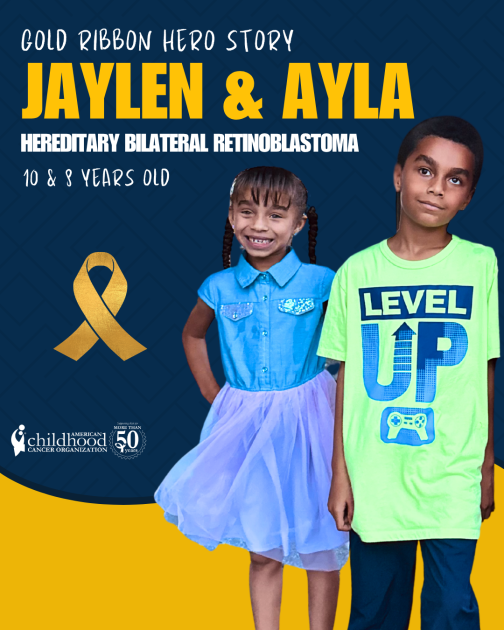
Denice described the dual diagnosis as a moment of profound emotional upheaval, compounded by the trauma of her earlier experiences with the medical establishment. "It was incredibly heartbreaking and overwhelming to hear the word ‘cancer’ for both of my babies," she stated. "But it was compounded by anger and frustration at the medical system that tried turning a deaf mother away." This experience transformed her into a dedicated medical manager and advocate, ensuring that her children’s health remained the primary focus despite the challenges of navigating a hearing-centric world.
Clinical Interventions and the Path to Survivorship
The treatment of bilateral retinoblastoma is complex, as clinicians must balance the eradication of the cancer with the preservation of as much vision as possible. For Jaylen and Ayla, the therapeutic journey spanned several years and involved a multidisciplinary approach.
The primary treatments included:
- Chemotherapy: Used to shrink the tumors (chemoreduction) to make local treatments more effective.
- Cryotherapy: The use of extreme cold to freeze and destroy cancer cells in the retina.
- Laser Therapy (Photocoagulation): Utilizing focused light to cut off the blood supply to the tumors.
- Strabismus Surgery: Performed specifically for Jaylen to correct the alignment of his eyes.
- Enucleation: A surgical procedure to remove the eye. This was deemed necessary for Ayla to prevent the spread of the cancer to the optic nerve and brain.
Both children eventually transitioned to the use of ocular prosthetics. While the loss of an eye is a significant life event, the family has embraced the use of prosthetics as a tool for empowerment. Ayla, in particular, has garnered attention for her collection of custom-colored irises. Rather than viewing the prosthetic as a limitation, she uses it as a fashion statement, swapping different "eyes" to match her style and mood. This psychological adaptation highlights the resilience of pediatric patients when supported by a positive and affirming home environment.
Understanding Retinoblastoma: Data and Context
Retinoblastoma is the most common primary intraocular tumor of childhood, yet it remains a rare disease, occurring in approximately 1 in 15,000 to 18,000 live births. In the United States, roughly 250 to 300 children are diagnosed annually.
The hereditary form, which accounts for about 40% of cases, is typically bilateral and presents at a younger age than the sporadic form. The RB1 gene, located on chromosome 13, acts as a tumor suppressor. When both copies of this gene are mutated or missing in the retinal cells, the cancer develops. Because the mutation is present in every cell of the body in hereditary cases, survivors face an increased risk of developing secondary cancers later in life, such as osteosarcoma or melanoma, necessitating lifelong surveillance.
The survival rate for retinoblastoma in high-income countries exceeds 95%, provided the cancer is caught before it extraocularly spreads. However, the "glow" or leukocoria remains the most vital early warning sign. Organizations like the American Childhood Cancer Organization (ACCO) and "Know the Glow" campaigns emphasize that a white reflection in a child’s pupil—often caught in a photo—should be treated as a medical emergency until proven otherwise.
Advocacy and the Socio-Emotional Impact of Childhood Cancer
Beyond the clinical realm, the story of Jaylen and Ayla touches upon the social pressures faced by families dealing with chronic illness. Denice has been vocal about the criticism she has encountered online regarding her parenting choices. Some observers have questioned her "beautifully spoiled" approach to her children. In response, Denice asserts that her parenting style is a direct result of the life-threatening trials her children have survived.
"Our triumphs have been absolutely legendary," Denice remarked, emphasizing that the family chooses to live in the present moment. This philosophy of "choosing joy" is a common coping mechanism among families who have faced the existential threat of pediatric cancer. By prioritizing the emotional well-being and happiness of her children, Denice is fostering an environment where they can thrive despite their physical challenges.
Furthermore, the family’s commitment to the Deaf community is evident in Ayla’s development. She began learning ASL during her immediate post-operative recovery from enucleation surgery. This bilingual and bicultural upbringing ensures that she remains connected to her mother’s identity while gaining the tools to navigate her own unique path.
Broader Implications for the Healthcare Industry
The experiences of this family offer critical lessons for healthcare policy and pediatric practice. First, the refusal of care due to a lack of an ASL interpreter highlights a persistent gap in medical training and facility compliance. Hospitals and clinics must prioritize the integration of on-demand video remote interpreting (VRI) or on-site interpreters to prevent dangerous delays in diagnosis for the children of disabled parents.
Second, the success of Ayla’s early diagnosis reinforces the necessity of genetic counseling for families with a history of RB1 mutations. Early screening protocols for newborns with a family history can mean the difference between vision-sparing treatment and the need for enucleation or more aggressive systemic chemotherapy.
Finally, the story of Jaylen and Ayla serves as a beacon of hope for other families. By sharing their "legendary triumphs" and their "glow" stories, they contribute to a global awareness effort that can save lives. Their journey from a contested four-month check-up to a life of "rocking their style" with prosthetic eyes demonstrates that a diagnosis of childhood cancer is not the end of a joyful life, but the beginning of a different, often more resilient, chapter.
As the ACCO continues to support families like Jaylen and Ayla’s, the focus remains on the necessity of research, early detection, and the removal of barriers to care. Through collective advocacy and public donations, the medical community can continue to improve outcomes for children facing the daunting reality of a cancer diagnosis, ensuring that no child—and no parent—has to fight the battle alone or unheard.
