
 By admin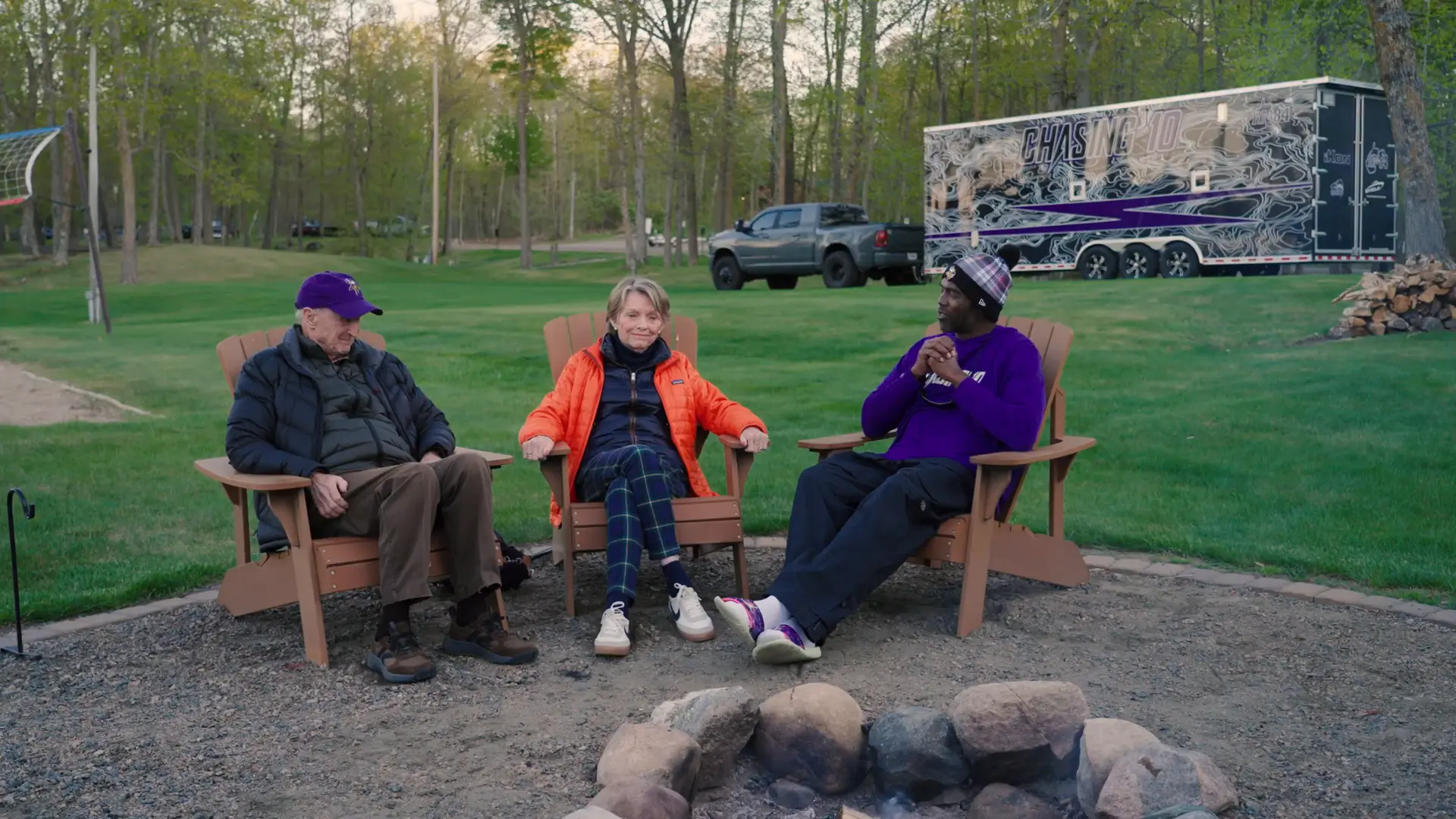
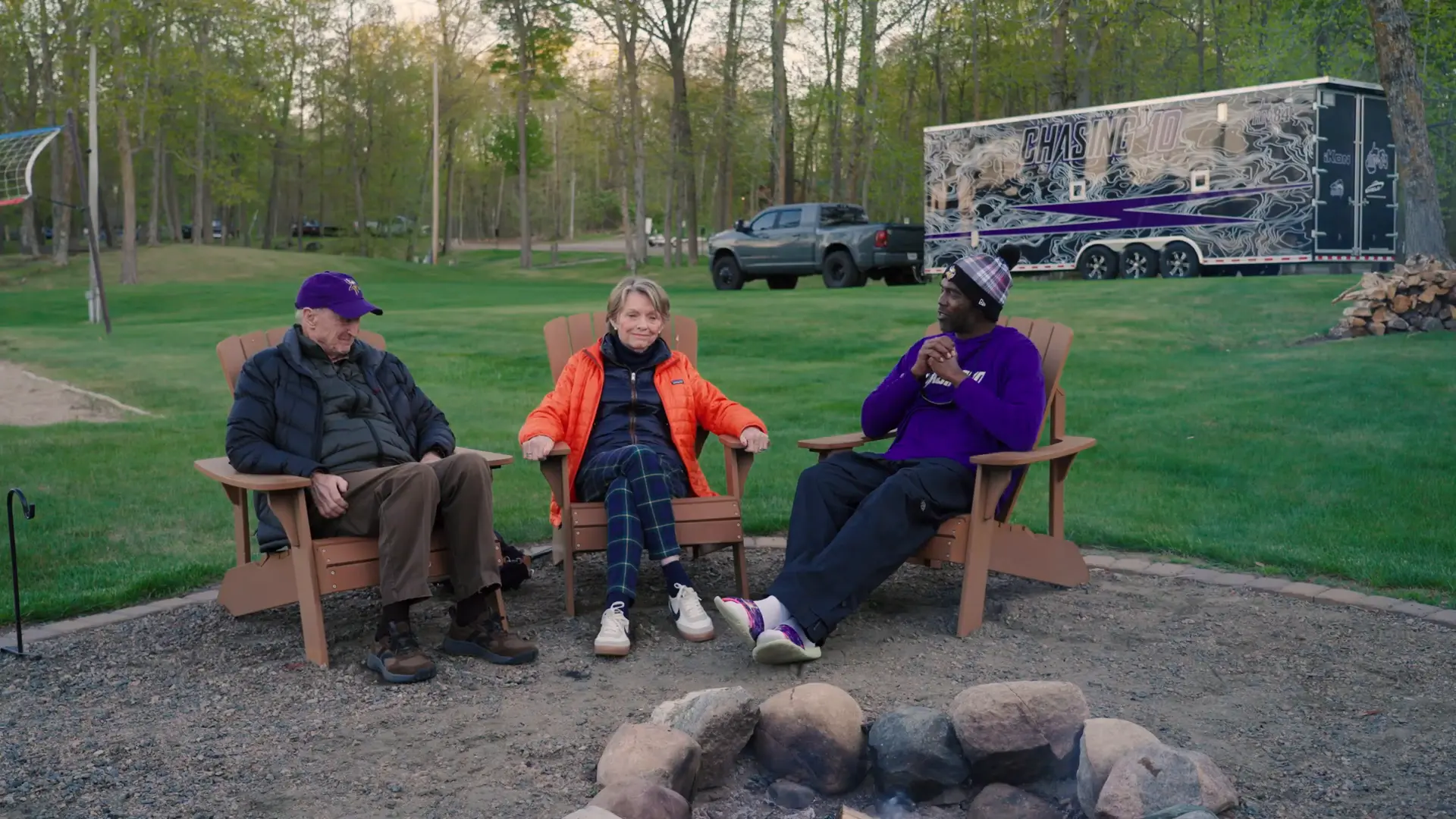
The history of medical philanthropy is often punctuated by massive corporate grants and high-profile endowments, yet the foundation of one of the United States’ most influential pediatric oncology organizations began with a singular, modest act of childhood selflessness. Pro Football Hall of Famer Randy Moss recently brought this history back into the public eye during an episode of the digital series Chasing10, where he explored the origins of the Children’s Cancer Research Fund (CCRF). The narrative center of the organization is not a boardroom or a laboratory, but rather the story of Katie Hageboeck, a 13-year-old girl whose $141 sacrifice in 1979 catalyzed a movement that has since raised hundreds of millions of dollars for life-saving research.
The encounter between Moss and the Hageboeck family serves as a bridge between the early days of pediatric oncology and the modern era of precision medicine. While Moss is widely recognized for his athletic achievements, his involvement with the Chasing10 initiative highlights a growing trend of high-profile athletes leveraging their platforms to address the systemic underfunding of childhood cancer research. By revisiting the story of Katie Hageboeck, Moss and the CCRF aim to remind the public that the most significant scientific breakthroughs often begin with individual stories of resilience and grassroots support.
The Medical Crisis of 1979 and Katie Hageboeck’s Diagnosis
In 1979, the landscape of pediatric oncology was vastly different from the specialized, multi-modal treatment environment of the 21st century. When 13-year-old Katie Hageboeck was diagnosed with leukemia, her prognosis was met with the limitations of late-1970s medicine. Leukemia, a cancer of the blood-forming tissues, was particularly aggressive in Katie’s case. Her mother, Diana Hageboeck, recalled that physicians at the University of Minnesota had rarely seen a white blood cell count as high as Katie’s at the time of her admission.
During this era, the University of Minnesota was emerging as a global leader in hematology and oncology, having performed the world’s first successful human bone marrow transplant just over a decade earlier in 1968. Despite these advancements, the survival rates for many forms of childhood leukemia remained precarious, and the emotional and financial toll on families was immense. It was within this high-stakes environment that Katie Hageboeck made a decision that would outlive her.
Katie had been meticulously saving her money for a specific goal: a red 10-speed bicycle. In the late 1970s, such a bike represented a significant milestone of independence for a teenager. However, as she navigated the realities of her treatment and witnessed the struggles of other children in the oncology ward, her priorities shifted. She chose to donate her entire savings—exactly $141—to a fledgling fund dedicated to cancer research at the University of Minnesota. This donation was intended to ensure that future children might not have to endure the same hardships she faced. Katie passed away shortly thereafter, but her $141 became the seed money for what is now the Children’s Cancer Research Fund.
Chronology of Organizational Growth and Impact
The transition from a $141 donation to a national research powerhouse followed a trajectory of steady growth and community mobilization. Following Katie’s death, her parents, Diana and her late husband, along with a dedicated group of volunteers, transformed their grief into a formal mission.
- 1979–1981: The Formative Years. The initial fund was managed locally, focusing on supporting the immediate needs of the University of Minnesota’s pediatric oncology department. The story of the "bicycle money" began to circulate, inspiring local donors to contribute.
- The Mid-1980s: Institutional Expansion. As the fund grew, it began to support specific research fellowships and laboratory equipment. This era saw the establishment of the first formal fundraising events, which galvanized the Twin Cities community.
- The 1990s: National Recognition. The CCRF expanded its reach beyond Minnesota, partnering with national organizations and contributing to multi-center clinical trials. This period was marked by significant advancements in understanding the genetic markers of childhood cancers.
- 2000–Present: A Global Leader. Today, the CCRF is a major contributor to the Children’s Oncology Group (COG), the world’s largest organization devoted exclusively to childhood and adolescent cancer research. The fund now supports innovative therapies including immunotherapy, gene editing, and survivorship programs designed to mitigate the long-term side effects of toxic treatments.
Supporting Data: The Funding Gap in Pediatric Oncology
The necessity of organizations like the CCRF is underscored by a stark disparity in federal research funding. According to data from the National Cancer Institute (NCI), only about 4% of the federal budget for cancer research is dedicated specifically to childhood cancers. The vast majority of funding is directed toward adult cancers, such as lung, breast, and prostate cancer, which have higher prevalence rates in the general population.
However, childhood cancers are biologically distinct from adult cancers. They are not typically caused by lifestyle or environmental factors but are often the result of DNA changes that happen early in life. Because the market for pediatric cancer drugs is smaller than that for adult treatments, pharmaceutical companies often lack the financial incentive to develop new pediatric-specific medications. This "market failure" makes private philanthropy and non-profit funding critical.
Since its inception, the CCRF has filled this gap by providing over $200 million in research grants. These funds have contributed to a dramatic shift in survival statistics. In the mid-20th century, a diagnosis of acute lymphoblastic leukemia (ALL)—the most common childhood cancer—was nearly always fatal. Today, thanks in part to research funded by the CCRF and its partners, the five-year survival rate for ALL is approximately 90%.
Official Responses and the Randy Moss Partnership
The recent spotlight on Katie’s story via Randy Moss has elicited emotional responses from both the Hageboeck family and the medical community. During the Chasing10 episode, Moss expressed a deep sense of responsibility toward the cause. "We’re not just chasing 10. We are chasing a cure. I’m part of this team now," Moss stated, referencing the statistic that ten children are diagnosed with cancer every hour in the United States.
Diana Hageboeck, reflecting on the evolution of the fund, emphasized the connective power of her daughter’s gesture. "Wouldn’t Katie love to know how everyone has bonded just because she gave her bike money," she told Moss. This sentiment is echoed by researchers at the University of Minnesota Masonic Cancer Center, who credit the CCRF with providing the "venture capital" for high-risk, high-reward research projects that would otherwise struggle to secure federal grants.
The involvement of Randy Moss is part of a broader strategy by the CCRF to engage a younger, more diverse demographic of donors. By utilizing digital storytelling and celebrity advocacy, the organization seeks to maintain the momentum of Katie’s legacy in an increasingly crowded philanthropic landscape.
Broader Impact and Scientific Implications
The legacy of Katie Hageboeck extends beyond the dollar amounts raised. Her story has become a case study in the power of "catalytic philanthropy"—where a small, symbolic gift triggers a chain reaction of giving. In the scientific realm, the funding provided by CCRF has led to several breakthroughs:
- Total Body Irradiation (TBI) Refinements: Research supported by the fund has helped refine radiation techniques to minimize damage to healthy tissues in developing children.
- Immunotherapy and CAR-T Cell Research: CCRF-funded researchers are at the forefront of developing treatments that harness a child’s own immune system to fight cancer cells, reducing the need for traditional chemotherapy.
- Survivorship Studies: As survival rates have increased, a new challenge has emerged: the long-term health of survivors. CCRF invests heavily in research to address the "late effects" of treatment, such as heart disease and secondary cancers, ensuring that survivors can lead full, healthy lives.
The organizational philosophy remains rooted in the idea that pediatric cancer is a collective societal challenge. The "Chasing10" campaign, in particular, emphasizes that while 90% survival rates are a triumph, the remaining 10%—the children for whom current treatments fail—represent an urgent mandate for continued innovation.
Analysis of Implications for Future Research
As the CCRF looks toward the future, the integration of genomic sequencing and artificial intelligence into oncology research presents new opportunities. However, these technologies are expensive and require sustained investment. The story of Katie Hageboeck serves as a permanent reminder of the human element behind the data.
From a journalistic perspective, the enduring relevance of Katie’s $141 donation highlights a fundamental truth about social impact: the value of a gift is not always found in its immediate purchasing power, but in its ability to inspire a shared mission. Randy Moss’s transition from an observer to a "team member" of the CCRF reflects the organizational goal of turning every donor into an advocate.
In conclusion, the Children’s Cancer Research Fund stands as a testament to the fact that institutional greatness can arise from the simplest of intentions. What began as a young girl’s dream of a red 10-speed bicycle has evolved into a multi-generational effort to eradicate pediatric cancer. As researchers continue to "chase the cure," the spirit of Katie Hageboeck remains the guiding force, proving that one child’s compassion can indeed change the world for millions of others. The ongoing partnership with figures like Randy Moss ensures that this story will continue to reach new audiences, fostering a future where no child has to sacrifice their dreams to the reality of a cancer diagnosis.
