
 By admin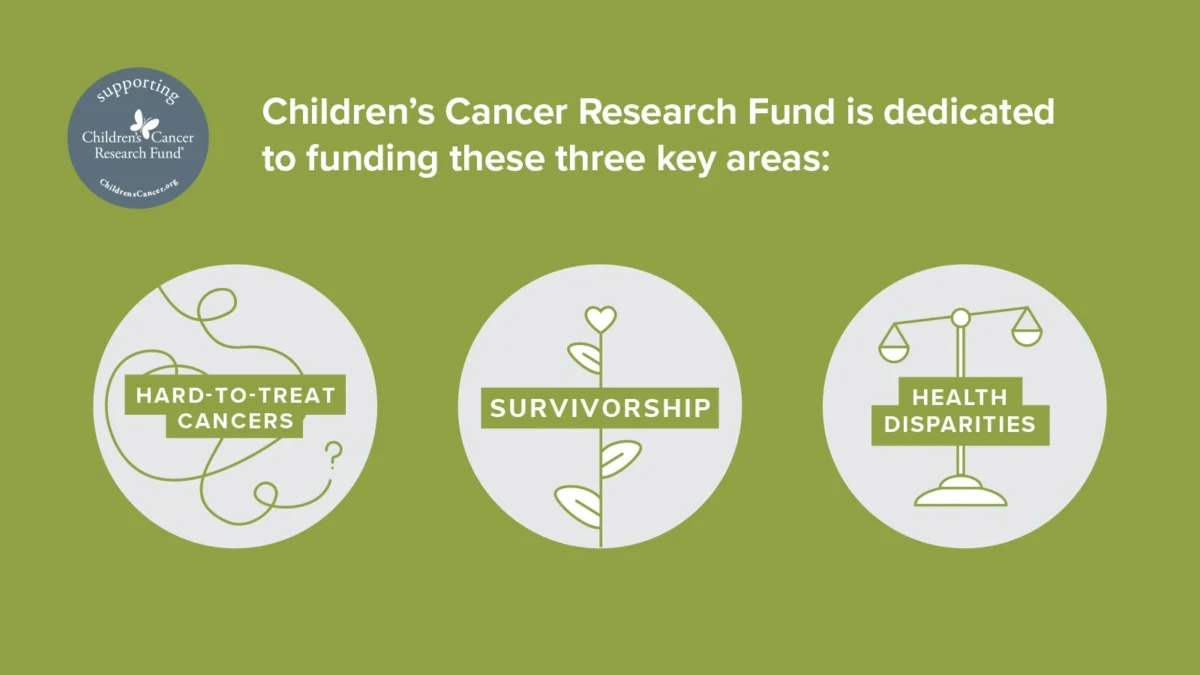
The landscape of pediatric cancer research is currently facing a dual-pronged crisis characterized by a dramatic surge in scientific innovation and a simultaneous contraction of reliable federal funding. As the fiscal year 2025 begins, the Children’s Cancer Research Fund (CCRF) has reported a record-breaking 86% increase in research proposals across all funding categories, a statistic that underscores the increasing reliance of the scientific community on private philanthropic organizations. This unprecedented spike in applications reflects a broader trend within the medical community: as federal budget disruptions and shifting priorities at the National Institutes of Health (NIH) leave many projects unfunded, researchers are aggressively seeking alternative avenues to sustain their work.
The surge in interest is not confined to a single niche of oncology but is instead distributed across the most challenging sectors of the field. According to the latest data released by CCRF, the demand for support in "hard-to-treat" cancers, such as sarcomas and pediatric brain tumors, has risen by 88%. Similarly, applications for research into survivorship—the long-term health challenges faced by those who have beaten cancer—have nearly doubled, increasing by 93% compared to the previous year. This influx of "bold ideas" comes at a time when the "payline" for federal grants—the threshold at which a project is deemed high enough priority for government funding—remains prohibitively narrow, often excluding all but the most established institutional projects.
The Financial Landscape: Federal Disruption and the Shift to Private Support
The primary catalyst for this shift appears to be the ongoing volatility of federal research appropriations. While the National Cancer Institute (NCI) remains the largest single funder of cancer research in the world, its budget has frequently been subject to the whims of congressional "continuing resolutions" and inflationary pressures that erode the real-world value of grant awards. For pediatric oncology, which historically receives only about 4% of the NCI’s annual budget, the margin for error is razor-thin.
In recent years, the cost of laboratory supplies, specialized staffing, and advanced genomic sequencing technology has risen significantly. When federal funding stagnates or faces administrative delays, the momentum of critical clinical trials can stall. This has forced researchers at top-tier institutions, including St. Jude Children’s Research Hospital, the Children’s Hospital of Philadelphia, and various University-affiliated labs, to pivot toward private non-profits like CCRF to bridge the gap.
The 86% increase in proposals for 2025 is the highest in CCRF’s history, signaling that the "safety net" provided by private donors is now becoming the primary engine for early-stage innovation. In many cases, these private grants fund the "proof of concept" data that researchers need to eventually qualify for larger, multi-million dollar federal grants—a stage of research often referred to as the "Valley of Death" because of the difficulty in securing funding for unproven but promising theories.
Chronology of the 2025 Funding Cycle
The current surge in demand follows a structured, multi-stage application process designed to identify the most scientifically rigorous and impactful projects. The 2025 cycle began with the submission of Letters of Intent (LOIs), which serve as brief summaries of proposed research.
- Initial Submission (LOI Phase): Throughout the late months of the previous year and into early 2025, CCRF saw a deluge of LOIs. In the "Hard-to-Treat Cancers" category alone, 130 separate projects were submitted for consideration.
- Peer Review Process: Each LOI was subjected to a rigorous peer-review process involving multiple scientific experts. These experts evaluate the projects based on scientific merit, feasibility, and alignment with current gaps in pediatric oncology knowledge.
- The Invitation Phase: Following the review, only a fraction of the applicants were invited to submit full, detailed proposals. In the hard-to-treat category, only 35 of the 130 applicants (approximately 27%) were invited to move forward.
- Final Selection and Funding: As of mid-2025, the final selection process is underway, with the total number of funded projects directly tied to the availability of donor-contributed capital.
This timeline illustrates a bottleneck in the research pipeline. While the scientific community has more "bold ideas" than ever before, the infrastructure to fund them has not kept pace with the volume of high-quality submissions.
Categorical Breakdown: Where the Need is Greatest
The data provided by CCRF reveals specific areas of pediatric oncology where the funding gap is most acute. These categories represent the front lines of the battle against childhood disease.
Hard-to-Treat Cancers: Sarcomas and Brain Tumors
The 88% jump in LOIs for hard-to-treat cancers highlights a desperate need for new therapeutic modalities. Unlike some forms of childhood leukemia, which now have survival rates exceeding 90%, certain sarcomas and high-grade gliomas (brain tumors) have seen little improvement in outcomes over the last several decades. Researchers are currently exploring immunotherapy, targeted gene editing, and novel drug delivery systems that can cross the blood-brain barrier. However, with only 35 full proposals invited out of 130 submissions, nearly 100 potentially life-saving projects in this category alone may remain on the shelf this year.
Survivorship: The Long-Term Cost of Cure
One of the most significant shifts in pediatric oncology is the recognition that "cured" does not mean "healthy." As more children survive cancer, the medical community is seeing a rise in "late effects," including heart failure, secondary cancers, infertility, and chronic mental health issues caused by the toxicity of standard treatments like radiation and high-dose chemotherapy. The 93% increase in survivorship applications indicates a massive push by researchers to develop "gentler" treatments and better monitoring protocols. Only 19 full proposals were invited to the next step in this category, leaving a vast majority of survivorship research unfunded.
Health Disparities: Addressing the Equity Gap
CCRF reported a 64% increase in applications focused on health disparities. This research examines why certain demographic groups—based on race, socioeconomic status, or geographic location—experience worse outcomes for the same types of cancer. Factors include lack of access to specialized clinical trials, genetic variations that affect drug metabolism, and the "financial toxicity" that prevents families from completing treatment protocols. Out of the surge of applications, only 9 proposals were invited to submit full plans, representing one of the most underserved areas of the current research cycle.
Official Responses and Scientific Implications
While official statements from federal agencies regarding this specific surge are rare, the broader scientific community has expressed concern over the "brain drain" that occurs when research goes unfunded. Dr. Robert Vonderheide, a leading oncology researcher, has previously noted that when young investigators cannot secure funding, they often leave academia for the private pharmaceutical sector, where research is driven by profitability rather than the specific needs of rare pediatric diseases.
"Behind every proposal is a researcher ready to change the future," CCRF noted in its briefing. The implication of the current data is that for every project that moves to the lab, three or four others—many of which may hold the key to a breakthrough—are delayed or abandoned. This represents a significant loss of "intellectual capital" in the fight against childhood cancer.
The scientific experts conducting the peer reviews have indicated that the quality of proposals in 2025 is exceptionally high. This suggests that the projects being turned away are not failing due to a lack of scientific rigor, but simply due to a lack of liquid capital. In a professional journalistic context, this is viewed as an "efficiency gap" in the medical research economy: the labor and expertise are available, but the financial fuel is insufficient.
Broader Impact: The Role of Philanthropy in 2025 and Beyond
The implications of this funding shortfall extend far beyond the laboratory. For the approximately 15,000 children diagnosed with cancer in the United States each year, these research projects represent their only hope for a "lifeline." When a proposal for a new clinical trial goes unfunded, it means that a child who has exhausted all standard-of-care options may have no further avenues for treatment.
Furthermore, the surge in survivorship research highlights a growing public health challenge. If the medical community cannot fund research into heart health and fertility for survivors, the long-term economic burden on the healthcare system will increase as these survivors age and require intensive care for chronic conditions.
The current situation also underscores the changing role of the donor. In previous decades, private giving was often seen as "extra" or "supplemental" to government grants. In 2025, the data suggests that private giving has become "foundational." Without the intervention of monthly donors, fundraisers, and one-time gifts, the 86% increase in research interest would be met with a total standstill in many critical sub-fields of oncology.
Conclusion: A Turning Point for Pediatric Research
The 2025 data from the Children’s Cancer Research Fund serves as a barometer for the state of pediatric medicine. It reveals a scientific community that is more energized and innovative than ever, yet increasingly hamstrung by a volatile funding environment. The 86% increase in proposals is a testament to the "bold ideas" currently circulating in the nation’s labs, but the fact that only a fraction of these ideas can move forward serves as a stark reminder of the limitations of the current system.
As researchers continue to step up to address sarcomas, brain tumors, and health disparities, the trajectory of childhood cancer survival will increasingly depend on the ability of non-governmental organizations to fill the void left by federal disruption. The transition from a proposed idea to a lab-tested therapy, and ultimately to a life-saving clinical trial, remains a precarious journey—one that is currently being defined by a significant and growing gap between scientific potential and available resources.
