
 By George Ongkojoyo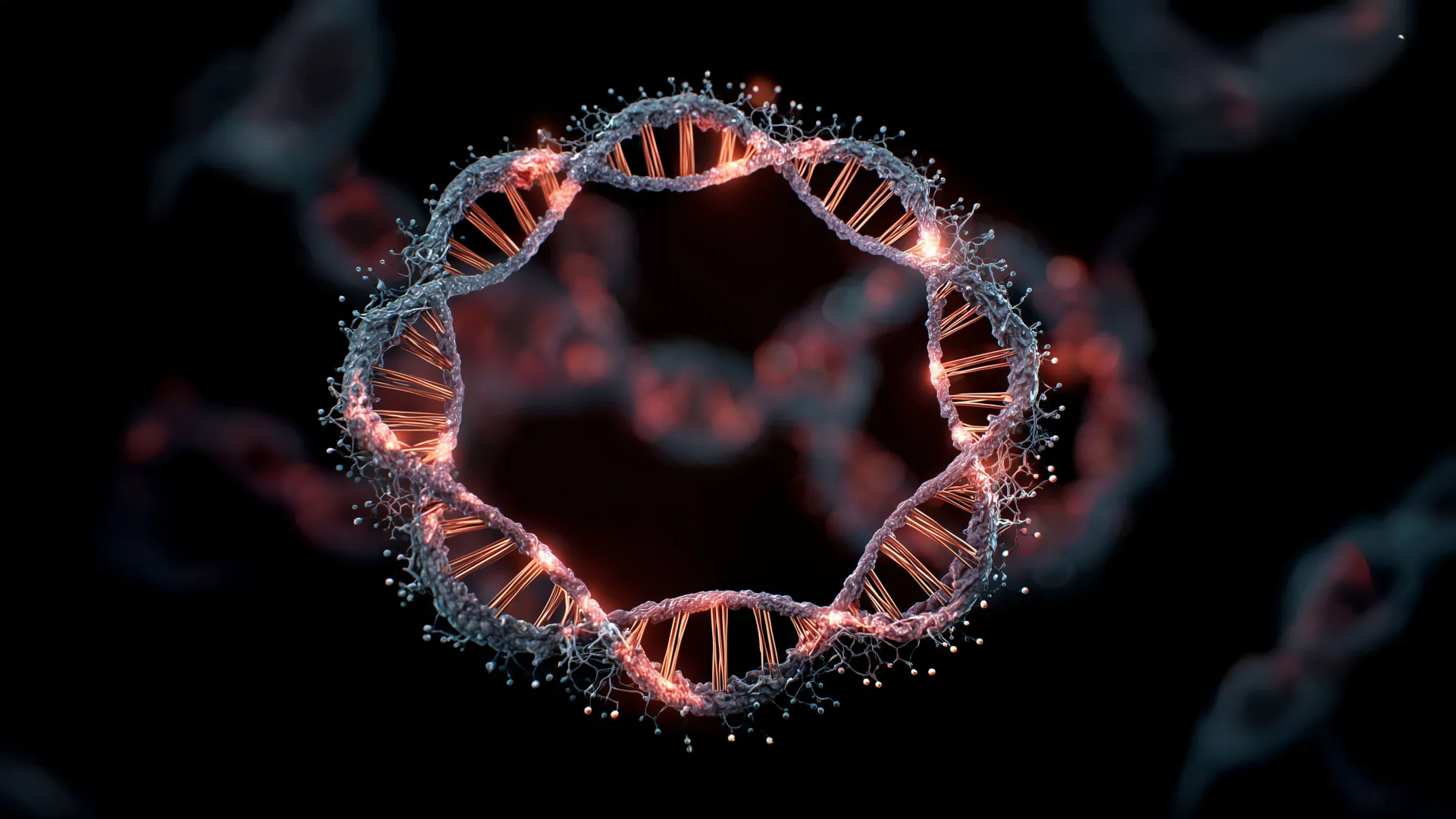
An international consortium of researchers has unveiled a transformative discovery in the field of neuro-oncology, identifying that circular fragments of DNA existing outside of traditional chromosomes—known as extrachromosomal DNA or ecDNA—are primary drivers of glioblastoma, the most aggressive and prevalent form of brain cancer in adults. The study, published in the journal Cancer Discovery on September 8, provides the first evidence that these "rogue" genetic rings appear during the very earliest stages of tumor development, sometimes even before a physical tumor has fully manifested. This revelation shifts the scientific understanding of glioblastoma from a disease of late-stage genetic chaos to one where the foundations for malignancy are laid much earlier than previously suspected, potentially opening a critical window for early diagnosis and therapeutic intervention.
The Biological Mechanism of Extrachromosomal DNA
To understand the significance of this discovery, it is essential to distinguish ecDNA from the standard genomic architecture. In a healthy human cell, DNA is organized into 23 pairs of linear chromosomes housed within the nucleus. However, in many types of cancer, small segments of DNA break away from these linear strands and form circular loops. Because these loops lack centromeres—the "anchors" that ensure DNA is distributed evenly during cell division—they are inherited randomly by daughter cells.
This non-Mendelian inheritance allows for a phenomenon known as "massive gene amplification." One daughter cell might receive a disproportionately high number of these rings, each carrying potent oncogenes (cancer-promoting genes). As cells divide, those with the highest number of ecDNA rings gain a significant survival advantage, leading to rapid tumor growth and an extraordinary ability to adapt to environmental stressors, including chemotherapy and radiation. In glioblastoma, where treatment resistance is the norm rather than the exception, ecDNA appears to be the engine driving this evolutionary resilience.
Reconstructing the Evolutionary History of Glioblastoma
The research was a collaborative effort involving Dr. Benjamin Werner of Queen Mary University of London, Professor Paul Mischel of Stanford University, and Professor Charlie Swanton of The Francis Crick Institute. The team operates under the banner of "eDyNAmiC," a $25 million international project funded by Cancer Grand Challenges—an initiative established by Cancer Research UK and the National Cancer Institute in the United States.
To uncover the origins of these DNA rings, the researchers employed a methodology they likened to "genomic archaeology." Rather than analyzing a single biopsy from a patient’s tumor, the team took multiple samples from various geographical sites within the same tumor. By integrating this multi-region genomic data with advanced imaging and computational modeling, they were able to simulate millions of evolutionary scenarios.
This "archaeological" excavation allowed the team to look back in time and determine the chronological order of genetic mutations. Their findings were startling: the ecDNA rings were not a late-stage byproduct of a crumbling genome but were among the very first events in the cancer’s timeline. In several instances, the computational models indicated that ecDNA was present in cells that appeared otherwise normal, suggesting that these rings act as the "first spark" that ignites the transition from a pre-cancerous state to a full-blown malignancy.
The Role of EGFR and the Emergence of Aggressive Variants
A central focus of the study was the EGFR (Epidermal Growth Factor Receptor) gene, a well-known driver of cell proliferation. The analysis revealed that in the majority of glioblastoma cases studied, the EGFR gene was located on these ecDNA rings. By existing on a circular, mobile platform rather than a fixed chromosome, the EGFR gene could be amplified to extreme levels, saturating the cell with growth signals.
Furthermore, the researchers tracked the evolution of these rings as the disease progressed. They found that once the initial EGFR ecDNA was established, it frequently underwent secondary mutations. One of the most significant was the emergence of the EGFRvIII variant—a mutated version of the receptor that is constitutively active, meaning it stays "switched on" regardless of external signals. This variant is a hallmark of highly aggressive glioblastoma and is notoriously resistant to standard therapies. The study showed that the transition from simple EGFR amplification to the more complex EGFRvIII variant occurs rapidly, fueled by the inherent instability of the ecDNA rings.
Statistical Context and the Urgency for New Solutions
The discovery arrives at a time when the clinical outlook for glioblastoma remains bleak. Currently, the median survival for patients diagnosed with glioblastoma is approximately 14 to 16 months, with a five-year survival rate of less than 7%. These statistics have seen little improvement over the last three decades, despite advancements in surgical techniques and radiotherapy.
One of the primary reasons for this stagnation is that glioblastoma is usually diagnosed only after neurological symptoms—such as seizures, cognitive decline, or motor impairment—manifest, at which point the tumor is already highly evolved and genetically diverse. The eDyNAmiC team’s findings suggest that if the presence of EGFR ecDNA can be detected before these symptoms arise, or at least before the emergence of the EGFRvIII variant, the clinical outcome could be significantly altered.
A New Window for Early Detection: The Liquid Biopsy
Dr. Magnus Haughey, a postdoctoral researcher at Queen Mary University of London and one of the paper’s lead authors, emphasized the "window of opportunity" revealed by the research. Because ecDNA is found in high concentrations within tumor cells and can sometimes be shed into the bloodstream or cerebrospinal fluid, it serves as an ideal biomarker for "liquid biopsies."
A liquid biopsy is a non-invasive blood test that looks for fragments of tumor DNA. If a reliable test can be developed to identify EGFR-carrying ecDNA rings in the blood, clinicians could potentially screen high-risk individuals or detect a recurrence months before it would be visible on an MRI scan. This would allow for the administration of targeted therapies at a time when the tumor is less heterogeneous and more susceptible to treatment.
Perspectives from the Research Leadership
The implications of the study have been echoed by leaders across the global scientific community. Professor Charlie Swanton, Chief Clinician at Cancer Research UK, noted that the study reframes ecDNA as a "powerful driver" rather than a "passenger" in the disease’s progression. He expressed hope that this understanding would lead to a "new era" in how the medical community tracks and treats devastating brain cancers.
Professor Paul Mischel of Stanford Medicine highlighted that while ecDNA has been observed in various stages of different cancers, its role as a very early event in glioblastoma is particularly actionable. "The findings here show that in glioblastoma, there is an early event driven by ecDNA that could potentially be more actionable," Mischel stated, suggesting that the "rules" of glioblastoma development are finally being decoded.
Dr. David Scott, Director of Cancer Grand Challenges, praised the interdisciplinary nature of the work. The eDyNAmiC team includes not only oncologists and biologists but also mathematicians and computer scientists. This diversity of expertise was essential for creating the complex simulations required to map the spatial and temporal evolution of the tumors. "It’s a powerful reminder that when we bring together diverse disciplines and global talent, we can begin to solve the toughest problems facing cancer research," Scott said.
Broader Implications and Future Research
While this study focused on glioblastoma, ecDNA is known to be present in nearly 30% of all human cancers, including many pediatric cancers and difficult-to-treat solid tumors like lung and esophageal cancer. The findings in glioblastoma provide a blueprint for investigating how ecDNA might drive the early stages of these other diseases as well.
The next phase for the eDyNAmiC consortium involves studying how current treatments, such as the chemotherapy drug temozolomide, influence the behavior of ecDNA. There is evidence to suggest that some treatments may inadvertently "select" for cells with higher ecDNA counts, essentially pruning the tumor and allowing the most resistant cells to flourish. Understanding this dynamic is crucial for developing "combination therapies" that can target the ecDNA directly while simultaneously attacking the primary tumor mass.
Furthermore, the team is looking into the biological mechanisms that allow ecDNA to form in the first place. If the "molecular glue" or the specific cellular stress triggers that cause DNA to break and circularize can be identified, researchers might be able to develop drugs that prevent the formation of ecDNA rings altogether, effectively stopping the cancer before it begins its rapid evolutionary climb.
Conclusion
The discovery that rogue rings of DNA drive glioblastoma from its earliest inception represents a paradigm shift in oncology. By identifying ecDNA as the primary engine of growth and adaptability in the brain’s most lethal tumor, the research team has provided a new target for the next generation of diagnostics and therapeutics. While the path to a cure remains long, the ability to "excavate" a tumor’s past has provided a much-needed map for the future of glioblastoma treatment, moving the field closer to a reality where early intervention can turn a terminal diagnosis into a manageable condition.
