
 By Suherman Candra Maholtra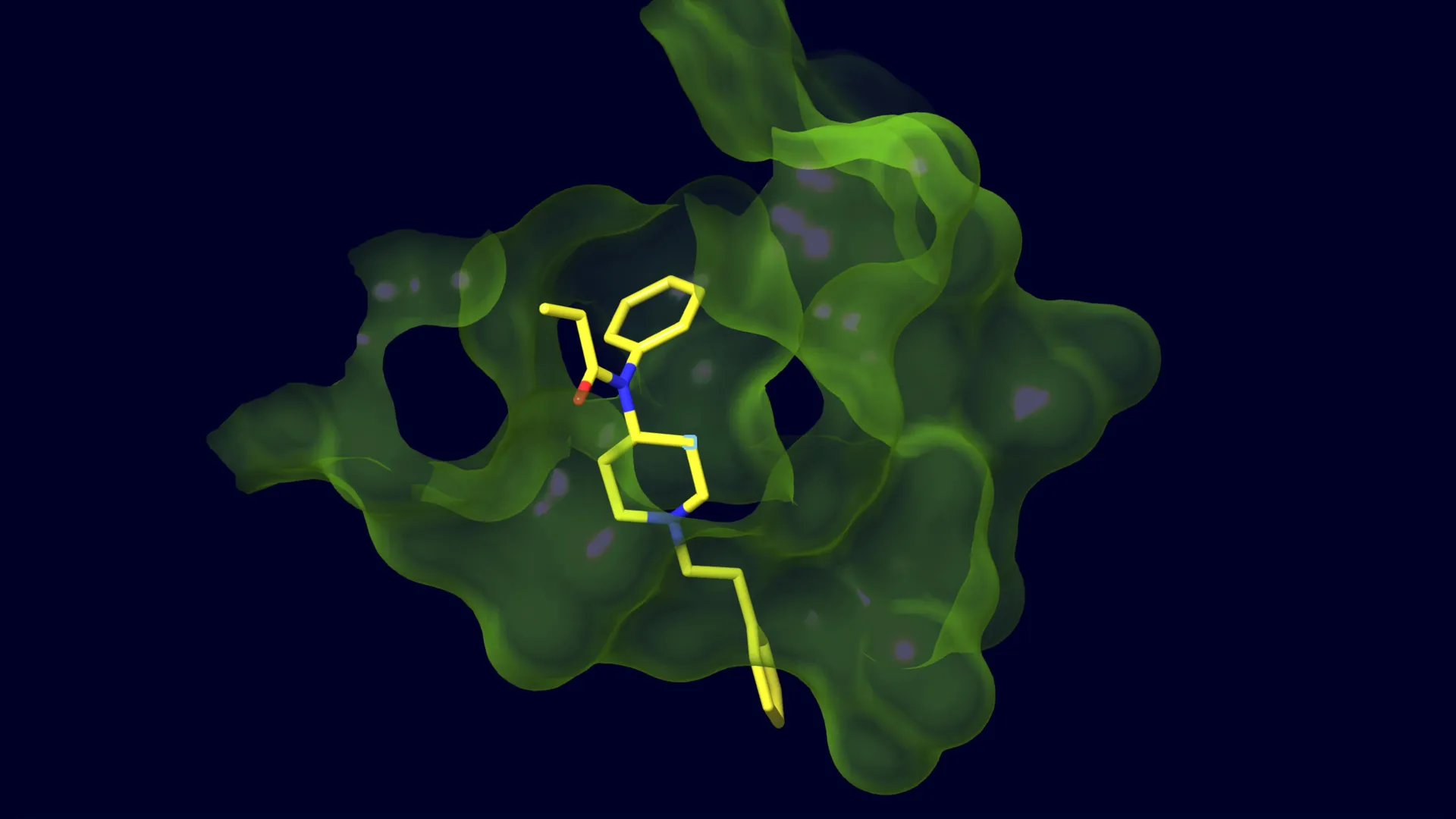
The opioid epidemic continues to undergo a harrowing transformation as synthetic opioids, led by fentanyl, solidify their position as the leading cause of accidental death in the United States. According to the Centers for Disease Control and Prevention (CDC), synthetic opioids are now responsible for more annual fatalities than motor vehicle accidents and firearm-related incidents combined. In high doses, these substances penetrate the central nervous system with devastating speed, disrupting the brain’s respiratory centers and suppressing the autonomic signals that command the body to breathe. While emergency interventions like naloxone (Narcan) can reverse an overdose, their efficacy is strictly time-dependent and requires the presence of a bystander or first responder.
In a departure from traditional reactive treatments, researchers at Scripps Research have unveiled a proactive strategy that could redefine the landscape of addiction medicine. A team led by Kim Janda, PhD, has developed an experimental vaccine designed to prevent fentanyl and its various analogs from ever reaching the brain. Published in the Journal of Medicinal Chemistry, the study reveals a breakthrough in "immunopharmacotherapy"—the use of the immune system to neutralize drugs of abuse before they can exert psychoactive or lethal effects.
The Evolution of the Synthetic Opioid Crisis
To understand the significance of the Scripps Research breakthrough, one must consider the sheer scale of the fentanyl crisis. Fentanyl is a synthetic opioid that is 50 times more potent than heroin and 100 times more potent than morphine. Its low production cost and high potency have made it the additive of choice for illicit drug cartels, who often lace it into cocaine, methamphetamine, and counterfeit prescription pills.
The crisis has entered a "fourth wave," characterized by the rise of "designer drugs" or fentanyl analogs. These are chemically modified versions of the parent molecule—such as carfentanil, which is roughly 100 times more potent than fentanyl itself—designed to evade legal detection and circumvent existing drug schedules. Because the chemical structure changes slightly with each new variant, law enforcement and medical professionals often find themselves in a perpetual game of "cat and mouse," struggling to identify and treat exposures to substances that did not exist months prior.
The economic and social toll is staggering. Estimates from the Joint Economic Committee of Congress suggest the opioid epidemic costs the U.S. economy over $1.5 trillion annually, accounting for healthcare expenses, lost productivity, and the costs associated with the criminal justice system.
A Radically Different Vaccine Architecture
For decades, the Janda Laboratory at Scripps Research has pioneered the development of vaccines for substance use disorders. Previous iterations focused on heroin and nicotine, utilizing a "hapten" approach—a method where a small molecule resembling the target drug is attached to a larger carrier protein to trigger an immune response.
However, fentanyl presented a unique set of challenges. Because the drug is highly regulated, obtaining and working with it for vaccine development is a complex bureaucratic process. Furthermore, traditional vaccines are often too specific; a vaccine designed to recognize the exact structure of fentanyl might be useless against a slightly modified designer variant like acetylfentanyl.
"The way the fentanyl landscape is evolving, the black-market drug makers are constantly coming up with new versions to skirt regulations and avoid detection in standard screenings," says Kim Janda, the Ely R. Callaway, Jr. Professor of Chemistry at Scripps Research. "We need countermeasures that are going to work against all these future variants at once, not just one at a time."
The team’s new approach utilized what they describe as a "radically reconfigured molecular architecture." Instead of using a molecule that mimicked fentanyl’s precise structure, they experimented with a compound that shared certain chemical characteristics but possessed a fundamentally different core. The hypothesis was that by presenting the immune system with a more generalized "template," the resulting antibodies would recognize the broader molecular signature common to the entire fentanyl class.
Experimental Methodology and Data Analysis
The study, titled "Redefining Drug Immune Recognition: A Radically Reconfigured Molecular Architecture Enables Broad Fentanyl-Class Protection," involved a series of rigorous animal trials. Researchers attached their unconventional molecule to a carrier protein and administered four doses to mice over an eight-week period.
The results challenged conventional immunological wisdom. The vaccinated mice produced high titers of antibodies that exhibited broad cross-reactivity. These antibodies did not just bind to fentanyl; they successfully identified and neutralized several of the most dangerous analogs currently circulating in the illicit market, including:
- Carfentanil: A large-animal sedative so potent it is considered a chemical weapon threat.
- China White (α-methylfentanyl): A potent and well-known illicit variant.
- Acetylfentanyl and Furanylfentanyl: Common designer variants found in overdose clusters across the Midwest and Northeast.
Quantitatively, the vaccine demonstrated remarkable efficacy. In mice challenged with lethal doses of fentanyl, those that had been vaccinated showed a 70% reduction in the amount of the drug that successfully crossed the blood-brain barrier compared to the control group. Furthermore, the vaccinated mice maintained near-normal respiratory rates, whereas the unvaccinated mice experienced the profound respiratory depression typical of a fatal overdose.
Crucially, the vaccine demonstrated high selectivity. The antibodies did not bind to other opioids used in legitimate medical settings, such as morphine, oxycodone, remifentanil, or alfentanil. This ensures that if a vaccinated individual were to require emergency surgery or pain management in a hospital setting, traditional medical opioids would still function as intended.
Chronology of Development and Collaborative Efforts
The development of this vaccine is the culmination of over five years of focused research into synthetic opioid haptens.
- 2017-2018: The Janda lab successfully demonstrated a heroin vaccine in non-human primates, proving the viability of the "immuno-sequestration" concept.
- 2020-2021: As fentanyl deaths surged during the COVID-19 pandemic, the focus shifted toward broad-spectrum protection. The team began identifying "conserved" chemical features across the fentanyl family.
- 2023: The team finalized the "radically reconfigured" molecule and began the mouse trials that led to the current publication.
The research was a collaborative effort involving several key scientists at Scripps Research, including first author Arran Stewart, Lisa Eubanks, Bin Zhou, and Rachel Steinhardt. The work was funded by the Shadek Family Foundation, highlighting the role of private philanthropy in addressing public health crises that are often underfunded by traditional pharmaceutical avenues due to the perceived lack of profitability in addiction treatments.
Broader Impact and the Path to Human Trials
The implications of a broad-spectrum fentanyl vaccine are profound for both public health and national security. While the vaccine is not a "cure" for addiction—it does not stop the craving for drugs—it acts as a critical safety net.
For individuals in recovery, the vaccine could prevent a single "slip" or relapse from becoming a fatal event. Because the antibodies remain in the system for months, the vaccine provides a continuous layer of protection that does not rely on daily compliance, unlike methadone or buprenorphine.
Furthermore, the vaccine holds potential for high-risk professionals. First responders, police officers, and even military personnel are at risk of accidental exposure to ultra-potent analogs like carfentanil. A vaccine could serve as a prophylactic measure, much like those given for infectious diseases.
"What this research shows us is that we don’t have to keep playing catch-up with every new synthetic designer drug that emerges," Janda notes. "By training the immune system to recognize the entire fentanyl class—not just individual structures—we can stay ahead of illicit drug traffickers."
Analysis of Future Challenges
Despite the promising data, the transition from animal models to human clinical trials involves significant hurdles. The FDA requires extensive safety profiling to ensure that the vaccine does not cause autoimmune issues or interfere with the body’s natural endorphin system.
There is also the question of "immunological longevity." Researchers must determine how long the protection lasts in humans and how frequently "booster" shots would be required to maintain effective antibody levels. Additionally, because the vaccine blocks the "high" of the drug, there is a theoretical risk that some users might attempt to override the vaccine by taking massive doses of other, non-fentanyl-related drugs, a phenomenon known as "surmounting."
However, the Scripps team remains optimistic. The ability to design a vaccine that recognizes an entire class of drugs represents a paradigm shift in how science approaches the chemical evolution of the black market.
The public health potential is significant, not only for the current fentanyl crisis but as a blueprint for future synthetic drug epidemics. By moving away from drug-specific vaccines toward class-wide protection, the scientific community is finally developing tools that move at the speed of the crisis itself. As the study concludes, the focus now shifts toward securing the necessary partnerships and funding to move this experimental platform into Phase I clinical trials, offering a glimmer of hope in a struggle that has claimed hundreds of thousands of American lives.
