
 By Lina carolina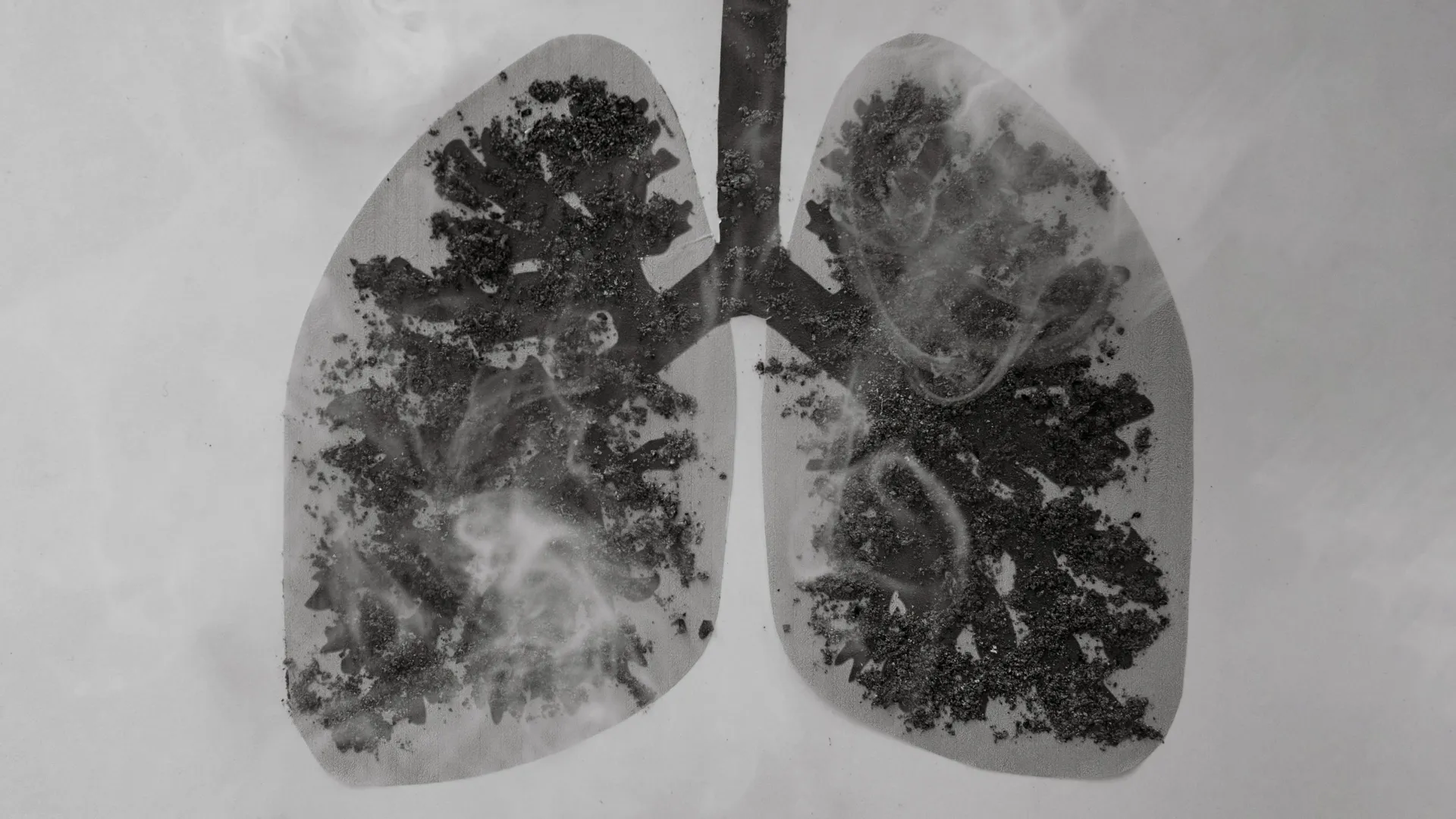
Cells meticulously collected from the lungs of individuals diagnosed with chronic obstructive pulmonary disease (COPD) exhibit a significantly greater accumulation of soot-like carbon deposits when contrasted with cells harvested from individuals who smoke but have not developed COPD. This groundbreaking discovery, published on June 10 in the esteemed journal ERJ Open Research, sheds new light on the intricate pathological processes underlying this debilitating respiratory condition. The carbon particles, a ubiquitous environmental pollutant, can infiltrate the delicate lung tissues through various pathways, including cigarette smoke, exhaust fumes from diesel engines, and general air pollution.
The cells under scrutiny in this research are known as alveolar macrophages. These vital immune sentinels are the lungs’ frontline defense, tasked with engulfing and neutralizing foreign particles, including bacteria and environmental debris, that breach the lung’s protective barriers. However, the findings of this new study indicate a disturbing transformation in these crucial cells when exposed to carbon. Researchers observed that in the presence of carbon, alveolar macrophages not only increase in size but also actively promote inflammatory responses within the lung environment. This suggests a crucial shift in their function, from protective guardians to contributors to disease progression.
Unraveling the Role of Carbon in COPD Pathogenesis
The research initiative was spearheaded by Dr. James Baker and Dr. Simon Lea, esteemed scientists affiliated with the University of Manchester in the United Kingdom. Dr. Baker articulated the complexity of COPD, highlighting its multifactorial etiology, which encompasses both environmental and genetic predispositions. "COPD is a complex disease that has a number of environmental and genetic risk factors," Dr. Baker stated. "One factor is exposure to carbon from smoking or breathing polluted air."
The primary motivation behind this investigation, as explained by Dr. Baker, was to elucidate the specific consequences of carbon accumulation within alveolar macrophages in COPD patients. "We wanted to study what happens in the lungs of COPD patients when this carbon builds up in alveolar macrophage cells, as this may influence the cells’ ability to protect the lungs," he elaborated. The researchers hypothesized that an increased burden of carbon might compromise the macrophages’ protective capabilities and contribute to the characteristic inflammation and tissue damage seen in COPD.
Methodology and Key Findings
To conduct their investigation, the research team meticulously sourced lung tissue samples obtained from surgical procedures performed for suspected lung cancer. Crucially, the study focused on tissue samples that were confirmed to be free of cancerous cells. This ensured that the observed cellular changes were attributable to the lung condition itself rather than malignancy. A total of 28 individuals diagnosed with COPD and 15 individuals who were regular smokers but did not have a COPD diagnosis provided the lung tissue samples for analysis. This carefully selected cohort allowed for a direct comparison between individuals with and without COPD, while controlling for the significant risk factor of smoking.
The microscopic examination of these samples centered on the alveolar macrophage cells. Researchers systematically measured two key parameters: the physical size of the macrophages and the quantity of carbon particles sequestered within these cells. The results of this meticulous analysis revealed a stark disparity. On average, alveolar macrophage cells derived from COPD patients contained more than three times the amount of accumulated carbon compared to those from individuals who smoked but had no COPD. Furthermore, the study observed a consistent correlation: cells that visibly contained carbon were invariably larger than their counterparts devoid of such deposits. This suggests that carbon accumulation directly influences the cellular morphology of alveolar macrophages.
Carbon Load and Lung Function: A Direct Correlation
The implications of this increased carbon burden extend beyond cellular morphology. The study established a significant link between the extent of carbon accumulation in alveolar macrophages and the severity of lung dysfunction. Patients exhibiting larger deposits of carbon within their macrophages demonstrated poorer lung function, as quantified by the Forced Expiratory Volume in one second percentage (FEV1%). FEV1% is a critical spirometric measure that assesses how much air a person can forcefully exhale in one second, serving as a key indicator of airway obstruction and overall respiratory health. A lower FEV1% value signifies more compromised lung function, a hallmark of progressive COPD.
To further validate these findings and explore the mechanistic underpinnings, the researchers replicated the exposure to carbon particles in a controlled laboratory setting. When macrophages were experimentally exposed to carbon particles, they exhibited a marked increase in size, mirroring the observations in patient samples. More significantly, these carbon-laden macrophages were found to secrete higher levels of pro-inflammatory proteins. These proteins are known mediators of inflammation, a central pathological process in COPD that leads to airway narrowing, mucus hypersecretion, and the destruction of lung tissue.
Rethinking the Source and Role of Carbon
Dr. Simon Lea emphasized the crucial distinction drawn by their research: "As we compared cells from COPD patients with cells from smokers, we can see that this build-up of carbon is not a direct result of cigarette smoking. Instead, we show alveolar macrophages in COPD patients contain more carbon and are inherently different in terms of their form and function compared to those in smokers." This statement is pivotal, suggesting that while smoking is a primary driver of COPD, the increased carbon burden in COPD patients might stem from factors beyond direct smoking, or that individuals with COPD have a compromised ability to deal with inhaled carbon.
The study’s findings open up several compelling avenues for future research. Dr. Lea posed an intriguing question regarding the precise cause of the elevated carbon levels in COPD patients’ macrophages. "Our research raises an interesting question as to the cause of the increased levels of carbon in COPD patients’ macrophages," he remarked. "It could be that people with COPD are less able to clear the carbon they breathe in. It could also be that people exposed to more particulate matter are accumulating this carbon and developing COPD as a result." This dual hypothesis suggests either a deficit in the body’s natural clearance mechanisms for inhaled pollutants in COPD patients, or that prolonged exposure to higher concentrations of particulate matter is a direct contributor to the development of COPD.
Looking ahead, the researchers are keen to explore the temporal dynamics of this phenomenon. "In future, it would be interesting to study how this carbon builds up and how lung cells respond over a longer period of time," Dr. Lea added, underscoring the need for longitudinal studies to fully comprehend the long-term consequences of carbon accumulation.
Expert Commentary and Broader Implications
Professor Fabio Ricciardolo, Chair of the European Respiratory Society’s group on monitoring airway disease, who was not involved in the study, provided an expert perspective on the significance of these findings. "This set of experiments suggest that people with COPD accumulate unusually large amounts of carbon in the cells of their lungs," Professor Ricciardolo stated. "This build-up seems to be altering those cells, potentially causing inflammation in the lungs and leading to worse lung function." His endorsement highlights the robust nature of the study and its direct relevance to understanding COPD pathology.
Professor Ricciardolo further elaborated on the study’s contribution to the ongoing discourse surrounding environmental factors and lung health. "In addition, this research offers some clues about why polluted air might cause or worsen COPD," he observed. "However, we know that smoking and air pollution are risk factors for COPD and other lung conditions, so we need to reduce levels of pollution in the air we breathe and we need to help people to quit smoking." This call to action underscores the dual imperative of tackling both individual lifestyle choices and broader environmental challenges to mitigate the global burden of COPD.
The Environmental Context of COPD
The accumulation of carbon particles in the lungs is not an isolated phenomenon but rather a reflection of increasing global air pollution. According to the World Health Organization (WHO), outdoor air pollution is estimated to cause 4.2 million premature deaths worldwide each year, with a significant proportion attributed to respiratory diseases like COPD. The primary sources of these fine particulate matters (PM2.5), which are small enough to penetrate deep into the lungs, include emissions from vehicles, industrial activities, and the burning of fossil fuels and biomass.
The timeline of increasing COPD prevalence often parallels the industrialization and urbanization of societies, leading to higher levels of airborne pollutants. While smoking has historically been identified as the leading cause of COPD, accounting for approximately 80-90% of cases, a growing body of evidence points to the significant role of environmental exposures, particularly in non-smokers and in geographical regions with high levels of air pollution. This new research from the University of Manchester provides a tangible biological mechanism by which these environmental pollutants may contribute to the disease.
Future Directions and Public Health Imperatives
The implications of this research are far-reaching. Firstly, it could pave the way for novel diagnostic tools or biomarkers that assess carbon load in alveolar macrophages, potentially aiding in earlier and more accurate COPD diagnosis. Secondly, it may inform the development of therapeutic strategies aimed at enhancing the lungs’ ability to clear carbon particles or mitigating the inflammatory responses triggered by their accumulation. Interventions targeting macrophage function or inflammation pathways could become central to future COPD management.
Furthermore, the study reinforces the urgent need for robust public health policies focused on reducing air pollution. This includes stricter emission standards for vehicles and industries, promotion of cleaner energy sources, and improved urban planning to minimize exposure to polluted air. Simultaneously, continued efforts to support smoking cessation remain paramount, as smoking is a synergistic risk factor that exacerbates the damaging effects of other environmental exposures.
The University of Manchester’s findings represent a significant step forward in understanding the complex interplay between environmental pollutants and respiratory health. By highlighting the detrimental role of carbon accumulation in alveolar macrophages, this research not only deepens our knowledge of COPD pathogenesis but also underscores the critical importance of addressing both individual behaviors and societal environmental challenges to combat this widespread and debilitating disease. The study’s publication in ERJ Open Research signifies its contribution to the scientific community’s ongoing efforts to unravel the mysteries of lung disease and improve patient outcomes worldwide.
