
 By Hendra Lukman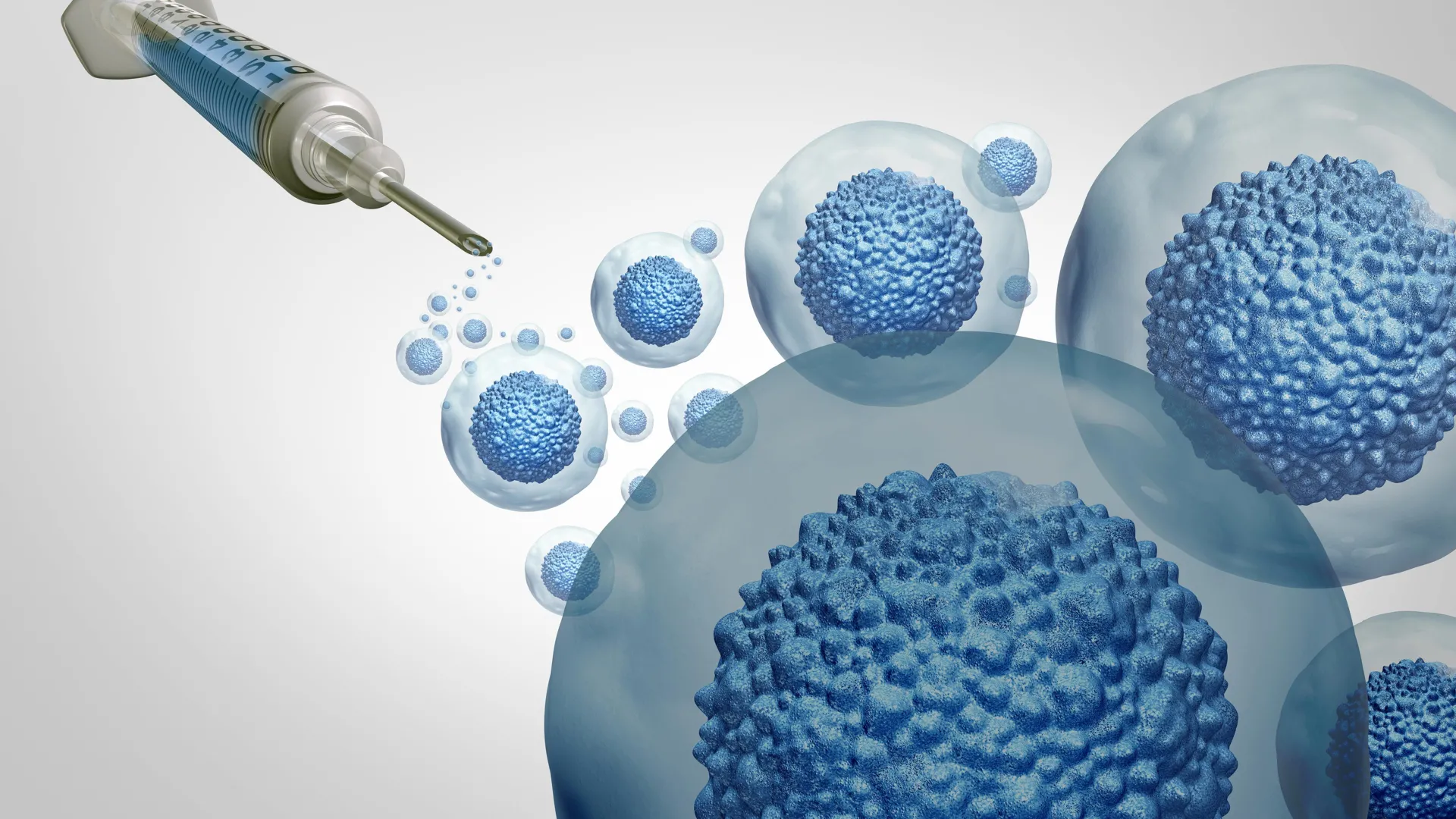
A groundbreaking advancement in stem cell transplantation is poised to transform the treatment landscape for patients with rare genetic disorders, offering a less toxic alternative to traditional chemotherapy and radiation. Researchers at Stanford Medicine have successfully developed and tested a novel antibody therapy that can prepare patients for life-saving stem cell transplants without the debilitating side effects of conventional conditioning regimens. The promising results from a Phase 1 clinical trial, published in the prestigious journal Nature Medicine, have ignited hope for individuals battling conditions like Fanconi anemia, a severe inherited disease that previously made stem cell transplants exceptionally perilous.
This innovative approach, spearheaded by a dedicated team of scientists and clinicians, represents a significant departure from the established protocols that have been in use for decades. Historically, the process of eliminating a patient’s own unhealthy blood-forming stem cells to make way for a donor transplant has relied heavily on intense radiation or genotoxic chemotherapy. While effective in clearing the bone marrow, these treatments carry substantial risks, including secondary cancers, infertility, and severe organ damage, particularly for vulnerable pediatric populations. The Stanford team’s work aims to mitigate these risks, potentially broadening the eligibility and improving the outcomes for a wider range of patients requiring transplants.
The core of this breakthrough lies in the use of an antibody that targets a specific protein on blood-forming stem cells, effectively preparing the patient’s body for the new donor cells. This targeted approach allows for the removal of native stem cells without inflicting the widespread damage associated with radiation and chemotherapy. The implications of this research are far-reaching, suggesting a potential paradigm shift in transplant medicine and opening doors for individuals with other inherited bone marrow failure syndromes and even certain types of cancer.
The Challenge of Fanconi Anemia and Stem Cell Transplantation
Fanconi anemia (FA) is a rare, autosomal recessive genetic disorder characterized by progressive bone marrow failure, a predisposition to certain cancers, and congenital abnormalities. The underlying defect in FA lies in the body’s inability to properly repair DNA damage, which critically impacts the production of all blood cell types. By the age of 12, approximately 80% of children with FA develop bone marrow failure, leading to life-threatening bleeding and infections.
Stem cell transplantation, specifically bone marrow transplantation, has long been the only curative treatment for FA. However, the conditioning regimens required to eliminate the patient’s faulty stem cells have historically posed a grave threat. These regimens typically involve high-dose busulfan, a potent genotoxic chemotherapy agent, and often radiation therapy. For children with FA, whose bodies are already compromised and sensitive to DNA damage, these treatments can exacerbate existing health issues, lead to severe complications, and significantly increase the risk of developing secondary cancers later in life. This creates a critical "catch-22" situation: the treatment that saves lives also carries the potential for long-term harm.
"We were able to treat these really fragile patients with a new, innovative regimen that allowed us to reduce the toxicity of the stem cell transplant protocol," stated Agnieszka Czechowicz, MD, PhD, an assistant professor of pediatrics and co-senior author of the study. "Specifically, we could eliminate the use of radiation and genotoxic chemotherapy called busulfan, with exceptional outcomes." This sentiment underscores the profound impact of being able to bypass these historically damaging treatments.
The Antibody-Centric Approach: A Paradigm Shift
The cornerstone of Stanford’s innovative therapy is the use of briquilimab, an antibody that specifically targets CD117, also known as the stem cell factor receptor. This protein is abundantly expressed on the surface of hematopoietic stem cells (HSCs), the primitive cells responsible for generating all blood cell types. By binding to CD117, briquilimab flags these cells for destruction by the body’s immune system, effectively clearing the bone marrow without the systemic toxicity of radiation or chemotherapy.
This research builds upon decades of foundational work in stem cell biology at Stanford. Dr. Czechowicz’s own research journey began in 2004, as an undergraduate student working with the renowned Irving Weissman, MD. Their early investigations in mice demonstrated that blocking CD117 with antibodies could effectively eliminate stem cells without resorting to harsh conditioning agents. This crucial preclinical finding laid the groundwork for the development of a human-compatible antibody, a process that involved meticulous refinement and rigorous testing.
The clinical trial focused on three young patients diagnosed with Fanconi anemia, each with different genetic variants of the disorder. These children, all under the age of 10, received a single intravenous dose of briquilimab approximately 12 days before their scheduled stem cell transplant. Following the antibody infusion, they received standard immunosuppressive medications but crucially, no busulfan or radiation. This deliberate omission of traditional conditioning agents marks the most significant departure from conventional practice.
"The reason I am so excited about this trial is that it is a novel approach to help these patients, who are very vulnerable," explained Rajni Agarwal, MD, professor of pediatric stem cell transplantation and co-first author of the study. "If they don’t get a transplant in time, Fanconi anemia patients’ bodies eventually will not make blood, so they die of bleeding or infections." The urgency and fragility of these patients highlight the critical need for safer and more effective treatment modalities.
Addressing the Donor Match Challenge
Beyond revolutionizing the conditioning regimen, the Stanford team also addressed another significant hurdle in stem cell transplantation: the persistent challenge of finding fully matched donors. In many cases, patients face prolonged waiting periods or are unable to receive transplants due to the scarcity of compatible donors. It is estimated that in the past, up to 40% of patients could not proceed with a transplant due to this donor mismatch issue.
To overcome this obstacle, the researchers employed a sophisticated modification of the donor bone marrow. This process involves enriching the donated marrow for CD34+ cells, which are indeed the donor’s blood-forming stem cells, while simultaneously removing immune cells known as alpha/beta T-cells. The removal of these specific T-cells is critical, as they are the primary culprits behind graft-versus-host disease (GvHD), a potentially life-threatening complication where the donor’s immune system attacks the recipient’s body.
This innovative method, pioneered by Alice Bertaina, MD, PhD, enables safe and effective transplants from half-matched donors, including a parent. This dramatically expands the pool of potential donors, significantly improving the chances that any given patient requiring a transplant will be able to receive one in a timely manner. "We are expanding the donors for stem cell transplantation in a major way, so every patient who needs a transplant can get one," Dr. Agarwal emphasized.
A Child’s Triumphant Recovery: The Story of Ryder Baker
The profound impact of this new therapy is perhaps best illustrated by the story of Ryder Baker, an 11-year-old from Seguin, Texas, who was the first patient to receive the treatment. Ryder underwent his transplant at Lucile Packard Children’s Hospital Stanford in early 2022. His mother, Andrea Reiley, shared the stark contrast between his life before and after the procedure.
"He was so tired, he didn’t have stamina. It’s completely different now," Reiley recounted. She added that her son’s Fanconi anemia "doesn’t slow him down like it used to." This dramatic improvement in his energy levels and overall well-being is a testament to the success of the less toxic conditioning regimen. Ryder, now full of life, has not only completed fifth grade but is actively participating in sports, even earning an "Up and Coming Player" award from his school soccer team. His vibrant recovery underscores the potential for children to not just survive, but to truly thrive after a stem cell transplant.
While Ryder’s experience highlights the remarkable success of the treatment, Reiley also acknowledged the demanding nature of the transplant process itself. Ryder spent over a month in the hospital and experienced temporary side effects such as exhaustion, nausea, and hair loss. "It was heartbreaking to see him go through things like that — I’d rather go through it than my child," she shared, reflecting the deep emotional toll on families. "I felt the heartbreak for him, and now he doesn’t have to." The reduction in the severity of these post-transplant complications, thanks to the antibody therapy, is a crucial advancement for patient quality of life.
Promising Early Trial Results and Future Directions
The initial Phase 1 trial results are exceptionally encouraging. All three young patients with Fanconi anemia who received the antibody-based conditioning achieved successful engraftment of donor stem cells. Within two weeks of the transplant, the new stem cells had begun to take root in their bone marrow. Critically, none of the patients experienced graft rejection, a complication that can necessitate repeat transplants. By one month post-transplant, donor cells had nearly fully replaced their own native cells.
The research team had initially set a modest goal of achieving just 1% donor cell presence, a benchmark that would indicate successful engraftment. However, two years into follow-up, all three children demonstrated nearly 100% donor cell chimerism, meaning their bodies were almost entirely composed of cells derived from the donor. This level of engraftment significantly exceeds expectations and indicates a robust and durable restoration of healthy blood-forming capacity.
"We’ve been surprised by how well it’s worked," admitted Dr. Czechowicz. "We were optimistic that we would get here, but you never know when you’re trying a new regimen." This sentiment of cautious optimism, tempered by the remarkable success, reflects the pioneering nature of their work.
Expanding the Horizons: Beyond Fanconi Anemia
The success of this antibody therapy holds immense promise for a broader patient population. While stem cell transplants are most commonly associated with the treatment of blood cancers, where the bone marrow is infiltrated with malignant cells, the Stanford team believes their improved conditioning method can be expanded to patients with a wider array of diseases.
"Bone marrow or stem cell transplants are most commonly used in blood cancers, in which the bone marrow is full of malignant cells and patients have no other options," Dr. Czechowicz explained. "But as we’re making these transplants better and safer, we can expand them to more patients including those with many different diseases."
Stanford’s team is currently leading a Phase 2 clinical trial to evaluate the antibody approach in a larger cohort of children with Fanconi anemia. Furthermore, they are actively investigating its potential to benefit patients with other rare bone marrow failure disorders, such as Diamond-Blackfan anemia.
The research also holds significant implications for elderly cancer patients who may not be able to tolerate the rigors of traditional conditioning regimens. While most cancer patients will still require some level of chemotherapy or radiation to eradicate malignant cells, the antibody-based approach could potentially be used to reduce the intensity of conditioning for these vulnerable individuals, making transplantation a viable option where it was previously deemed too risky. "That population is often at a disadvantage," noted Dr. Agarwal. "It may provide us with a way to treat them with less intensity so it’s possible for them to get a transplant."
The researchers are also committed to developing next-generation antibody-based treatments to further refine outcomes and improve the safety and efficacy of transplants for Fanconi anemia and similar conditions. This ongoing commitment to innovation signifies a long-term vision for transforming transplant medicine.
A Collaborative Effort Fueled by Support
This significant scientific achievement is the result of extensive collaboration and dedicated support. The research team at Stanford Medicine included co-senior author Matthew Porteus, MD, PhD, and other key contributors such as Alice Bertaina, MD, PhD. The study also benefited from the expertise of researchers from institutions including the University of California, San Francisco; Kaiser Permanente Bernard J. Tyson School of Medicine; St. Jude Children’s Research Hospital; Memorial Sloan Kettering Cancer Center; and Jasper Therapeutics Inc.
Funding for this groundbreaking research was provided by anonymous donors, the California Institute of Regenerative Medicine, and the Fanconi Cancer Foundation. Jasper Therapeutics played a crucial role by providing the antibody briquilimab, and the Stanford Clinical Trial Program offered essential support for the study’s implementation. This collective effort highlights the power of interdisciplinary collaboration and sustained financial backing in driving medical innovation.
For families facing the daunting prospect of a stem cell transplant, the development of less toxic conditioning regimens offers a beacon of hope. "When I counsel families, their eyes start to shine as they think, ‘OK, we can avoid the radiation and chemo toxicity’," Dr. Agarwal expressed, capturing the profound relief and optimism this new approach can bring. The journey from preclinical discovery to clinical success has been long and arduous, but the early results suggest that Stanford Medicine’s antibody therapy is set to redefine the standard of care for stem cell transplantation, offering a safer, more accessible, and ultimately, life-changing option for patients in need.
