
 By Gabriel Paijo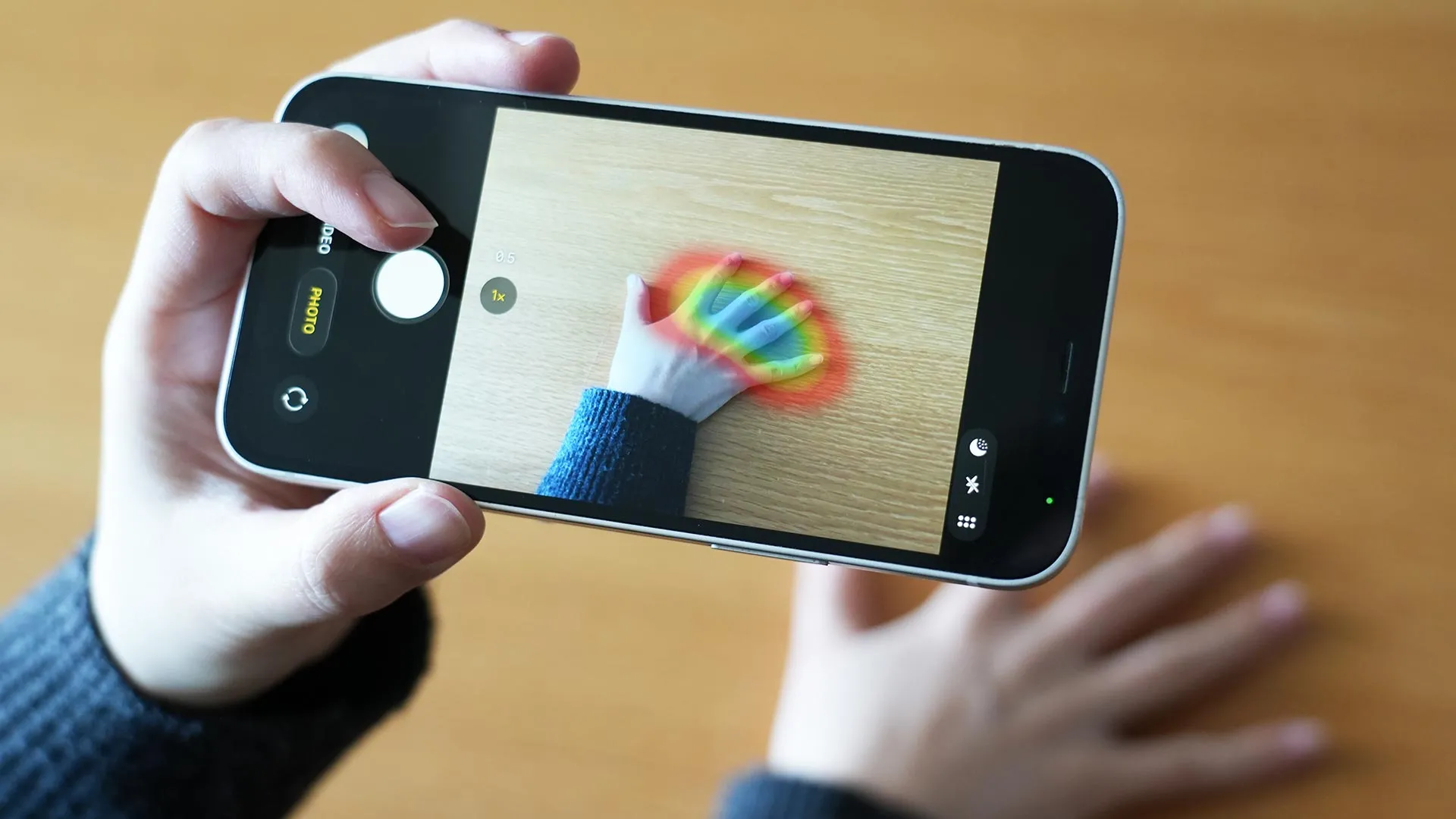
In a landmark development for medical technology and endocrinology, a multidisciplinary research team at Kobe University has successfully engineered an artificial intelligence (AI) system capable of identifying acromegaly, a rare and often debilitating endocrine disorder, by analyzing photographs of a patient’s hands. The breakthrough, published in the Journal of Clinical Endocrinology & Metabolism, represents a significant shift in diagnostic methodology by prioritizing patient privacy through the exclusion of facial recognition data. By focusing exclusively on the back of the hand and a clenched fist, the researchers have created a non-invasive screening tool that matches or exceeds the diagnostic accuracy of seasoned medical specialists, potentially shortening the decade-long diagnostic delay that currently plagues patients suffering from this condition.
The Clinical Challenge of Acromegaly
Acromegaly is a rare chronic condition typically triggered by a benign tumor on the pituitary gland, which results in the overproduction of growth hormone (GH). This hormonal surge stimulates the liver to produce insulin-like growth factor-1 (IGF-1), leading to the abnormal growth of various tissues and organs. While the disease most commonly manifests in middle-aged adults, its onset is insidious, with physical changes occurring so gradually that they often go unnoticed by the patients themselves, their families, and even primary care physicians.
The physical hallmarks of the disease include the enlargement of the hands and feet, coarsening of facial features, and the protrusion of the jaw. However, beyond these visible alterations, acromegaly poses severe internal health risks. If left untreated, the sustained elevation of growth hormones can lead to congestive heart failure, hypertension, sleep apnea, type 2 diabetes, and an increased risk of certain malignancies, such as colon polyps. Epidemiological data suggests that the mortality rate for untreated acromegaly patients is approximately two to three times higher than that of the general population, with life expectancy reduced by an average of ten years.
Despite the severity of these outcomes, the rarity of the disease—affecting approximately 60 people per million—means that many general practitioners may only encounter one or two cases in their entire careers. This lack of familiarity, combined with the slow progression of symptoms, results in a diagnostic lag that frequently spans seven to ten years from the onset of symptoms.
Methodology: A Privacy-First Approach to Deep Learning
The Kobe University project, led by endocrinologist Hidenori Fukuoka and graduate student Yuka Ohmachi, sought to leverage the power of deep learning to bridge this diagnostic gap. While previous attempts to use AI for acromegaly detection relied heavily on facial recognition—due to the distinctive "acromegalic face"—the team recognized that facial data presents significant ethical and privacy hurdles. In an era of heightened digital security and personal data protection, many patients are hesitant to provide facial imagery for medical databases.
To circumvent these concerns, the researchers turned their attention to the hands. In clinical practice, "spade-like" hands—characterized by widened palms and thickened fingers—are a primary diagnostic indicator of acromegaly. However, the team went a step further in their privacy considerations by excluding palm prints from their dataset. Because palm lines are as unique as fingerprints and can be used for biometric identification, the researchers focused solely on the dorsal (back) aspect of the hand and the appearance of a clenched fist.
The study’s scale was unprecedented for such a rare condition. The team collaborated with 15 medical institutions across Japan, including Fukuoka University, Nagoya University, and Hiroshima University. Over the course of the study, they amassed a dataset of 11,763 images from 725 participants, including both acromegaly patients and a control group. This robust dataset allowed the convolutional neural networks (CNNs) to learn the subtle morphological changes associated with the disease, such as soft tissue swelling and bone thickening in the knuckles and fingers.
Performance Data and Comparative Analysis
The results of the AI’s performance were categorized by high levels of sensitivity and specificity. In the context of medical screening, sensitivity refers to the system’s ability to correctly identify those with the disease (true positive rate), while specificity refers to its ability to correctly identify those without the disease (true negative rate).
The Kobe University AI demonstrated a diagnostic accuracy that surpassed the performance of human experts in a head-to-head comparison. When a group of experienced endocrinologists was asked to evaluate the same set of hand photographs, the AI consistently outperformed them in identifying confirmed cases of acromegaly. The researchers noted that the AI was able to detect minute structural anomalies in the clenched fist—where the skin and joints stretch—that are nearly imperceptible to the human eye.
"Frankly, I was surprised that the diagnostic accuracy reached such a high level using only photographs of the back of the hand and the clenched fist," remarked Yuka Ohmachi. The success of the model suggests that the AI is identifying patterns in tissue density and joint morphology that traditional clinical observation might overlook during a standard physical examination.
Chronology of the Research and Development
The development of this AI tool followed a rigorous multi-year timeline:
- Conceptualization (2020-2021): The research team identified the limitations of facial-recognition AI in clinical settings and hypothesized that hand morphology could provide a viable, privacy-compliant alternative.
- Data Acquisition Phase (2021-2022): A multi-center consortium was formed involving 15 Japanese hospitals. This phase involved the meticulous collection and labeling of thousands of images, ensuring a diverse range of disease stages were represented.
- Model Training and Refinement (2022-2023): Using deep learning architectures, the researchers trained the AI, specifically focusing on the dorsal hand and fist views. Iterative testing was conducted to minimize false positives.
- Validation and Peer Review (2023-2024): The AI’s results were validated against a control set and compared with the diagnostic success rates of human specialists. The findings were then submitted to and published in the Journal of Clinical Endocrinology & Metabolism.
Broader Implications for Global Healthcare
The implications of this technology extend far beyond the diagnosis of acromegaly. The researchers envision this AI as a foundational "entry point" for a new era of hand-based medical screening. By retraining the algorithms, similar systems could be developed to detect other conditions that manifest in the hands, such as:
- Rheumatoid Arthritis: Identifying early-stage joint inflammation and deviation.
- Anemia: Analyzing the pallor of the nail beds or skin.
- Finger Clubbing: Detecting signs of chronic lung disease or cardiovascular issues.
- Scleroderma: Monitoring skin thickening and vascular changes.
From a public health perspective, this tool holds the potential to democratize specialized medical expertise. In many rural or underserved areas, access to an endocrinologist is limited. A primary care physician or even a nurse practitioner could use a smartphone-based version of this AI to screen patients during routine check-ups. If the AI flags a high probability of acromegaly, the patient can be fast-tracked to a specialist for blood tests (measuring IGF-1 levels) and MRI imaging of the pituitary gland.
Furthermore, the integration of this technology into comprehensive health check-ups—a common practice in countries like Japan—could serve as a safety net for rare diseases. By identifying "suspected cases" before severe complications arise, the healthcare system could save significantly on the long-term costs associated with treating the secondary effects of acromegaly, such as heart surgery or chronic diabetes management.
Institutional Support and Future Directions
The success of the project was made possible through the collaborative efforts of a vast network of Japanese academic and medical institutions. In addition to Kobe University, significant contributions were made by researchers from Fukuoka University, Hyogo Medical University, Nagoya University, Hiroshima University, Toranomon Hospital, Nippon Medical School, Kagoshima University, Tottori University, Yamagata University, Okayama University, Hyogo Prefectural Kakogawa Medical Center, Hokkaido University, the International University of Health and Welfare, Moriyama Memorial Hospital, and Konan Women’s University.
Funding for the research was provided by the Hyogo Foundation for Science Technology, reflecting a regional commitment to advancing medical AI.
Looking forward, the Kobe University team is focused on transitioning the AI from a research setting into a practical clinical tool. This involves developing user-friendly interfaces for medical professionals and ensuring the software can operate across various smartphone and camera platforms without losing accuracy. As Hidenori Fukuoka emphasized, the goal is not to replace the physician but to "complement clinical expertise, reduce diagnostic oversight and enable earlier intervention."
In an era where medical systems are increasingly strained, the deployment of specialized AI screening tools offers a promising path toward more efficient, accurate, and private patient care. The Kobe University study stands as a testament to how innovative thinking—moving from the face to the hand—can solve both technical and ethical challenges in modern medicine.
