
 By Suherman Candra Maholtra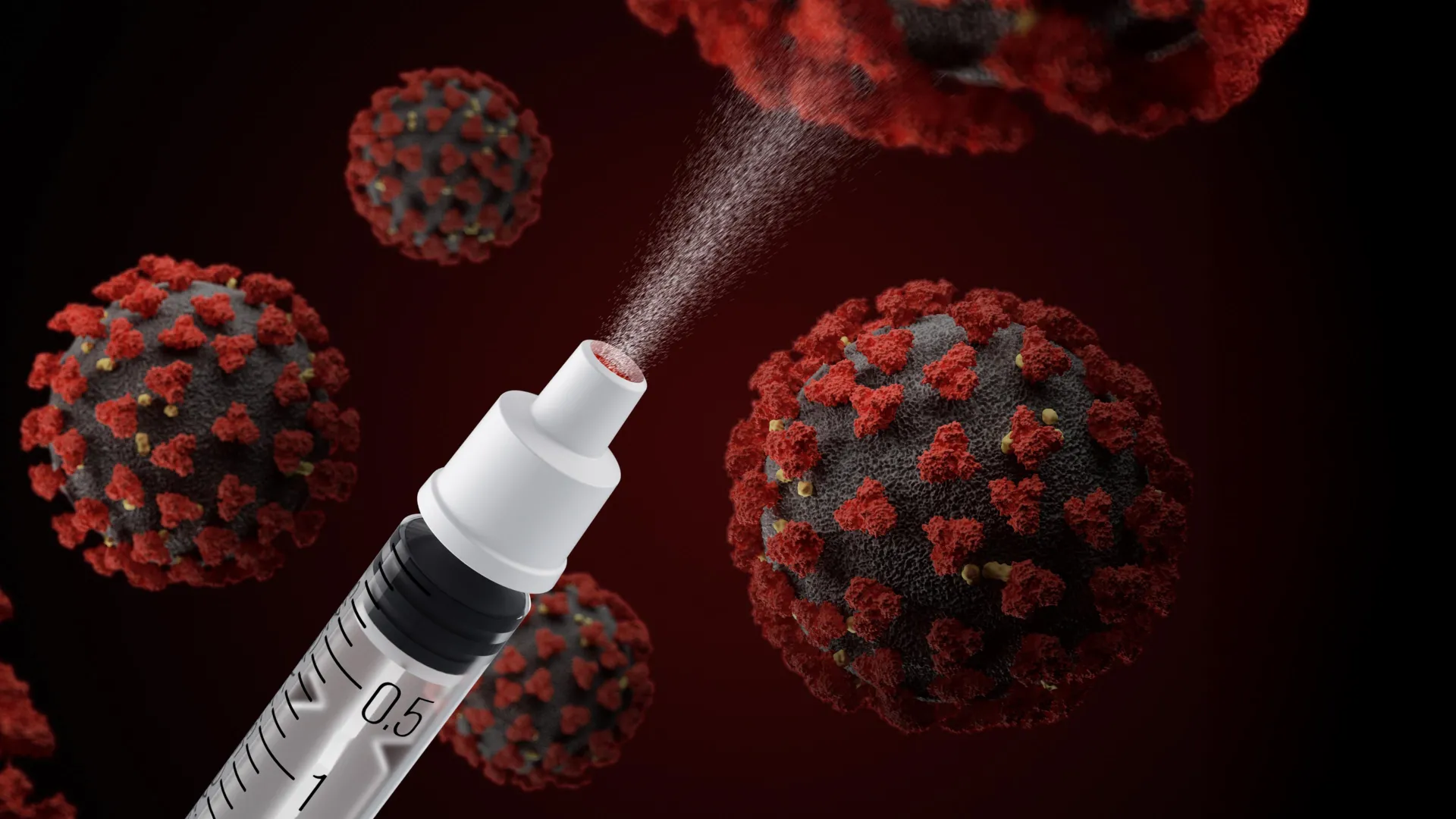
In a significant departure from the traditional methods of immunization that have defined the field of vaccinology for over two centuries, researchers at Stanford Medicine and their collaborative partners have announced the development of an experimental universal vaccine. This new approach, detailed in a study published on February 19 in the journal Science, demonstrates the potential to provide broad-spectrum protection against a diverse array of respiratory threats, including viruses such as SARS-CoV-2, antibiotic-resistant bacteria, and even common environmental allergens. Administered intranasally via a simple spray, the vaccine has shown the ability to maintain a high level of immune vigilance within the lungs for several months, marking a pivotal step toward the long-held scientific goal of a single, all-encompassing shield against respiratory illness.
The research, led by senior author Bali Pulendran, PhD, the Violetta L. Horton Professor II and a professor of microbiology and immunology at Stanford, suggests that the paradigm of "one pathogen, one vaccine" may soon be supplemented or replaced by a more versatile immunological strategy. The experimental formulation, currently designated as GLA-3M-052-LS+OVA, leverages a sophisticated understanding of the body’s innate and adaptive immune systems, coordinating them into a unified defense that is both rapid and enduring. If the results observed in mouse models can be replicated in human clinical trials, the medical community could be on the verge of a revolutionary tool capable of mitigating seasonal epidemics and providing an immediate buffer against future pandemic outbreaks.
The Evolution of Immunological Theory: Moving Beyond Specificity
For approximately 230 years, the fundamental principle of vaccination has remained largely unchanged. Since Edward Jenner’s pioneering work with cowpox to prevent smallpox in the late 18th century, vaccines have relied on the concept of antigen specificity. This process involves introducing a harmless piece of a specific pathogen—such as a protein or a weakened version of a virus—to the immune system. This "instructional" phase allows the adaptive immune system to create a memory of the specific threat, enabling it to recognize and neutralize the pathogen upon future exposure.
However, this traditional model faces a significant challenge: viral evolution. Many respiratory pathogens, particularly RNA viruses like influenza and coronaviruses, are characterized by high mutation rates. These mutations often alter the surface proteins, or antigens, that the immune system has been trained to recognize. When these "spots on the leopard" change, the effectiveness of previous vaccinations or natural immunity wanes, necessitating the constant development of updated boosters and annual flu shots. The Stanford team recognized that chasing these mutations is a reactive rather than a proactive strategy, leading them to explore a more "outrageous" possibility: a vaccine that protects against unrelated pathogens by fortifying the site of entry.
Mechanism of Action: Activating Integrated Immunity
The experimental vaccine developed by Pulendran’s team functions by mimicking the chemical communication signals that occur naturally during a severe infection. This approach bypasses the need for a specific pathogen-derived antigen to trigger protection. Instead, it focuses on the synergy between the two primary branches of the human immune system: the innate and the adaptive.
The innate immune system is the body’s first line of defense, deploying broad-acting cells like macrophages, neutrophils, and dendritic cells within minutes of detecting an intruder. While versatile, this system typically lacks memory and its activity usually subsides within a few days. The adaptive immune system, conversely, is highly specific and long-lasting, but it takes several days or weeks to mount a full response during a first-time encounter.
The Stanford-led study bridges this gap. By using a combination of synthetic molecules that stimulate Toll-like receptors (TLRs)—proteins that serve as "danger sensors" on the surface of immune cells—the vaccine keeps the innate immune system in a state of heightened "trained" readiness. The inclusion of a harmless protein, ovalbumin (OVA), serves as a lure to draw T cells into the lung tissue. Once there, these T cells secrete cytokines that provide a continuous "on" signal to the innate immune cells. This creates a state of "integrated immunity" where the lungs remain fortified against nearly any biological threat for an extended period.
Chronology of Discovery: From Observation to Synthetic Application
The path to this breakthrough began with observations of existing medical treatments. Researchers have long noted that the Bacillus Calmette-Guerin (BCG) vaccine, used globally to prevent tuberculosis in infants, appeared to offer "off-target" benefits, reducing mortality from unrelated respiratory infections. However, the biological mechanism behind this cross-protection remained elusive for decades.
In 2023, Pulendran’s laboratory published findings clarifying this phenomenon. They discovered that in mice, the BCG vaccine triggered a unique interaction where T cells remained in the lungs and provided the necessary stimuli to keep the innate immune system active for up to three months. This persistence was the key to broad-spectrum resistance.
Building on that discovery, the team spent the last two and a half years engineering a synthetic version of this effect. They sought to create a formulation that could replicate the benefits of the BCG vaccine without the complexities of using a live bacterial product. The result was the GLA-3M-052-LS+OVA nasal spray, which was then subjected to rigorous testing against a variety of pathogens to determine the limits of its protective capabilities.
Supporting Data: Efficacy Against Viruses, Bacteria, and Allergens
The experimental results published in Science provide a robust data set supporting the vaccine’s broad utility. In controlled trials involving mice, the researchers administered three doses of the nasal spray spaced one week apart. Following the regimen, the mice were exposed to lethal doses of various pathogens.
- Viral Resistance: Vaccinated mice showed a 700-fold reduction in viral loads in the lungs when exposed to SARS-CoV-2 and other coronaviruses compared to unvaccinated controls. While unvaccinated mice suffered severe weight loss and high mortality rates, the vaccinated group remained healthy with minimal lung inflammation. Furthermore, the vaccine accelerated the adaptive response, allowing the body to produce virus-specific antibodies and T cells in just three days, compared to the usual 14 days.
- Bacterial Defense: The protection extended to bacterial threats, which are structurally and biologically distinct from viruses. The study tested the vaccine against Staphylococcus aureus and Acinetobacter baumannii. The latter is a particularly concerning pathogen in clinical settings due to its high levels of antibiotic resistance. Vaccinated mice demonstrated significant resistance to these bacteria for approximately three months.
- Allergen Mitigation: Perhaps most surprisingly, the vaccine proved effective against non-infectious threats. When exposed to house dust mite proteins—a common trigger for allergic asthma—vaccinated mice showed a suppressed Th2 immune response. This resulted in significantly less mucus production and clearer airways compared to the control group, suggesting the vaccine could be a novel tool for managing chronic respiratory allergies.
Inferred Reactions and Expert Analysis
While the scientific community has reacted with cautious optimism, the implications of this study are being closely scrutinized by immunologists and public health officials. Dr. Haibo Zhang, the lead author and a postdoctoral scholar at Stanford, emphasized that the study demonstrates the feasibility of a "site-specific" defense strategy that does not rely on predicting which virus will circulate next.
Experts in the field note that if these results translate to humans, the vaccine could solve one of the greatest logistical hurdles in public health: vaccine hesitancy and "booster fatigue." By offering a single nasal spray that covers a wide spectrum of threats—from the common cold to hospital-acquired pneumonia—health providers could significantly increase the baseline level of community immunity. However, some researchers caution that mouse models do not always perfectly reflect the complexities of the human mucosal immune system, and the duration of the "heightened innate state" in humans remains a critical unknown variable that only clinical trials can resolve.
Future Implications and Clinical Outlook
The research team, which included contributors from Emory University, the University of North Carolina at Chapel Hill, Utah State University, and the University of Arizona, is now preparing for the transition to human studies. The immediate next step is a Phase I safety trial to ensure the synthetic TLR stimuli do not cause adverse inflammatory reactions in humans.
Professor Pulendran estimates that with consistent funding and successful trial phases, a universal respiratory vaccine could be commercially available within five to seven years. Such a timeline would place this technology at the forefront of the next generation of pandemic preparedness tools.
The broader impact of a universal vaccine extends beyond individual health. In an era of increasing antibiotic resistance and the persistent threat of zoonotic "spillover" events (where viruses jump from animals to humans), a vaccine that provides a generalized, immediate defense could buy precious time for scientists to develop specific treatments. Furthermore, the ability to mitigate allergic asthma through the same mechanism offers a secondary public health benefit that could improve the quality of life for millions of people worldwide.
"Imagine getting a nasal spray in the fall months that protects you from all respiratory viruses including COVID-19, influenza, respiratory syncytial virus and the common cold, as well as bacterial pneumonia and early spring allergens," Pulendran remarked. "That would transform medical practice." As the study moves toward human application, the scientific world remains focused on whether this "mythical" goal of a universal shield is finally within reach.
