
 By admin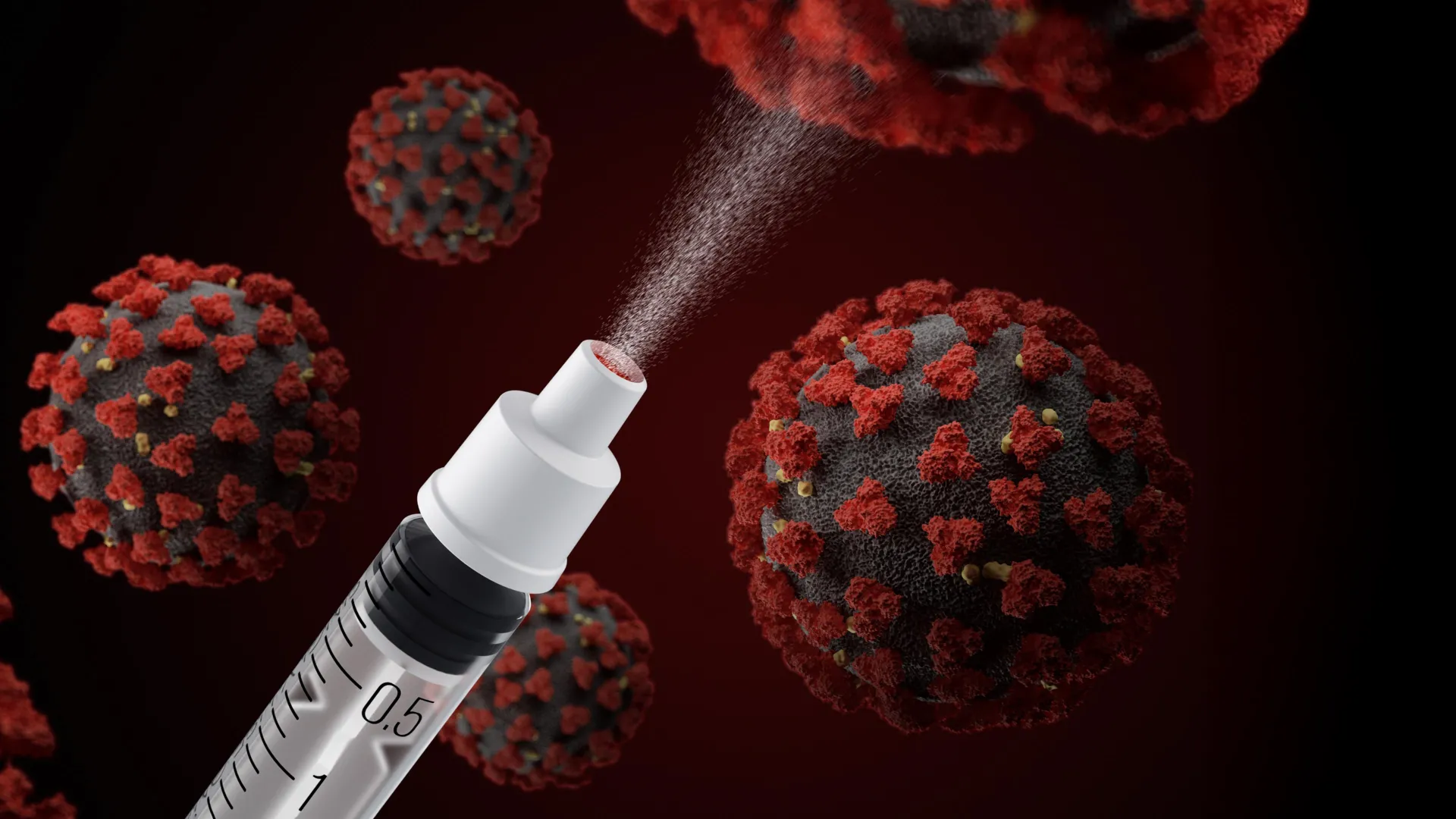
In a landmark study that could redefine the future of preventive medicine, researchers at Stanford Medicine and their international collaborators have announced the development of an experimental universal vaccine designed to protect against a vast spectrum of respiratory threats. Published on February 19 in the journal Science, the research details a breakthrough intranasal vaccine that provides broad-spectrum protection against various viruses, antibiotic-resistant bacteria, and common environmental allergens. The vaccine, administered as a simple nasal spray, has demonstrated the ability to provide high-level protection in the lungs for several months in animal models, marking a significant departure from the narrow, pathogen-specific focus that has dominated vaccinology for over two centuries.
The Paradigm Shift in Vaccine Development
For more than 230 years, the fundamental principle of vaccination has remained largely unchanged. Since Edward Jenner’s pioneering work with cowpox in 1796 to prevent smallpox, vaccines have relied on "antigen specificity." This traditional approach involves introducing a recognizable fragment of a specific pathogen—such as the spike protein of the SARS-CoV-2 virus or a weakened form of the influenza virus—to the immune system. This allows the body to create a "memory" of that specific threat, enabling a rapid response upon future exposure.
However, this traditional paradigm faces a growing challenge: rapid viral evolution. Many pathogens are highly adept at mutating their surface structures to evade detection. This phenomenon, often compared to a leopard changing its spots, is the primary reason why the world requires annual influenza shots and frequent COVID-19 boosters. When a virus alters its antigens, the specific antibodies generated by previous vaccinations may no longer recognize the threat, leaving the population vulnerable once again.
The Stanford team, led by senior author Bali Pulendran, PhD, the Violetta L. Horton Professor II and professor of microbiology and immunology, sought to bypass this limitation. Instead of targeting the ever-changing exterior of a virus, they focused on a strategy that activates the body’s innate defense mechanisms in a coordinated and sustained manner.
Mechanisms of Integrated Immunity
The experimental vaccine, currently designated as GLA-3M-052-LS+OVA, functions by mimicking the complex communication signals that immune cells naturally exchange during an active infection. By doing so, it bridges the two primary arms of the human immune system: innate and adaptive immunity.
The innate immune system is the body’s first line of defense, responding within minutes or hours to any perceived threat. It utilizes cells like macrophages, neutrophils, and dendritic cells to attack invaders indiscriminately. While powerful, this response is typically short-lived, usually fading within a few days. The adaptive immune system, conversely, is highly specific and long-lasting, producing T cells and antibodies tailored to a single pathogen. However, the adaptive system can take up to two weeks to fully mobilize during a first-time exposure.
The breakthrough in the Stanford study lies in its ability to keep the innate immune system "switched on" for an extended period. This was achieved by identifying the specific signals that T cells send to the lungs. In a 2023 study involving the Bacillus Calmette-Guerin (BCG) tuberculosis vaccine, Pulendran’s team discovered that certain T cells could be recruited to the lungs to provide signals—specifically cytokines that activate toll-like receptors (TLRs) on innate cells—that maintain an active defensive state for up to three months.
The new nasal vaccine replicates this process synthetically. It includes a combination of toll-like receptor stimuli and a harmless egg protein antigen (ovalbumin or OVA) that serves to draw T cells into the lung tissue, where they act as sentinels, keeping the innate immune system in a state of high alert.
Empirical Evidence and Data Analysis
In rigorous laboratory testing, the researchers administered the vaccine intranasally to mice. The results exceeded the team’s initial expectations across three distinct categories of respiratory threats:
1. Viral Resistance
Mice that received three doses of the vaccine spaced one week apart showed near-total protection against SARS-CoV-2 and other related coronaviruses for at least three months. While unvaccinated mice suffered from severe weight loss, extensive lung inflammation, and high mortality rates, the vaccinated cohort showed a 700-fold reduction in viral levels. Pulendran described this as a "double whammy" effect: the heightened innate response decimated the initial viral load, and any remaining virus was met by a rapid adaptive response that launched in just three days, compared to the usual 14-day window in unvaccinated subjects.
2. Bacterial Defense
The vaccine’s efficacy extended to bacterial pathogens, including Staphylococcus aureus and Acinetobacter baumannii. The latter is a particularly concerning pathogen in clinical settings, often classified as a "superbug" due to its multi-drug resistance and high mortality rates in hospital-acquired pneumonia cases. Vaccinated mice maintained protection against these bacteria for approximately 90 days, suggesting the vaccine could serve as a vital tool in combating antibiotic-resistant infections.
3. Allergen Mitigation
In a surprising expansion of the study, the researchers tested the vaccine against house dust mites, a primary cause of allergic asthma. Allergic reactions are typically driven by a Th2 immune response, which leads to mucus accumulation and airway constriction. The study found that vaccinated mice exhibited a significantly dampened Th2 response, maintaining clear airways and showing minimal signs of allergic distress compared to the control group.
Chronology of Research and Future Timeline
The journey toward this universal vaccine has been a multi-year endeavor. The foundational discovery occurred in early 2023 when the team clarified the cross-protective mechanism of the century-old BCG vaccine. By identifying how T cells could sustain innate immunity in mice, the team theorized that a synthetic version could be engineered.
"Fast forward two and a half years and we’ve shown that exactly what we had speculated is feasible in mice," Pulendran stated.
The roadmap for human application is now being established. The next phase involves a Phase I safety trial to ensure the formulation is well-tolerated in humans. If safety is established, Phase II and III trials will follow to measure efficacy in larger populations. Pulendran estimates that, provided there is adequate funding and regulatory support, a universal respiratory vaccine could be commercially available within five to seven years.
Implications for Public Health and Medical Practice
The potential implications of a successful universal nasal vaccine are profound. If the results observed in mice translate to humans, the medical community could see a dramatic shift in how seasonal and pandemic illnesses are managed.
Simplification of Vaccination Schedules: Instead of multiple annual shots for flu, COVID-19, and RSV, a single nasal spray administered in the autumn could provide a blanket of protection for the entire winter season. This would likely increase public compliance and reduce the logistical burden on healthcare systems.
Pandemic Preparedness: In the event of a "Disease X"—a new, unknown pathogen emerging—this vaccine could provide an immediate first line of defense. Because it does not rely on knowing the specific antigens of a new virus, it could be deployed to provide rapid protection while specific vaccines are being developed.
Combating the "Silent Pandemic" of AMR: With antimicrobial resistance (AMR) rising globally, a vaccine that protects against hospital-acquired bacterial infections like Acinetobacter baumannii could save thousands of lives and reduce the reliance on last-resort antibiotics.
Economic Impact: Respiratory illnesses account for billions of dollars in lost productivity and healthcare costs annually. A broad-spectrum preventative measure could significantly alleviate this economic strain.
Collaborative Effort and Funding
The study was a collaborative effort involving a prestigious group of institutions, including the Emory University School of Medicine, the University of North Carolina at Chapel Hill, Utah State University, and the University of Arizona. The lead author, Haibo Zhang, PhD, a postdoctoral scholar in Pulendran’s lab, worked alongside a diverse team of immunologists and microbiologists.
The research was supported by the National Institutes of Health (grant AI167966), alongside private endowments including the Violetta L. Horton Professor fund, the Soffer Fund, and Open Philanthropy.
As the scientific community moves toward human trials, the vision of a "mythical" universal vaccine moves closer to reality. "Imagine getting a nasal spray in the fall months that protects you from all respiratory viruses… as well as bacterial pneumonia and early spring allergens," Pulendran remarked. "That would transform medical practice."
 Suherman Candra Maholtra