
 By Gabriel Paijo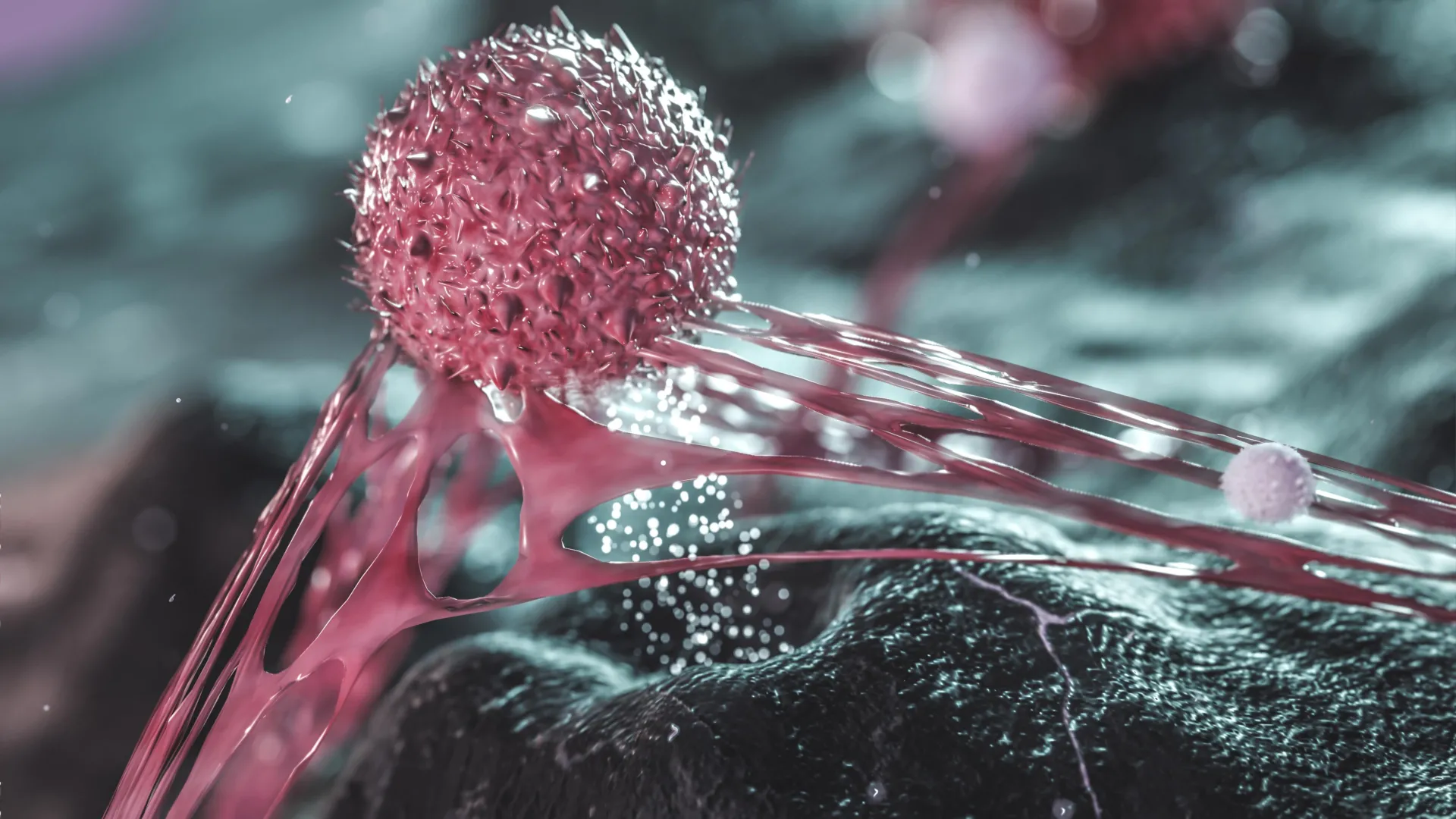
Researchers at The Wistar Institute have uncovered a significant and previously unrecognized biological mechanism linking fructose—a sugar prevalent in modern diets—to the metastatic progression of ovarian cancer. The study, published in the prestigious journal Nature Aging, details how cancer cells that survive initial chemotherapy treatments do not merely remain dormant; instead, they actively communicate with neighboring tumor cells to facilitate the spread of the disease. This discovery provides a new perspective on the recurrence of ovarian cancer, a condition that remains one of the most lethal malignancies affecting women worldwide. By identifying fructose as a primary chemical signal used by these surviving cells to trigger metastasis, the research team has opened new avenues for potential dietary interventions and therapeutic strategies to prevent cancer recurrence.
The Persistent Challenge of Ovarian Cancer Recurrence
Ovarian cancer is often referred to as a "silent killer" because it is frequently diagnosed at an advanced stage when the cancer has already begun to spread beyond the ovaries. In the United States alone, approximately 20,000 women are diagnosed with ovarian cancer each year, and it remains the leading cause of death from gynecologic cancers. The standard of care for these patients typically involves debulking surgery followed by platinum-based chemotherapy. While many patients show a strong initial response to this regimen—often achieving temporary remission—the long-term prognosis remains challenging.
Statistics indicate that the vast majority of patients with advanced ovarian cancer will experience a recurrence. When the cancer returns, it often presents as metastatic disease throughout the abdominal cavity, a process that accounts for nearly 90% of all deaths associated with the illness. For decades, the scientific community has struggled to understand why these tumors are so adept at returning after seemingly successful treatment. The Wistar Institute’s findings suggest that the answer may lie in the behavior of a small population of cells that survive chemotherapy. These cells, while no longer rapidly dividing, enter a state of high biological activity where they secrete molecules that "reprogram" the tumor microenvironment.
Deciphering the Fructose Signal: A New Paradigm in Cancer Metabolism
The research led by Katherine Aird, Ph.D., and first author Aidan Cole, Ph.D., focused on the "secretome"—the collection of molecules secreted by cells—of ovarian cancer cells that had survived exposure to chemotherapy. Traditionally, cancer research has focused on the genetic mutations that drive cell division. However, this study shifts the focus toward cancer metabolism and intercellular communication.
The researchers developed a sophisticated experimental model to isolate the substances released by chemotherapy-surviving cells. By exposing healthy or non-metastatic cancer cells to these secretions, they observed a dramatic increase in the cells’ ability to migrate and invade other tissues. "As far as we know, this is the first time anyone has shown, in a preclinical model rather than just a dish, that it’s the molecules these cells release—not the cells themselves—that drive the cancer’s spread," noted Dr. Cole.
Through rigorous analytical testing, the team identified fructose as the specific metabolic byproduct driving this change. While fructose is a naturally occurring sugar found in fruits, its presence in the human diet has exploded over the last half-century due to the ubiquity of high-fructose corn syrup (HFCS) in processed foods and sugar-sweetened beverages. The study found that surviving cancer cells essentially "hijack" fructose, using it not just as a fuel source, but as a sophisticated signaling molecule to instruct nearby cells to detach and spread.
The Biological Glue: Fructose, Cholesterol, and Cellular Adhesion
To understand how a simple sugar could fundamentally alter the behavior of a tumor, the Wistar team employed a CRISPR screen—a powerful gene-editing tool used to identify which genes are essential for a specific biological process. The screen revealed that when neighboring cancer cells are exposed to fructose, it triggers a metabolic shift that suppresses the internal production of cholesterol.
In the context of cellular biology, cholesterol serves a critical structural role beyond its well-known association with cardiovascular health. It acts as a component of the "biological glue" that keeps cells adhered to one another. High levels of cholesterol in the cell membrane help maintain tight junctions between cells, preventing them from breaking away. When fructose signals a reduction in cholesterol synthesis, these cellular bonds weaken.
This loss of adhesion is a hallmark of metastasis. Once the "glue" is compromised, cancer cells can easily detach from the primary tumor, enter the peritoneal fluid of the abdomen, and seed new tumors on the surfaces of other organs such as the liver, intestines, and diaphragm. This discovery explains the physical mechanism by which a dietary nutrient can directly influence the mechanical stability of a tumor.
Dietary Fructose and the Western Diet: A Modifiable Risk Factor
One of the most striking aspects of the study is the finding that high levels of dietary fructose—equivalent to the concentrations found in standard sugary sodas—could stimulate cancer spread even in the absence of chemotherapy. This suggests that the "Western diet," characterized by high intake of processed sugars, may create a physiological environment that is inherently more conducive to cancer progression.
In the United States, high-fructose corn syrup is a dominant sweetener, contributing to roughly 8% to 20% of the daily caloric intake for many individuals. Unlike genetic predispositions or environmental pollutants, sugar consumption is a modifiable risk factor. "Our study is among the first to show that a nutrient—in this case, fructose—can act as one of those signals," Dr. Cole stated. This raises the possibility that dietary management could become a formal component of post-chemotherapy care for ovarian cancer patients.
While the researchers have not yet conducted human clinical trials to determine if a low-fructose diet improves survival rates, the preclinical data is compelling. It suggests that reducing fructose intake could potentially "starve" the signaling pathway that chemotherapy-surviving cells use to trigger metastasis.
The Statin Paradox: Implications for Clinical Practice
The study also brings to light a complex clinical question regarding the use of statins. Statins are among the most widely prescribed medications in the world, used by approximately 39 million people in the U.S. to lower blood cholesterol and prevent heart disease. Because statins work by inhibiting the same cholesterol-production pathway that fructose suppresses, the researchers investigated whether these drugs might inadvertently mimic the effects of the fructose signal.
In laboratory models, the application of statins alone appeared to weaken the connections between cancer cells, facilitating their escape. This is particularly relevant for ovarian cancer patients, who are often postmenopausal and may already be taking statins for cardiovascular health.
However, Dr. Katherine Aird emphasized that these findings are preliminary and should not lead patients to discontinue their prescribed medications. "We haven’t tested this effect in patients yet, but it raises questions about combining cholesterol-lowering drugs with chemotherapy," Aird explained. The team is now looking into whether the timing of statin use or the specific type of statin could influence these outcomes, as the relationship between cholesterol and cancer is notoriously complex and varies across different types of malignancies.
Broader Implications for Other Torso-Based Cancers
While the primary focus of the Wistar Institute study was ovarian cancer, the researchers believe the fructose-signaling mechanism may not be unique to this disease. There is a strong possibility that other cancers that originate or spread within the abdominal cavity—such as pancreatic, colon, and liver cancers—may utilize similar pathways.
"We think other cancers that spread within the torso… could behave similarly," said Dr. Aird. "We can’t call it universal yet, but we think the effects are not just limited to ovarian cancer."
The team has already initiated follow-up studies to explore this hypothesis in other cancer types. If the fructose-cholesterol-metastasis axis is found to be a common feature of abdominal cancers, it could lead to a paradigm shift in how oncologists approach metabolic health and nutrition across a broad spectrum of oncology.
Future Directions and Research Support
The study was a massive collaborative effort involving researchers from several prominent institutions, including the University of Pittsburgh School of Medicine, the Lewis Katz School of Medicine at Temple University, the H. Lee Moffitt Cancer Center, and the University of Colorado. This multi-institutional approach underscores the complexity of the research, which integrated proteomics, metabolomics, and genetic screening.
The work was supported by numerous grants from the National Institutes of Health (NIH), the American Cancer Society, and the Ovarian Cancer Research Alliance, among others. These funding bodies recognize the urgent need for a deeper understanding of cancer recurrence.
As the research moves forward, the next logical step involves clinical observation. Researchers will likely look at retrospective data from cancer registries to see if there is a correlation between dietary sugar intake, statin use, and recurrence rates in ovarian cancer patients. Ultimately, prospective clinical trials will be necessary to determine if specific dietary restrictions or metabolic drugs can effectively block the fructose signal and keep the "biological glue" of tumors intact.
Conclusion: A New Frontier in Oncology
The Wistar Institute’s discovery marks a significant milestone in our understanding of how cancer survives and thrives. By identifying fructose as a key mediator of metastasis, the study bridges the gap between nutrition and molecular oncology. It highlights that the fight against cancer does not end when the last round of chemotherapy is administered; rather, the biological environment of the surviving cells remains a critical battlefield.
For patients and clinicians, the study serves as a reminder that the tumor microenvironment is highly sensitive to systemic metabolic factors. While more research is needed to translate these findings into specific dietary guidelines, the evidence suggests that what a patient eats—and the medications they take for other conditions—may play a decisive role in the long-term management of aggressive cancers. As science continues to unravel the intricate communications between cancer cells, the hope is that these insights will lead to more durable remissions and a significant reduction in the mortality associated with metastatic disease.
