
 By Hendra Lukman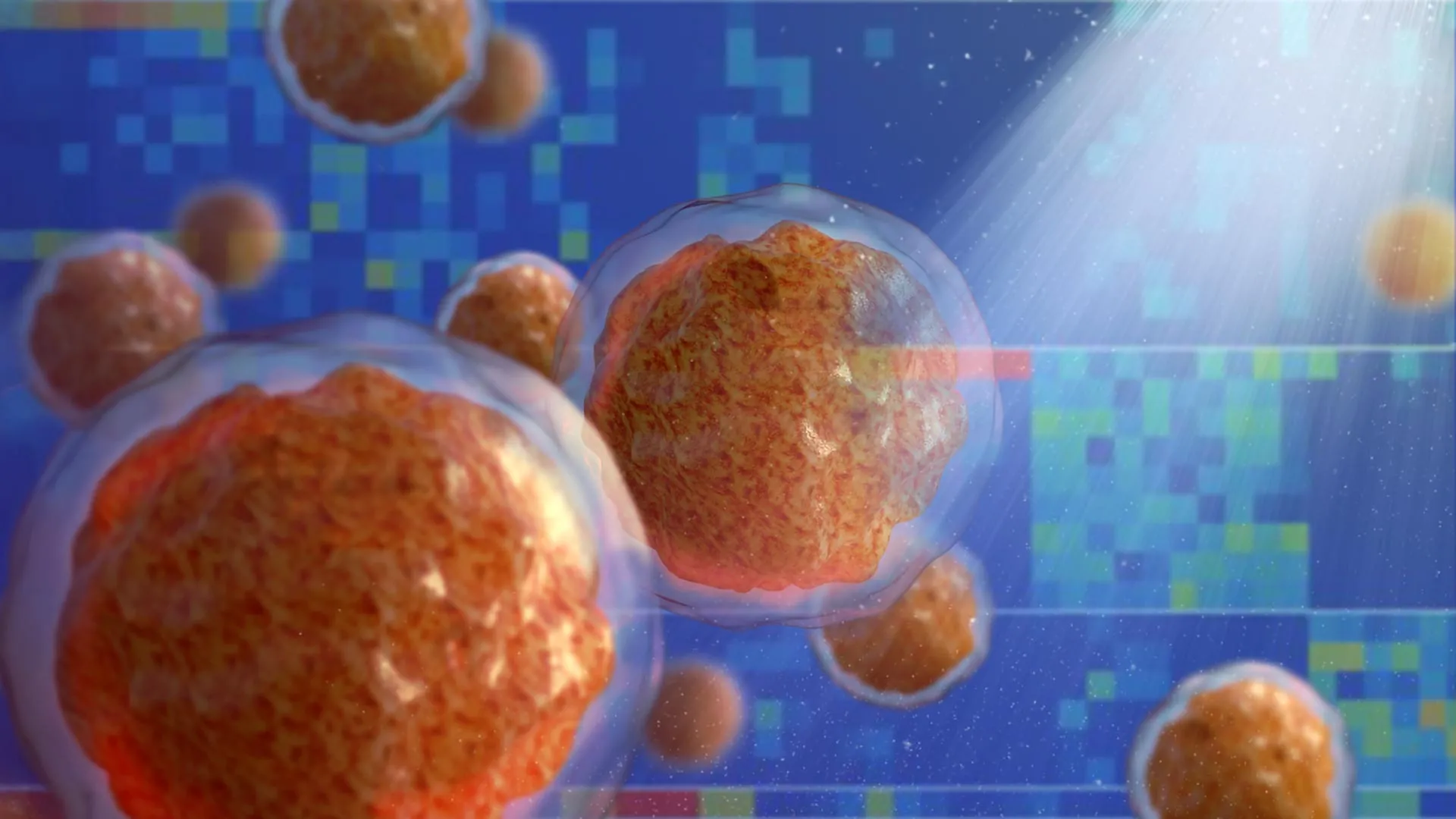
Every moment, the bone marrow is a bustling factory, generating millions of fresh blood and immune cells. This continuous renewal is a testament to a delicate equilibrium, a meticulously orchestrated dance between hematopoietic stem cells (HSCs), the supportive stromal cells that form its microenvironment, and a complex network of immune signals. This internal ecosystem is vital for maintaining our health, but as years pass, this balance can become precarious. Factors such as aging, chronic inflammation, and the accumulation of somatic mutations can erode the communication channels between these cellular communities. This disruption not only impairs normal stem-cell regeneration but also creates an environment where mutated HSCs can proliferate unchecked, a condition known as clonal hematopoiesis of indeterminate potential (CHIP). This silent transformation affects a significant portion of the aging population, appearing in approximately 10 to 20% of adults over 60 and escalating to nearly 30% of those over 80.
While individuals diagnosed with CHIP often remain asymptomatic, the condition carries a substantial health burden. It magnifies the risk of developing blood cancers by tenfold and doubles the likelihood of experiencing cardiovascular disease and succumbing to premature death. A related disorder, myelodysplastic syndrome (MDS), also involves clonal HSCs but leads to inefficient blood-cell production and a gradual decline in bone marrow function. MDS affects a considerable number of older adults, with incidence rates up to 20 in every 100,000 individuals over 70. Alarmingly, around 30% of MDS cases progress to acute myeloid leukemia (AML), an aggressive and often fatal malignancy. Despite the recognized severity of these blood disorders, the precise role of the bone marrow microenvironment – the intricate niche where these critical processes unfold – in their development has remained a significant area of scientific inquiry.
Mapping Hidden Changes in the Bone Marrow Microenvironment
To unravel how mutated HSC clones ascend to dominance within the bone marrow, an international consortium of researchers, spearheaded by Judith Zaugg from the European Molecular Biology Laboratory (EMBL) and the University of Basel, and Borhane Guezguez from the University Medical Center Mainz, embarked on an extensive molecular and spatial analysis of human bone marrow. This groundbreaking research drew upon samples from the BoHemE cohort study, a long-term initiative in collaboration with Uwe Platzbecker at the National Center for Tumor Diseases (NCT) Dresden.
Employing a sophisticated suite of cutting-edge technologies, including single-cell RNA sequencing, advanced biopsy imaging, proteomics, and meticulously designed co-culture models, the team meticulously constructed a detailed molecular and spatial map of the bone marrow microenvironment. This map encompassed healthy donors, crucially including those identified with CHIP, as well as patients diagnosed with MDS. Their comprehensive analysis unveiled a surprising and early cellular shift, one that precedes the manifestation of any clinical symptoms. The researchers discovered that a distinct population of inflammatory stromal cells gradually displaces the conventional mesenchymal stromal cells (MSCs), which are typically responsible for nurturing and supporting stem-cell function.
“I was surprised to observe such pronounced remodeling of the bone marrow microenvironment already in individuals with CHIP, although the underlying cause-and-effect relationships remain unclear,” stated Zaugg, a co-senior author on the study, EMBL Group Leader, and Professor at Basel University. This observation suggests that the microenvironment undergoes significant alterations long before the overt development of disease, hinting at its crucial, albeit not fully understood, role in the initiation of pathological processes.
The Inflammatory Cascade: A Self-Perpetuating Cycle
The newly identified inflammatory MSCs (iMSCs) exhibit a distinct behavior compared to their healthy counterparts. Unlike normal stromal cells, these iMSCs are prolific producers of interferon-induced cytokines and chemokines. These signaling molecules act as potent attractants and activators for interferon-responsive T cells. Once activated, these T cells further amplify the inflammatory activity within the bone marrow. This creates a vicious cycle, a feed-forward loop that sustains chronic inflammation, disrupts the normal processes of blood formation, and contributes to detrimental vascular changes within the marrow.
A particularly significant finding from the research was the absence of direct evidence suggesting that mutated hematopoietic cells in MDS are the primary instigators of this widespread inflammatory response. To disentangle the roles of different cell populations, the researchers employed SpliceUp, a sophisticated computational method developed by co-lead author Maksim Kholmatov, an EMBL alumnus, in collaboration with Pedro Moura and Eva Hellström-Lindberg from the Karolinska Institute. SpliceUp excels at identifying mutated cells within single-cell datasets by detecting aberrant RNA-splicing patterns, a hallmark of genetic alterations. In the context of MDS, their analysis revealed that the inflammatory network within the microenvironment becomes overwhelmingly dominant, effectively displacing much of the marrow’s inherent regenerative structure.
“Another striking observation was that MDS stem cells couldn’t trigger stromal cells to produce CXCL12, an important signal that triggers blood cells to settle in the bone marrow. This failure may help explain why the bone marrow stops working properly,” commented Karin Prummel, a co-lead author and EMBL postdoc. CXCL12, also known as SDF-1, plays a critical role in the homing and retention of hematopoietic stem and progenitor cells within the bone marrow niche. Its absence or reduced production can lead to impaired stem cell localization and function.
Maksim Kholmatov, also a co-lead author and EMBL alumnus, further elaborated on the surprising nature of their findings: "It was quite surprising to see the lack of a direct inflammatory effect that we could attribute to the mutant cells. However, when viewed in the context of changes in the T cell and stromal compartments, it underlines the importance of the bone marrow microenvironment in shaping disease progression." This perspective underscores a paradigm shift in understanding blood disorders, moving beyond a sole focus on the genetic mutations within stem cells to acknowledge the profound influence of their surrounding cellular and molecular milieu.
Inflammation as an Early Driver of Blood Disease
The collective findings of this international research team strongly indicate that chronic inflammation plays a pivotal role in the earliest stages of blood disorders, predating overt clinical manifestations. This research elevates the bone marrow microenvironment, often referred to as the bone marrow niche, to a central position as a key therapeutic target. By shifting the focus from solely targeting mutated cells to understanding and potentially modulating the entire ecosystem that supports these aberrant stem cells, the study opens up novel avenues for early intervention and disease prevention.
The implications for therapeutic strategies are significant. The administration of anti-inflammatory drugs or therapies designed to modulate interferon signaling could potentially help preserve bone marrow function in older adults who have CHIP. Furthermore, combining targeted therapies aimed at specific molecular pathways with interventions that act on the microenvironment itself might offer a powerful approach to slow or even prevent the progression from CHIP to more aggressive conditions like MDS or AML. The specific molecular signatures of iMSCs and interferon-responsive T cells identified in this study could also serve as valuable early biomarkers, enabling the identification of individuals at elevated risk long before disease symptoms emerge.
“Our findings reveal that the bone marrow microenvironment actively shapes the earliest stages of malignant evolution,” stated Guezguez, a Principal Investigator in the Department of Hematology at UMC Mainz and co-senior author. “As advances in molecular profiling allow us to detect pre-leukemic states years before clinical onset, understanding how stromal and immune cells interact provides a foundation for preventive therapies that intercept disease progression before leukemia develops.” This forward-looking perspective highlights the potential of proactive interventions based on a deeper understanding of the intricate cellular dynamics within the bone marrow.
Inflammaging and the Wider Impact on Age-Related Disease
Beyond its implications for blood disorders, these findings contribute to a broader understanding of ‘inflammaging.’ This term describes the low-grade, chronic inflammation that becomes increasingly prevalent with age and is implicated in the pathogenesis of numerous age-related conditions, including various forms of cancer, cardiovascular disease, and metabolic disorders. The bone marrow, once primarily viewed as solely a site of blood production, now appears to be both a victim of and a contributor to systemic inflammatory aging. By elucidating how the complex interactions between immune cells and stromal cells drive these detrimental changes, this study offers a compelling model for investigating inflammatory remodeling in other myeloid malignancies and in the context of advanced leukemia.
“It will be crucial to study these processes over time; our current findings are based on cross-sectional data,” emphasized Zaugg. This caveat highlights the need for longitudinal studies to fully understand the temporal dynamics of these cellular changes. The current findings, however, already carry significant implications for therapeutic strategies, particularly those involving therapies that aim to replace malignant cells while leaving the bone marrow niche intact, such as blood stem cell transplantation. Researchers are now actively investigating the extent to which the niche might retain a ‘memory’ of disease, a factor that could profoundly influence its response to the introduction of new, healthy stem cells.
This research is further complemented by a parallel study that also examines the MDS bone marrow microenvironment, published concurrently in Nature Communications. This complementary study was led by Marc Raaijmakers from the Erasmus MC Cancer Institute in Rotterdam. Together, these two independent yet synergistic investigations provide a more comprehensive and nuanced view of inflammatory remodeling that occurs during the nascent phases of bone marrow diseases.
The collaborative effort involved researchers from a distinguished array of institutions, including UMC Mainz, the University of Basel, University Hospital Dresden, the Karolinska Institute in Sweden, The Jackson Laboratory in the USA, and Sorbonne University in France. These institutions, along with partner institutions of the German Cancer Consortium (DKTK), including the German Cancer Research Center (DKFZ) and NCT Dresden, contributed significantly to the project’s success. Funding for this extensive research was provided by the DKTK-CHOICE program, an ERC grant (EpiNicheAML) awarded to Judith Zaugg, the Marie Skłodowska-Curie Actions (MSCA)-funded ITN ENHPATHY program, EMBO, the Swiss National Science Foundation, and the José Carreras Leukemia Foundation. This multidisciplinary and well-funded approach underscores the global scientific community’s commitment to tackling the complex challenges posed by age-related blood disorders.
