
 By George Ongkojoyo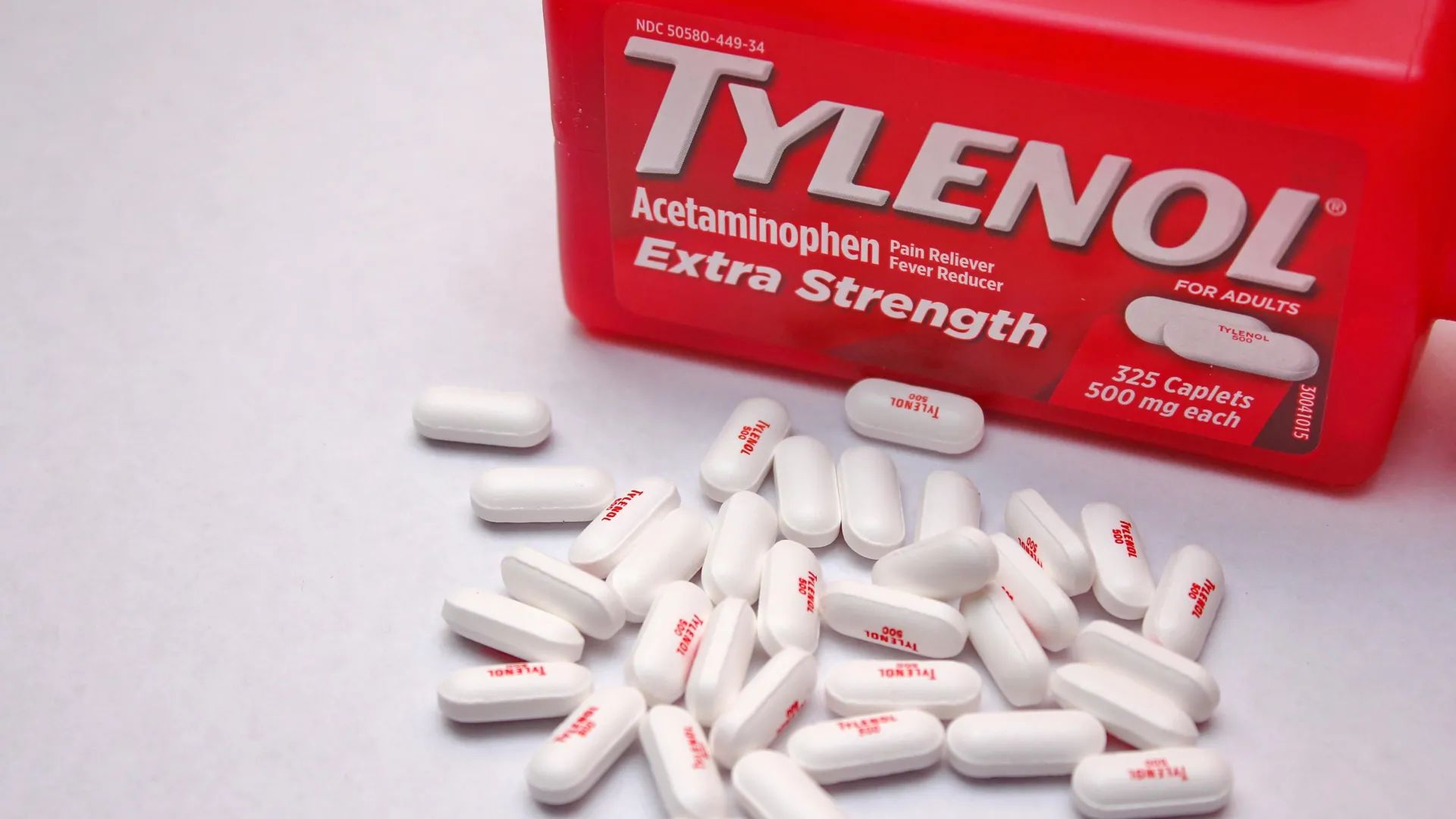
In a groundbreaking study that challenges long-held assumptions regarding the safety and neutrality of non-antibiotic medications, researchers from the University of South Australia (UniSA) have identified a significant link between common over-the-counter painkillers and the rising tide of antibiotic resistance. The research, which represents the first comprehensive assessment of its kind, reveals that ibuprofen and acetaminophen—staple medications found in nearly every household medicine cabinet—are not merely passive participants in the body’s recovery process. Instead, they appear to actively drive bacterial mutations that render life-saving antibiotics ineffective. When these two drugs are used in combination, the effect is not just additive but multiplicative, creating a potent environment for the development of "superbugs" that can survive aggressive medical treatments.
The implications of this discovery are profound, particularly for clinical environments where polypharmacy—the simultaneous use of multiple medications—is the standard of care. By assessing the interaction between non-antibiotic medications, the broad-spectrum antibiotic ciprofloxacin, and the common bacterium Escherichia coli (E. coli), the UniSA team has uncovered a hidden driver of antimicrobial resistance (AMR). The study highlights that while the medical community has focused primarily on the overuse of antibiotics as the culprit for resistance, the pharmaceutical landscape is far more complex, with everyday painkillers potentially acting as silent catalysts for a global health emergency.
The Mechanisms of Resistance: How Painkillers Influence Bacterial Evolution
To understand the gravity of these findings, it is necessary to examine the biological processes observed during the UniSA study. The researchers focused their efforts on E. coli, a bacterium that is a frequent cause of both gastrointestinal distress and urinary tract infections (UTIs). Under normal circumstances, an infection of this nature would be treated with ciprofloxacin, a powerful fluoroquinolone antibiotic designed to inhibit bacterial DNA replication.
However, the introduction of ibuprofen and acetaminophen altered the survival trajectory of the bacteria. The study found that these non-antibiotic drugs triggered a stress response within the E. coli cells. This stress response led to an increase in genetic mutations at a rate significantly higher than what is observed when bacteria are exposed to antibiotics alone. These mutations allowed the bacteria to adapt to the presence of ciprofloxacin with alarming speed.
Associate Professor Rietie Venter, the lead researcher on the project, noted that the team also uncovered the specific genetic mechanisms that facilitate this survival. The presence of ibuprofen and paracetamol (acetaminophen) activated the bacteria’s internal defense systems, specifically their efflux pumps. These pumps act as biological "sump pumps," identifying toxic substances—in this case, the antibiotic ciprofloxacin—and expelling them from the cell before they can reach their target and kill the bacteria. By effectively "vomiting" out the medicine, the bacteria rendered the treatment useless. Perhaps most concerning was the observation that this resistance was not limited to ciprofloxacin; the bacteria developed cross-resistance to multiple other classes of antibiotics, suggesting that the use of common painkillers could potentially compromise a wide range of future treatment options.
A Growing Threat: The Context of Antimicrobial Resistance
The UniSA findings arrive at a critical juncture in global health. The World Health Organization (WHO) has categorized antimicrobial resistance as one of the top ten global public health threats facing humanity. The scale of the crisis is already evident in mortality statistics; in 2019, bacterial resistance was directly responsible for an estimated 1.27 million deaths worldwide and played a contributing role in nearly 5 million deaths.
The traditional narrative surrounding AMR has focused on the "misuse and overuse" of antibiotics in human medicine and agriculture. While this remains a primary driver, the UniSA study introduces a new layer of concern: the "collateral" resistance caused by drugs that are not intended to kill bacteria at all. If everyday analgesics and anti-inflammatories are facilitating bacterial evolution, then the strategies currently used to combat AMR may be insufficient.
The Perils of Polypharmacy in Aged Care
One of the most significant aspects of the UniSA research is its focus on residential aged care facilities. These environments are often characterized by high levels of polypharmacy, as elderly residents frequently suffer from multiple chronic conditions. It is not uncommon for a single resident to be prescribed a cocktail of medications, including drugs for hypertension, cholesterol, diabetes, and sleep disorders, alongside regular doses of ibuprofen or paracetamol for chronic pain or arthritis.
Associate Professor Venter emphasized that this demographic is particularly vulnerable. "This is especially prevalent in residential aged care facilities, where older people are more likely to be prescribed multiple medications," she explained. When an infection occurs in this environment, antibiotics are introduced into a biological system already saturated with various chemical compounds. The study suggests that these compounds create an "ideal breeding ground" for gut bacteria to experiment with survival strategies and develop resistance.
To quantify this risk, the researchers expanded their study to include nine medications frequently administered in aged care settings:
- Ibuprofen: A non-steroidal anti-inflammatory drug (NSAID) used for pain and inflammation.
- Acetaminophen (Paracetamol): A common analgesic and antipyretic.
- Diclofenac: Another NSAID often used for the treatment of arthritis.
- Furosemide: A diuretic used to treat high blood pressure and fluid retention.
- Metformin: The primary medication for managing blood sugar levels in Type 2 Diabetes.
- Atorvastatin: A statin used to lower cholesterol and prevent cardiovascular disease.
- Tramadol: An opioid pain medication used for moderate to severe pain.
- Temazepam: A benzodiazepine used to treat insomnia.
- Pseudoephedrine: A common decongestant.
By testing these drugs in combination with antibiotics, the researchers are building a clearer picture of how the modern pharmaceutical regimen might be inadvertently undermining the efficacy of the most important tools in the medical arsenal.
Chronology of Research and Future Scientific Inquiries
The UniSA study represents a shift in the timeline of AMR research. Historically, the study of resistance was confined to the "antibiotic-bacteria" dyad. In the early 2000s, scientists began to notice that certain non-antibiotic drugs, such as antidepressants and artificial sweeteners, could influence bacterial growth in laboratory settings. However, it was not until the last decade that researchers began to seriously investigate the clinical implications of these interactions.
This latest study from UniSA serves as a definitive turning point, moving the conversation from theoretical possibility to demonstrated risk. The researchers utilized advanced genomic sequencing to track the mutations in E. coli in real-time, providing a high-resolution map of how resistance evolves under the influence of ibuprofen and paracetamol.
The call for further research is now urgent. The scientific community must move beyond two-drug combinations and begin to model the complex "drug soups" that exist in the bodies of many patients. Future studies will likely focus on whether these interactions occur with other common pathogens, such as Staphylococcus aureus or Klebsiella pneumoniae, and whether the dosage levels found in the human bloodstream are sufficient to trigger these evolutionary leaps in a clinical setting.
Clinical Implications and Official Responses
While the researchers are not advising patients to immediately stop using ibuprofen or paracetamol—medications that remain essential for pain management and quality of life—the findings necessitate a shift in how these drugs are prescribed alongside antibiotics. Medical professionals may need to become more "mindful" of the timing and duration of painkiller use during an active course of antibiotic treatment.
Reactions from the broader medical community have been characterized by cautious concern. Pharmacologists have noted that the "efflux pump" mechanism identified by Venter’s team is a well-known pathway for resistance, but its activation by common OTC drugs is a revelation that could change prescribing guidelines. There is an emerging consensus that "antibiotic stewardship" must now expand to include "medication stewardship" as a whole.
From a policy perspective, the study provides a factual basis for health departments to reconsider the unrestricted availability of certain OTC medications in high-risk environments like nursing homes. If these drugs are indeed fueling the superbug crisis, their role in the "Standard of Care" protocol requires a rigorous re-evaluation.
Analysis: The Broader Impact on Modern Medicine
The UniSA study highlights a paradox of modern medicine: the very treatments developed to improve human longevity and comfort may be creating the conditions for a return to a "pre-antibiotic era." If common infections become untreatable due to resistance fueled by everyday painkillers, the foundations of modern surgery, chemotherapy, and organ transplantation—all of which rely on effective antibiotics—could be compromised.
Furthermore, the economic impact of increased AMR cannot be ignored. Resistant infections require longer hospital stays, more expensive and toxic alternative treatments, and result in higher rates of disability and lost productivity. By identifying ibuprofen and paracetamol as contributors to this problem, the researchers have provided a new target for intervention.
The message from the University of South Australia is clear: antibiotic resistance is a multifaceted challenge that transcends the simple overuse of penicillin or ciprofloxacin. It is an ecological problem occurring within the human body, driven by a complex web of chemical interactions. As we move forward, the medical community must adopt a more holistic view of pharmacology, recognizing that no drug is an island, and the choices made to treat a simple headache today could influence the treatability of a life-threatening infection tomorrow. The quest to preserve the efficacy of antibiotics now requires a deeper understanding of the entire pharmacopeia and a commitment to investigating the hidden consequences of the medications we have long taken for granted.
