
 By admin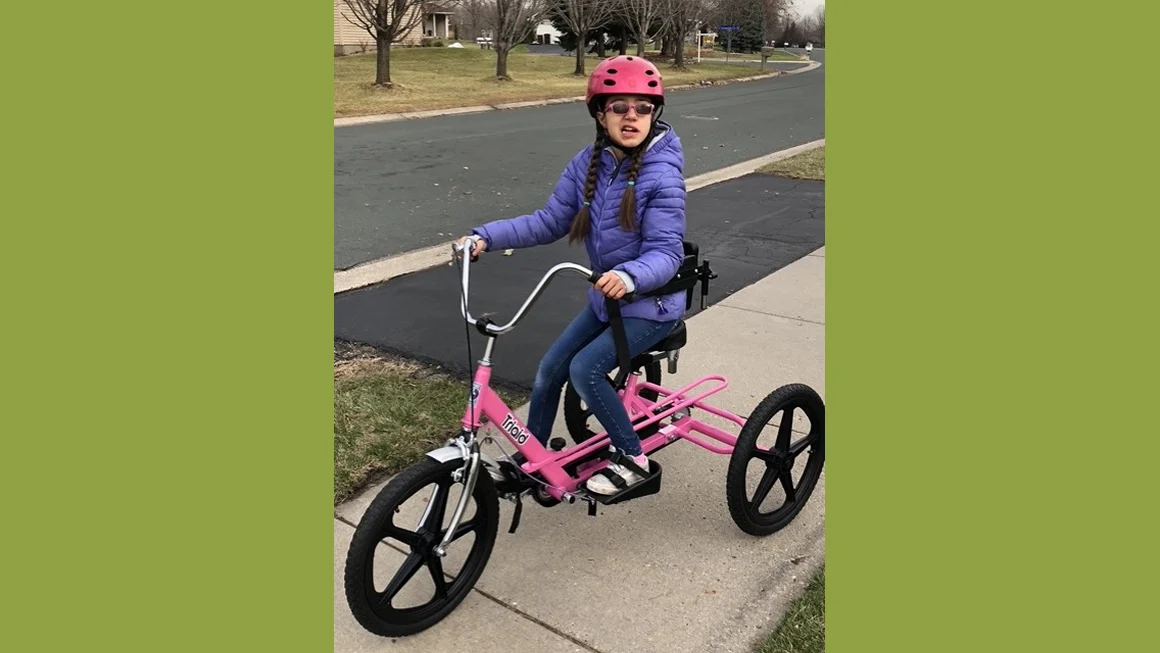
The trajectory of pediatric oncology has shifted dramatically over the last half-century, moving from a field defined by terminal prognoses to one where survival is the expected outcome for many. However, the story of Anikah Schmidt, a 16-year-old survivor of a childhood brain tumor, serves as a poignant case study for the medical community regarding the "cost of the cure." While Anikah has been cancer-free for over a decade, her life remains defined by the aggressive interventions required to save her at 19 months old. Her experience underscores a growing crisis in pediatric survivorship: the reality that for a significant portion of the 500,000 childhood cancer survivors in the United States, the end of treatment is merely the beginning of a lifelong medical odyssey.
The Onset of Symptoms and the Initial Crisis
The clinical narrative began when Anikah was just 19 months old. Her parents, Vanessa and Ben Schmidt, observed a subtle but progressive loss of gross motor coordination. In the pediatric setting, balance issues in toddlers are frequently dismissed as developmental "clumsiness," but the introduction of a secondary symptom—projectile vomiting upon waking—signaled a more neurological etiology. Morning vomiting is a classic red flag for increased intracranial pressure (ICP), as fluid dynamics in the brain shift during sleep.
After several weeks of diagnostic uncertainty involving blood panels and dietary adjustments, a computed tomography (CT) scan revealed a mass the size of a golf ball located in the posterior fossa. The diagnosis was an ependymoma, a primary central nervous system (CNS) tumor that arises from the ependymal cells lining the ventricles of the brain. Because of the tumor’s size and location, it was obstructing the flow of cerebrospinal fluid, necessitating immediate neurosurgical intervention to relieve the pressure and prevent brain herniation.
A Chronology of Treatment and Complications
Anikah’s medical journey followed a rigorous and high-stakes timeline that is common in pediatric neuro-oncology but fraught with long-term risks.
Initial Resection and Proton Therapy (2009-2010)
Following the emergency pressure-relief surgery, Anikah underwent a major craniotomy for tumor resection. While the neurosurgeon successfully achieved a gross total resection—meaning all visible tumor mass was removed—the high recurrence rate of ependymomas necessitated adjuvant therapy. At the time, proton beam radiation was emerging as a preferred alternative to traditional photon radiation due to its ability to deliver targeted doses with less "exit dose" to surrounding healthy tissue.
Because specialized proton centers were rare in 2009, the Schmidt family relocated from their home in Minnesota to Houston, Texas, for an eight-week course of daily radiation at the MD Anderson Cancer Center. This relocation highlights the logistical and financial burdens placed on families seeking the highest standard of pediatric care.
The Radiation Aftermath (2010-2011)
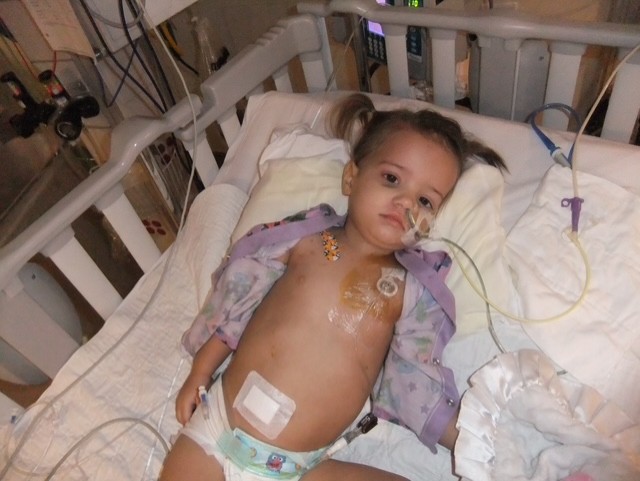
The primary goal of the radiation was to eradicate microscopic cancer cells. However, the proximity of the treatment site to the brain stem led to severe delayed complications. Months after returning to Minnesota, Anikah’s condition deteriorated. She developed profound dysphagia (difficulty swallowing) and eventually suffered a respiratory collapse.
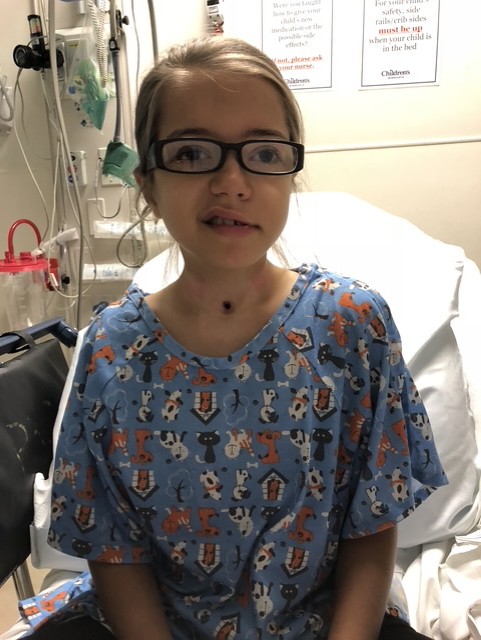
Medical imaging revealed significant radiation-induced necrosis and swelling on the brain stem, the area responsible for autonomic functions like breathing and heart rate. To keep her alive, doctors performed a tracheostomy and placed her on a mechanical ventilator and a gastrostomy tube (G-tube) for nutrition. The very treatment intended to ensure her survival had resulted in a life-threatening injury to her central nervous system.
Long-Term Rehabilitation (2011-Present)
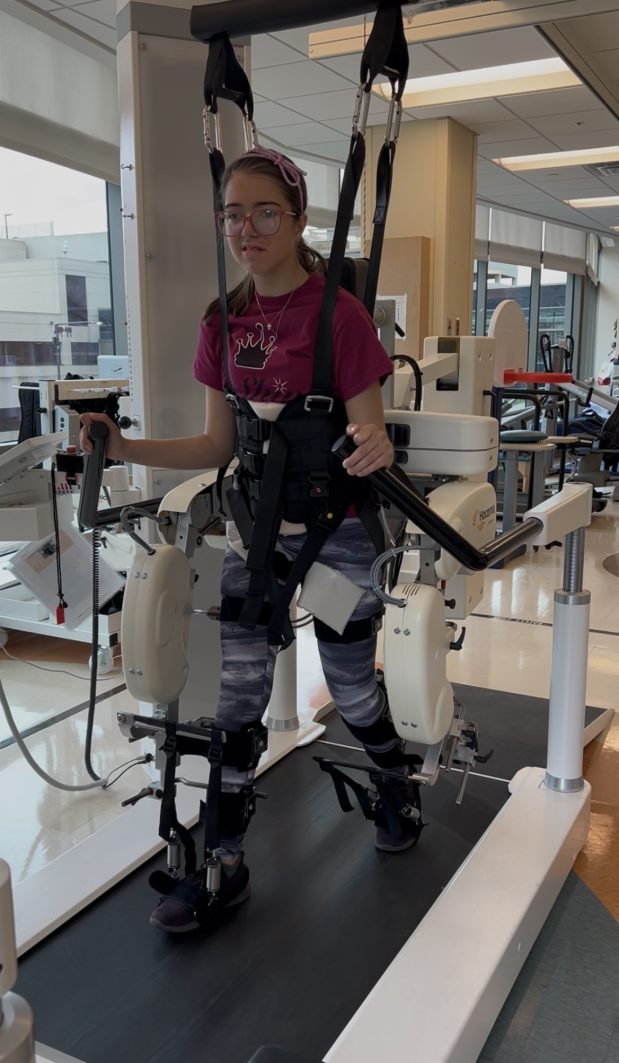
To combat the brain stem swelling, Anikah underwent hyperbaric oxygen therapy, which utilizes high-pressure oxygen to stimulate healing in damaged tissues. While the treatment successfully halted the swelling, the neurological damage was permanent. The subsequent 14 years have been defined by intensive physical, occupational, and speech therapy.
The Statistical Reality of Pediatric Survivorship
Anikah’s experience is not an anomaly but rather reflective of the "Late Effects" phenomenon documented by organizations such as the Children’s Oncology Group (COG) and St. Jude Children’s Research Hospital.
According to the St. Jude Lifetime Cohort Study (SJLIFE), approximately 60% to 90% of childhood cancer survivors develop one or more chronic health conditions as a result of their treatment. These "late effects" can include:
- Secondary Malignancies: Survivors have a higher risk of developing different cancers later in life due to radiation and chemotherapy exposure.
- Neurocognitive Deficits: Especially in brain tumor survivors, treatments can lead to lower IQ scores, memory issues, and executive dysfunction.
- Endocrine and Growth Issues: Damage to the pituitary gland often results in growth hormone deficiencies and infertility.
- Cardiovascular Disease: Certain chemotherapies are known to weaken the heart muscle over time.
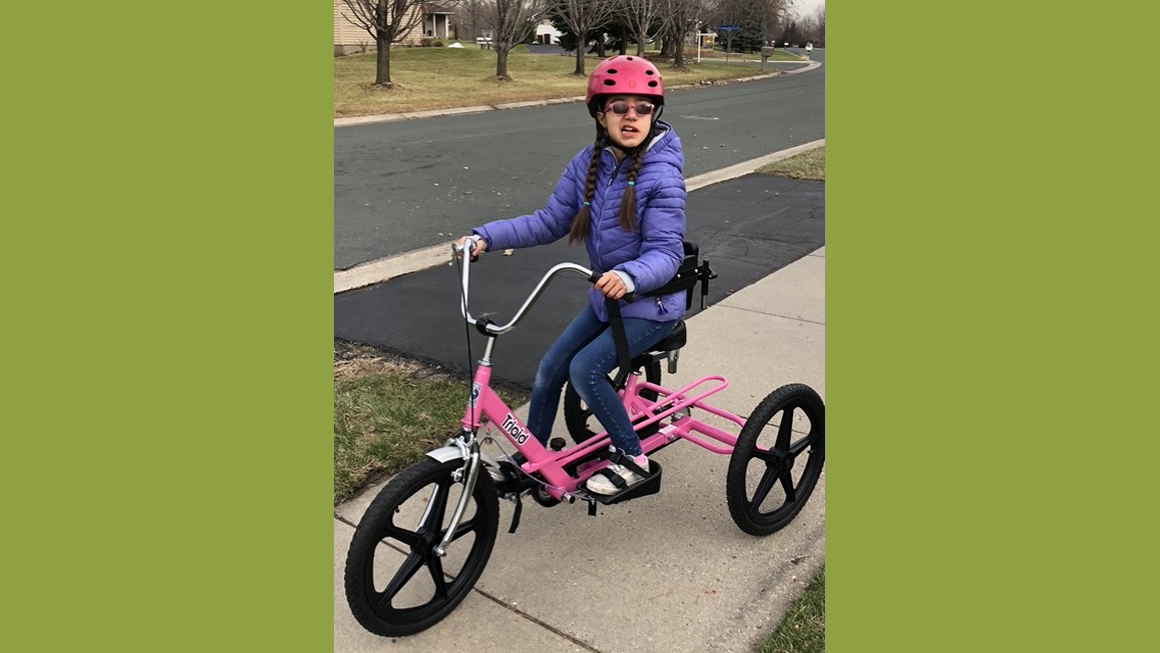
For survivors like Anikah, the burden is primarily neurological and physical. Now 16, she continues to require a feeding tube for most of her caloric intake and utilizes supplemental oxygen at night. While she regained the ability to walk through years of grueling physical therapy, she still utilizes a walker in crowded environments like her school to prevent falls.
The Psychological and Social Impact of Chronic Survivorship
As Anikah transitioned into adolescence, the focus of her care expanded from clinical stability to social integration. For many pediatric survivors, the "special needs" label creates a secondary layer of isolation. Vanessa Schmidt noted that while the cancer was "fixed," the resulting disabilities created a permanent barrier between Anikah and a "normal" childhood experience.
The psychological toll on survivors is significant. Research published in the Journal of Clinical Oncology indicates that survivors of pediatric CNS tumors are at a higher risk for depression, anxiety, and social withdrawal compared to their peers. This is often exacerbated by the physical markers of their journey, such as surgical scars, the use of mobility aids, or the presence of medical devices like G-tubes.
In response to these challenges, organizations like the Children’s Cancer Research Fund (CCRF) have prioritized "quality of life" initiatives. Anikah’s participation in Camp Norden, a specialized camp for children impacted by cancer, represents a critical intervention in the survivorship phase. These environments allow survivors to engage in typical adolescent activities—such as talent shows and physical challenges—within a community that understands their limitations without judgment.
Analysis of Implications for Future Care
The case of Anikah Schmidt offers several takeaways for the future of pediatric oncology and public health policy:
1. The Need for "De-escalation" of Treatment
The primary goal of current pediatric cancer research is no longer just "survival," but "survival with minimal toxicity." This involves identifying biomarkers that allow doctors to reduce the intensity of radiation or chemotherapy for patients with lower-risk profiles, thereby preventing the kind of brain stem damage Anikah experienced.
2. Lifelong Survivorship Infrastructure
Anikah’s story highlights the need for specialized adult care for childhood survivors. As these children age out of pediatric systems, they often enter a "medical vacuum" where adult oncologists and primary care physicians are unfamiliar with the specific late effects of pediatric treatments. There is an urgent need for comprehensive survivorship clinics that provide multidisciplinary care across the lifespan.
3. Economic Support for Families
The relocation to Houston and the years of specialized therapy illustrate the massive financial strain on families. Current insurance models often struggle to cover the long-term rehabilitative needs of survivors, which can last for decades. Policymakers must consider the long-term economic impact of pediatric cancer, which extends far beyond the initial hospital stay.
Conclusion: Beyond the Cure
Anikah Schmidt is a 16-year-old girl who enjoys theater, cheerleading, and dance. She is also a patient who has spent nearly her entire life navigating the consequences of a "successful" cancer treatment. Her journey serves as a reminder that in the world of pediatric oncology, the word "cured" is complex.
While medical science has become remarkably adept at removing tumors and killing malignant cells, the next frontier lies in healing the patient as a whole. For Anikah, thriving has meant finding a place to belong and the courage to participate in a world that wasn’t designed for her physical challenges. For the medical community, her story is a call to action to continue refining treatments so that the survivors of tomorrow can live lives unburdened by the very medicine that saved them. Through continued research, advocacy, and community support, the goal remains clear: to ensure that for kids like Anikah, surviving cancer is the start of a full life, not a life of permanent patienthood.
