
 By admin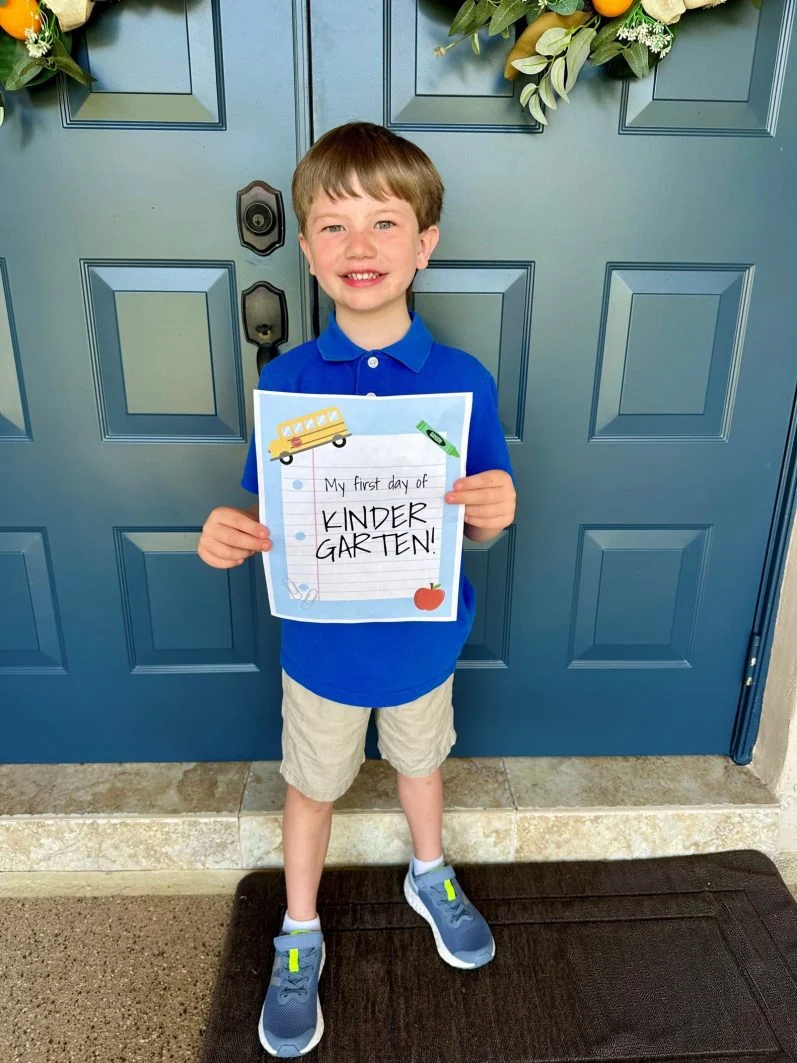
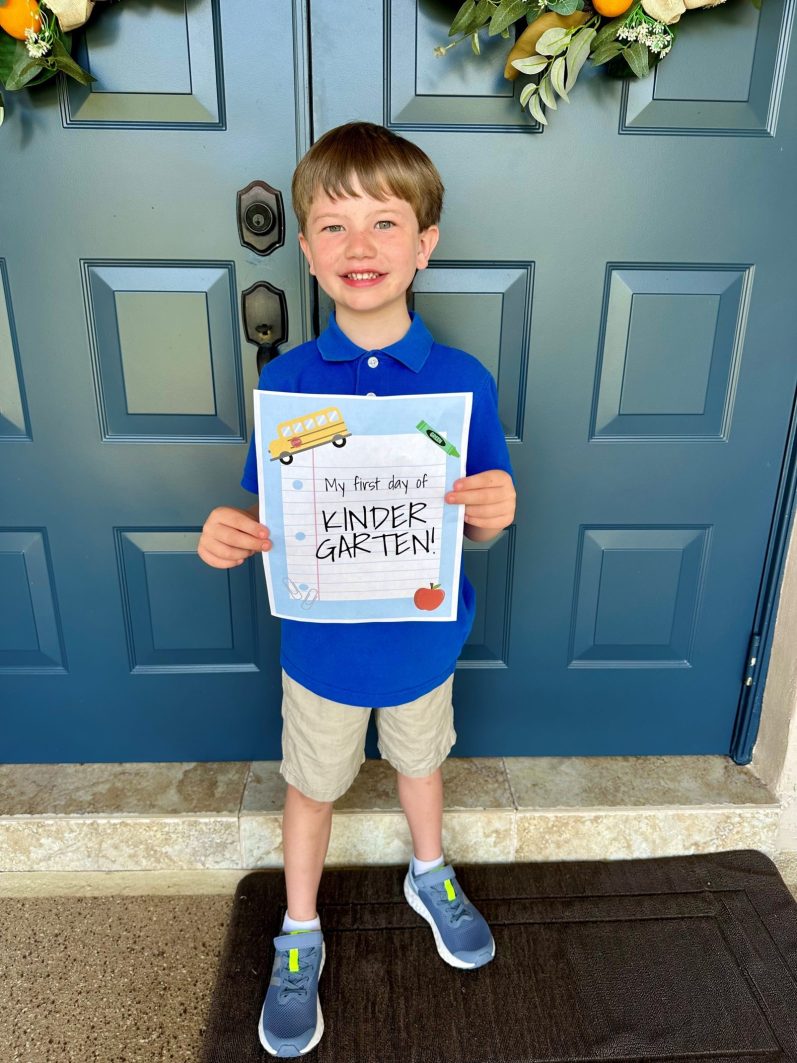
As the autumn air signals the traditional return to the classroom, the seasonal transition carries a profound significance for families who have spent the previous year navigating the complexities of pediatric oncology. For young students like Kayden and Bella, the "back-to-school" ritual is not merely a change in schedule but a hard-won milestone in a journey defined by medical intervention, physical resilience, and the relentless pursuit of a standard childhood. While their diagnoses and current clinical statuses differ, both children represent the broader challenges faced by thousands of families who must balance the demands of education with the long-term sequelae of life-threatening illnesses.
The Diagnostic Challenge: Kayden’s Battle with Leukemia
Six-year-old Kayden enters the current academic year under circumstances vastly different from those of twelve months ago. His journey into the world of pediatric oncology began with subtle, easily dismissed symptoms that mirror a common diagnostic hurdle in childhood cancer: the masking of malignant symptoms as routine developmental issues. Initially, Kayden’s parents noticed a persistent limp, which medical professionals tentatively attributed to "growing pains," a common musculoskeletal phenomenon in young children.
However, the progression of symptoms—including unexplained bruising and debilitating pain—eventually led the family to the emergency room. Clinical diagnostic testing, including blood work and bone marrow aspiration, revealed a harrowing reality: over 50 percent of Kayden’s bone marrow cells were leukemic. This diagnosis thrust the young boy into an intensive treatment regimen designed to eradicate the cancer cells and restore hematological function.
For much of the last year, Kayden’s "classroom" was often a hospital ward. His experience highlights a significant systemic issue in pediatric care: the reliance on medical infrastructure and protocols often scaled for adults. Kayden found himself in infusion chairs designed for much larger bodies, undergoing chemotherapy treatments that, while life-saving, are notoriously harsh on developing systems. The side effects—ranging from acute nausea to profound lethargy—rendered a standard school schedule nearly impossible. Although his school district provided accommodations to support his learning, the day-to-day toll of chemotherapy created a barrier between Kayden and the "normalcy" his parents so desperately sought.
Clinical Milestones and the Return to the Classroom
The outlook for Kayden this fall is markedly more optimistic. Having completed his primary treatment protocols in February, he returns to school without the restrictive physical boundaries that defined his previous year. According to his parents, Kayden currently shows no adverse side effects from his maintenance medications, allowing him to participate in the full spectrum of second-grade activities.
In the context of pediatric leukemia, the "post-treatment" phase is a critical period of monitoring. While the absence of restrictions is a victory, the transition requires careful coordination between healthcare providers and educators to ensure the student’s immune system and energy levels remain stable. For Kayden, the goal for the 2024-2025 school year is singular: the restoration of a routine where his identity is defined by his curiosity and personality rather than his patient status.
Navigating Rare Malignancies: Bella’s High School Transition
While Kayden celebrates a return to full-time in-person learning, the path for ten-year-old Bella (now entering her freshman year of high school) remains more complex. Bella’s medical history involves pineoblastoma, an exceptionally rare and aggressive form of cancer that originates in the pineal gland, located deep within the brain. The pineal gland is responsible for producing melatonin and regulating the body’s internal clock; tumors in this region are difficult to treat due to their proximity to critical neural structures.
Bella’s treatment involved invasive surgery to remove the tumor, followed by intensive radiation therapy. While the intervention successfully addressed the primary malignancy, the collateral damage was significant. Bella emerged from treatment with vision impairment and was later diagnosed with Amplified Musculoskeletal Pain Syndrome (AMPS). AMPS is a condition where the nervous system "amplifies" pain signals, leading to chronic, often debilitating discomfort that can be triggered by even minor physical stressors or psychological fatigue.
For Bella, the "normalcy" of school requires a hybrid approach. During her eighth-grade year, her health necessitated homebound instruction, a service where teachers provide curriculum support in the student’s home environment. This model allowed her to maintain academic progress while managing the physical toll of her recovery. As she enters high school—a pivotal social and academic transition—her goal is to attend at least one in-person class, with the hope of gradually increasing her time on campus as her physical stamina allows.
The Data Behind the Struggle: Pediatric Cancer Statistics
The stories of Kayden and Bella are set against a backdrop of sobering national statistics regarding childhood cancer research and treatment. According to the National Cancer Institute (NCI), while survival rates for many pediatric cancers have improved significantly over the last four decades, cancer remains the leading cause of death by disease among children in the United States.
- Survival vs. Quality of Life: Approximately 85% of children diagnosed with cancer now survive at least five years. However, research indicates that more than 60% of survivors will experience at least one chronic or late-occurring side effect from their treatment, such as the vision impairment and AMPS seen in Bella’s case.
- The Funding Gap: A recurring point of contention in the medical community is the disparity in research funding. Pediatric cancer research receives only about 4% of the federal funding allocated by the National Institutes of Health (NIH) for cancer research. This lack of dedicated funding often results in children being treated with "repurposed" adult drugs that are too toxic for developing bodies.
- Leukemia Prevalence: Acute Lymphoblastic Leukemia (ALL), the type most common in children like Kayden, accounts for about 25% of all childhood cancer diagnoses. While it has a high cure rate, the treatment duration—often lasting two to three years—places an immense burden on the child’s educational and social development.
- Rare Brain Tumors: Pineoblastoma, which Bella fought, is far rarer, representing less than 1% of all primary brain tumors. Because of its rarity, clinical trials and specialized treatment protocols are more difficult to establish, often requiring families to travel to major metropolitan research hospitals.
The Role of Educational Institutions and Support Systems
For children transitioning back to school after a cancer diagnosis, the school district’s response is a determining factor in their success. Under the Individuals with Disabilities Education Act (IDEA) and Section 504 of the Rehabilitation Act, students with cancer are entitled to accommodations that ensure they have equal access to education.
In Bella’s case, the school’s willingness to facilitate homebound instruction and maintain her social connections was vital. Educators often serve as the bridge between the isolation of the hospital room and the community of the classroom. For Kayden, the "accommodating" nature of his school during his active treatment allowed him to remain tethered to his peer group, which psychologists suggest is essential for the long-term mental health of pediatric survivors.
However, the transition is not without its hurdles. "Chemo brain"—a term used to describe the cognitive impairment, memory loss, and lack of focus following chemotherapy—can affect a child’s academic performance long after the physical tumor is gone. Schools must be prepared to offer neuropsychological evaluations and tailored learning plans to address these invisible scars.
The Imperative for Gentler Treatments
The experiences of these two "warriors" underscore a critical directive for the medical and philanthropic communities: the need for "gentler" treatments. The Children’s Cancer Research Fund (CCRF) and similar organizations argue that surviving cancer is not enough; children deserve to survive without the lifelong burden of debilitating side effects.
Current research is pivoting toward immunotherapy and targeted molecular therapies that aim to attack cancer cells while sparing healthy tissue. Such advancements would mitigate the "adult-sized" side effects that Kayden endured and perhaps prevent the secondary conditions like AMPS that Bella continues to manage. By funding research specifically tailored to the unique biology of children, scientists hope to move away from the "scorched earth" approach of traditional radiation and chemotherapy.
Implications for the Future
As Kayden and Bella navigate their respective school years, their progress serves as a testament to human resilience and the efficacy of current medical interventions. However, their stories also serve as a call to action. The "normalcy" they seek is often precarious, maintained by a complex web of medical surveillance, educational flexibility, and parental vigilance.
The broader implication for public health and education is clear: as survival rates continue to rise, the focus must shift toward comprehensive survivorship care. This includes not only medical monitoring for relapse but also psychological support, educational advocacy, and the development of less toxic therapeutic agents.
For Kayden, the simple act of sitting in a classroom chair that finally fits him is a victory. For Bella, the hope of walking through the front doors of her high school for a single class represents a monumental feat of strength. As these students open their textbooks this fall, they carry with them the hopes of a medical community striving to ensure that one day, a cancer diagnosis will no longer be a disruption to the fundamental right of a "normal" childhood. Through continued research and community support, the goal remains to transform these stories of survival into stories of thriving, where the only thing a child has to worry about is their next homework assignment.
