
 By admin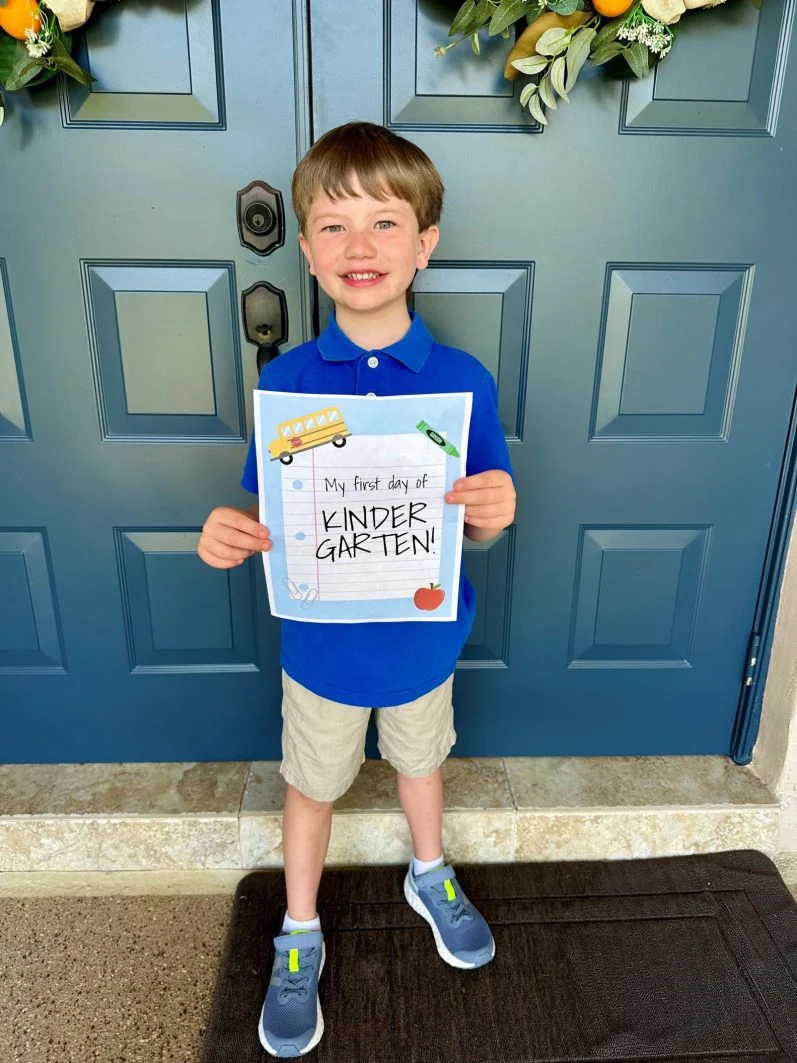
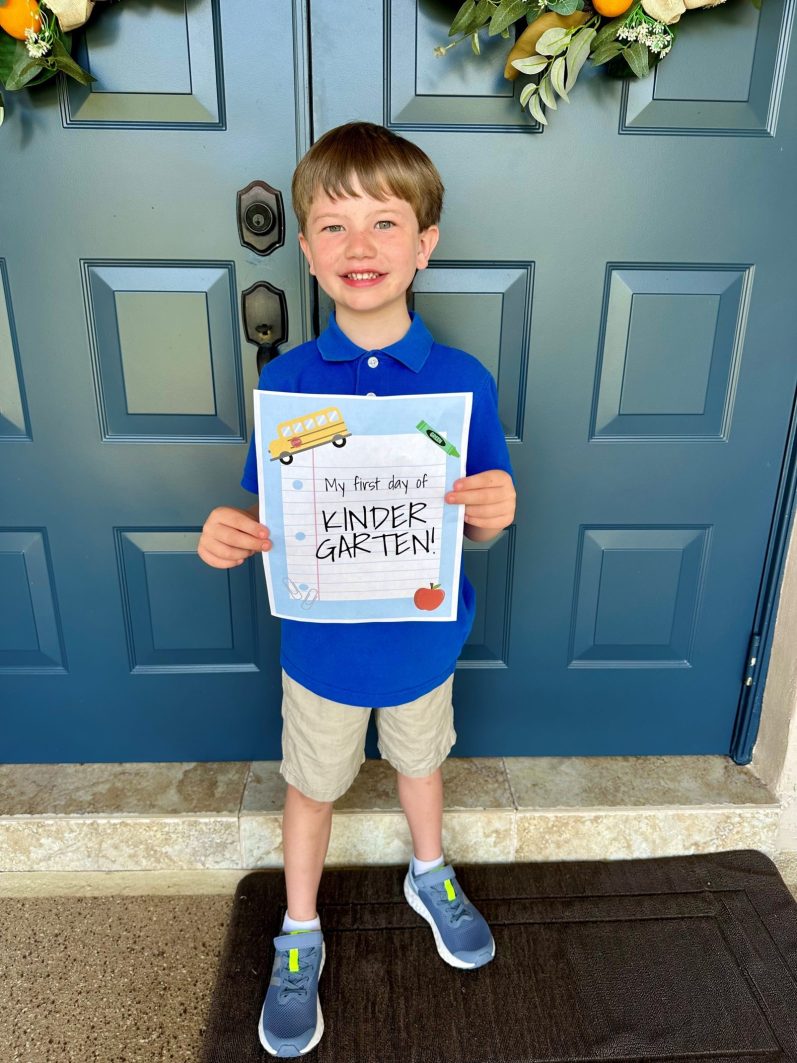
As the school bells ring across the nation this fall, the transition back to the classroom represents more than just a change of seasons for thousands of families; for those emerging from the shadow of pediatric cancer, it is a hard-won milestone in a journey defined by resilience and medical endurance. For students like six-year-old Kayden and high school freshman Bella, the return to academic life serves as a litmus test for "normalcy," a concept that remains elusive for many children diagnosed with life-threatening malignancies. While their individual diagnoses—leukemia and pineoblastoma—differ in biological presentation, their stories converge on a singular theme: the profound challenge of reintegrating into a world that continued to turn while they were fighting for their lives in clinical settings.
The Diagnostic Hurdle and the Reality of Pediatric Leukemia
Kayden’s journey into the world of oncology began with symptoms that are frequently misinterpreted in early childhood. Like many parents of active young boys, his family initially attributed his physical discomfort to "growing pains," a common musculoskeletal phenomenon in developing children. However, the progression from a simple limp to unexplained bruising and debilitating pain signaled a more systemic issue. After multiple visits to emergency departments, diagnostic testing confirmed that more than 50% of Kayden’s bone marrow cells were leukemic.
According to the American Cancer Society, leukemia is the most common cancer in children and teens, accounting for nearly one out of every three pediatric cancer cases. Acute Lymphoblastic Leukemia (ALL), the most prevalent form, requires intensive intervention. For Kayden, this meant immediate immersion into a treatment infrastructure largely designed for adult physiology. He was forced to navigate a world of oversized infusion chairs and aggressive chemotherapy regimens that, while life-saving, are notoriously harsh on developing systems, often resulting in severe lethargy and chronic nausea.
Kayden’s treatment concluded in February, marking the beginning of a precarious transition period. As he enters the new school year, his parents report a cautious optimism. Unlike the previous year, where his attendance was marred by physical restrictions and the volatile side effects of active treatment, he currently remains free of medication-induced limitations. For Kayden, the simple act of participating in recess or sitting at a desk without the burden of fatigue is the ultimate goal of his recovery.
Rare Pathologies and the Long-Term Impact of Brain Tumors
While Kayden finds himself physically able to return to the classroom, ten-year-old Bella faces a vastly different set of logistical and physiological hurdles. Bella was diagnosed with pineoblastoma, an exceptionally rare and aggressive type of cancer that originates in the pineal gland of the brain. The National Cancer Institute classifies pineoblastoma as a Grade IV tumor, indicating its fast-growing nature and its tendency to spread through the cerebrospinal fluid.
The intervention required for such a diagnosis is often as taxing as the disease itself. Bella underwent extensive surgery to resect the tumor, followed by targeted radiation therapy. While the procedures were successful in addressing the primary malignancy, they left a trail of "late effects"—chronic health problems that develop months or years after treatment ends. For Bella, this included significant vision impairment and a subsequent diagnosis of Amplified Musculoskeletal Pain Syndrome (AMPS), a condition where the nervous system processes pain signals at an intensified level.
Because of these complexities, Bella’s educational path has shifted from the traditional classroom to a "homebound instruction" model. During her eighth-grade year, the school district provided a visiting teacher to ensure she did not fall behind her peers. As she enters her freshman year of high school—a pivotal social and academic juncture—her goal is incremental reintegration. She plans to attend a single in-person class, a strategy designed to balance her desire for social connection with the physical demands of her ongoing recovery.
The Statistical Landscape of Pediatric Cancer and Education
The experiences of Kayden and Bella are mirrored in the lives of approximately 15,000 children and adolescents diagnosed with cancer each year in the United States. While advancements in medical research have pushed the five-year survival rate for pediatric cancer to over 85%, the transition back to school remains one of the most significant stressors for survivors and their families.
Research indicates that pediatric cancer survivors are at a higher risk for academic difficulties, often stemming from cognitive changes known as "chemo-brain," frequent absences, and the psychological impact of social isolation. Data from the Children’s Oncology Group suggests that survivors of central nervous system tumors, like Bella, are particularly vulnerable to challenges in processing speed, executive function, and memory.
Furthermore, the physical environment of a school can be a daunting landscape for a child whose immune system has been compromised. Even after active treatment ends, the "return to normal" is often hindered by the need for Individualized Education Programs (IEPs) or 504 plans, which are federal mandates designed to provide accommodations for students with significant health needs.
The Necessity of Gentler Treatments and Pediatric Research
The stories of these two children underscore a critical gap in modern oncology: the need for age-appropriate, "gentler" treatments. For decades, pediatric cancer protocols were adapted from adult treatments, using lower doses of drugs designed for fully developed bodies. However, children are not merely "small adults." Their rapidly dividing cells and developing organs make them uniquely susceptible to the long-term toxicity of traditional chemotherapy and radiation.
Advocacy groups, including the Children’s Cancer Research Fund (CCRF), emphasize that only a small fraction of federal cancer research funding is dedicated specifically to pediatric cases. This lack of funding limits the development of targeted therapies that could eliminate cancer cells while sparing healthy tissue, thereby reducing the "late effects" that survivors like Bella must manage for the rest of their lives.
Medical analysts point out that the goal of pediatric oncology is shifting. It is no longer enough to simply achieve remission; the new standard of care must include the preservation of the child’s long-term quality of life. This includes minimizing the cognitive and physical impairments that prevent children from experiencing a "normal" education and childhood.
Institutional Support and the Role of the Community
The successful reintegration of cancer survivors into the school system relies heavily on the synergy between medical providers, educators, and families. In Bella’s case, her school’s willingness to implement homebound instruction and facilitate a gradual return to campus has been a lifeline. Educational experts argue that this level of flexibility is essential for maintaining the mental health of young survivors, who often feel "left behind" by their peers.
"Normalcy" for a child like Kayden means the absence of a "patient" identity. It means being viewed by teachers and classmates as a student first and a survivor second. For Bella, normalcy is the ability to maintain a connection to her community despite the physical barriers imposed by her diagnosis.
The role of the community extends beyond the school walls. Organizations like the CCRF provide the financial backbone for the clinical trials that lead to breakthrough treatments. These trials are the only pathway to discovering protocols that are less invasive and more effective, ensuring that the "warrior" spirit shown by children like Bella is met with the most advanced medical tools available.
Broader Implications: Life After the Cure
The challenges faced by Kayden and Bella highlight a broader societal implication: as survival rates continue to climb, the population of pediatric cancer survivors grows, creating a new demographic with unique medical and social needs. There are currently nearly 500,000 childhood cancer survivors in the United States. Many will require lifelong medical surveillance to monitor for secondary cancers, cardiovascular issues, and endocrine disruptions caused by their initial treatments.
The transition back to school is the first major hurdle in this lifelong journey. It represents the shift from survival to thriving. For Kayden, this fall is about the freedom of movement and the joy of a restriction-free life. For Bella, it is about the courage to face a new high school environment with a smile, despite the persistent pain of AMPS and the limitations of her vision.
As these children return to their desks, their presence serves as a testament to the progress made in pediatric medicine and a reminder of the work that remains. Every child deserves a school year defined by learning and friendship rather than hospital stays and side effects. Continued investment in research and a robust support system for educational reintegration are the only ways to ensure that "normalcy" becomes a reality for every child diagnosed with cancer.
