
 By admin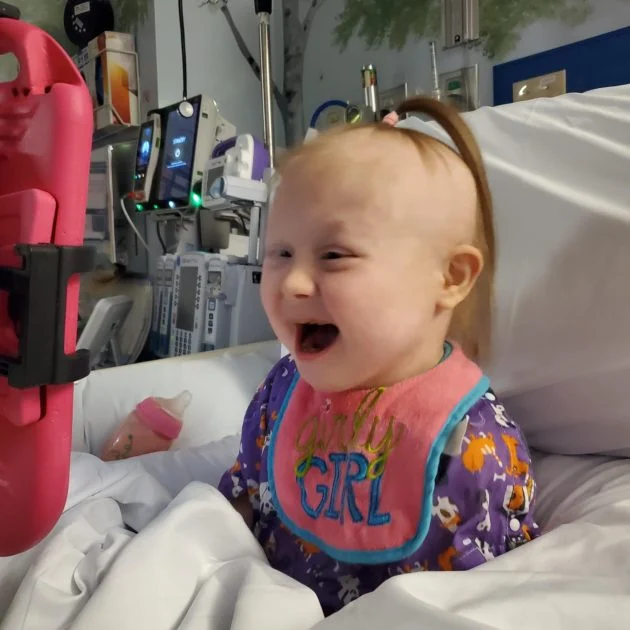
The landscape of pediatric oncology is often defined by stories of profound courage, and the journey of nine-year-old Lauren Kate stands as a testament to the fortitude required by both patients and their families when facing a life-altering diagnosis. Lauren Kate, who was born with Down syndrome, has recently transitioned from a life defined by typical childhood milestones to one marked by the rigorous demands of treating B-Cell Acute Lymphoblastic Leukemia (ALL). Her diagnosis, which occurred on September 23, 2025, has mobilized her family and medical team at East Tennessee Children’s Hospital, highlighting the complex intersection of pre-existing genetic conditions and the onset of aggressive hematological malignancies. As Lauren Kate undergoes a demanding regimen of chemotherapy and invasive procedures, her story brings necessary attention to the clinical challenges of pediatric leukemia and the vital importance of specialized care for children with diverse medical backgrounds.
The Path to Diagnosis: Clinical Presentation and Emergency Intervention
The onset of childhood leukemia often presents with non-specific symptoms that can easily be mistaken for common pediatric ailments. In the case of Lauren Kate, the first indicators were a marked decrease in energy and a noticeable departure from her usual vibrant personality. Her family observed an unusual level of fatigue and, most concerningly, the appearance of large, palpable masses beneath the skin of her neck. These "bumps" are clinically recognized as lymphadenopathy, a common sign that the lymphatic system is responding to an underlying pathology, such as infection or the proliferation of malignant cells.
Recognizing the urgency of these symptoms, Lauren’s mother sought an immediate consultation with their primary care physician. The subsequent clinical evaluation revealed alarming abnormalities in Lauren’s white blood cell count, a primary indicator of leukemia. In pediatric ALL, the bone marrow produces an overabundance of immature white blood cells, known as lymphoblasts, which crowd out healthy red blood cells, white blood cells, and platelets. This imbalance leads to the fatigue and swelling observed by Lauren’s family.
Following the initial blood work, the family was directed to East Tennessee Children’s Hospital for emergency specialized care. The hours following their arrival were characterized by a battery of diagnostic tests designed to confirm the specific subtype of the disease. On September 23, 2025, the medical team delivered the formal diagnosis: B-Cell Acute Lymphoblastic Leukemia. The news brought an immediate shift in the family’s reality, moving them from the uncertainty of a medical crisis into the structured, yet grueling, world of pediatric oncology.
Understanding B-Cell Acute Lymphoblastic Leukemia
B-Cell Acute Lymphoblastic Leukemia is the most common form of cancer diagnosed in children, representing a significant portion of pediatric oncology cases worldwide. It is a cancer of the blood and bone marrow that progresses rapidly without intervention. In B-cell ALL, the malignancy originates in the B-lymphocytes, which are responsible for producing antibodies and maintaining the body’s immune defense. When these cells become cancerous, they fail to function correctly and interfere with the production of other vital blood components.
Statistical data from the American Cancer Society indicates that while ALL is a serious diagnosis, the five-year survival rate for children has improved significantly over the last several decades, now exceeding 90% due to advancements in multi-agent chemotherapy and targeted treatments. However, the intensity of the treatment remains a significant burden on the patient. The therapeutic process typically involves several phases: induction, consolidation, and maintenance. Each phase is designed to first achieve remission and then systematically eliminate any remaining "minimal residual disease" to prevent relapse.
The Intersection of Down Syndrome and Leukemia Risk
Lauren Kate’s journey is further complicated by her pre-existing diagnosis of Down syndrome (Trisomy 21). Clinical research has long established a statistically significant link between Down syndrome and an increased predisposition to certain types of leukemia. Children with Down syndrome are estimated to have a 10 to 20 times higher risk of developing acute leukemia compared to the general pediatric population.
The biological reasons for this increased risk are rooted in the genetic landscape of Trisomy 21. The extra copy of chromosome 21 can lead to the overexpression of certain genes that regulate cell growth and division. Specifically, researchers have identified that children with Down syndrome may possess unique sensitivities to chemotherapy drugs, requiring oncologists to carefully calibrate dosages to maximize efficacy while minimizing toxicity. This specialized approach is essential, as the goal is to achieve the same high cure rates seen in other ALL patients while managing the specific physiological needs associated with Down syndrome.
The Rigors of Treatment: A Chronology of Care
Since her diagnosis in late September, Lauren Kate has entered an intensive phase of clinical intervention. The treatment of ALL is not a singular event but a prolonged series of procedures aimed at total eradication of the cancer. To date, Lauren has undergone several lumbar punctures, also known as spinal taps. These procedures are critical in pediatric leukemia to determine if the cancer cells have crossed the blood-brain barrier into the central nervous system (CNS). If cells are found, or as a preventative measure, chemotherapy is often administered directly into the spinal fluid.
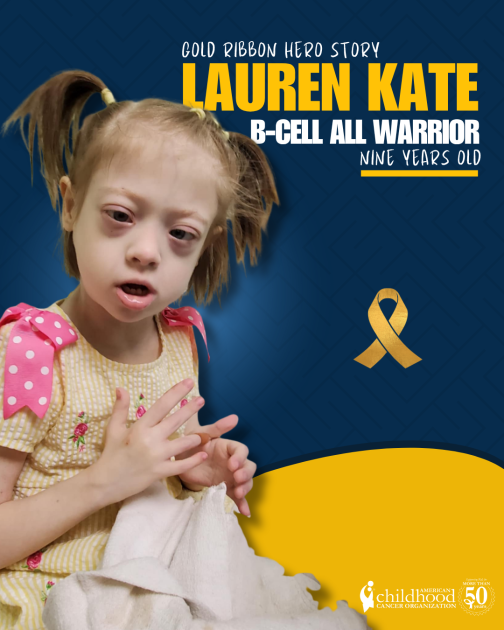
In addition to these procedures, Lauren has had a port-a-cath (or "port") surgically inserted. A port is a small medical device installed beneath the skin, usually on the chest, which allows the medical team to administer chemotherapy, fluids, and blood draws without the need for repeated needle sticks in the arms. This is a standard but significant step in long-term cancer treatment, providing a "lifeline" for the various medications Lauren requires.
The regimen also includes multiple rounds of systemic chemotherapy and bone marrow aspirations. These procedures are physically taxing and often require extended hospital stays. For a nine-year-old, the transition from a home environment to a hospital setting is a profound disruption. Despite the clinical necessity of these interventions, the emotional and psychological toll on the child and the family is immense, necessitating a comprehensive support system that includes child life specialists, social workers, and specialized nursing staff.
The Role of Family and Community Support
The impact of a childhood cancer diagnosis extends far beyond the patient, affecting the entire family structure. In Lauren Kate’s case, her family has emerged as her primary support network. The transition into the role of "caregiver" for a child with cancer involves navigating complex medical information, managing treatment schedules, and providing emotional stability during periods of intense physical distress.
Lauren’s sister, Emma, plays a vital role in maintaining a sense of normalcy. Amidst the "countless days away from home," the moments Lauren spends with Emma and watching her favorite program, Bubble Guppies, serve as essential anchors to her childhood. These "little joys," as described by those close to the family, are not merely distractions; they are therapeutic components that support a child’s mental health during a crisis.
From a broader perspective, the role of institutions like East Tennessee Children’s Hospital is paramount. These facilities provide the multidisciplinary expertise required to treat complex cases. Furthermore, advocacy organizations like the American Childhood Cancer Organization (ACCO) provide resources and a platform for families to share their stories, raising awareness and funding for research that is specifically tailored to pediatric needs rather than adult-centric models.
Broader Implications and the Need for Pediatric Research
Lauren Kate’s battle with B-Cell ALL highlights a critical reality in the medical field: the necessity for continued investment in pediatric cancer research. While survival rates for ALL are high, the long-term side effects of current treatments—including potential impacts on heart health, cognitive development, and secondary malignancies—remain a concern for survivors. This is particularly relevant for children with Down syndrome, who may face unique long-term health trajectories.
The medical community continues to advocate for "precision medicine," which involves tailoring treatment based on the genetic profile of the individual patient and their specific tumor. For patients like Lauren, advancements in immunotherapy and targeted biologics offer the hope of treatments that are more effective and less toxic than traditional chemotherapy.
Furthermore, the financial and social implications of childhood cancer are substantial. Families often face significant out-of-pocket costs, lost wages, and the logistical challenges of long-term hospitalizations. Public policy and community support systems are essential in ensuring that families can focus on the health of their child without the added burden of financial ruin.
A Vision of Courage and Hope
As Lauren Kate continues her fight, her story serves as a reminder of the resilience inherent in children. Her journey from the initial discovery of symptoms in September 2025 to her current status as a "warrior" against B-Cell ALL is a narrative shared by thousands of families each year. It is a narrative that begins with shock and disbelief but is sustained by courage, medical expertise, and the unwavering support of a community.
The diagnosis of ALL-B Cell leukemia is a formidable challenge, but it is one that the medical community is increasingly equipped to meet. Through the combination of early detection, specialized treatment protocols for children with Down syndrome, and a holistic approach to patient care, the goal remains clear: to return Lauren Kate to her life of vibrant joy, sisterhood, and the simple pleasures of being a child. The fight against childhood cancer is a collective effort, and stories like Lauren’s reinforce the urgency of the mission to ensure that no child has to face such a journey alone.
