
 By admin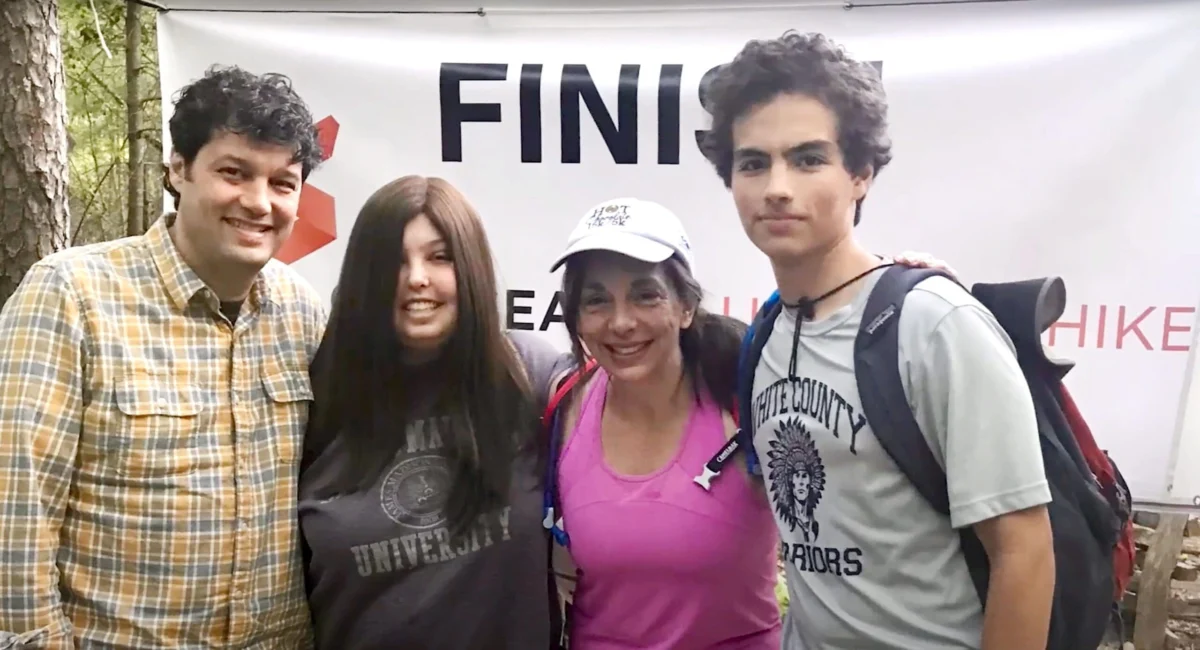
The intersection of extreme physical endurance and philanthropic commitment has found a definitive expression in the CureSearch Ultimate Hike, an endurance program dedicated to funding clinical research for pediatric cancer. Characterized by the symbolic "heart and map" logo, the initiative challenges participants to traverse rugged terrain while carrying the emotional weight of children currently battling oncological diseases. This movement represents more than a series of regional hiking events; it serves as a critical funding mechanism for CureSearch for Children’s Cancer, a national non-profit organization focused on accelerating the development of new, less toxic treatments for the youngest cancer patients. By bridging the gap between arduous physical exertion and the high-stakes world of medical research, the Ultimate Hike has transformed the landscape of charitable athletic events, fostering a community of survivors, advocates, and families united by a singular, data-driven mission.
The Landscape of Pediatric Oncology and the Research Funding Gap
To understand the necessity of the Ultimate Hike, one must first examine the current state of pediatric oncology in the United States. According to data from the National Cancer Institute (NCI) and the American Cancer Society, approximately 15,000 children and adolescents under the age of 19 are diagnosed with cancer each year. While survival rates have improved significantly over the last several decades, cancer remains the leading cause of death by disease for children in the U.S. Furthermore, those who do survive often face a lifetime of chronic health issues resulting from the "toxic treatments" mentioned by advocates—harsh chemotherapy and radiation regimens designed for adult bodies that can cause permanent damage to developing organs, cognitive function, and fertility.
The financial reality of pediatric research adds another layer of complexity. Of the total federal funding allocated to cancer research by the National Institutes of Health (NIH), only an estimated 4% is directed specifically toward childhood cancers. This disparity creates a "funding gap" that private organizations like CureSearch must fill. The Ultimate Hike serves as a primary vehicle for this endeavor, mobilizing hundreds of individuals annually to raise the capital necessary for Phase I and Phase II clinical trials, which are often overlooked by larger pharmaceutical companies due to the smaller market size of pediatric patients.
Historical Context and the Evolution of the Ultimate Hike
The CureSearch Ultimate Hike was established as a response to the need for a sustainable, high-impact fundraising model that could engage supporters on a deeper physical and emotional level than traditional walks or runs. The program typically centers on a 28.3-mile trek, often completed in a single day, across some of the most challenging trails in the United States, including the Foothills Trail in the Southeast and various segments of the Pacific Crest Trail.
Over the last decade, the program has expanded from a singular event into a national series. The chronology of the hike’s development mirrors the broader trends in "peer-to-peer" fundraising, where individual participants leverage their personal networks to meet significant donation milestones. For many participants, the journey begins months before they reach the trailhead. The program involves a rigorous 12-to-16-week training schedule designed to prepare hikers for the elevation changes and mileage, fostering a sense of discipline that participants often liken to the resilience required by families navigating a cancer diagnosis.
The Human Element: Narratives of Resilience and Remembrance
While the data underscores the importance of the hike, the qualitative impact is best understood through the stories of those on the trail. Terri Cohen, a long-time supporter, represents a segment of the hiking community that participates in memory of loved ones. Cohen’s journey began during her daughter Leah’s battle with cancer. In a poignant reflection of the event’s significance, Cohen recalls her first hike taking place as Leah reached the end of her battle. Despite the physical toll of the 28.3-mile trek, the presence of her daughter at the finish line provided a moment of profound emotional resonance.
This "heart of a lion" mentality is a recurring theme among participants. The hike attracts a diverse demographic, including bereaved parents like Cohen, survivors of childhood cancer who are now healthy enough to tackle the terrain, and medical professionals who witness the realities of the disease in clinical settings. These individuals are often referred to as "Trail Blazers," a title that reflects both their physical path and their role in pioneering new avenues for medical funding.
Logistics and the "Ultimate" Challenge
The physical demands of the Ultimate Hike are significant. Most regional events require hikers to maintain a steady pace over 28.3 miles of wilderness, often starting before sunrise and concluding at dusk. The logistics are managed by professional guides and CureSearch staff, ensuring safety while maintaining the integrity of the challenge.
- Training Regimen: Participants are provided with a structured training program that gradually increases mileage, emphasizing "back-to-back" hikes to build muscular endurance.
- Fundraising Milestones: Each hiker commits to a fundraising goal, typically ranging from $2,500 to $4,000. These funds are directed toward the CureSearch mission of ending childhood cancer.
- The "Honor" System: Hikers often carry ribbons or photos of "Honorary Hikers"—children who are currently in treatment or who have passed away—creating a direct link between the physical struggle on the trail and the medical struggle in the hospital.
The adrenaline rush associated with the hike is not merely a result of physical exertion; it is fueled by the knowledge that each step contributes to a tangible outcome. The "heart" logo with the map inside serves as a constant reminder that the journey is both internal (emotional) and external (geographic).
Financial Impact and Scientific Advancements
The implications of the funds raised through the Ultimate Hike are far-reaching. CureSearch utilizes a strategic "Accelerating Cures" model, which prioritizes research that has the highest potential for reaching clinical application. Unlike traditional academic grants that may focus on foundational science, CureSearch funding is often "translational," meaning it helps move discoveries from the laboratory bench to the patient’s bedside.
Since its inception, the Ultimate Hike has contributed millions of dollars toward:
- Targeted Therapies: Developing drugs that attack specific genetic mutations in cancer cells, reducing damage to healthy tissue.
- Immunotherapy: Researching ways to harness a child’s own immune system to fight cancer, a field that has shown immense promise in treating pediatric leukemia and neuroblastoma.
- International Collaboration: Funding consortiums that allow researchers to share data across borders, speeding up the pace of discovery for rare pediatric cancers.
Broader Implications for Public Health and Philanthropy
The success of the CureSearch Ultimate Hike offers a blueprint for other health-focused non-profits. By creating a high-barrier-to-entry event, CureSearch has cultivated a highly committed donor base. This "endurance philanthropy" model suggests that donors are increasingly seeking opportunities that offer personal transformation alongside social impact.
Furthermore, the hike brings much-needed attention to the systemic issues in drug development. Because pediatric cancers are relatively rare compared to adult lung or breast cancers, there is often a "market failure" where private industry does not see a sufficient return on investment to justify the high cost of drug development. The Ultimate Hike serves as a grassroots intervention in this market failure, providing the "de-risking" capital that can prove a drug’s efficacy in children, thereby making it more attractive for further commercial development.
Conclusion: The Future of the Trail
As the CureSearch Ultimate Hike continues to grow, its impact is measured in more than just miles covered or dollars raised. It is measured in the "brighter tomorrow" promised to children who currently face limited treatment options. The integration of hope, faith, and love into a professionalized athletic event has created a unique ecosystem of advocacy.
For participants like Terri Cohen and the hundreds of others who join the trail each year, the hike is a testament to the fact that while the terrain of pediatric cancer is rugged and often unforgiving, it is not insurmountable. Through the continued support of the hiking community and the strategic application of research funds, the goal remains a future where the "heart of a lion" is no longer a requirement for survival, but a symbol of a life lived fully, free from the shadow of disease. The trail ahead is long, but with every hiker who takes up the challenge, the pace toward a cure accelerates.
