
 By admin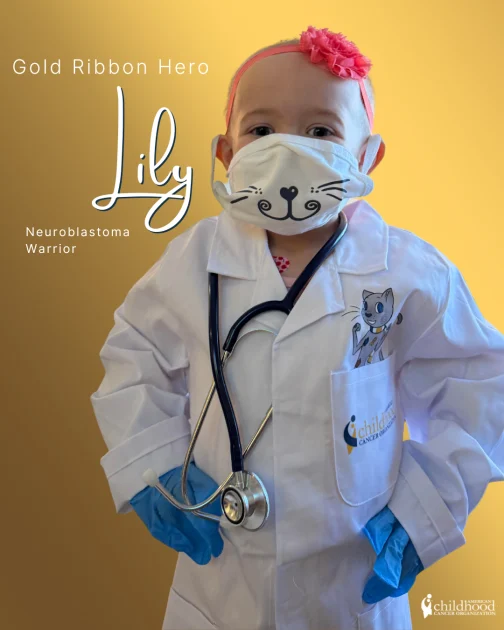
The landscape of pediatric oncology is often defined by a dichotomy of rapid medical advancement and the stark, unpredictable reality of disease recurrence. A prominent example of this struggle is the case of Lily, a two-year-old patient currently undergoing her second major confrontation with neuroblastoma. Her journey, marked by a brief period of remission followed by a rare and aggressive relapse in the central nervous system, highlights the ongoing complexities involved in treating high-risk pediatric cancers. As medical professionals and advocacy groups work to bridge the gap between treatment efficacy and long-term survival, cases like Lily’s serve as a critical focal point for understanding the current limitations and the future requirements of pediatric healthcare.
A Clinical Overview of the Patient Case
Lily’s medical history began at the age of 18 months, a period when many developmental milestones are typically the primary focus for parents and pediatricians. However, her symptoms presented as localized abdominal distress. Initially, the family sought emergency medical intervention for what appeared to be severe constipation—a common pediatric ailment that often masks more sinister underlying pathologies. Clinical imaging and subsequent diagnostic evaluations quickly corrected this initial assessment, revealing a large malignant mass located within her abdomen.
The diagnosis was confirmed as neuroblastoma, a cancer that develops from immature nerve cells found in several areas of the body. In Lily’s case, the primary tumor was abdominal, necessitating an immediate and aggressive multi-modal treatment strategy. This protocol is standard for high-risk neuroblastoma, which accounts for a significant portion of cases diagnosed in toddlers and infants.
Timeline of Diagnosis and Initial Therapeutic Interventions
The chronology of Lily’s treatment reflects the intensive nature of modern pediatric oncology protocols. Upon her initial diagnosis, she was enrolled in a rigorous regimen designed to eradicate the primary tumor and any circulating malignant cells. This included:
- Induction Chemotherapy: A series of high-dose chemical agents intended to shrink the primary tumor and address systemic disease.
- Surgical Resection: Following the reduction of the tumor size, surgeons performed an abdominal procedure to remove the primary mass.
- Bone Marrow Transplants: To counter the bone marrow suppression caused by high-dose chemotherapy, Lily underwent stem cell rescue procedures to restore her body’s ability to produce healthy blood cells.
- Radiation Therapy: Targeted high-energy beams were used to destroy any remaining microscopic cancer cells in the original tumor site.
- Immunotherapy: A modern biological therapy designed to stimulate the patient’s own immune system to recognize and destroy neuroblastoma cells.
By September 2025, after months of hospitalizations and invasive procedures, Lily was declared to be in remission. This milestone is often the goal of primary treatment, offering families a reprieve from the acute phases of clinical intervention. However, the period of stability proved to be short-lived.
The Sudden Emergence of Central Nervous System Relapse
In November 2025, only two months after completing her initial treatment, Lily began experiencing persistent headaches. Given her medical history, her parents acted with urgency, leading to a new round of diagnostic imaging. The results were devastating: the neuroblastoma had returned, but not in its original abdominal location. Instead, the cancer had metastasized to the brain.
Central Nervous System (CNS) relapse in neuroblastoma is a particularly challenging clinical scenario. Historically, the blood-brain barrier—a protective layer that prevents harmful substances from entering the brain—also prevents many standard chemotherapy drugs from reaching therapeutic levels within the cranial vault. Consequently, the brain can act as a "sanctuary site" where cancer cells survive despite successful treatment elsewhere in the body.
Upon discovery of the relapse, Lily underwent immediate brain surgery to remove the new tumor. She has since returned to a rigorous treatment schedule involving a combination of chemotherapy, immunotherapy, and localized radiation specifically targeting the CNS.
Understanding Neuroblastoma: Pathophysiology and Epidemiology
Neuroblastoma is the most common extracranial solid tumor in childhood and the most common cancer in infancy. It originates in the primordial neural crest cells, which normally develop into the sympathetic nervous system. Because these cells are found throughout the body, tumors can arise in the adrenal glands, neck, chest, or spinal cord, though the abdomen remains the most frequent primary site.
Incidence and Demographic Prevalence
Statistically, neuroblastoma accounts for approximately 7% to 10% of all childhood cancers and is responsible for nearly 15% of all pediatric cancer deaths. In the United States, roughly 700 to 800 new cases are diagnosed annually. The median age at diagnosis is approximately 17 to 18 months, placing Lily exactly within the peak demographic for this disease.
The prognosis for neuroblastoma is highly variable and depends on the "risk group" assigned at diagnosis. Factors such as age, tumor histology, and genetic markers—specifically the amplification of the MYCN oncogene—determine whether a case is low, intermediate, or high risk. High-risk patients, like Lily, face a five-year survival rate of approximately 50%, a statistic that has improved significantly from 15% in the 1970s but remains unacceptably low compared to other pediatric malignancies like leukemia.
The Complexities of Treating High-Risk Neuroblastoma
The treatment of high-risk neuroblastoma is widely considered one of the most grueling regimens in all of medicine. The necessity of using "maximal tolerated doses" of chemotherapy and radiation is driven by the aggressive nature of the cancer cells, which are prone to developing drug resistance.
The Role of High-Dose Chemotherapy and Bone Marrow Transplantation
For patients like Lily, the use of tandem bone marrow transplants (autologous stem cell transplants) has become a standard of care to improve event-free survival. This process involves harvesting the child’s own healthy stem cells, administering lethal doses of chemotherapy to kill the cancer, and then "rescuing" the patient by reinfusing the stored stem cells. While effective at reducing the primary tumor burden, the long-term side effects on a developing two-year-old’s body—including potential hearing loss, kidney dysfunction, and secondary cancers—are significant.
Advancements in Immunotherapy and Targeted Radiation
One of the most promising developments in treating neuroblastoma is the use of monoclonal antibodies, such as Dinutuximab, which target the GD2 sugar molecule found on the surface of neuroblastoma cells. By "tagging" these cells, the treatment allows the patient’s immune system to identify and eliminate them. Furthermore, the use of MIBG therapy—a specialized form of internal radiation where a radioactive isotope is attached to a molecule that neuroblastoma cells naturally absorb—has provided new avenues for treating refractory cases.
The Prognostic Implications of CNS Metastasis
The shift of Lily’s cancer to the brain represents a critical turning point in her clinical management. CNS involvement in neuroblastoma is rare at the time of initial diagnosis but occurs in about 5% to 10% of relapsed cases. Because the brain was not the primary site, the treatment must be adapted to penetrate the blood-brain barrier.
Medical experts note that a CNS relapse requires a shift in strategy, often involving craniospinal irradiation and specialized chemotherapy agents that can cross into the brain. The physical and cognitive toll of these treatments on a toddler is a major concern for clinicians, who must balance the need for aggressive eradication of the cancer with the preservation of the child’s neurological development.
The Socio-Economic Burden on Families and Caregivers
Beyond the clinical challenges, the case of Lily underscores the immense socio-economic and emotional burden placed on families. Lily’s mother has described her daughter as "playful, loving, and spicy," noting that her spirit remains a source of inspiration. However, the reality of managing a child with a relapsed terminal illness involves an exhaustive commitment of time, emotional energy, and financial resources.
The "financial toxicity" of pediatric cancer is a well-documented phenomenon. Even for families with insurance, the costs associated with travel to specialized children’s hospitals, lost wages from parents taking time off work to act as full-time caregivers, and the high price of experimental or orphan drugs can be catastrophic. For a child like Lily, whose treatment has spanned multiple years and included numerous surgeries and transplants, the cumulative costs can reach into the millions of dollars.
The Vital Role of Advocacy and Non-Profit Organizations
Organizations such as the American Childhood Cancer Organization (ACCO) play a pivotal role in supporting families in Lily’s position. Because pediatric cancer receives a disproportionately small amount of federal research funding compared to adult cancers—approximately 4% of the National Cancer Institute’s budget—non-profits are essential for filling the gap.
These organizations provide several layers of support:
- Funding Research: Directing grants toward clinical trials for relapsed neuroblastoma.
- Family Assistance: Providing resources to help parents navigate the complex medical and insurance systems.
- Advocacy: Lobbying for legislation such as the RACE for Children Act, which mandates that pharmaceutical companies test new adult oncology drugs in pediatric populations if the molecular targets are relevant.
The call for public support and donations, as highlighted in Lily’s story, is not merely a request for charity but a necessary component of the pediatric oncology ecosystem. Without private funding, many of the immunotherapy treatments that have extended the lives of children like Lily would not exist.
Future Directions in Pediatric Oncological Research
As Lily continues her second battle with neuroblastoma, the medical community is looking toward several emerging frontiers. Genomic sequencing of relapsed tumors is becoming more common, allowing doctors to identify specific mutations that might be targeted with "off-label" precision medicines. Additionally, the development of CAR-T cell therapy—where a patient’s T-cells are genetically engineered to fight their specific cancer—is currently being investigated for use in neuroblastoma.
The case of Lily is a poignant reminder that while science has made great strides, the path to a universal cure for high-risk neuroblastoma remains elusive. Her journey from an 18-month-old with stomach pain to a two-year-old "two-time neuroblastoma warrior" reflects both the fragility of life and the extraordinary advances in medical technology. The focus now remains on her current treatment plan, as her medical team and family work to achieve a second, more permanent remission through the integration of surgery, chemotherapy, and the latest in neurological radiation.
