
 By George Ongkojoyo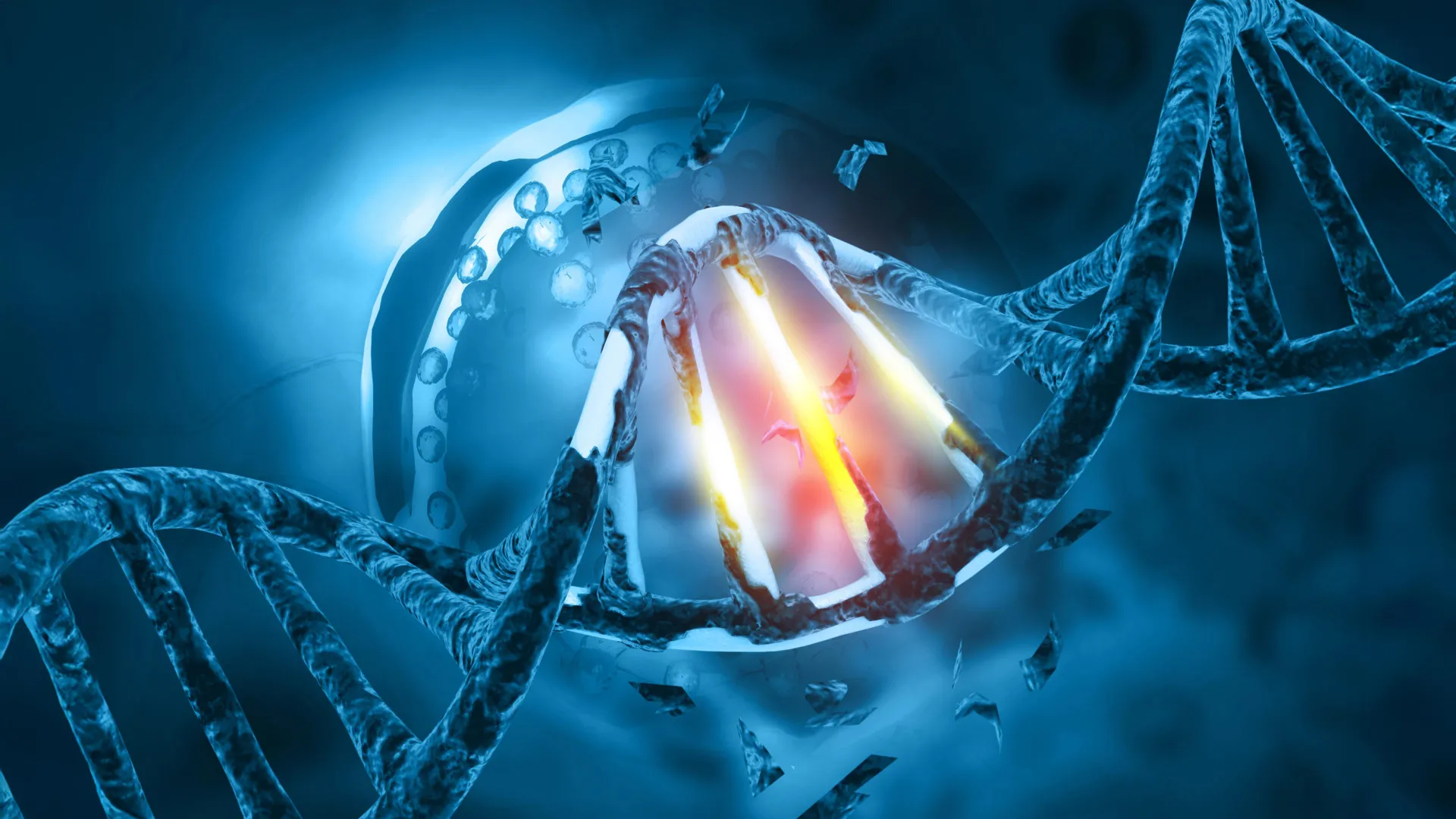
In the complex landscape of oncology, tumor suppressor genes have long been characterized as the sentinels of cellular integrity. These genetic sequences are responsible for producing proteins that monitor, maintain, and repair DNA, acting as a critical barrier against the accumulation of harmful mutations that lead to malignancy. Conventional wisdom suggests that a deficiency in these repair mechanisms—whether through genetic mutation or low protein expression—is the primary driver of cancer risk. However, groundbreaking research from the Penn State College of Medicine has unveiled a paradoxical reality: an overabundance of a specific DNA repair protein can be just as detrimental as its absence.
The study, recently published in the prestigious journal Nature Communications, identifies the gene EXO1 as a double-edged sword in cellular biology. While EXO1 is designed to facilitate genetic repair, the research team discovered that excessive activity of this gene can actively destabilize the genome, breaking down DNA structures rather than preserving them. This discovery provides a new lens through which scientists view genomic instability, a hallmark of cancer, and offers a promising new biomarker for identifying patients who may benefit from specialized, targeted therapies.
The Paradox of the Molecular Scissors
Under normal physiological conditions, the EXO1 protein functions as a set of "molecular scissors." Its primary role is to trim and excise damaged sections of DNA, allowing other repair enzymes to fill the gaps with the correct genetic sequences. This process is vital during DNA replication, a high-stakes period where the cell’s entire blueprint is duplicated.
However, the Penn State research team, led by George-Lucian Moldovan, a professor of molecular and precision medicine, found that when EXO1 is overexpressed, these molecular scissors become indiscriminate. Instead of focusing solely on damaged strands, the excess protein begins to cut and erode healthy DNA structures that should remain intact. Specifically, the study highlights two primary mechanisms of destruction: the expansion of single-stranded DNA gaps and the degradation of "reversed replication forks"—structures that form when the DNA replication machinery encounters an obstacle and needs to pause and reset.
"Regardless of which pathway, EXO1 overexpression leads to the generation and accumulation of toxic lesions in DNA, such as double-strand breaks," explained Alexandra Nusawardhana, the lead author of the study. These lesions are particularly dangerous because double-strand breaks are the most lethal form of DNA damage; if not repaired correctly, they lead to chromosomal rearrangements or cell death. In the context of a developing tumor, this instability drives the rapid evolution of cancer cells, yet it also creates a unique vulnerability that clinicians can exploit.
Mimicking the BRCA Mutation Landscape
Perhaps the most significant finding of the study is the observation that tumors with high levels of EXO1 behave remarkably like those carrying BRCA1 or BRCA2 mutations. The BRCA genes are well-known in both clinical and popular circles for their role in hereditary breast and ovarian cancers. These genes normally produce proteins that protect DNA during replication; when they are mutated, the cell loses its protective shield, leading to high levels of genomic instability.
The researchers discovered that excessive EXO1 activity can effectively "overwhelm" the cell’s protective mechanisms, including those managed by healthy BRCA proteins. This means that even in patients who do not possess a BRCA mutation, the overexpression of EXO1 can induce a state of "BRCAness." Mechanistically, the excess EXO1 works in tandem with another protein, MRE11, to enlarge DNA gaps and generate the same types of dangerous breaks seen in BRCA-deficient cells.
"Mechanistically, this overexpression does exactly what the loss of the BRCA pathway does in BRCA-mutant tumor cells," Moldovan noted. This finding is transformative because it suggests that a significant portion of the cancer population—those without inherited BRCA mutations—might still share the same therapeutic "Achilles’ heel" as BRCA-positive patients.
Statistical Prevalence Across Cancer Types
To determine the prevalence of EXO1 overexpression, the research team utilized data from The Cancer Genome Atlas (TCGA), a comprehensive genomic program managed by the National Cancer Institute. The analysis revealed that EXO1 is not an isolated issue but a widespread phenomenon across various malignancies.
The data indicates that EXO1 is overexpressed in approximately 20% to 30% of breast and ovarian cancers. It is particularly prevalent in basal-like breast cancer, a highly aggressive subtype often referred to as triple-negative breast cancer (TNBC), which typically has fewer targeted treatment options compared to other forms of the disease. Beyond gynecological and breast cancers, the researchers found evidence of elevated EXO1 levels in:
- Melanoma (skin cancer)
- Testicular cancer
- Cervical cancer
- Hepatobiliary cancers (including the liver, gallbladder, and bile ducts)
The broad presence of this biomarker across diverse tissue types suggests that EXO1 overexpression is a fundamental driver of genomic instability in a wide array of solid tumors.
Redefining Targeted Therapy and the Role of PARP Inhibitors
The clinical implications of the Penn State study are profound, particularly concerning the use of PARP (Poly ADP-ribose polymerase) inhibitors. Drugs such as olaparib are currently the standard of care for patients with BRCA-mutant cancers. PARP inhibitors work through a principle called "synthetic lethality"—they block a secondary DNA repair pathway, which, when combined with the existing repair defect in BRCA-mutant cells, causes the cancer cells to collapse and die while leaving healthy cells relatively unharmed.
By demonstrating that EXO1-overexpressing tumors mimic the BRCA-mutant phenotype, the researchers tested whether these tumors would also respond to olaparib. The laboratory experiments confirmed that tumors with elevated EXO1 were highly sensitive to the drug. This suggests that the eligibility for PARP inhibitors could be significantly expanded to include the 20-30% of patients whose tumors overexpress EXO1, regardless of their BRCA status.
Furthermore, the study explored the response of these tumors to cisplatin, a common chemotherapy agent that works by damaging the DNA of rapidly dividing cells. The findings indicated that EXO1-overexpressing cells were particularly susceptible to cisplatin. This raises the possibility that clinicians could achieve effective tumor shrinkage using lower doses of the drug, thereby reducing the severe side effects—such as kidney damage and hearing loss—often associated with high-dose platinum-based therapies.
Methodology and the Path to Precision Medicine
To ensure that the observed DNA damage was a direct result of EXO1’s biochemical activity rather than its mere presence in the cell, the researchers employed a rigorous experimental design. They created a "kinase-dead" or disabled version of the EXO1 protein that lacked its normal cutting ability. When this disabled protein was introduced into cancer cells, it did not cause the same level of DNA erosion as the functional, overexpressed version. This control confirmed that the "molecular scissors" activity was the specific culprit behind the genomic instability.
This research aligns with the burgeoning field of precision medicine, which seeks to move away from the traditional "one-size-fits-all" approach to oncology. Traditionally, cancer treatments have been determined by the organ of origin—treating all breast cancers or all liver cancers with similar protocols. However, the discovery of EXO1 as a biomarker supports a "site-agnostic" approach.
"We shouldn’t treat cancers based on what tissue they come from but based on the landscape of the genetic mutations present in the tumors," Moldovan said. "That would result in high-efficiency treatment. That’s the future of cancer treatment."
Chronology and Future Directions
The study represents the culmination of several years of investigation into DNA replication stress and genomic maintenance. The identification of EXO1’s role follows previous work by the Penn State team and other international groups exploring the "BRCAness" phenotype.
With the publication of these findings in Nature Communications, the research enters a new phase. The team plans to continue their investigation into the regulatory mechanisms that cause EXO1 to be overproduced in the first place. While BRCA mutations are often inherited, EXO1 overexpression appears to be an acquired trait within the tumor itself. Understanding the "trigger" for this overexpression could lead to preventative strategies or even earlier diagnostic tools.
The long-term goal is the initiation of clinical trials. These trials will likely involve screening patients for EXO1 levels and then stratifying them to receive PARP inhibitors or low-dose cisplatin. If successful, EXO1 could become a standard part of the diagnostic panel for various cancers, providing a roadmap for oncologists to select the most effective, least toxic treatments for their patients.
The work was supported by the National Institutes of Health (NIH) and Four Diamonds, an organization dedicated to childhood cancer research. As the medical community continues to digest these findings, the shift toward a more nuanced understanding of DNA repair proteins marks a significant step forward in the global effort to turn cancer into a manageable, and ultimately curable, condition.
