
 By admin
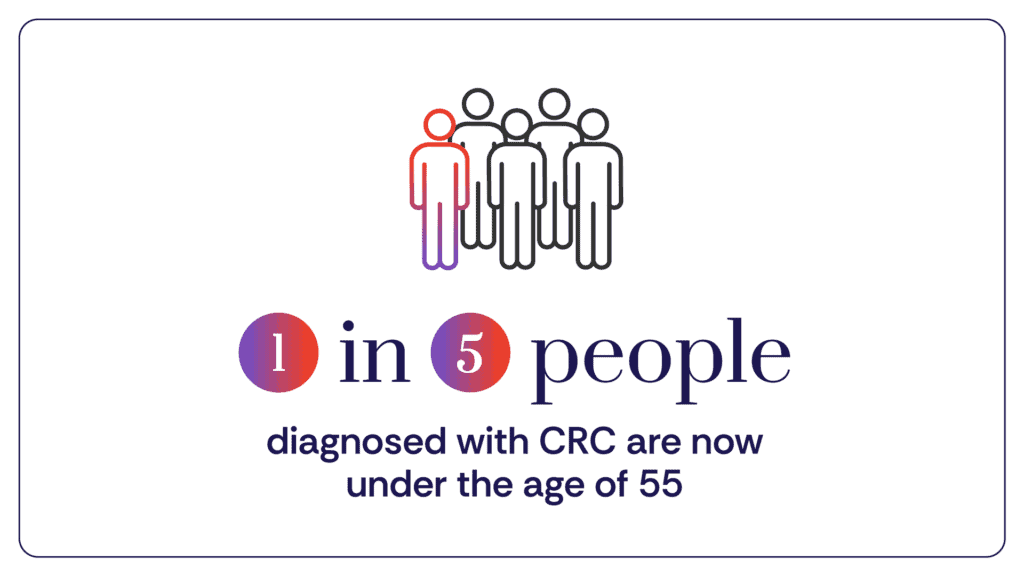
Colorectal cancer (CRC), once predominantly considered a disease of older age, is now surging at an alarming rate among younger adults, fundamentally reshaping its epidemiological profile and challenging long-held assumptions about its risk factors and prevention. Today, a staggering one in five diagnoses of colorectal cancer occurs in individuals under the age of 55, positioning it as a leading cause of cancer-related death in young people. This troubling trend underscores an urgent need for heightened awareness, revised screening strategies, and a deeper understanding of the evolving risk landscape. Recognizing personal risk factors and acting proactively through early screening and lifestyle modifications could prove life-saving in the face of this silent epidemic.
A Shifting Landscape: Understanding the Epidemiological Shift
In the United States, colon cancer and rectal cancer, collectively known as colorectal cancer (CRC), represent a significant public health burden. The American Cancer Society (ACS) consistently identifies CRC as the third most commonly diagnosed cancer and the third leading cause of cancer-related death for both men and women. Projections for 2026 are sobering, with an estimated 108,860 new cases of CRC expected to be diagnosed across the U.S., leading to approximately 55,230 deaths. The lifetime risk for an individual is approximately 1 in 25 for men and 1 in 26 for women, highlighting the pervasive nature of the disease.
What makes the current situation particularly concerning is the stark divergence in incidence rates across age groups. While CRC incidence has seen a slight decline in the overall population, largely due to effective screening programs targeting older adults, rates in individuals under 50 are escalating rapidly. Data indicates a nearly 3% annual increase in CRC among those under 50, a demographic previously considered low-risk. This "paradox" — declining rates in older adults contrasted with rising rates in younger cohorts — has puzzled researchers and medical professionals, prompting a global re-evaluation of the disease’s etiology.
The rise in early-onset CRC is not unique to the United States; similar trends have been observed in other developed nations, including Canada, Australia, and several European countries. This suggests that shared environmental or lifestyle factors prevalent in industrialized societies may be contributing to the phenomenon. The implications are profound, as younger patients are often diagnosed at later stages, partly due to a lack of awareness among both patients and clinicians who may not consider CRC in younger individuals, leading to delayed diagnosis and potentially poorer prognoses.
Deciphering the Causes: Risk Factors in Focus
The complex interplay of various factors contributes to an individual’s risk of developing CRC, with some being modifiable through lifestyle choices and others being beyond personal control. Understanding these factors is crucial for prevention and early intervention.
Modifiable Risk Factors:
- Diet: A substantial body of evidence links dietary patterns to CRC risk. Diets high in processed meats (e.g., bacon, sausage, deli meats) and red meats (e.g., beef, pork, lamb) are consistently associated with increased risk. The World Cancer Research Fund (WCRF) recommends limiting red meat consumption to 12–18 ounces per week and minimizing processed meats altogether. Conversely, diets low in fiber, fruits, and vegetables, which are characteristic of many Western dietary patterns, are also implicated. These diets often lead to chronic inflammation and alterations in the gut microbiome, both of which are believed to play a role in colorectal carcinogenesis. The lack of fiber can slow transit time, increasing exposure of the colon lining to potential carcinogens.
- Physical Inactivity and Obesity: Sedentary lifestyles and excess body weight are well-established risk factors for CRC. Obesity contributes to chronic inflammation, insulin resistance, and altered hormone levels, all of which can promote cancer cell growth. Regular physical activity, even moderate levels such as 30 to 60 minutes of brisk walking daily, can significantly support overall colon health by improving gut motility, reducing inflammation, and helping maintain a healthy weight.
- Smoking and Alcohol Use: Long-term tobacco smoking is a potent carcinogen, increasing the risk of various cancers, including CRC. Heavy and regular alcohol consumption is also linked to an elevated CRC risk. Both substances can damage DNA and promote inflammatory pathways. Quitting smoking and moderating alcohol intake are critical steps in reducing risk, and healthcare providers can offer support and resources for cessation.
- Emerging Theories: Beyond these established factors, researchers are exploring other potential contributors to early-onset CRC. Changes in the gut microbiome, influenced by diet, antibiotic use, and environmental exposures, are a significant area of investigation. Environmental toxins, microplastics, and widespread use of certain medications (e.g., non-steroidal anti-inflammatory drugs, though some have shown protective effects, their overall impact is complex) are also being examined as possible factors.
Non-Modifiable Risk Factors:
- Age: While risk traditionally increases with age, particularly after 50, the rising rates in younger adults emphasize that age alone is no longer a definitive shield. This shift necessitates awareness at every stage of adulthood.
- Family History and Genetics: A strong family history of colorectal cancer or adenomatous polyps significantly elevates an individual’s risk. Inherited genetic conditions account for a smaller but significant proportion of CRC cases.
- Lynch Syndrome (hereditary nonpolyposis colorectal cancer – HNPCC): This is the most common inherited cause of CRC, accounting for 2-5% of all cases. It involves mutations in mismatch repair genes, leading to an increased risk of CRC and several other cancers.
- Familial Adenomatous Polyposis (FAP): A rare genetic disorder characterized by the development of hundreds to thousands of adenomatous polyps in the colon and rectum, typically starting in teenage years. Without intervention, FAP almost invariably leads to CRC by age 40.
- MYH-Associated Polyposis (MAP): A recessive genetic condition causing multiple colorectal polyps and an increased CRC risk.
Individuals with these conditions require early and more frequent screening, often beginning in their teens or early twenties, as advised by their physicians.
- Race and Ethnicity: Persistent health disparities contribute to varied CRC incidence and mortality rates. In the U.S., American Indian and Alaska Native populations experience the highest CRC incidence, followed by African Americans. These disparities are influenced by a complex interplay of genetic predispositions, cultural dietary patterns, and, crucially, systemic barriers to healthcare access, including screening and timely treatment.
- Chronic Inflammatory Conditions: Long-standing inflammatory bowel diseases (IBD), such as ulcerative colitis and Crohn’s disease, significantly increase the risk of CRC. Chronic inflammation of the colon and rectum, particularly over many years, can lead to cellular changes that predispose individuals to cancer development. Patients with IBD require specialized surveillance programs tailored to their individual risk profile.
Understanding these risk factors is not intended to instill fear but rather to empower individuals with knowledge. Many risks are indeed modifiable, and informed, proactive steps can profoundly impact prevention and early detection, ultimately saving lives.
The Critical Importance of Early Detection and Screening
One of the most powerful weapons against colorectal cancer is early detection. When caught early, CRC is highly treatable, with survival rates exceeding 90% for localized disease. However, early symptoms are often subtle and non-specific, leading to delayed diagnosis, especially in younger individuals where CRC is often not initially suspected.
Know the Symptoms:
It is crucial for everyone, regardless of age, to be aware of the potential symptoms and to seek medical attention if they persist:
- Changes in bowel habits: Persistent diarrhea, constipation, or a change in the consistency of stool that lasts for more than a few days.
- Rectal bleeding or blood in the stool: Bright red blood or dark, tarry stools can indicate bleeding from the colon or rectum. This symptom is often dismissed as hemorrhoids, especially in younger adults, leading to dangerous delays.
- Persistent abdominal discomfort: Cramps, gas, or pain that doesn’t go away.
- A feeling that your bowel doesn’t empty completely.
- Unexplained weight loss: Losing weight without trying.
- Fatigue or weakness: Often a symptom of iron-deficiency anemia caused by chronic blood loss from the tumor.
If any of these symptoms are experienced, particularly if they persist, it is imperative to schedule an appointment with a healthcare provider to discuss concerns. Prompt investigation can make a critical difference.
Evolving Screening Guidelines:
Recognizing the rising incidence in younger populations, major health organizations have updated their screening recommendations. The American Cancer Society, for instance, now recommends that individuals at average risk begin regular colorectal cancer screening at age 45, a significant reduction from the previous age of 50. For individuals with additional risk factors, such as a strong family history or certain genetic conditions, screening may need to begin even earlier, sometimes as early as their 20s or 30s. A personalized discussion with a doctor is essential to determine the most appropriate screening plan.
Common Screening Options:
- Colonoscopy: Considered the "gold standard" for CRC screening. A flexible, camera-equipped scope allows for a thorough examination of the entire colon and rectum. Critically, precancerous polyps can be identified and removed during the same procedure, preventing them from developing into cancer. Colonoscopies are typically performed every 10 years for average-risk individuals with normal results.
- Stool-Based Tests: These non-invasive tests detect hidden blood or abnormal DNA in stool samples and can be completed conveniently at home.
- Fecal Immunochemical Test (FIT): Detects human blood in the stool.
- Guaiac-based Fecal Occult Blood Test (gFOBT): Detects blood using a chemical reaction.
- Stool DNA Test (e.g., Cologuard): Detects altered DNA and blood biomarkers that may indicate the presence of polyps or cancer.
These tests are typically performed more frequently (annually or every few years) and, if positive, usually require a follow-up colonoscopy. They are valuable for increasing screening participation due to their ease of use.
- Blood-Based Screening Tests: A significant development occurred in 2024 with the FDA approval of the first blood test for colorectal cancer screening. These tests work by detecting tumor-derived DNA fragments in the bloodstream, offering a less invasive option that holds promise for improving screening adherence. While exciting, it’s important to note that blood tests do not currently replace the diagnostic and therapeutic capabilities of a colonoscopy for all patients and should be discussed with a healthcare provider to understand their appropriate role in a screening strategy.
- CT Colonography (Virtual Colonoscopy): This imaging technique uses X-rays and a computer to create detailed images of the colon and rectum, allowing for the detection of polyps or masses. If abnormalities are found, a conventional colonoscopy is usually required.
Advances in screening technology and updated guidelines are critical steps in detecting CRC earlier when it is most treatable, offering a powerful defense against this increasingly prevalent disease.
Addressing Healthcare Disparities: The Equity Imperative
Healthcare disparities represent a significant "care gap" that exacerbates CRC rates and outcomes, particularly in vulnerable communities. Communities characterized by high poverty levels, geographic isolation (e.g., rural areas), and limited access to healthcare infrastructure often experience disproportionately high mortality rates from CRC. These disparities are not merely statistical; they reflect systemic inequities.
Barriers to equitable care include:
- Geographic Access: Remote locations may lack specialists, screening facilities, or even basic primary care, forcing long travel distances or delaying care.
- Financial Barriers: High costs of screening procedures, co-pays, and deductibles, even with insurance, can be prohibitive for many. Lack of adequate insurance coverage is a major impediment.
- Cultural and Linguistic Barriers: Healthcare systems may not be culturally competent or provide materials in diverse languages, leading to misunderstandings and mistrust.
- Systemic Bias: Historical and ongoing biases within healthcare can affect how symptoms are perceived and how aggressively screening and treatment are offered to different racial and ethnic groups.
For instance, the disproportionately high CRC incidence and mortality among Alaska Native populations are influenced by a complex interplay of genetic factors, traditional dietary patterns undergoing rapid modernization, and substantial barriers to screening access, including remote locations and limited specialist availability. Similarly, African Americans face higher rates of diagnosis and death from CRC, often due to later-stage diagnoses linked to socioeconomic factors and systemic barriers to timely screening and follow-up care.
Addressing these disparities is not just a matter of social justice but a public health imperative. It requires multi-faceted approaches, including expanding access to affordable screening, prevention programs, and high-quality treatment across all communities. Initiatives focusing on mobile screening units, community health workers, telemedicine, and culturally tailored health education are crucial. While progress is being made through advocacy and policy changes, substantial work remains to ensure equitable access to life-saving CRC care for everyone.
Advancements in Treatment and the Promise of Research
Receiving a colorectal cancer diagnosis can be overwhelming, but it is important to remember that effective treatment options are available, and the field of oncology is continuously advancing. Treatment strategies are highly individualized, depending on the stage of the cancer, its location, and its specific molecular characteristics.

Common treatment modalities include:
- Surgery: Often the primary treatment for early-stage CRC, involving the removal of the cancerous portion of the colon or rectum and nearby lymph nodes. Advances in minimally invasive surgical techniques (laparoscopic or robotic surgery) have improved recovery times.
- Chemotherapy: The use of powerful drugs to kill cancer cells, administered intravenously or orally. Chemotherapy may be given before surgery (neoadjuvant) to shrink tumors, after surgery (adjuvant) to eliminate remaining cancer cells and reduce recurrence risk, or for advanced/metastatic disease.
- Radiation Therapy: Utilizes high-energy X-rays or other particles to destroy cancer cells. It is most commonly used for rectal cancer, often in combination with chemotherapy, to shrink tumors before surgery or to kill remaining cancer cells afterward.
- Targeted Therapy: These drugs specifically target certain genes or proteins that are unique to cancer cells, thereby minimizing damage to healthy cells. Examples include therapies that block growth factor receptors or angiogenesis (blood vessel formation that feeds tumors).
- Immunotherapy: A revolutionary approach that harnesses the body’s own immune system to fight cancer. Certain CRC tumors, particularly those with specific genetic characteristics like high microsatellite instability (MSI-high) or mismatch repair deficiency (dMMR), respond exceptionally well to checkpoint inhibitor immunotherapies.
The landscape of CRC treatment is dynamic, with ongoing research continually expanding possibilities and improving survival outcomes. Clinical trials play a vital role in developing new drugs and refining existing treatments, offering hope to patients, especially those with advanced disease or those for whom standard therapies have been ineffective. Multidisciplinary teams, including oncologists, surgeons, radiation oncologists, pathologists, and genetic counselors, work collaboratively to develop the most effective and personalized treatment plans for each patient.
A Call to Action: Spreading Awareness and Empowering Prevention
March, Colorectal Cancer Awareness Month, serves as a critical annual reminder to bring this vital health issue into public discourse. It is time to normalize conversations about gut health, bowel habits, and the importance of screening, dispelling the stigma that often surrounds discussions of colorectal health.
Every individual has a role to play:
- Be Informed: Understand your personal and family medical history. Ask your doctor about your risk factors.
- Adopt Healthy Habits: Embrace a balanced diet rich in fiber, fruits, and vegetables, limit red and processed meats, maintain a healthy weight, engage in regular physical activity, and avoid smoking and excessive alcohol consumption.
- Know Your Body: Pay attention to persistent changes in bowel habits or any other concerning symptoms. Do not hesitate to seek medical advice.
- Get Screened: Discuss appropriate screening options and timelines with your healthcare provider. Adhere to recommended screening schedules.
- Spread the Word: Share this crucial information with friends, family, and within your community. Encourage loved ones to understand their risk, recognize symptoms, and stay up to date with screening. Patient advocacy groups, public health campaigns, and social media initiatives are powerful tools for disseminating information and fostering a culture of proactive health management.
By fostering open dialogue, promoting healthy lifestyles, expanding equitable access to screening and care, and investing in continued research, we can collectively raise awareness, empower individuals to take control of their health, and move closer to a future where colorectal cancer is preventable, detectable, and treatable for everyone. The rising rates in younger adults are a wake-up call that cannot be ignored; our collective action now will define the future trajectory of this critical health challenge.
