
 By Gabriel Paijo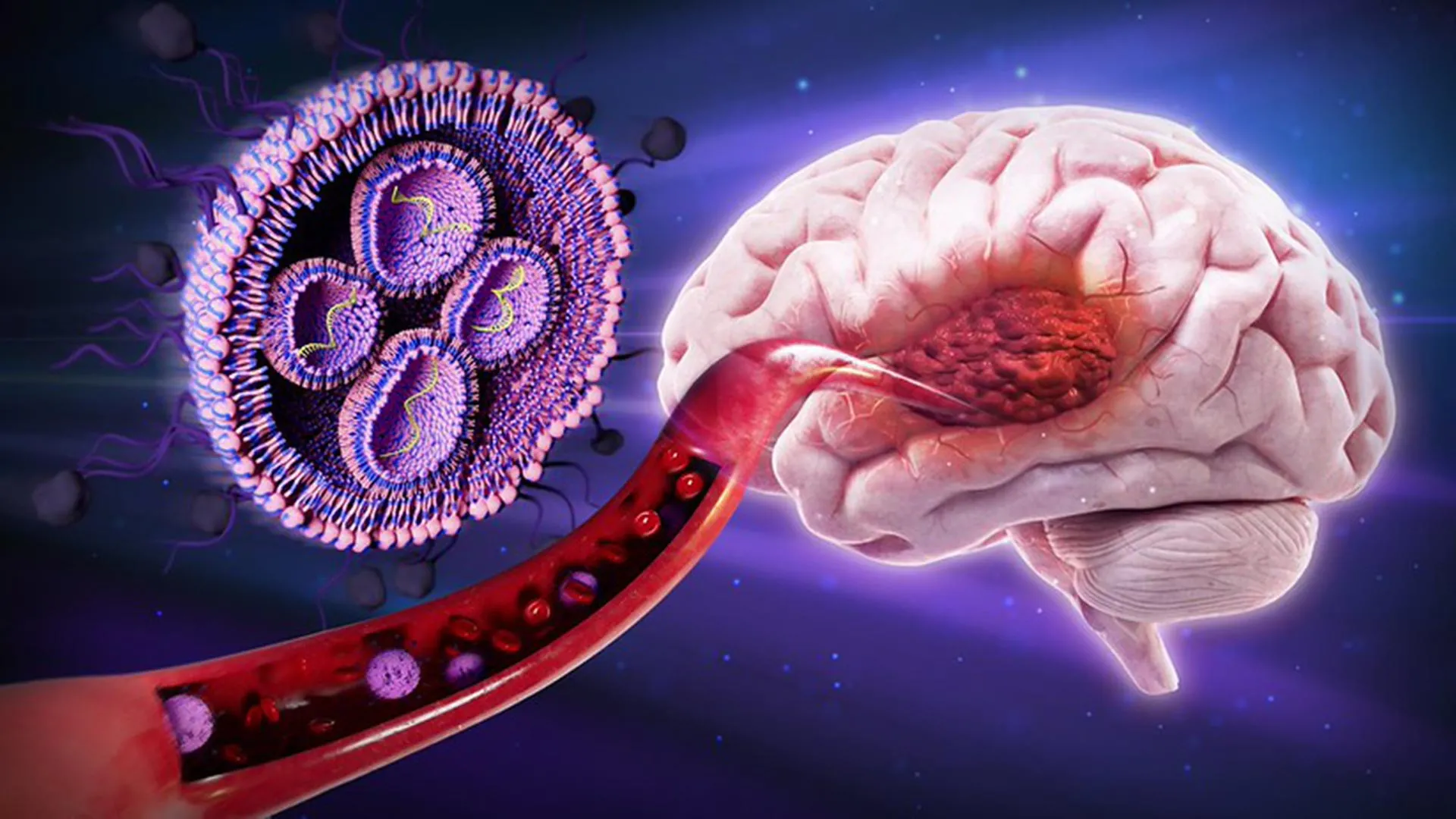
Researchers at Oregon State University have pioneered a sophisticated experimental strategy to combat glioblastoma, the most lethal and aggressive primary brain tumor in adults, by utilizing sugar-coated nanoparticles to bypass the central nervous system’s natural defenses. This breakthrough, led by a multidisciplinary team from the OSU College of Pharmacy, addresses the two most significant hurdles in neuro-oncology: the impenetrable nature of the blood-brain barrier (BBB) and the difficulty of delivering therapeutic payloads exclusively to malignant cells without damaging the delicate architecture of the surrounding brain tissue. By leveraging the metabolic "hunger" of cancer cells, the researchers have successfully demonstrated a method to sneak tumor-suppressing genetic material into the heart of the disease, resulting in a 50% increase in median survival time within animal models.
The Formidable Challenge of Glioblastoma Multiforme
Glioblastoma multiforme (GBM) remains one of the most devastating diagnoses in modern medicine. Characterized by its rapid growth, invasive nature, and high rate of recurrence, it accounts for nearly half of all primary malignant brain tumors. Despite decades of intensive research and the implementation of the "Stupp Protocol"—a standard of care involving surgical resection followed by radiotherapy and chemotherapy with temozolomide—the prognosis for patients remains grim. Statistics from the American Cancer Society and the National Brain Tumor Society indicate that fewer than 30% of patients survive for two years post-diagnosis, and the five-year survival rate languishes below 5%.
The incidence of glioblastoma in the United States is approximately 3.19 cases per 100,000 people annually. The disease exhibits a slight predilection for males and typically manifests in older adults, with a median age of diagnosis at 64. The primary reason for the lack of therapeutic progress is the brain’s unique physiology. The blood-brain barrier, a highly selective semipermeable border of endothelial cells, prevents more than 98% of small-molecule drugs and nearly 100% of large-molecule biologics from entering the brain. Furthermore, the diffuse nature of glioblastoma means that even after successful surgery, microscopic "satellite" cells often remain, leading to inevitable relapse.
Engineering a Molecular "Trojan Horse"
The research team at Oregon State University, spearheaded by Oleh Taratula, Olena Taratula, and Yoon Tae Goo, focused their efforts on creating a delivery vehicle capable of navigating the body’s internal security systems. Their solution involves lipid nanoparticles (LNPs)—microscopic fatty spheres similar to those used in mRNA-based COVID-19 vaccines—but with a crucial modification: a sugar-based camouflage.
The innovation centers on the use of mannose, a sugar closely related to glucose. Glucose is the primary fuel source for the brain, and because the brain has such high energy demands, the blood-brain barrier is equipped with specialized transporters known as GLUT1. These transporters act as gates, ushering glucose from the bloodstream into the central nervous system. The OSU team recognized that GLUT1 also possesses an affinity for mannose. By "sugar-coating" the nanoparticles with mannose, they effectively tricked the GLUT1 transporters into pulling the therapeutic particles across the blood-brain barrier.
However, the challenge was not merely to use mannose, but to use enough of it to be effective. In the bloodstream, nanoparticles must compete with high concentrations of natural glucose for the attention of GLUT1 transporters. To overcome this, the researchers chemically tethered mannose to cholesterol, a fundamental structural component of the nanoparticle shell. This chemical engineering allowed them to increase the surface density of the sugar coating sixfold compared to previous methods, ensuring the particles could outcompete glucose and achieve high-efficiency entry into the brain.
Restoring the Body’s Natural Defenses: The PTEN Mechanism
Once across the blood-brain barrier, the nanoparticles faced their second challenge: identifying and entering the tumor cells. Glioblastoma cells are notoriously metabolically active; to fuel their rapid division, they overexpress GLUT1 transporters at levels three times higher than healthy brain cells. This biological quirk allowed the sugar-coated nanoparticles to preferentially accumulate within the tumor mass, sparing healthy neurons and glia.
The cargo carried by these nanoparticles is messenger RNA (mRNA) designed to produce a protein called PTEN (Phosphatase and Tensin Homolog). In a healthy body, PTEN acts as a critical tumor suppressor, regulating the cell cycle and preventing cells from growing and dividing too rapidly. In many cases of glioblastoma, the gene responsible for PTEN is either mutated, deleted, or silenced, removing the "brakes" on cellular growth and allowing the cancer to proliferate unchecked.
By delivering PTEN-encoding mRNA directly into the cytoplasm of the tumor cells, the OSU researchers essentially "rebooted" the cells’ natural growth-control mechanisms. To ensure the fragile mRNA survived the journey, the team incorporated a positively charged cholesterol derivative within the nanoparticle, which electrostatically bound the genetic material, shielding it from enzymatic degradation until it reached its destination.
Experimental Success and Supporting Data
The findings, published in the Journal of Controlled Release, provide compelling evidence for the efficacy of this approach. In preclinical trials using mouse models of glioblastoma, the treatment demonstrated a significant therapeutic impact. The primary metric of success was the 50% increase in median survival time compared to control groups.
Beyond survival rates, the researchers observed tangible physiological changes. Repeated dosing led to measurable tumor shrinkage. Critically, the study monitored for organ toxicity—a common side effect of systemic cancer treatments. Because the nanoparticles were so precisely targeted to the tumor via the GLUT1 pathway, the researchers reported no detectable damage to the liver, kidneys, or other vital organs. This high level of biocompatibility is essential for translating the therapy into human clinical trials, where the "therapeutic window"—the balance between efficacy and safety—is often very narrow.
The study also highlighted the importance of the nanoparticle’s structural integrity. The use of the positively charged cholesterol derivative proved vital in maintaining the stability of the mRNA payload. Without this specific formulation, the genetic instructions would likely have broken down before they could be translated into the PTEN protein, rendering the treatment ineffective.
A Timeline of Scientific Advancement
The development of this strategy is the culmination of several years of iterative research at Oregon State University.
- Initial Phase: Identification of PTEN deficiency as a primary driver of glioblastoma resistance.
- Developmental Phase: Research into lipid nanoparticle formulations, influenced by the global success of mRNA technology in 2020 and 2021.
- Engineering Breakthrough: The discovery that mannose-cholesterol conjugation could significantly increase the density of sugar on the nanoparticle surface, solving the competition issue with blood glucose.
- Validation Phase: Extensive testing in in vitro (cell) models followed by in vivo (animal) models to confirm the ability of the particles to cross the blood-brain barrier.
- Current Status: Publication of the findings and the commencement of further studies to refine the dosage and explore the potential for combination therapies.
Analysis of Implications and Future Outlook
The implications of this research extend far beyond the treatment of glioblastoma. The ability to reliably and safely transport large molecules like mRNA across the blood-brain barrier is a "holy grail" in neurology. If this delivery platform can be standardized, it could theoretically be used to treat a wide array of central nervous system disorders. For instance, similar nanoparticles could carry genetic instructions to treat neurodegenerative diseases like Alzheimer’s or Parkinson’s, or to deliver specialized proteins for the treatment of rare genetic brain disorders in children.
Furthermore, the targeting mechanism—exploiting the metabolic reprogramming of cancer cells—offers a blueprint for treating other types of brain tumors, such as metastatic brain cancer originating from the lungs or breast. These secondary tumors often share the same high-glucose requirements as glioblastoma, making them potential candidates for mannose-coated nanoparticle therapy.
However, the path to clinical application remains long. While the mouse model results are promising, the human brain is significantly more complex, and the blood-brain barrier in humans presents different physiological hurdles. The next steps will involve scaling up production of the nanoparticles and conducting rigorous Phase I clinical trials to ensure human safety.
Collaborative Research and Institutional Support
This breakthrough was made possible through the collaborative efforts of a diverse team of scientists at the OSU College of Pharmacy. In addition to the lead researchers, contributors included Vincent Cataldi, Vladislav Grigoriev, Neera Yadav, Tetiana Korzun, Chao Wang, and Adam Alani. Their combined expertise in pharmacology, molecular biology, and nanotechnology was essential in bridging the gap between theoretical chemistry and biological application.
The research received significant backing from major scientific institutions, reflecting the high priority placed on finding a cure for glioblastoma. Funding was provided by the National Cancer Institute (NCI) of the National Institutes of Health (NIH), as well as the Eunice Kennedy Shriver National Institute of Child Health and Human Development. International support was also provided by the National Research Foundation of Korea, highlighting the global importance of the study.
As the oncology community moves toward more personalized and genetically driven treatments, the work at Oregon State University stands as a testament to the power of precision medicine. By combining advanced nanotechnology with a deep understanding of cancer metabolism, researchers are finally beginning to crack the defenses of the body’s most protected organ, offering a glimmer of hope to those facing the world’s most difficult-to-treat cancer.
