
 By admin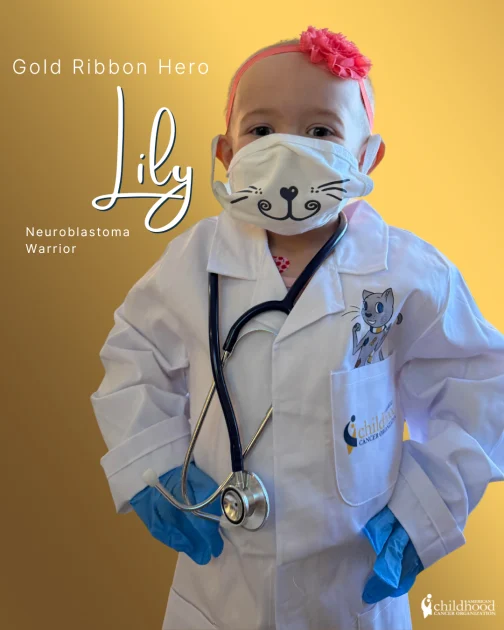
The medical journey of Lily, a two-year-old child diagnosed with neuroblastoma, serves as a poignant illustration of the complexities, clinical hurdles, and emotional toll associated with high-risk pediatric cancers. Initially diagnosed at the age of 18 months, Lily has undergone an intensive multi-modal treatment regimen, including a period of remission followed by a central nervous system (CNS) relapse. Her case underscores the persistent difficulties in treating neuroblastoma, a malignancy that remains one of the most common and challenging solid tumors found in early childhood.
Clinical Presentation and Initial Diagnosis
In early 2024, at 18 months of age, Lily began exhibiting symptoms of abdominal distress. Her parents initially sought emergency medical intervention for what appeared to be severe constipation. Such clinical presentations are common in pediatric oncology, where abdominal tumors can mimic gastrointestinal issues by placing physical pressure on the bowel or bladder. However, upon clinical evaluation and diagnostic imaging, medical professionals identified a large mass situated within her abdomen.
Subsequent biopsies and staging confirmed a diagnosis of neuroblastoma. Neuroblastoma is a cancer that develops from immature nerve cells (neuroblasts) found in several areas of the body, most commonly arising in and around the adrenal glands, which have similar origins to nerve cells. It is the most common extracranial solid tumor in children, accounting for approximately 7% to 10% of all childhood cancers and nearly 15% of all pediatric cancer-related deaths.
The Standard of Care for High-Risk Neuroblastoma
Upon diagnosis, Lily was immediately enrolled in an aggressive treatment protocol designed for high-risk neuroblastoma. The standard of care for this malignancy is historically one of the most intensive in the field of pediatric medicine, involving a multi-phased approach:
- Induction Chemotherapy: This phase aims to shrink the primary tumor and eliminate any circulating metastatic cells. For Lily, this involved multiple rounds of high-dose cytotoxic agents.
- Surgical Resection: Once the tumor had been sufficiently reduced in size, surgeons performed a complex procedure to remove the abdominal mass. The goal of such surgery is "gross total resection," though the proximity of these tumors to major blood vessels and vital organs often complicates the process.
- Consolidation Therapy (Bone Marrow Transplant): To ensure the eradication of any remaining microscopic disease, Lily underwent autologous bone marrow transplants (stem cell rescue). This process involves harvesting a patient’s own healthy stem cells, administering lethal doses of chemotherapy to kill any lingering cancer, and then reinfusing the stem cells to rebuild the immune system.
- Radiation Therapy: External beam radiation was utilized to target the original site of the tumor, reducing the likelihood of local recurrence.
- Immunotherapy: As a final stage in her initial treatment, Lily received immunotherapy. Modern protocols often utilize monoclonal antibodies, such as dinutuximab, which target the GD2 protein expressed on the surface of neuroblastoma cells, prompting the patient’s own immune system to identify and destroy the malignant cells.
Throughout this grueling process, which spanned over a year, Lily’s medical team and family reported that she faced each hospital stay and procedure with a resilience often described by her mother as "spicy" and "inspiring." In September 2025, after completing the prescribed protocol, diagnostic scans showed no evidence of disease (NED), and Lily officially entered remission.
The Challenge of Central Nervous System Relapse
The period of remission was tragically brief. In November 2025, only two months after being declared cancer-free, Lily began experiencing persistent headaches. Her parents, sensitized to the nuances of her health following her initial battle, acted immediately to seek neurological consultation. Subsequent imaging revealed a relapse, but with a complicating factor: the cancer had returned in her brain.
A CNS relapse in neuroblastoma represents a significant clinical challenge. Historically, the brain was considered a "sanctuary site" for neuroblastoma because many standard chemotherapy drugs do not easily cross the blood-brain barrier. While systemic treatments may successfully clear the body of disease, isolated cells that have migrated to the central nervous system can remain protected and later proliferate.
Upon discovery of the brain involvement, Lily underwent immediate neurosurgery to resect the new tumor. Following the surgery, she was placed back onto an intensive treatment track involving a combination of chemotherapy, radiation targeted at the brain and spine, and further immunotherapy. The transition from a "survivor" back to an "active patient" within a span of eight weeks highlights the volatile nature of high-risk pediatric malignancies.
Statistical Landscape and Research Context
Lily’s story is a microcosm of the broader landscape of pediatric cancer research and the specific statistics surrounding neuroblastoma. According to the American Cancer Society and the National Cancer Institute (NCI), approximately 700 to 800 new cases of neuroblastoma are diagnosed each year in the United States.
While the five-year survival rate for neuroblastoma has improved significantly over the last few decades—now hovering around 80% for all cases—the outlook for the "high-risk" subgroup remains more guarded. For children whose neuroblastoma relapses, particularly in the central nervous system, the prognosis is statistically more difficult, as the disease often becomes resistant to the therapies used during the initial induction phase.
The scientific community continues to investigate why certain neuroblastomas are more aggressive than others. Key biological markers, such as the MYCN gene amplification, play a critical role in determining the risk level and the likelihood of relapse. In cases like Lily’s, the focus of current research is shifting toward "precision medicine," where treatments are tailored to the specific genetic mutations of the tumor.
The Role of Advocacy and Support Systems
The American Childhood Cancer Organization (ACCO) and similar advocacy groups emphasize that children like Lily cannot fight these battles in isolation. The financial, emotional, and logistical burdens on families are immense. High-risk cancer treatment often requires one or both parents to leave the workforce to provide 24-hour care, leading to what sociologists call "financial toxicity."
Support organizations provide critical resources, including:
- Educational Materials: Helping parents understand complex medical terminology and treatment protocols.
- Advocacy for Funding: Pushing for increased federal funding for pediatric-specific research. Currently, pediatric cancer research receives a disproportionately small percentage of the National Institutes of Health (NIH) budget compared to adult cancers.
- Emotional Support: Connecting families with a community of "warriors" who have navigated similar paths.
Statements from advocacy leaders suggest that while medical technology has advanced, the "gap" in drug development for children remains a primary hurdle. Many of the drugs used to treat children like Lily were originally developed for adults and are used "off-label" or adapted for pediatric use, often leading to long-term late effects including hearing loss, cardiac issues, and secondary cancers.
Broader Implications for Pediatric Oncology
Lily’s current status as a "two-time warrior" brings to light the urgent need for novel therapeutic approaches. The emergence of liquid biopsies, which can detect tumor DNA in the blood or cerebrospinal fluid, offers hope for earlier detection of relapses before they become symptomatic. Furthermore, the development of vaccine therapies and CAR-T cell therapy for neuroblastoma is currently the subject of several high-profile clinical trials.
The fact that Lily’s relapse was caught quickly due to her parents’ vigilance underscores the importance of parental education and the "survivorship" phase of care. Even when a child is in remission, the medical community maintains a high index of suspicion, as early intervention in a relapse scenario is the primary factor in improving outcomes.
As Lily continues her current round of chemotherapy and radiation, her case remains a testament to the bravery of pediatric patients and the relentless nature of the disease they face. It serves as a call to action for the medical and global community to prioritize the development of less toxic and more effective treatments that can ensure long-term, relapse-free survival for the youngest and most vulnerable patients.
Conclusion
The journey of two-year-old Lily is far from over. As she undergoes her second major battle with neuroblastoma, her story highlights the reality of pediatric cancer: it is a marathon of endurance rather than a sprint to a single finish line. While the medical hurdles are high, the integration of surgery, advanced imaging, and emerging immunotherapies provides a roadmap for her continued care.
For the broader public, Lily’s experience is a reminder of the necessity of supporting pediatric cancer research and the organizations that facilitate care for these families. Through continued investment in science and a commitment to clinical excellence, the goal remains to transform neuroblastoma from a life-threatening diagnosis into a manageable, and ultimately curable, condition for every child.
