
 By Billy Candra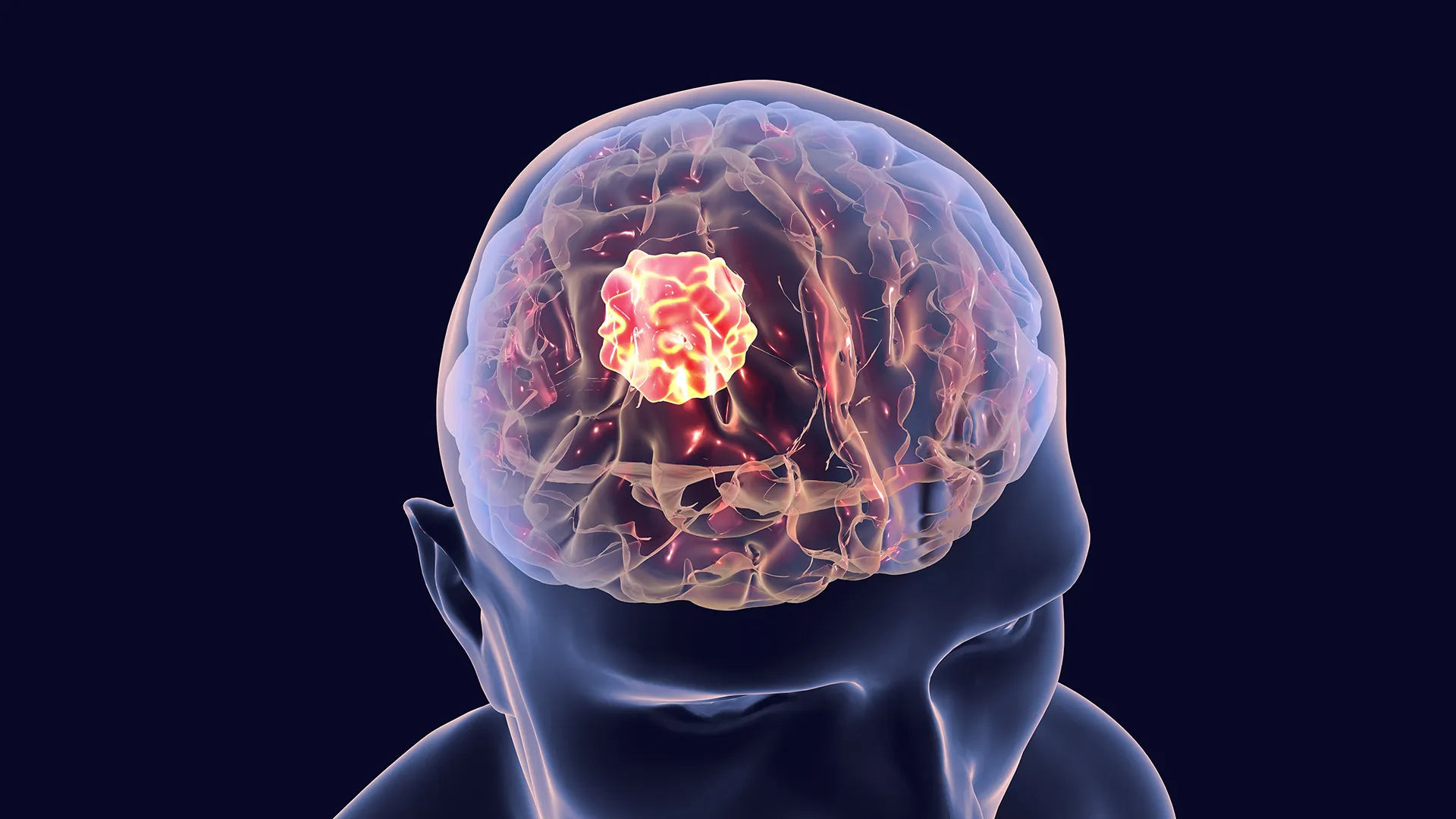
A groundbreaking study spearheaded by researchers at Keck Medicine of USC has unveiled a potentially transformative combination therapy for glioblastoma, a notoriously aggressive brain tumor diagnosis that has long defied effective treatment. This innovative approach, integrating Tumor Treating Fields (TTFields) therapy with immunotherapy (pembrolizumab) and chemotherapy (temozolomide), demonstrated a remarkable 70% increase in overall survival for patients, offering a vital beacon of hope where few previously existed. According to the National Brain Tumor Society, the average survival for individuals diagnosed with glioblastoma stands at a grim eight months, underscoring the profound significance of these new findings.
The Formidable Challenge of Glioblastoma
Glioblastoma multiforme (GBM) is the most common and aggressive malignant primary brain tumor in adults, classified as a Grade IV astrocytoma by the World Health Organization. It is characterized by its rapid growth, highly infiltrative nature, and resistance to conventional therapies. Annually, approximately 12,000 people in the United States are diagnosed with glioblastoma. Despite intensive efforts over decades, including surgical resection, radiation therapy, and chemotherapy with temozolomide, the prognosis remains exceptionally poor. The median survival rate, even with aggressive treatment, typically hovers around 15 to 20 months, with a five-year survival rate of less than 7%. This stark reality highlights the urgent, unmet medical need for novel and more effective therapeutic strategies. The tumor’s location within the central nervous system, its diffuse infiltration into healthy brain tissue, and the presence of the formidable blood-brain barrier (BBB) all contribute to the immense challenges in treatment development. The BBB, a highly selective semipermeable membrane, acts as a protective shield for the brain, regulating the passage of substances from the bloodstream. While crucial for brain health, it inadvertently hinders the delivery of many therapeutic agents, including chemotherapy and immunotherapies, to the tumor site.
A Novel Tri-Modal Approach Emerges
The recent study, led by Dr. David Tran, chief of neuro-oncology with Keck Medicine and co-director of the USC Brain Tumor Center, investigated a novel combination designed to circumvent these inherent challenges. The core of this strategy lies in synergistically combining three distinct modalities:
- Tumor Treating Fields (TTFields) therapy: A non-invasive, localized anti-mitotic treatment that uses alternating electric fields.
- Immunotherapy (Pembrolizumab): An immune checkpoint inhibitor designed to enhance the body’s natural anti-tumor response.
- Chemotherapy (Temozolomide): The standard-of-care alkylating agent for glioblastoma.
The study posits that TTFields not only directly impede tumor growth but also sensitize the tumor microenvironment, making it more amenable to immune attack and enhancing the efficacy of subsequent immunotherapeutic agents.
Unpacking Tumor Treating Fields (TTFields): A Physical Approach to Cancer
Tumor Treating Fields therapy, delivered by a portable medical device (Optune, manufactured by Novocure), represents a significant departure from traditional pharmacological treatments. Approved by the FDA in 2015 for newly diagnosed glioblastoma in combination with temozolomide, and earlier in 2011 for recurrent glioblastoma, TTFields operate on a unique biophysical principle. The device generates low-intensity, intermediate-frequency (200 kHz) alternating electric fields that are applied directly to the tumor site via transducer arrays (mesh electrodes) placed on the patient’s scalp.
At a cellular level, TTFields exert their anti-cancer effects primarily through two mechanisms:
- Disruption of Cell Division (Mitotic Arrest): During mitosis, cancer cells undergo rapid division. TTFields interfere with the assembly and function of microtubules, which are essential components of the mitotic spindle apparatus responsible for separating chromosomes. The alternating electric fields exert physical forces on highly polar intracellular molecules and organelles, pushing and pulling them in continually shifting directions. This mechanical stress disrupts the proper formation of the mitotic spindle, leading to abnormal chromosome segregation and ultimately, programmed cell death (apoptosis) in dividing tumor cells. This effect is particularly potent in rapidly dividing cells, which are characteristic of aggressive cancers like glioblastoma, while largely sparing quiescent healthy cells.
- Immunogenic Cell Death: Beyond direct mitotic disruption, emerging research suggests that TTFields can induce immunogenic cell death. When tumor cells are damaged by TTFields, they release specific danger-associated molecular patterns (DAMPs) and neoantigens. These signals act as "eat me" signals, alerting the immune system to the presence of cancerous cells and potentially enhancing the infiltration and activation of anti-tumor immune cells, such as T lymphocytes, within the tumor microenvironment. This secondary effect is crucial to the combination therapy’s success.
Patients typically wear the transducer arrays for approximately 18 hours a day, providing continuous, localized treatment. While demanding, this non-invasive approach offers a unique therapeutic avenue, particularly when considering the limitations of systemic therapies in the brain.
The Immunotherapy Component: Pembrolizumab and Immune Checkpoint Inhibitors
Pembrolizumab (Keytruda) is a well-established immune checkpoint inhibitor (ICI) that has revolutionized the treatment of numerous cancers, including melanoma, non-small cell lung cancer, and renal cell carcinoma. ICIs work by blocking immune checkpoints, which are proteins on immune cells that, when activated, prevent the immune system from launching an attack. In the context of cancer, tumor cells often exploit these checkpoints to evade immune surveillance. Pembrolizumab specifically targets the programmed cell death protein 1 (PD-1) pathway. By blocking PD-1, pembrolizumab essentially "removes the brakes" from T cells, allowing them to recognize and attack cancer cells more effectively.
Despite its success in many solid tumors, immunotherapy, when used as a monotherapy, has largely failed to demonstrate significant efficacy in glioblastoma. This is primarily due to the unique immunosuppressive microenvironment of glioblastoma. Glioblastomas are often characterized by a "cold" immune environment, meaning they have very few tumor-infiltrating T cells. The blood-brain barrier further limits the entry of immune cells and therapeutic antibodies into the brain. Moreover, glioblastomas actively secrete immunosuppressive cytokines and recruit suppressive immune cells (e.g., myeloid-derived suppressor cells, regulatory T cells), creating a formidable barrier to immune-mediated tumor eradication. This inherent immunosuppression renders checkpoint inhibitors largely ineffective on their own, as there are simply not enough active T cells within the tumor to amplify.
Overcoming the Blood-Brain Barrier: The "In Situ Immunization" Strategy
Dr. Tran’s critical insight was to address the glioblastoma’s immunosuppressive environment directly. He theorized that the most effective way to activate an immune response against the tumor, bypassing the blood-brain barrier and the inherent immune desert, was to initiate an immune reaction within the tumor itself – an approach known as in situ immunization. This is where TTFields play a pivotal role beyond their direct anti-mitotic effects.
The study demonstrated that TTFields significantly increase the infiltration of tumor-fighting T cells (a type of white blood cell that identifies and attacks cancer cells) into and around the glioblastoma. This phenomenon is likely due to the immunogenic cell death induced by TTFields, which exposes tumor antigens and DAMPs, signaling to the immune system that there is a threat. Once these T cells are recruited and activated by TTFields, the subsequent administration of pembrolizumab can then amplify and sustain their activity. The immune checkpoint inhibitor ensures these T cells remain active longer and are replaced by even stronger, more effective tumor-fighting T cells, preventing immune exhaustion.
As Dr. Tran eloquently put it, "By using TTFields with immunotherapy, we prime the body to mount an attack on the cancer, which enables the immunotherapy to have a meaningful effect in ways that it could not before. Our findings suggest that TTFields may be the key to unlocking the value of immunotherapy in treating glioblastoma." He further elaborated with a team sport analogy: "Think of it like a team sport — immunotherapy sends players in to attack the tumor (the offense), while TTFields weaken the tumor’s ability to fight back (the defense). And just like in team sports, the best defense is a good offense." This strategic combination creates a more "hot" immune environment within the tumor, making it susceptible to the immunotherapy’s action.
The 2-THE-TOP Phase 2 Trial: Methodology and Promising Results
The compelling evidence for this combination therapy emerged from the 2-THE-TOP study, a Phase 2 clinical trial that enrolled 31 newly diagnosed glioblastoma patients. All participants had completed initial chemoradiation therapy, the standard first line of treatment. Of these, 26 patients received the full investigational regimen: TTFields combined with both chemotherapy (temozolomide) and immunotherapy (pembrolizumab).
A particularly noteworthy aspect of the trial involved a high-risk subgroup: seven of these 26 patients had inoperable tumors due to their challenging locations. These patients typically face the worst prognosis and have extremely limited treatment options. The trial protocol involved patients receiving six to 12 monthly cycles of chemotherapy alongside TTFields for up to 24 months, with treatment duration tailored to individual patient response. Immunotherapy was administered every three weeks, starting with the second dose of chemotherapy, also for up to 24 months.
The results were striking. Patients who received the triple combination therapy (TTFields + chemotherapy + immunotherapy) lived approximately 10 months longer than historical control groups of patients who had previously used TTFields with chemotherapy alone. This represents a significant extension in a disease where survival gains are often measured in weeks or a few months. Even more remarkably, patients with large, inoperable tumors—a population traditionally deemed almost untreatable—lived approximately 13 months longer. This subgroup also demonstrated a much stronger immune activation within their tumors compared to patients who underwent surgical removal of their tumors. This counterintuitive finding suggests that the presence of a larger tumor might provide a greater antigenic load, offering more targets for the TTFields-primed immune system to work against, thereby enhancing the overall immune response. This finding could potentially revolutionize the management of inoperable glioblastomas, offering a tangible treatment option where previously there was little to none.
Implications for Patients with Inoperable Tumors
The improved outcomes for patients with larger, unresected tumors carry profound implications. Traditionally, surgical removal of as much of the tumor as possible (maximal safe resection) is considered the cornerstone of glioblastoma treatment. However, many tumors are deemed inoperable due to their proximity to critical brain structures, making surgery too risky. For these patients, prognosis is even more dire. The study’s suggestion that larger tumors might provide more targets for immune activation offers a paradigm shift, potentially providing a viable pathway for patients who were previously left with palliative care as their only option.
As Dr. Tran noted, "Further studies are needed to determine the optimal role of surgery in this setting, but these findings may offer hope, particularly for glioblastoma patients who do not have surgery as an option." This opens up critical questions for future research regarding the optimal sequence and extent of surgery in conjunction with this novel combination.
From Phase 2 to Phase 3: Validating the Breakthrough
The promising results from the 2-THE-TOP Phase 2 trial have paved the way for a crucial next step: a multicenter, international Phase 3 clinical trial designed to definitively validate the efficacy and safety of the TTFields, immunotherapy, and chemotherapy combination. Keck Medicine of USC is a key participant in this large-scale endeavor, with Dr. Tran serving as the chair of the steering committee for this pivotal trial. Dr. Frances Chow, a neuro-oncologist with USC Norris Comprehensive Cancer Center, is the principal investigator for the Keck Medicine study site.
This ambitious Phase 3 trial, currently active at 28 sites across the United States, Europe, and Israel, aims to enroll over 740 patients. Enrollment is projected to continue through April 2029, a testament to the rigorous and lengthy process required to bring a new treatment to standard care. A critical aspect of this larger trial is its inclusion of patients with varying degrees of tumor resection – those with gross total resection, partial resection, or biopsy-only tumors. This broad inclusion will allow researchers to thoroughly assess how the extent of surgical removal influences the immune response and overall patient outcomes within the context of this triple therapy. The success of this Phase 3 trial would represent a monumental leap forward in glioblastoma treatment, potentially establishing a new standard of care and significantly improving the survival and quality of life for thousands of patients worldwide.
Collaborative Research and Future Horizons
The success of this research underscores the power of collaborative scientific inquiry. The study involved a dedicated team of researchers from the Keck School of Medicine of USC, including Dongjiang Chen, PhD; Son Le, PhD; Harshit Manektalia; Ming Li, PhD; and Adam O’Dell. Contributions also came from external collaborators, Ashley Ghiaseddin, MD, and Maryam Rahman, MD, MS, from the University of Florida. Such inter-institutional partnerships are vital for advancing complex medical research.
Looking ahead, the research will not only focus on the Phase 3 trial outcomes but also on refining the understanding of the underlying biological mechanisms. Further studies may explore biomarkers to predict patient response, optimize treatment duration and dosing schedules, and investigate potential synergies with other emerging therapies. The long-term goal is to transform glioblastoma from an invariably fatal diagnosis into a manageable chronic condition, or even to achieve durable remissions.
Funding and Disclosures
This important study was made possible through funding from Novocure, the company that manufactures Optune, the TTFields device utilized in the research. Transparency in research funding is paramount. Dr. David Tran has received honoraria from Novocure for consultant work, and both Dr. Chen and Dr. Tran are listed as inventors on two patent applications related to the work reported in this study. These disclosures are standard practice and ensure full transparency regarding potential conflicts of interest, allowing the scientific community and the public to evaluate the findings within their proper context. The continued investment in innovative research, both from academic institutions and industry partners, remains critical to addressing the most challenging diseases like glioblastoma.
