
 By Budi Oetomo Narendra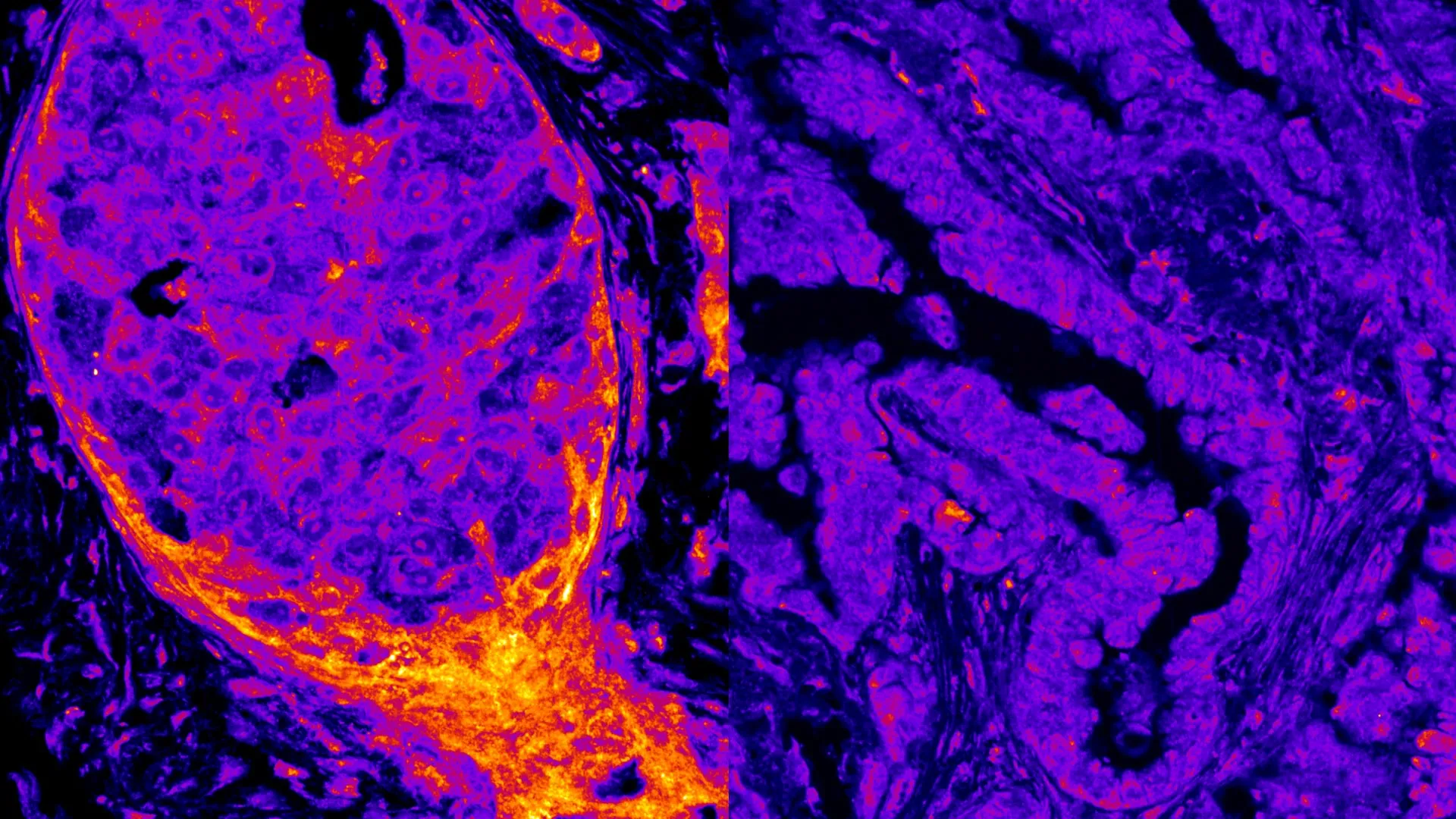
A groundbreaking study published in Nature Communications has fundamentally reshaped our understanding of cellular architecture, revealing that more than 200 metabolic enzymes, traditionally associated with energy production in mitochondria and the cytoplasm, are found directly on human DNA within the cell nucleus. This unexpected discovery challenges long-held biological dogma and opens an entirely new frontier in cellular research, with profound implications for understanding disease, particularly cancer.
The research, led by scientists at the Centre for Genomic Regulation (CRG), provides the first large-scale evidence that the nucleus, the cell’s control center housing the genome, may operate its own intricate metabolic network, dubbed a "mini metabolism." This revelation suggests a far more integrated relationship between cellular metabolism and genome regulation than previously imagined, offering new perspectives on how cells function, adapt, and respond to stress.
Unveiling a Nuclear "Mini-Metabolism"
For decades, cellular biology has largely compartmentalized its understanding of core processes. The nucleus was considered the domain of genetic material, DNA replication, transcription, and repair, while the mitochondria were recognized as the primary energy factories, and the cytoplasm as the site for many metabolic pathways. This study, however, blurs these traditional boundaries. Researchers discovered a substantial population of metabolic enzymes—proteins crucial for catalyzing biochemical reactions necessary for life—intimately associated with chromatin, the complex of DNA and proteins that forms chromosomes within the nucleus.
The study found that a remarkable 7 percent of all proteins physically attached to chromatin were metabolic enzymes. This significant presence suggests these enzymes are not merely incidental visitors but active participants in nuclear biology. Furthermore, the distribution and arrangement of these enzymes within the nucleus were not random. Different cell types, tissues, and even various cancers exhibited unique "nuclear metabolic fingerprints"—distinctive patterns of enzyme localization that could serve as novel identifiers. This specificity hints at highly tailored metabolic activities within the nucleus, responding to the unique demands of each cell’s identity and state.
Challenging Cellular Dogma: A Paradigm Shift
The scientific community has long viewed metabolism and genome regulation as largely separate biological systems, communicating but not inherently intertwined at such a fundamental level within the nucleus itself. The discovery of over 200 metabolic enzymes, some of which are central to energy production pathways like oxidative phosphorylation, directly on DNA represents a significant paradigm shift. Oxidative phosphorylation, the primary process by which cells generate adenosine triphosphate (ATP), the main energy currency, was thought to be almost exclusively confined to the inner mitochondrial membrane. Its robust presence in the nucleus demands a re-evaluation of how nuclear processes are fueled and regulated.
Dr. Savvas Kourtis, the first author of the study, eloquently captured this shift, stating, "We’ve been treating metabolism and genome regulation as two separate universes, but our work suggests they’re talking to each other, and cancer cells might be exploiting these conversations to survive." This sentiment resonates deeply within the research community, signaling a need for a more holistic understanding of cellular dynamics, where metabolic state directly influences genetic expression and stability, and vice versa.
Methodology: Isolating the Unseen
To unearth these previously undetected nuclear residents, the research team employed a sophisticated technique designed to isolate proteins physically bound to chromatin. This approach allowed them to meticulously examine the protein landscape directly associated with the cell’s genetic material. The scale of their investigation was extensive, encompassing 44 different cancer cell lines and 10 healthy cell types derived from ten distinct human tissues. This comprehensive survey was crucial for identifying the widespread nature of nuclear metabolic enzymes and observing their cell-type and tissue-specific variations.
The rigorous methodology involved:
- Chromatin Isolation: Carefully separating chromatin from other cellular components, ensuring only proteins directly interacting with DNA were captured.
- Proteomic Analysis: Utilizing advanced mass spectrometry to identify and quantify the isolated proteins, revealing their identity and abundance.
- Comparative Analysis: Systematically comparing protein profiles across a diverse range of healthy and cancerous cell lines and tissues to identify patterns and anomalies.
- Validation in Patient Samples: Crucially, the team extended their observations to tumor samples taken directly from patients, confirming that the nuclear metabolic variations observed in cell lines were also present in real-world biological contexts, lending significant weight to their findings.
Specific Insights: Oxidative Phosphorylation and Cancer Heterogeneity
Among the most surprising findings was the detection of proteins involved in oxidative phosphorylation within the nucleus. This discovery challenges the conventional wisdom about the spatial organization of cellular energy metabolism. The presence of these enzymes, particularly their varying patterns across different cancer types, immediately suggested a functional relevance to disease. For instance, oxidative phosphorylation enzymes were frequently observed in the nuclei of breast cancer cells, yet they were largely absent in lung cancer cells. This differential presence, confirmed in patient tumor samples, underscores how nuclear metabolism can be uniquely tailored to specific tissue types and disease states.
This observation is critical because it provides a potential explanation for the notorious heterogeneity of cancer. Even tumors with similar genetic mutations can behave dramatically differently, responding variably to therapies. This study suggests that distinct nuclear metabolic landscapes could be a key factor driving these differences. A breast cancer cell might rely on nuclear oxidative phosphorylation for certain functions, while a lung cancer cell might employ entirely different nuclear metabolic pathways, leading to divergent responses to treatment.
Functional Roles: DNA Repair and Genome Stability
Beyond mere presence, the researchers delved into understanding the functional roles of these nuclear enzymes. They focused on a specific group of enzymes known to be involved in producing molecules essential for DNA synthesis and repair. Through targeted experiments, they observed that when DNA damage occurred, these enzymes actively gathered near the affected chromatin regions. This strategic concentration suggests a direct role in assisting with genome repair, acting as localized metabolic support systems for maintaining genetic integrity.
Further experiments highlighted the location-dependent function of certain enzymes. For example, the enzyme IMPDH2 (Inosine-5′-monophosphate dehydrogenase 2) exhibited different behaviors depending on its subcellular localization. When researchers engineered IMPDH2 to remain exclusively within the nucleus, it contributed significantly to maintaining genome stability. However, when the same enzyme was restricted to the cytoplasm, it influenced entirely different cellular pathways, demonstrating a remarkable plasticity in enzyme function based on its immediate cellular environment. This finding introduces a new layer of complexity to enzyme regulation, where not just the presence, but also the precise location, dictates its biological role.
Implications for Cancer Treatment and Diagnostics
The profound implications of this discovery for cancer research and treatment cannot be overstated. Current cancer therapies often target either metabolic processes in cancer cells or DNA repair systems. The revelation that these two biological processes are intimately connected within the nucleus suggests that a combined or more nuanced approach might be necessary. If cancer cells are indeed "exploiting these conversations" between metabolism and genome regulation, then understanding this dialogue could unlock new therapeutic strategies.
Dr. Sara Sdelci, corresponding author of the study and a researcher at the Centre for Genomic Regulation, highlighted this potential: "Many of these enzymes synthesize essential building blocks of life, and their nuclear localization is associated with DNA repair. Their presence in the nucleus may therefore directly shape how cancer cells respond to genotoxic stress, a hallmark of many chemotherapeutic treatments. It’s an entirely new world to explore." This connection to genotoxic stress is particularly relevant, as many chemotherapeutic agents work by damaging DNA to kill cancer cells. If nuclear metabolic enzymes are crucial for repairing this damage, then targeting these enzymes could enhance the efficacy of existing therapies or overcome resistance.
The study offers several avenues for future therapeutic development:
- Overcoming Drug Resistance: By understanding the specific nuclear metabolic fingerprints of different cancers, researchers might be able to predict which tumors will resist certain therapies and develop targeted interventions to disarm these resistance mechanisms.
- Novel Drug Targets: The enzymes involved in nuclear metabolism represent entirely new potential targets for anti-cancer drugs. Instead of broadly targeting cytoplasmic metabolism or nuclear DNA repair, future drugs could precisely interfere with these unique nuclear metabolic pathways.
- Biomarkers for Diagnosis and Prognosis: The distinctive nuclear metabolic fingerprints could serve as novel biomarkers for diagnosing specific cancer types, staging disease, or predicting patient response to treatment. This could pave the way for more personalized and effective cancer management strategies.
Unanswered Questions and Future Directions
While the study presents a monumental leap in understanding, it also opens a Pandora’s Box of new questions, as is often the case with truly groundbreaking research. Researchers emphasize that much work remains to be done:
- Enzyme Activity and Specificity: It is crucial to determine whether all the metabolic enzymes observed in the nucleus are actively catalyzing reactions and what their precise, individual roles are. As Dr. Kourtis noted, "Each enzyme may have its own, unique nuclear function, so this must be addressed one by one." This will require extensive functional studies for each identified enzyme.
- Mechanisms of Nuclear Entry: One of the most perplexing questions is how many of these large metabolic enzymes manage to enter the nucleus. The nucleus is surrounded by a nuclear envelope dotted with nuclear pores, which act as selective gateways, typically limiting the passage of molecules above a certain size. Many of the enzymes discovered are significantly larger than the generally accepted size limit for passive diffusion through these pores. This suggests the existence of an as-yet-unknown, active transport mechanism that cells employ to shuttle these bulky proteins into the nucleus. Unraveling this mechanism could reveal critical control points for regulating nuclear metabolic activity, offering further therapeutic targets.
- Regulation of Nuclear Metabolism: How is this nuclear "mini metabolism" regulated? What signals dictate which enzymes are localized to the nucleus, when they are active, and what their specific substrates are? Understanding these regulatory networks will be key to fully appreciating their biological significance.
- Interplay with Nuclear Structures: How do these enzymes interact with other nuclear components, such as nuclear bodies (e.g., nucleoli, speckles) and the nuclear matrix? Do they contribute to the structural integrity of the nucleus or influence the spatial organization of chromatin?
A New Era for Cell Biology
The discovery of widespread metabolic enzymes on human DNA marks the beginning of a new era in cell biology. It forces a re-evaluation of fundamental principles of cellular compartmentalization and the intricate interplay between metabolism and genetics. This convergence of traditionally distinct fields promises to yield unprecedented insights into health and disease. As scientists continue to map the nuclear metabolic landscape and decipher the functions of these unexpected residents, the potential for revolutionary advancements in diagnostics and therapeutics, particularly in the complex realm of cancer, appears immense. The "entirely new world to explore" that Dr. Sdelci envisions is now firmly on the scientific map, beckoning researchers to unlock its secrets.
