
 By admin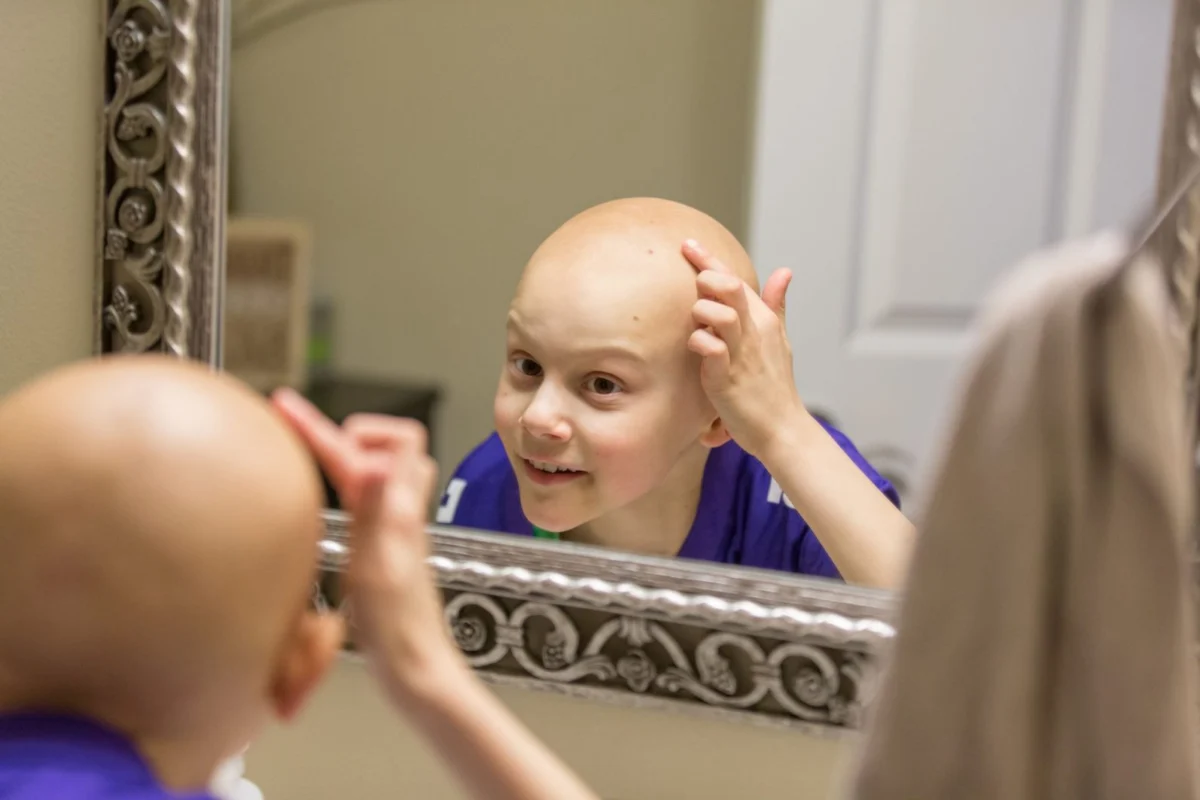
Pediatric oncology has long grappled with the complexities of Ewing sarcoma, a rare and aggressive form of bone and soft tissue cancer that primarily affects children and young adults. Dr. Logan Spector, a renowned researcher at the University of Minnesota, frequently characterizes the disease as a "spotted zebra," a metaphor illustrating its unique and unpredictable nature. Unlike many other malignancies that follow a predictable path of progression, Ewing sarcoma exhibits significant heterogeneity, behaving differently at various developmental stages and often presenting distinct biological profiles even within the same patient. This elusive behavior has historically made the cancer difficult to target with standardized therapies, but a new wave of research, bolstered by significant philanthropic and federal investment, is beginning to decode the mechanisms behind this lethal disease.
The struggle to treat Ewing sarcoma is rooted in its biological volatility. Researchers have identified that the cancer is typically driven by a specific genetic "glitch"—a chromosomal translocation where pieces of chromosomes 22 and 11 swap places. This fusion creates an abnormal protein known as EWS-FLI1. While this driver is well-known, the way it interacts with a patient’s unique immune system and how it responds to traditional cytotoxic agents remains a subject of intense investigation. Currently, approximately 200 children and adolescents are diagnosed with Ewing sarcoma annually in the United States. While the five-year survival rate for localized tumors has improved to roughly 75% to 80% with modern multidisciplinary care, the prognosis for patients with metastatic or recurrent disease remains grim, with survival rates often dipping below 30%.
The Evolution of Specialized Research Funding
The trajectory of Ewing sarcoma research has been significantly altered by the intervention of the Children’s Cancer Research Fund (CCRF). By providing early-stage "seed" funding, the organization has enabled researchers like Dr. Spector to gather the preliminary data necessary to compete for larger, multi-million-dollar grants from the National Institutes of Health (NIH). This pipeline from private philanthropy to federal support is critical in a landscape where federal funding for pediatric-specific cancers remains a small fraction of the total oncology budget.
Dr. Spector’s team at the University of Minnesota is currently utilizing these resources to unravel the key mechanisms that allow Ewing sarcoma to evade the body’s natural defenses. Their work focuses on the evolutionary biology of the tumor, seeking to understand why certain cells within a single tumor respond to chemotherapy while others remain dormant or resistant. By mapping these cellular diversities, the team aims to develop "smart" treatments that can anticipate and neutralize the tumor’s adaptive strategies.
Breakthroughs in Immunotherapy and Modeling
A pivotal moment in recent research history occurred in 2018 when CCRF bestowed an Emerging Scientist Award upon Dr. Kelly Bailey at the University of Pittsburgh. Dr. Bailey’s research addresses a fundamental question: how does the immune system "see" or "ignore" Ewing sarcoma after it has been damaged by DNA-targeting chemotherapy? Standard chemotherapy is designed to break the DNA of cancer cells, but in many cases, the immune system fails to recognize the resulting cellular debris as a threat, allowing the cancer to regroup.
Dr. Bailey’s contributions have been described as a "career launching point," providing her with the resources to develop a sophisticated "humanized" mouse model. In these models, mice are equipped with human immune systems, allowing scientists to observe the real-time interaction between human immune cells and Ewing sarcoma tumors. This level of modeling is far more accurate than traditional methods and has led to a deeper understanding of NF-kB signaling—a protein complex that controls DNA transcription and cell survival. By manipulating these signals in cells with varying levels of the EWS-FLI1 oncoprotein, Dr. Bailey is identifying logical combinations of DNA-damaging agents and immunotherapy that could potentially transform the standard of care for aggressive cases.
The Decade-Long Journey of a Survivor: The Case of Griffin
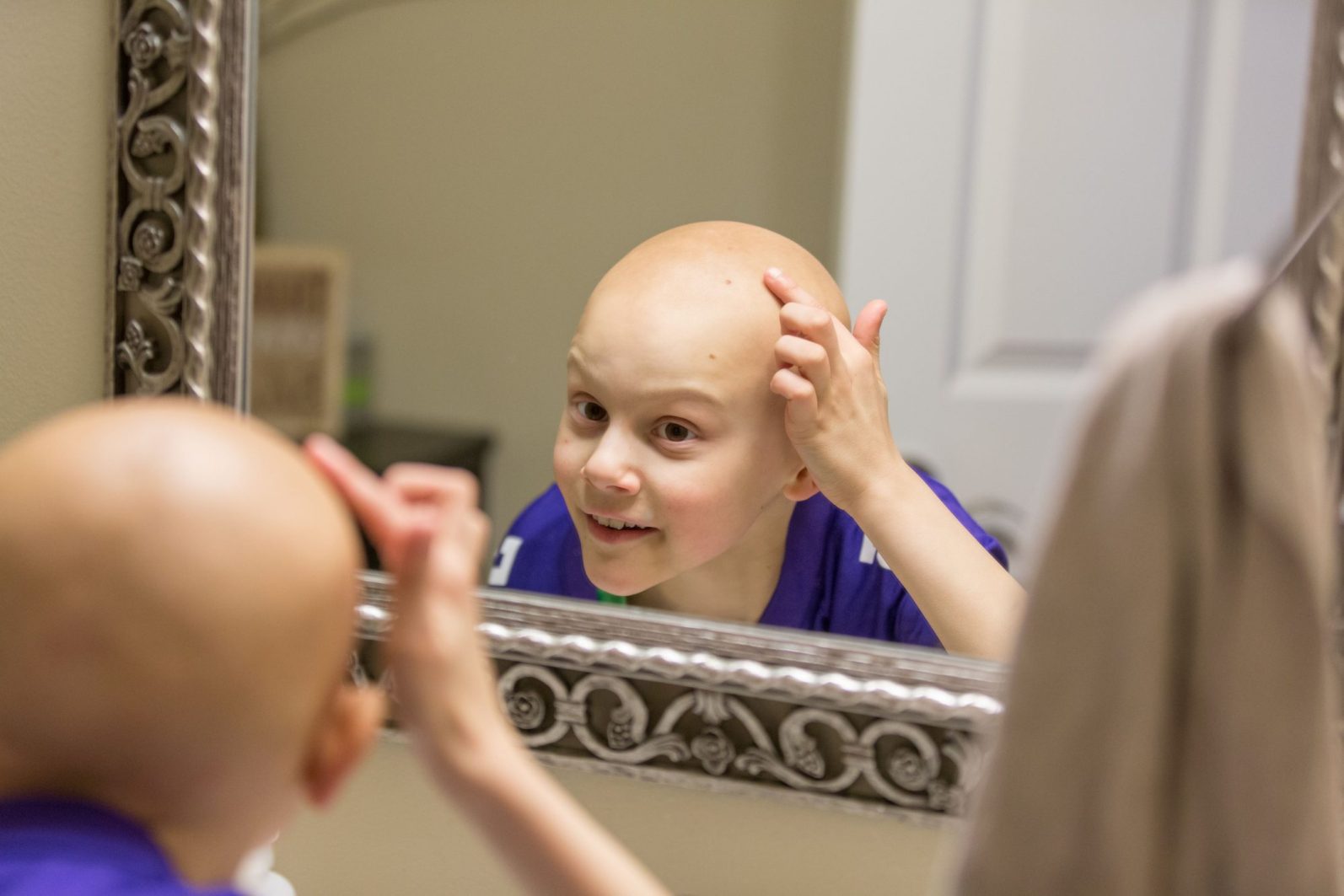
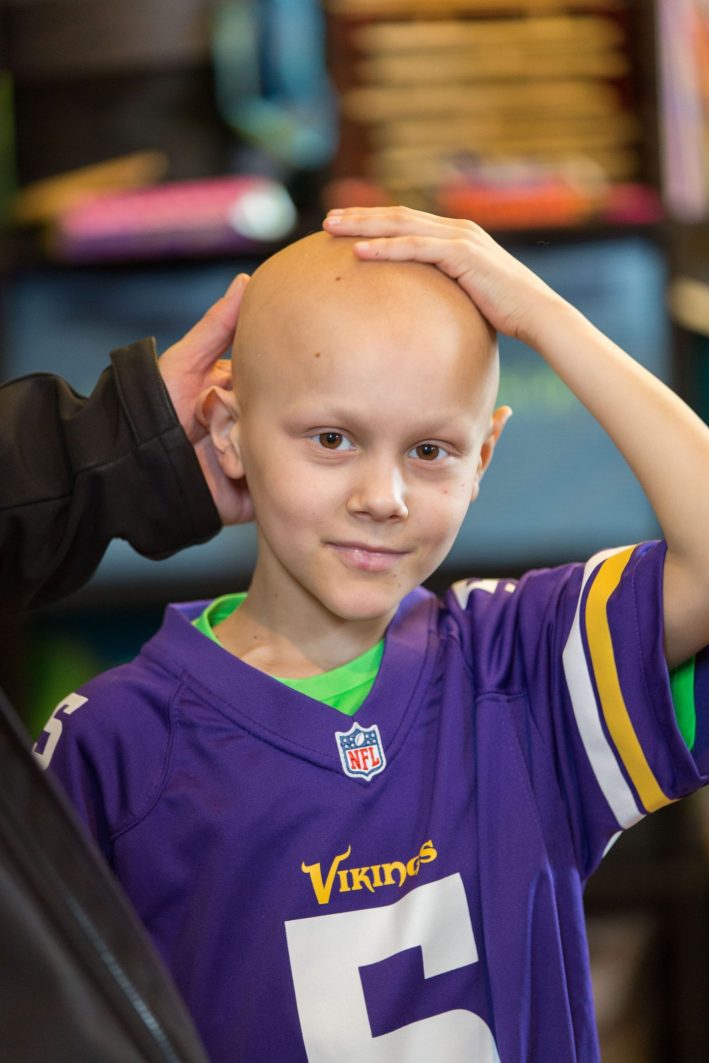
The clinical implications of this research are best understood through the lived experience of survivors like Griffin, who was diagnosed a decade ago. At the age of eight, Griffin was found to have a tumor the size of a baseball lodged in his pelvis. The diagnosis of Ewing sarcoma thrust his family into a grueling treatment regimen that involved the infusion of six different high-intensity drugs, including an experimental trial therapy.
Griffin’s mother, Jill, recalls the "beast" that is Ewing sarcoma and the profound uncertainty that accompanied his treatment. "Having the eyes behind the microscope and the minds working towards a cure be the same doctors that would care for my son brought us a sense of confidence," she noted. This integration of laboratory research and bedside care is a hallmark of the major pediatric oncology centers supported by CCRF.
Today, Griffin is an 18-year-old multi-sport athlete, serving as the captain of his high school’s football and baseball teams. His recovery represents the ultimate goal of pediatric oncology: not just survival, but a return to a high quality of life. However, his story also highlights the "hidden" cost of current treatments. The cytotoxic drugs required to save his life carry lifelong risks of heart damage, kidney failure, and secondary cancers. This reality underscores the urgent need for more targeted, less toxic therapies that the current generation of researchers is striving to perfect.
Analyzing the Funding Crisis in Pediatric Oncology
Despite the clinical successes seen in patients like Griffin, the future of Ewing sarcoma research faces a significant hurdle: the stability of the research pipeline. Dr. Bailey and her colleagues have expressed growing concern regarding the "baton pass" to the next generation of scientists. The transition from an early-career researcher to an established investigator requires consistent, reliable funding—a resource that is becoming increasingly scarce as federal budgets tighten.
The "valley of death" in medical research refers to the gap between a laboratory discovery and its application in clinical trials. Without the intervention of private organizations like CCRF, many promising projects involving rare cancers like Ewing sarcoma would never bridge this gap. Because Ewing sarcoma is rare, it does not offer the same commercial incentives for pharmaceutical companies as adult cancers like breast or lung cancer. Consequently, the burden of funding falls almost entirely on federal grants and philanthropic donations.
Dr. Bailey emphasizes that the first five to ten years of a researcher’s career are critical for establishing a laboratory. If funding is withdrawn during this period, the scientific community risks losing decades of specialized knowledge. "Nationally, there is a strong need to support the early careers of up-and-coming scientists and ensure the future of pediatric oncology research," Dr. Bailey stated. The loss of these researchers would mean fewer clinical trials and a stagnation in the development of new treatments for the roughly 200 children diagnosed each year.
Implications for Future Treatment Paradigms
The ongoing research into the "spotted zebra" suggests a shift toward precision medicine in pediatric oncology. The data being gathered today on DNA damage and immune response is paving the way for a future where treatments are tailored to the specific genetic markers of a child’s tumor.
Key areas of future impact include:
- Enhanced Immunotherapy: Moving beyond broad-spectrum chemotherapy to treatments that "train" the immune system to specifically target the EWS-FLI1 fusion protein.
- Reduction in Toxicity: Developing agents that are as effective as current drugs but lack the long-term side effects that Griffin and other survivors must monitor for the rest of their lives.
- Early Detection and Monitoring: Utilizing liquid biopsies (blood tests that detect tumor DNA) to monitor for recurrence long before it becomes visible on a scan.
The progress made over the last decade is a testament to the synergy between dedicated scientists, brave patient families, and a committed donor community. As Griffin moves into adulthood—celebrating milestones like his 18th birthday and his high school graduation—his life stands as a living record of what is possible when the "minds behind the microscope" are given the resources they need to hunt down one of medicine’s most elusive foes. The continued investment in these "spotted zebra" researchers remains the only viable path toward a future where every child diagnosed with Ewing sarcoma can look forward to a long, healthy life, free from the shadow of their diagnosis.
