
 By Nana O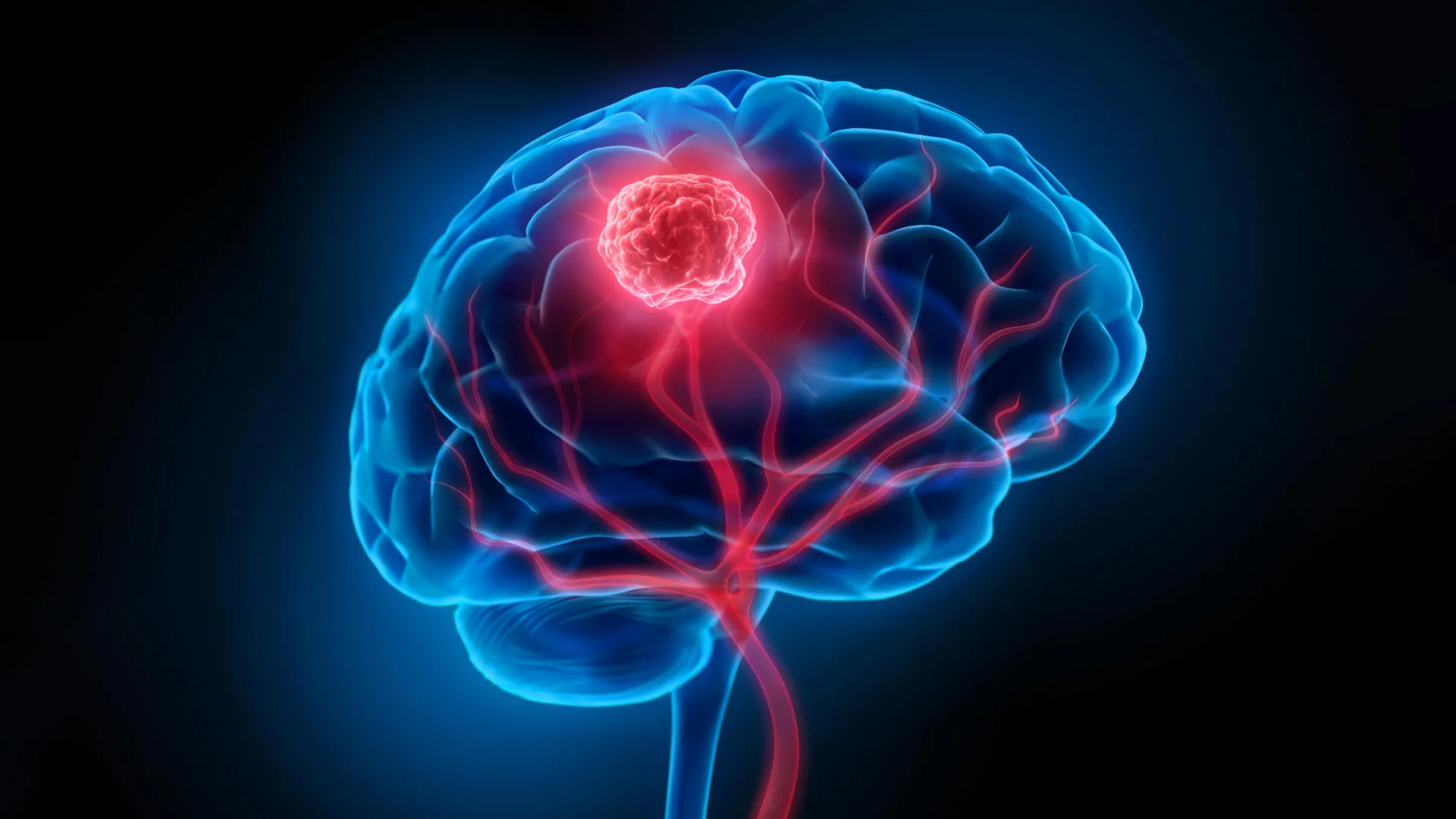
A groundbreaking discovery by a South Korean research consortium is poised to revolutionize the understanding and treatment of IDH-mutant glioma, the most prevalent and aggressive malignant brain tumor affecting adults under the age of 50. For years, the medical community has grappled with the persistent challenge of recurrence in these insidious cancers, often attributing treatment failures to the inherent resistance of established tumor masses. However, new findings published in the prestigious journal Science reveal that the battle against IDH-mutant glioma may be lost long before a visible tumor takes hold, originating in seemingly normal brain cells that quietly acquire the critical IDH mutation and begin a clandestine spread throughout the brain’s intricate architecture. This paradigm-shifting research, spearheaded by a joint team from KAIST and Yonsei University Severance Hospital, not only illuminates the earliest stages of this devastating disease but also opens crucial avenues for earlier detection and more effective strategies to prevent its relentless return.
The prevailing treatment approach for IDH-mutant glioma has historically centered on surgical resection of the macroscopic tumor identified through advanced imaging techniques such as MRI. While this aggressive intervention aims to remove as much cancerous tissue as possible, the observed high rates of recurrence suggest that this strategy, by focusing solely on the visible tumor mass, may be missing a critical, earlier phase of the disease. This new research, meticulously conducted over several years, provides compelling evidence that normal-looking brain cells can be the unwitting cradles of this malignancy, acquiring the IDH mutation and initiating a slow, insidious dissemination within the brain’s cerebral cortex. This hidden, pre-tumorigenic phase is now believed to be a key factor in the recalcitrance of IDH-mutant gliomas to conventional therapies.
Tracing the Malignant Lineage: From Normal Cells to Tumors
At the heart of this transformative discovery lies the identification of the cellular origin of IDH-mutant glioma. The joint research team, co-led by Professor Jeong Ho Lee of KAIST’s Graduate School of Medical Science and Engineering and Professor Seok-Gu Kang of Yonsei University Severance Hospital, has definitively established that these aggressive brain tumors originate from Glial Progenitor Cells (GPCs). GPCs are a type of cell naturally present in healthy brain tissue, possessing the remarkable ability to differentiate into various glial cells that support and protect neurons. However, when these GPCs acquire specific genetic mutations, particularly within the IDH gene, they can embark on a trajectory toward malignancy.
The researchers’ meticulous investigation involved the comprehensive analysis of tumor samples harvested during extensive surgical procedures, juxtaposed with adjacent brain tissue that appeared microscopically and macroscopically normal. The results were startling: cells bearing the characteristic IDH mutation were detected not only within the tumor mass but also in seemingly healthy brain regions surrounding it. This finding provided the first concrete evidence that the genesis of these malignant tumors is not an instantaneous event but rather a gradual, multi-stage process that commences within the native cellular environment of the brain, long before any detectable abnormality manifests as a tumor.
The Slow Burn of Brain Cancer: A Gradual Evolution
This revelation challenges the long-held notion that brain tumors appear abruptly. Instead, the study suggests that IDH-mutant gliomas can lie dormant and evolve subtly over extended periods, potentially years, within normal brain tissue. This slow, creeping progression, fueled by accumulating genetic alterations in GPCs, eventually culminates in the formation of a recognizable tumor mass. This understanding has profound implications for how we conceptualize and approach brain cancer, shifting the focus from solely targeting the established tumor to potentially intervening at its earliest, most nascent stages.
To rigorously confirm the identity of these early-stage mutated cells, the research team employed a sophisticated analytical technique known as "spatial transcriptomics." This cutting-edge technology allows scientists to simultaneously map gene activity at specific locations within tissue samples. By integrating gene expression data with precise spatial information, the researchers were able to unequivocally identify the mutation-bearing cells as Glial Progenitor Cells (GPCs) residing within the cerebral cortex.
Further validating their findings, the team successfully replicated key aspects of brain tumor development in animal models. By introducing the same critical "driver mutation" found in human IDH-mutant glioma patients into the GPCs of mice, they were able to recapitulate critical steps of the tumor initiation and progression process, thereby strengthening the causal link between GPC mutation and glioma development.
Divergent Pathways: The Heterogeneity of Brain Cancers
This latest research builds upon a significant prior contribution from the same research group. In 2018, Professor Lee and his colleagues published a seminal study in Nature that identified the cellular origin of IDH wildtype glioblastoma, another highly aggressive and common brain cancer. Their earlier work demonstrated that IDH wildtype glioblastoma originates from neural stem cells located in the subventricular zone, a region known for its role in generating new brain cells in adults.
The new findings underscore a critical distinction: while both IDH wildtype glioblastoma and IDH-mutant glioma are devastating malignant brain tumors, they arise from distinct cell types and initiate in different anatomical locations within the brain. This discovery reinforces the understanding that brain cancers are not a monolithic entity but rather a spectrum of diseases, each with its own unique biological blueprint, cellular origins, and developmental trajectories. Recognizing these differences is paramount for developing targeted and effective therapeutic strategies.
Redefining the Battlefield: Implications for Early Diagnosis and Recurrence Prevention
The implications of this research are far-reaching, promising to reshape the landscape of early diagnosis and the prevention of recurrence for IDH-mutant glioma. Professor Seok-Gu Kang articulated the significance of this paradigm shift: "Brain tumors may not start exactly where the tumor mass is visible. A targeted approach focused on the origin cells and the site of origin according to the brain tumor subtype will serve as a crucial clue to changing the paradigm of early diagnosis and recurrence suppression treatment."
This new understanding suggests that effective interventions may need to target not just the overt tumor but also the microscopic foci of mutated cells that have spread beyond the visible mass. Early detection strategies could potentially be developed to identify these pre-cancerous GPCs or the early genetic alterations they harbor, allowing for treatment to commence at a stage where it is far more likely to be curative.
The practical translation of these findings is already underway. Sovagen Co., Ltd., a faculty startup established by KAIST, is actively developing an innovative RNA-based drug designed to specifically target and inhibit the progression and recurrence of IDH-mutant malignant brain tumors. Concurrently, Severance Hospital is collaborating on advanced technologies aimed at detecting and controlling these early-stage mutant cells through the Korea-US Innovative Result Creation R&D project, highlighting a concerted effort to move from fundamental discovery to clinical application.
A Surgeon’s Question Fuels Scientific Breakthrough
The genesis of this pivotal research can be traced back to a fundamental question posed by the study’s sole first author, Dr. Jung Won Park, a neurosurgeon and postdoctoral researcher at KAIST’s Graduate School of Medical Science and Engineering. "This achievement was made possible by combining KAIST’s world-class basic science research capabilities with the clinical expertise of Yonsei Severance Hospital," Dr. Park stated. "The question I kept asking while treating patients — ‘Where does this tumor originate?’ — was the starting point of this research." This sentiment underscores the critical synergy between basic scientific inquiry and clinical practice, where the urgent needs of patients can directly inspire groundbreaking scientific investigation.
The collaborative nature of this endeavor, bridging the expertise of a leading research university and a renowned medical institution, is a testament to the power of interdisciplinary teamwork in tackling complex medical challenges. The successful publication of these findings in Science on January 8th, 2024, marks a significant milestone in the ongoing fight against brain cancer.
Sustained Support for Innovation
The research was made possible through substantial funding from several key organizations dedicated to advancing scientific knowledge and improving healthcare. These include the Suh Kyung-bae Science Foundation, the National Research Foundation of Korea, the Ministry of Science and ICT, the Ministry of Health and Welfare, and the Korea Health Industry Development Institute (through its Physician-Scientist Training Program). This multi-faceted support highlights a broad commitment to fostering innovative research in the field of oncology and neuroscience.
The implications of this South Korean research extend beyond the immediate scope of IDH-mutant glioma. It provides a robust model for investigating the origins of other cancer types and underscores the critical importance of understanding the cellular and molecular underpinnings of disease at its earliest stages. As researchers continue to unravel the intricate mechanisms of cancer development, the focus on originating cells and pre-symptomatic detection is likely to become an increasingly central tenet of future oncological strategies, offering renewed hope for patients worldwide. The journey from a simple clinical question to a profound scientific discovery exemplifies the relentless pursuit of knowledge that drives medical progress and offers a beacon of hope for improved outcomes in the battle against one of the most challenging cancers.
