
 By Suherman Candra Maholtra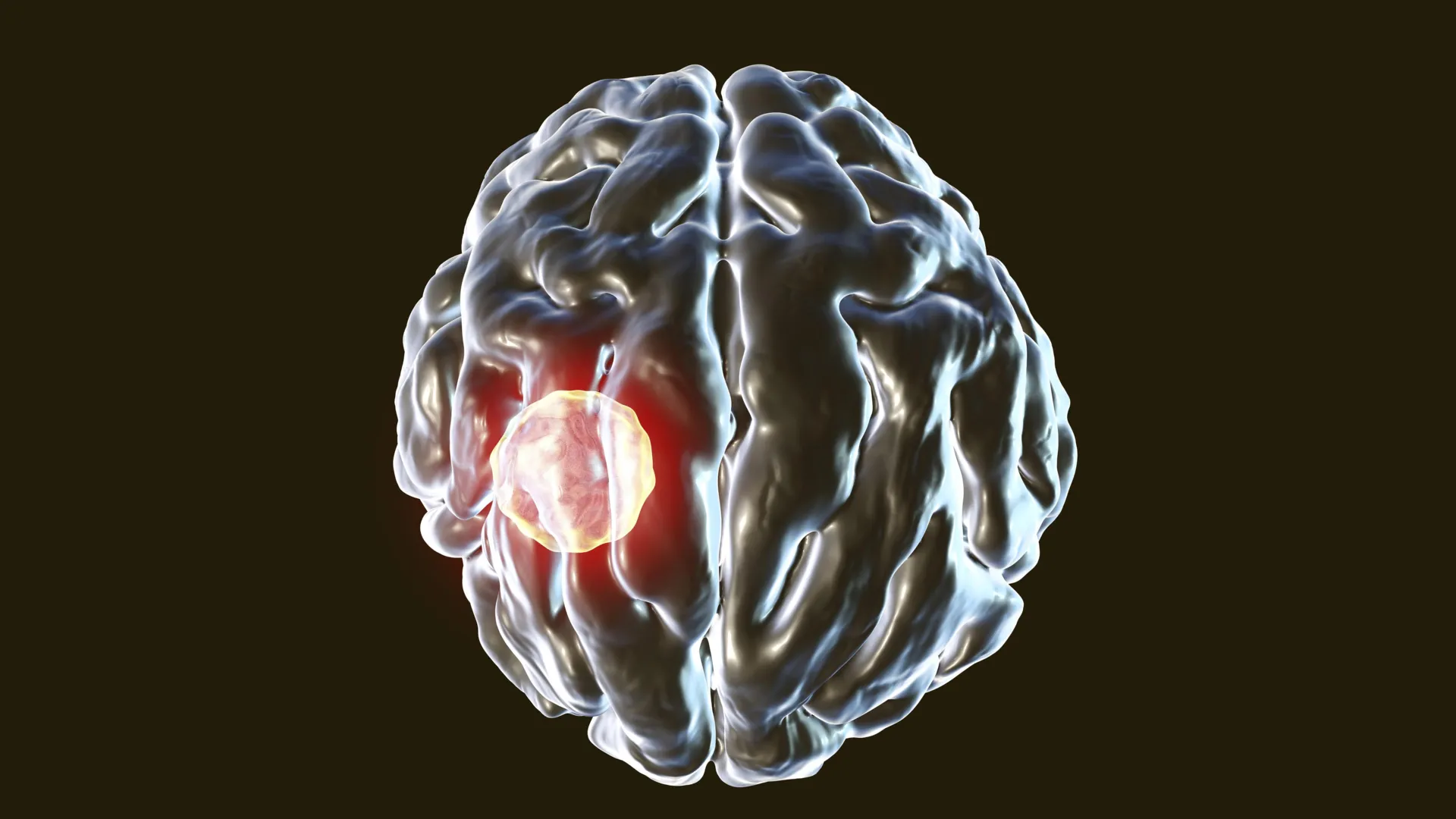
The human brain is protected by an intricate series of biological barriers and specialized immune responses designed to keep pathogens at bay. However, one common parasite, Toxoplasma gondii, has developed sophisticated methods to bypass these defenses, often taking up permanent residence in the brain tissue of nearly one-third of the global population. While most healthy individuals remain asymptomatic, the parasite poses a lethal threat to those with compromised immune systems. A groundbreaking study from UVA Health has now identified a previously unknown "self-destruct" mechanism within the immune system that prevents the parasite from using the body’s own defensive cells as a vehicle for infection.
Led by Tajie Harris, PhD, the director of the Center for Brain Immunology and Glia (BIG Center) at the University of Virginia School of Medicine, the research team investigated the behavior of CD8+ T cells—the "soldiers" of the immune system—when they encounter Toxoplasma. The study, recently published in the journal Science Advances, reveals that these T cells utilize a specific enzyme called caspase-8 to trigger their own death if they become infected. This sacrificial act effectively "terminates" the parasite’s ability to replicate and spread, providing a vital safeguard for the central nervous system.
Understanding the Parasitic Threat: Toxoplasma gondii and Global Health
Toxoplasma gondii is a protozoan parasite capable of infecting almost all warm-blooded animals, though its primary hosts are members of the feline family. Humans typically contract the parasite through the ingestion of oocysts found in cat feces, contaminated soil, or unwashed produce. Another common route of transmission is the consumption of undercooked meat containing tissue cysts.
According to data from the Centers for Disease Control and Prevention (CDC), over 40 million people in the United States alone carry the parasite. Once inside the human host, Toxoplasma undergoes a complex life cycle. Initially, it exists as tachyzoites, which rapidly multiply and spread through the bloodstream to various organs. Eventually, the immune system forces the parasite into a dormant state known as bradyzoites, which form cysts in muscle and brain tissue.
For the majority of people, the immune system keeps these cysts in check for a lifetime without the individual ever knowing they are infected. However, in individuals with weakened immune systems—such as those living with HIV/AIDS, patients undergoing chemotherapy, or organ transplant recipients—the parasite can reactivate. This leads to toxoplasmosis, a severe condition that can cause encephalitis (inflammation of the brain), seizures, neurological damage, and death. Furthermore, congenital toxoplasmosis can occur if a woman becomes infected during pregnancy, potentially leading to miscarriage or severe birth defects in the infant.
The UVA Study: Investigating the Defenses of the Brain
The primary focus of the UVA research was to determine how the immune system manages to maintain control over Toxoplasma in the brain over long periods. Scientists have long known that CD8+ T cells are essential for this process. These specialized white blood cells are programmed to recognize and kill infected cells by releasing toxic proteins or signaling other immune cells to attack.
However, the team at UVA discovered a paradoxical vulnerability: the very cells meant to eliminate the parasite can themselves become targets for infection. "We know that T cells are really important for combatting Toxoplasma gondii, and we thought we knew all the reasons why," explained Dr. Harris. "T cells can destroy infected cells or cue other cells to destroy the parasite. We found that these very T cells can get infected, and, if they do, they can opt to die."
This discovery shifts the understanding of the T cell’s role. Rather than just being an active hunter, the T cell also acts as a potential "Trojan horse." If the parasite were able to survive and replicate inside a T cell, it could use the cell’s natural mobility to spread throughout the brain and body while remaining shielded from other immune defenses.
The Role of Caspase-8: A Molecular Self-Destruct Switch
The mechanism that prevents this "Trojan horse" scenario is centered on an enzyme known as caspase-8. In the field of molecular biology, caspases are a family of protease enzymes that play essential roles in programmed cell death (apoptosis), necrosis, and inflammation. Caspase-8, in particular, is a key initiator of the extrinsic pathway of apoptosis.
The UVA researchers found that when Toxoplasma gondii attempts to hijack a CD8+ T cell, caspase-8 is activated. This activation triggers a regulated cell death sequence. Because Toxoplasma is an obligate intracellular parasite—meaning it requires the environment inside a living host cell to survive and reproduce—the death of the T cell effectively halts the parasite’s life cycle within that specific lineage.
"Toxoplasma parasites need to live inside cells, so the host cell dying is game over for the parasite," Dr. Harris noted. This biological "scorched earth" policy ensures that even if the parasite manages to breach the initial defenses of a T cell, it cannot turn that cell into a factory for more parasites.
Experimental Evidence: The Consequences of Caspase-8 Deficiency
To test the significance of caspase-8, the UVA team conducted a series of laboratory experiments using mouse models. They compared a control group of mice with normal immune function to a group specifically engineered to lack caspase-8 in their T cells.
The results were stark. When exposed to Toxoplasma gondii, both groups of mice initially mounted a robust immune response, producing high numbers of CD8+ T cells. However, the outcomes diverged rapidly as the infection progressed toward the brain.
- Survival Rates: The mice with functioning caspase-8 remained relatively healthy and were able to control the infection, entering the chronic, asymptomatic phase. In contrast, the mice lacking the enzyme in their T cells became severely ill and eventually died.
- Parasite Load: Upon examination of brain tissue, researchers found that the mice without caspase-8 had significantly higher levels of Toxoplasma. The parasite was able to proliferate unchecked within the brain.
- T Cell Infection: Most notably, the brain tissue of the caspase-8-deficient mice showed a high concentration of CD8+ T cells that were actively harboring the parasite. Without the ability to self-destruct, these immune cells became reservoirs for the infection rather than its eradicators.
These findings confirmed that caspase-8 is not just a redundant backup system, but a critical component of the brain’s defense against chronic parasitic infection.
The Evolutionary Arms Race Between Pathogen and Host
The study also sheds light on the evolutionary battle between humans and pathogens. Dr. Harris and her team conducted an extensive review of existing scientific literature to see how many other pathogens are known to infect T cells. They found surprisingly few examples.
"Now, we think we know why," said Dr. Harris. "Caspase-8 leads to T cell death. The only pathogens that can live in CD8+ T cells have developed ways to mess with caspase-8 function."
This suggests that the "self-destruct" mechanism is a highly effective evolutionary strategy that has forced most pathogens to find other ways to survive. Pathogens that do successfully inhabit T cells, such as HIV or certain types of leukemia viruses, have evolved specific proteins to inhibit or bypass the caspase-8 pathway. Toxoplasma, while highly successful at infecting many cell types, appears to be effectively countered by this specific T cell response in healthy hosts.
Clinical Implications for Immunocompromised Populations
The implications of this research are significant for clinical medicine, particularly in the management of immunocompromised patients. By identifying caspase-8 as a pivotal factor in controlling Toxoplasma, researchers may be able to develop new therapeutic strategies.
Currently, treatment for toxoplasmosis involves a combination of antiprotozoal drugs like pyrimethamine and sulfadiazine. While effective at killing the active tachyzoite form of the parasite, these drugs often have significant side effects and do not eliminate the dormant cysts in the brain. If the immune system’s natural control mechanisms—like the caspase-8 pathway—are inhibited by other medications or diseases, the parasite can wreak havoc.
"Understanding how the immune system fights Toxoplasma is important for several reasons," Harris said. "People with compromised immune systems are vulnerable to this infection, and now we have a better understanding of why and how we can help patients fight this infection."
This research could lead to the development of "adjunct therapies" that boost the caspase-8 response or simulate the effects of T cell apoptosis in patients where this natural pathway is failing. It also provides a diagnostic marker for assessing the risk levels of patients who are known to be carriers of Toxoplasma before they undergo immunosuppressive treatments.
Future Research Directions and the Search for New Therapies
The discovery of the caspase-8 mechanism in T cells opens several new avenues for investigation. The UVA team is interested in determining whether this same mechanism is utilized to fight other intracellular pathogens, such as the bacteria that cause tuberculosis or certain types of intracellular fungi.
Additionally, the BIG Center aims to explore the long-term effects of chronic Toxoplasma infection on brain health. While generally considered asymptomatic, some recent studies have suggested potential links between chronic toxoplasmosis and behavioral changes or neurological disorders. Understanding the precise molecular interactions between the parasite and the brain’s immune cells is a necessary step in verifying or debunking these theories.
The research also highlights the unique role of the brain’s lymphatic system and glial cells in supporting T cell function. As the director of the BIG Center, Dr. Harris emphasizes that the brain is not an "immune-privileged" site that is simply cut off from the rest of the body, but rather a site with a highly specialized and active immune environment.
Study Publication and Collaborative Funding
The study, titled "Caspase-8-dependent T cell death limits Toxoplasma gondii survival," was a collaborative effort involving a diverse team of researchers from UVA’s Department of Neuroscience and the BIG Center. The team included Lydia A. Sibley, Maureen N. Cowan, Abigail G. Kelly, NaaDedee A. Amadi, Isaac W. Babcock, Sydney A. Labuzan, Michael A. Kovacs, Samantha J. Batista, and John R. Lukens.
The research was supported by substantial funding from the National Institutes of Health (NIH), reflecting the public health importance of the work. Multiple grants (R01NS112516, R01NS134747, R21NS12855, and others) contributed to the study’s completion. Additional support was provided by the University of Virginia through the Pinn Scholars Award, the Shannon Fellowship, and the Strategic Investment Fund.
The researchers reported no financial conflicts of interest, ensuring the objectivity of the findings. As science continues to unravel the complexities of the human immune system, the work at UVA Health stands as a testament to the importance of understanding the fundamental molecular processes that keep the human brain safe from the microscopic world.
