
 By admin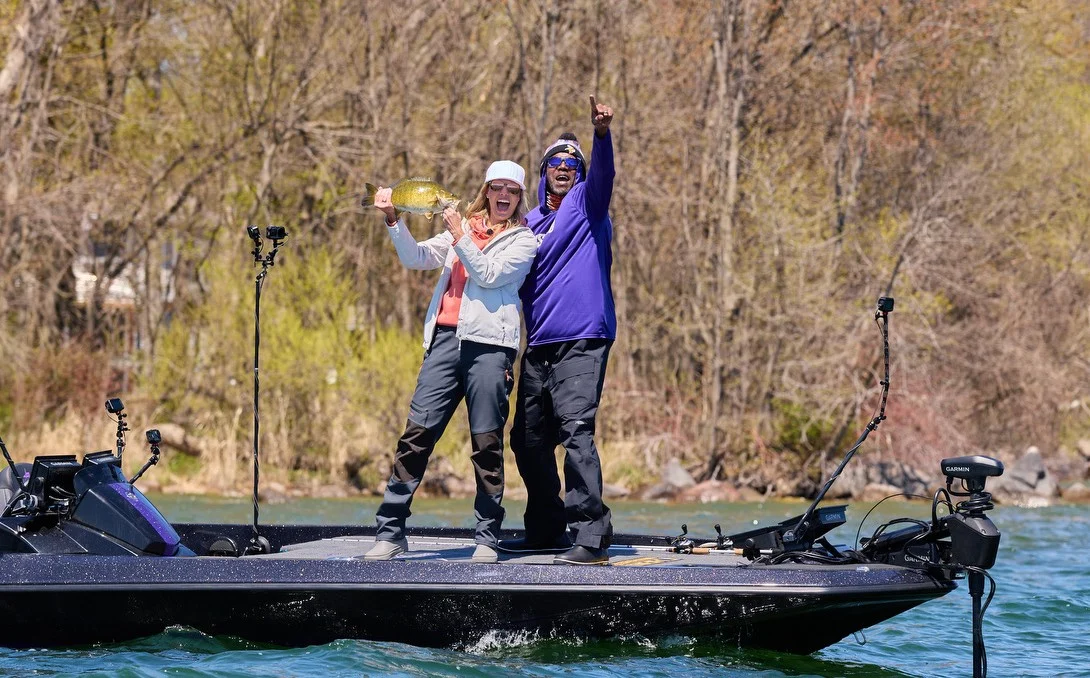
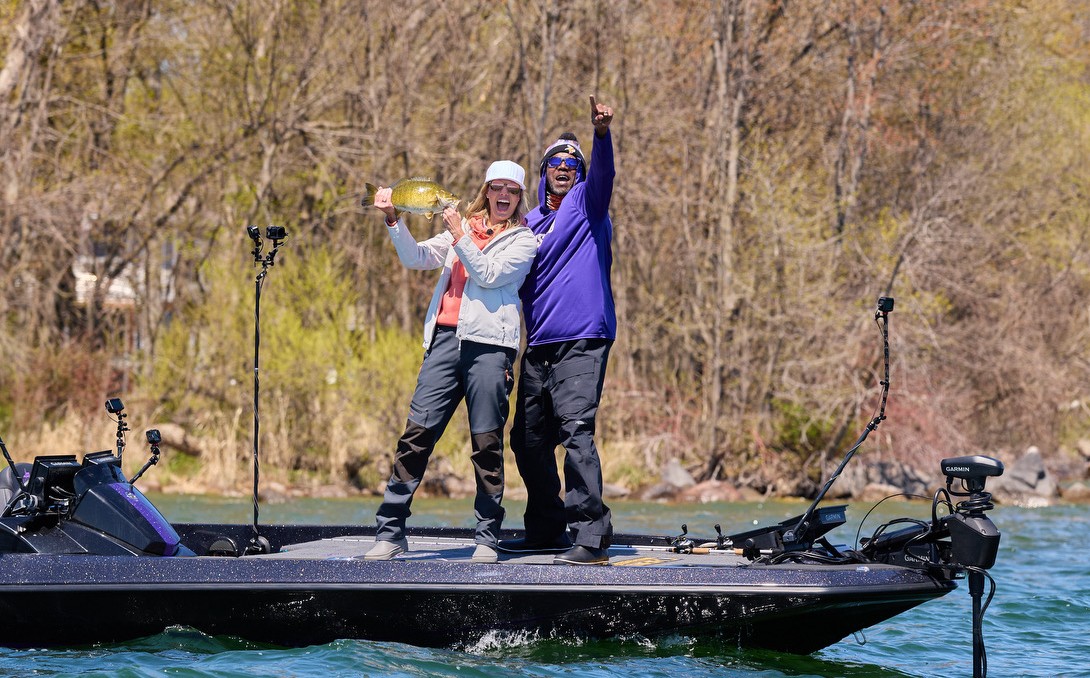
The pursuit of a legendary catch often defines the experience of an angler, a concept Pro Football Hall of Famer Randy Moss has popularized through his "Chasing 10" YouTube series. However, during a recent expedition to the waters of northern Minnesota, the mission shifted from the search for a trophy fish to a far more profound objective. Moss, joined by Kenna Dooley, the Chief Development Officer of the Children’s Cancer Research Fund (CCRF), utilized his platform to spotlight the "Chasing a Cure" campaign, a national initiative aimed at accelerating breakthroughs in pediatric oncology. The collaboration took place on Leech Lake, a location that serves not only as a premier fishing destination but as the ancestral and emotional heart of the Children’s Cancer Research Fund’s origin story.
For Moss, the "Chasing 10" moniker typically refers to the elusive ten-pound walleye or the high-stakes moments that define a sporting career. On this occasion, the legendary wide receiver redefined the terminology. "We’re not just chasing 10," Moss stated during the filming of the episode. "We’re chasing a cure." This partnership marks a significant intersection between professional sports, outdoor lifestyle content, and medical philanthropy, bringing unprecedented visibility to the specific challenges faced by families battling childhood leukemia and other pediatric malignancies.
The Historical Significance of Leech Lake and the Hageboeck Legacy
The choice of Leech Lake as the backdrop for this collaboration was deeply intentional. Long before it became a site for celebrity fishing episodes, the lake was the cherished summer retreat of Katie Hageboeck. A vibrant teenager who spent her summers swimming and fishing in these waters, Katie’s life was tragically cut short in 1979 when she passed away from leukemia at the age of 13.
In the wake of her death, the Hageboeck family sought to transform their personal grief into a sustainable engine for scientific progress. They founded the Children’s Cancer Research Fund with the specific goal of ensuring that other families would not have to endure the same loss. Over the ensuing four decades, the organization has grown from a grassroots effort into a powerhouse of medical funding, particularly benefiting the University of Minnesota’s pediatric programs.
The legacy of Katie Hageboeck is physically manifested in two primary locations at the University of Minnesota: Katie’s Clinic and "The Porch." These facilities were designed to move away from the sterile, intimidating atmosphere of traditional hospitals. Instead, they reflect the "North Woods" aesthetic of Leech Lake, incorporating natural wood, calming colors, and open spaces. The goal is to provide a sense of normalcy and peace for children undergoing grueling treatments—a direct tribute to the environment where Katie felt most at home.
The Physical and Mental Toll of Traditional Treatment
During the conversation on the water, Randy Moss provided a rare and personal glimpse into his own experiences with medical adversity. Reflecting on the rigors of intensive treatment, Moss noted the profound impact of chemotherapy. "Chemotherapy beat me up so bad," Moss shared. "It was more mental than it was physical."
This sentiment resonates with the core mission of CCRF. While chemotherapy and radiation have been the standard of care for decades and have successfully raised survival rates for many types of cancer, they come with a heavy price. For children, the long-term side effects—often referred to as "late effects"—can include cognitive impairments, heart disease, secondary cancers, and infertility. The psychological trauma of prolonged hospital stays and the physical degradation caused by toxic treatments often leave lasting scars on young survivors.
Kenna Dooley emphasized that the "Chasing a Cure" campaign is specifically designed to move the needle toward "kinder" treatments. The objective is to fund research that not only saves lives but preserves the quality of those lives. By focusing on the mental and physical burden of treatment, CCRF highlights the urgent need for a paradigm shift in how pediatric cancer is managed in the 21st century.
The Shift Toward Immunotherapy and Targeted Research
A central theme of the discussion between Moss and Dooley was the promise of immunotherapy. Unlike traditional chemotherapy, which attacks both cancerous and healthy rapidly dividing cells, immunotherapy harnesses the patient’s own immune system to identify and destroy malignant cells.
"If we can get rid of radiation and chemotherapy—that’s a win-win for everybody," Dooley noted. CCRF-funded researchers are currently exploring various avenues of immunotherapy, including CAR T-cell therapy, which involves re-engineering a patient’s T-cells to act as "living drugs." This field of study represents one of the most significant leaps in oncology history, offering hope for children with relapsed or refractory cancers who have exhausted traditional treatment options.
The data surrounding pediatric cancer funding underscores the importance of private organizations like CCRF. Historically, pediatric cancer research has been underfunded compared to adult cancers. According to the National Cancer Institute (NCI), only about 4% of federal funding for cancer research is dedicated specifically to childhood cancers. This "funding gap" means that many promising leads in pediatric medicine rely almost entirely on private donations and campaigns like "Chasing a Cure" to reach the clinical trial stage.
Chronology of Progress: From 1979 to the Present
The evolution of the Children’s Cancer Research Fund provides a timeline of the broader progress made in the field of pediatric oncology:
- 1979: Katie Hageboeck passes away at age 13. Her dying wish was that her savings be used to find a cure for leukemia.
- 1981: The Children’s Cancer Research Fund is officially established, focusing on supporting the University of Minnesota’s Department of Pediatrics.
- 1990s: CCRF expands its reach, funding early-stage research that leads to national breakthroughs in bone marrow transplantation and cord blood research.
- 2010s: The organization places a heavy emphasis on the "Total Care" model, leading to the creation of Katie’s Clinic and The Porch, focusing on the holistic well-being of the child.
- 2020-Present: The launch of targeted campaigns like "Chasing a Cure" focuses on precision medicine and immunotherapy, aiming to eliminate the need for toxic treatments.
Today, the survival rate for the most common form of childhood leukemia, Acute Lymphoblastic Leukemia (ALL), has risen to approximately 90%. However, for other rarer or more aggressive forms of the disease, the statistics remain grim, fueling the urgency of the work discussed by Moss and Dooley.
Broader Impact and the Role of Celebrity Advocacy
The involvement of a high-profile figure like Randy Moss serves as a powerful catalyst for public engagement. In the modern media landscape, the "Chasing 10" series reaches a demographic—sports fans, outdoors enthusiasts, and rural communities—that may not be traditionally reached by medical fundraising appeals. By integrating the message of cancer research into a fishing show, Moss and CCRF are effectively "meeting people where they are."
Industry analysts suggest that celebrity-driven advocacy is crucial for "orphan" diseases and specialized research areas like pediatric oncology. When a figure of Moss’s stature speaks about the mental toll of chemotherapy, it humanizes the scientific struggle and provides a relatable entry point for donors.
The "Chasing a Cure" campaign aims to raise millions in targeted funding. These funds are distributed through a rigorous peer-review process, ensuring that they go to the most promising and innovative pilot studies. Often, the "seed money" provided by CCRF allows researchers to gather enough data to qualify for larger federal grants, effectively multiplying the impact of every dollar donated.
Conclusion: A Future Beyond the Hospital Ward
The vision shared on Leech Lake is one of a future where a cancer diagnosis does not mean the end of a childhood. For Katie Hageboeck, the essence of being a child was found in the simple joys of the North Woods: the tug of a line, the cold water of the lake, and the company of family.
The collaboration between Randy Moss and the Children’s Cancer Research Fund serves as a reminder that the ultimate "trophy" in the world of medical research is the restoration of those moments for every child. As the "Chasing 10" episode concludes, the message remains clear: while the pursuit of the next great catch will always draw people to the water, the pursuit of a cure is the most vital race of all. By supporting immunotherapy and reducing the reliance on toxic treatments, the campaign seeks to ensure that the next generation of children spends less time in hospital wards and more time on the water, chasing their own dreams.
