
 By admin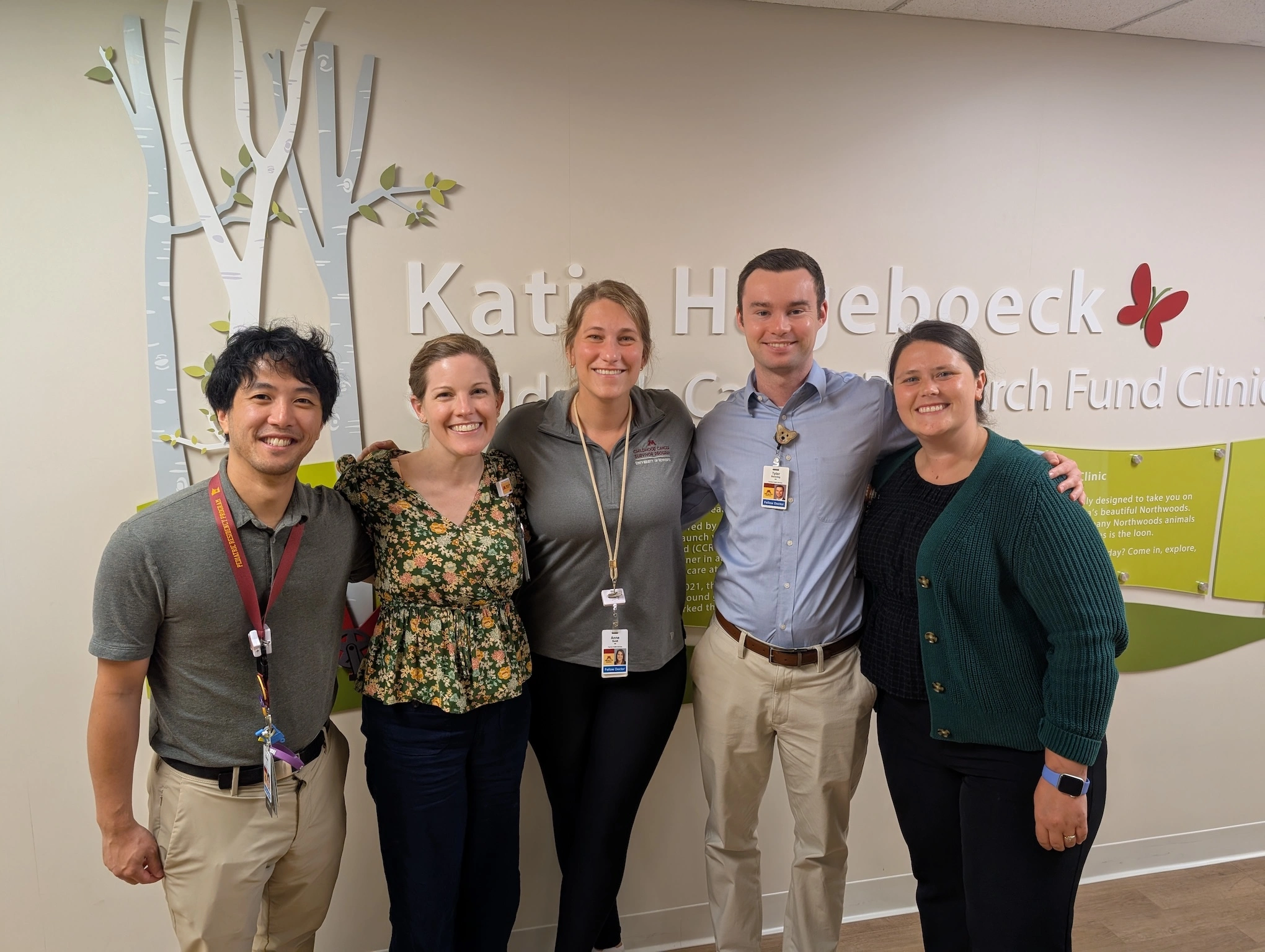
The landscape of pediatric oncology is currently defined by a paradoxical crisis: while medical advancements have pushed the overall five-year survival rate for childhood cancer to more than 85 percent, the United States is facing a mounting shortage of the very specialists required to provide life-saving care and long-term survivorship support. In response to this critical workforce gap, the Children’s Cancer Research Fund (CCRF) has announced a landmark 10-year funding commitment to the Pediatric Hematology/Oncology Fellowship Program at the University of Minnesota. This strategic investment aims to secure the pipeline of clinician-researchers who are essential for the development of next-generation therapies and the management of the complex health needs of a growing population of childhood cancer survivors.
For over four decades, CCRF has served as a cornerstone of support for the University of Minnesota’s medical training infrastructure. This latest decade-long pledge represents a significant expansion of that partnership, providing the financial stability necessary to recruit, train, and retain top-tier medical talent in a field that is increasingly demanding and academically rigorous. The program is designed to bridge the gap between laboratory discovery and bedside application, ensuring that the most recent breakthroughs in biotechnology are translated into standard clinical practice for the youngest and most vulnerable patients.
The Growing Shortage of Pediatric Oncologists and the Survivorship Paradox
The urgency of this funding initiative is underscored by data from the American Board of Pediatrics and the American Society of Pediatric Hematology/Oncology (ASPHO), which indicate a tightening bottleneck in the specialist workforce. As the complexity of cancer treatment increases—moving from generalized chemotherapy to highly specific genomic and cellular therapies—the level of training required for new physicians has expanded. Simultaneously, a significant portion of the current workforce is approaching retirement age, and the number of new fellows entering the field has not kept pace with the rising demand for specialized care.
This shortage is exacerbated by what experts call the "survivorship paradox." Because more children are surviving cancer than ever before, there is a cumulative increase in the number of patients requiring lifelong monitoring. Many survivors face "late effects" of treatment, including secondary cancers, cardiovascular issues, and endocrine disorders, which necessitate specialized oncological oversight well into adulthood. Without a robust influx of new specialists, the medical system risks a decline in the quality of long-term care, potentially undermining the hard-won gains in survival rates achieved over the last half-century.
A Multi-Decade Chronology of Support and Innovation
The relationship between the Children’s Cancer Research Fund and the University of Minnesota is built on a foundation of historical milestones in pediatric medicine. The University of Minnesota has long been a global leader in hematology and oncology, notably performing the world’s first successful human bone marrow transplant in 1968. Recognizing the university’s potential as a hub for innovation, CCRF began its support of the fellowship program more than 40 years ago.
The evolution of this partnership follows a clear chronology of advancement:
- The 1980s and 1990s: CCRF’s initial grants focused on basic clinical training, helping the university establish a standardized curriculum for pediatric hematology and oncology.
- The 2000s: As the human genome was sequenced, the focus shifted toward molecular biology. CCRF funding allowed fellows to begin integrating genetic research into their clinical rotations.
- The 2010s: The rise of immunotherapy and "living drugs" saw the program expand into cellular therapy research, with fellows contributing to the early implementation of CAR T-cell treatments.
- 2024 and Beyond: The new 10-year commitment represents the longest-term pledge in the program’s history, designed to provide a "recession-proof" environment for academic research and the development of health equity initiatives.
The Curriculum: Developing the Clinician-Researcher Model
The CCRF Pediatric Hematology/Oncology Fellowship Program at the University of Minnesota is distinct for its "Clinician-Researcher" model. Unlike programs that may prioritize one aspect of medicine over the other, this curriculum requires emerging doctors to be equally proficient in the intensive care unit and the research laboratory. This dual focus is intended to produce "physician-scientists" who can identify clinical problems at the bedside and return to the lab to engineer solutions.
The multi-year curriculum is divided into intensive phases. The clinical phase provides fellows with hands-on experience in managing leukemia, lymphoma, solid tumors, and rare blood disorders. Following this, the research phase allows fellows to join faculty-led laboratories where they engage in high-impact studies. Currently, fellows are exploring frontier technologies such as:
- CAR T-Cell Therapy: Engineering a patient’s own immune cells to recognize and attack cancer cells without the systemic toxicity of traditional chemotherapy.
- Gene Therapy: Utilizing viral vectors to correct genetic defects that lead to blood disorders like sickle cell anemia or predispose children to certain malignancies.
- Precision Medicine: Using proteomic and genomic profiling to tailor treatments to the specific molecular signature of an individual child’s tumor.
Expanding the Scope: Bioethics, Health Equity, and Communication
While technical mastery of oncology is the program’s core, the most recent class of CCRF Fellows has expanded the scope of their research to address the social and ethical dimensions of cancer care. This reflects a modern understanding that survival is influenced not just by biology, but by the systems through which care is delivered.
Current research projects within the fellowship include studies on bioethics, specifically the navigation of complex decisions regarding end-of-life care and the use of experimental therapies in pediatric populations. Other fellows are focusing on "prognosis communication," developing standardized methods for doctors to discuss difficult diagnoses with families in a way that is transparent yet compassionate, which has been shown to improve psychological outcomes for both patients and parents.
Furthermore, a significant emphasis has been placed on health equity. Data consistently shows that children from marginalized or rural communities often have lower survival rates and less access to clinical trials. CCRF-funded fellows are investigating these disparities, seeking to identify the barriers to care and develop outreach protocols that ensure life-saving innovations reach every child, regardless of their socioeconomic status or geographic location.
Institutional Reactions and Economic Implications
While official statements from the University of Minnesota emphasize the academic prestige of the program, the underlying sentiment among medical leadership is one of relief and strategic foresight. In an era where federal funding from the National Institutes of Health (NIH) and the National Cancer Institute (NCI) is highly competitive and often prioritized for adult cancers—with pediatric research famously receiving only about 4 percent of the NCI budget—private philanthropic commitments like that of CCRF are vital.
"The stability of a 10-year commitment cannot be overstated," noted one faculty mentor associated with the program. "It allows us to tell a prospective fellow that their research project won’t be defunded halfway through their training. It gives us the freedom to pursue ‘high-risk, high-reward’ research that government grants might overlook."
From an economic perspective, the investment in fellowships is highly efficient. By training one specialist who then goes on to practice for 30 years, the funding indirectly benefits thousands of future patients. Moreover, the presence of a robust fellowship program attracts federal research dollars and biotechnology partnerships to the region, stimulating the local "med-tech" economy in the Twin Cities.
The National Impact: A Legacy of Leadership
The influence of the CCRF Fellowship Program extends far beyond the borders of Minnesota. Alumni of the program have gone on to lead oncology departments at prestigious institutions such as St. Jude Children’s Research Hospital, Dana-Farber Cancer Institute, and the Mayo Clinic. By funding the training at the University of Minnesota, CCRF is essentially exporting expertise to the rest of the country.
The program’s alumni are responsible for numerous breakthroughs, including the refinement of pediatric blood and marrow transplantation techniques and the discovery of biomarkers that predict how a child will respond to specific treatments. This "multiplier effect" ensures that a single donation to the fellowship program has a cascading impact on the global field of pediatric medicine.
Conclusion: Securing the Future of Childhood Cancer Care
As the medical community looks toward the next decade, the challenges facing pediatric oncology remain significant. The rising cost of advanced therapies, the administrative burdens on physicians, and the persistent mystery of certain "incurable" pediatric brain tumors require a workforce that is not only highly skilled but also resilient and well-supported.
The Children’s Cancer Research Fund’s 10-year commitment to the University of Minnesota is a proactive strike against the looming specialist shortage. By investing in the minds of young doctors today, the organization is ensuring that the survivors of tomorrow have the medical advocates they need. In the fight against childhood cancer, the most powerful tool is not a single drug or a single machine, but the sustained expertise of a dedicated physician-scientist. Through this funding, CCRF is guaranteeing that the next generation of these experts will be ready to meet the challenges of a rapidly evolving medical frontier.
