
 By Suherman Candra Maholtra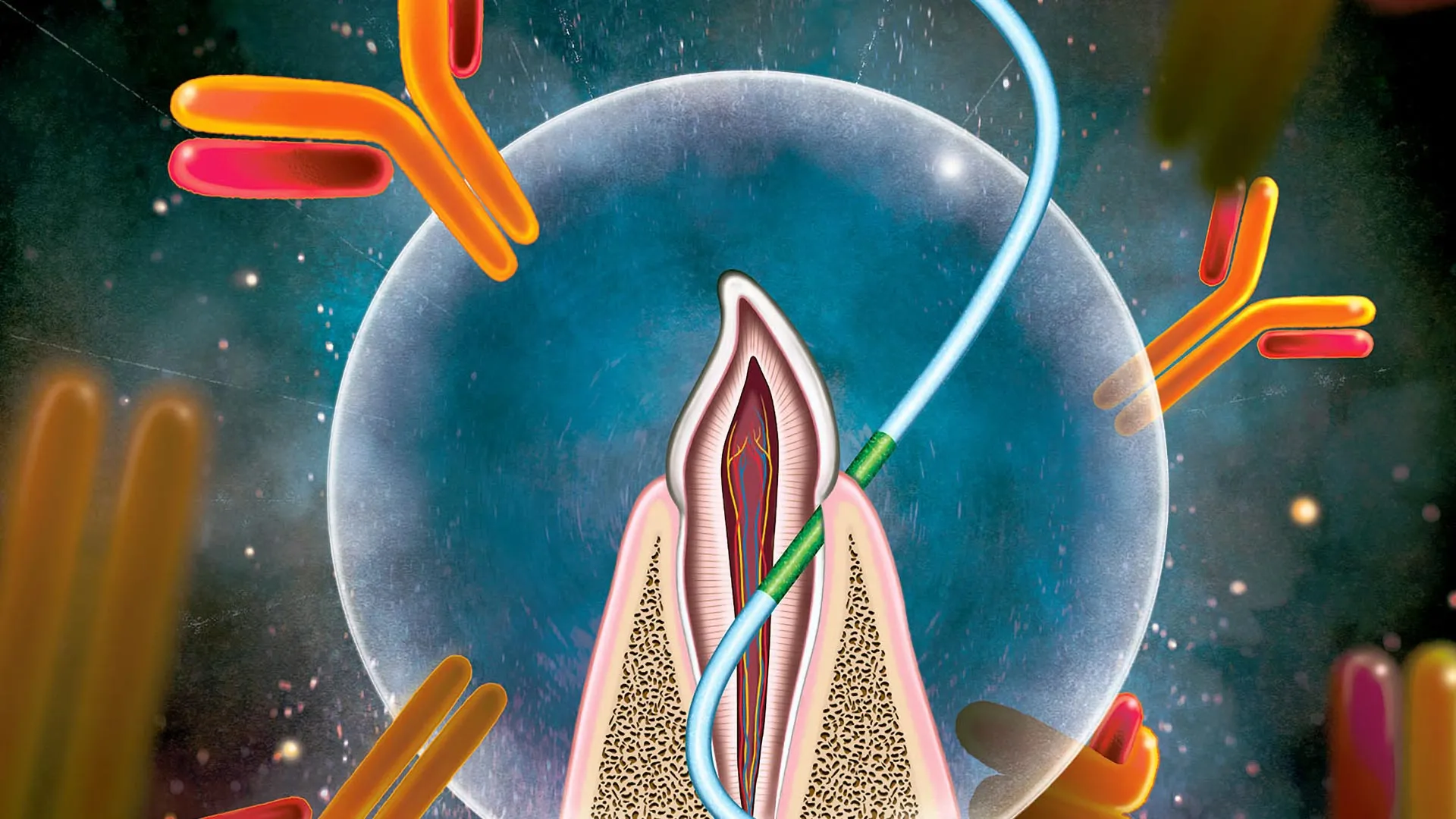
In a significant breakthrough for immunological research, a multidisciplinary team of scientists has demonstrated a novel vaccine delivery method that utilizes common dental floss to introduce immunizing agents through the tissue between the teeth and gums. This pioneering approach, detailed in a study published in the journal Nature Biomedical Engineering, targets the junctional epithelium—a specialized, permeable layer of tissue within the gingival sulcus. By leveraging this unique anatomical "weak point," researchers have successfully stimulated robust antibody production not only in the bloodstream but, crucially, across mucosal surfaces such as the lining of the lungs and nasal passages.
The research, led by Harvinder Singh Gill, the Ronald B. and Cynthia J. McNeill Term Professor in Nanomedicine at North Carolina State University, and Rohan Ingrole, a former doctoral student at Texas Tech University, represents a potential paradigm shift in how vaccines are administered. By moving away from traditional needle-based injections, this method addresses the critical need for mucosal immunity, which serves as the body’s first line of defense against respiratory pathogens like influenza and SARS-CoV-2.
The Biological Frontier: Understanding Mucosal Immunity
To appreciate the significance of this development, one must understand the limitations of conventional intramuscular injections. When a vaccine is injected into a muscle, it primarily stimulates a systemic immune response, generating antibodies that circulate in the bloodstream. While effective at preventing severe disease, systemic immunity is often less efficient at blocking the initial entry of viruses that colonize the mucosal linings of the respiratory and gastrointestinal tracts.
"Mucosal surfaces are important because they are a source of entry for pathogens, such as influenza and COVID," explained Harvinder Singh Gill. "However, if a vaccine is given by injection, antibodies are primarily produced in the bloodstream throughout the body, and relatively few antibodies are produced on mucosal surfaces."
The "floss-based" method bypasses this limitation. By introducing the vaccine directly to a mucosal layer—the junctional epithelium—the body is prompted to produce a dual response. This results in an additional layer of antibody defense at the very point where pathogens attempt to invade the body.
The Role of the Junctional Epithelium
The human body is covered and lined by various types of epithelial tissue, most of which act as formidable barriers against environmental hazards. The lining of the lungs, stomach, and intestines is designed to prevent the translocation of bacteria, viruses, and debris into the blood. However, the junctional epithelium, located at the deepest part of the pocket between the tooth and the gum, is biologically distinct.
Unlike the rugged barriers of the skin or the gut, the junctional epithelium is remarkably thin and permeable. Its primary biological function is to allow the passage of immune cells from the body into the mouth to combat oral bacteria. This inherent "leakiness" makes it an ideal portal for vaccine delivery. Because it lacks the dense barrier features of other mucosal tissues, it allows vaccine molecules to reach the underlying immune system with unprecedented efficiency.
Experimental Methodology and Comparative Results
The research team conducted a series of rigorous tests using animal models to determine the viability of this delivery route. The primary experiments involved coating unwaxed dental floss with a peptide-based influenza vaccine and applying it to the teeth of laboratory mice. To establish a benchmark for success, the researchers compared the results of the flossing technique against two other established mucosal delivery methods: intranasal (through the nose) and sublingual (under the tongue).
The findings were striking. The flossing method produced an antibody response on mucosal surfaces that was far superior to the sublingual method, which is currently considered the gold standard for oral cavity vaccination. Furthermore, the flossing technique provided protection against the flu virus comparable to that of intranasal delivery.
"This is extremely promising," Gill noted, "because most vaccine formulations cannot be given via the nasal epithelium—the barrier features in that mucosal surface prevent efficient uptake of the vaccine."
Furthermore, intranasal delivery carries a specialized risk: the potential for vaccine components to travel along the olfactory nerve and reach the brain. The junctional epithelium offers a safer alternative, as it provides a direct route to the immune system without the neurological proximity risks associated with the nasal cavity.
Versatility Across Vaccine Classes: mRNA and Beyond
A critical component of the study was determining whether the junctional epithelium could accommodate different types of modern medical technology. The researchers tested the delivery method with four distinct classes of vaccines:
- Peptides: Short chains of amino acids.
- Proteins: Complex molecules used in many traditional vaccines.
- Inactivated Viruses: Killed versions of a pathogen.
- mRNA: The technology used in the most prominent COVID-19 vaccines.
In every instance, the flossing technique successfully generated robust antibody responses both systemically (in the blood) and mucosally. The success with mRNA is particularly noteworthy, as it suggests that the "floss-and-protect" method could be adapted for the next generation of rapid-response vaccines.
Additionally, the study addressed practical concerns regarding the oral environment. In the animal models, the consumption of food and water immediately after the vaccination procedure did not diminish the immune response, suggesting that the vaccine is absorbed quickly enough to withstand the natural processes of the mouth.
From Lab to Life: The Human Feasibility Study
Recognizing that laboratory mice do not have the manual dexterity to use floss, and that human application would require a more user-friendly interface, the researchers transitioned to testing floss picks. These devices, which feature a piece of floss stretched between two prongs on a handle, are widely used in modern oral hygiene.
The team recruited 27 human participants to evaluate the feasibility of self-administration. Instead of a live vaccine, the floss picks were coated with a fluorescent food dye. Participants were instructed on the concept of targeting the junctional epithelium and asked to use the device.
The results indicated high potential for real-world application: approximately 60% of the dye was successfully deposited in the gum pocket. This suggests that with minimal instruction, a significant portion of the population could effectively self-administer a vaccine using this method.
Chronology of Development and Collaborative Efforts
The development of this technology spans several years and multiple prestigious institutions. The foundational work began at Texas Tech University, where Rohan Ingrole conducted his doctoral research under Gill’s supervision. The project eventually moved to North Carolina State University as Gill assumed his current professorship.
The collaborative effort included contributions from:
- Texas Tech University: Akhilesh Kumar Shakya, Chang Hyun Lee, and Lazar Nesovic.
- NC State University: Gaurav Joshi.
- Emory University: Richard Compans, a renowned expert in microbiology and immunology.
The study was backed by substantial federal and private funding, including grants from the National Institutes of Health (NIH) and the Whitacre Endowed Chair in Science and Engineering. Gill, Ingrole, and Shakya have also filed for a patent related to targeting the junctional epithelium for vaccination, signaling a clear path toward commercialization and clinical application.
Broader Implications and Future Challenges
The implications of a floss-based vaccine are far-reaching. From a public health perspective, it addresses "needle phobia," a significant barrier to vaccine uptake in many populations. Furthermore, because the method is non-invasive and relatively simple, it could theoretically be administered by individuals at home or by minimally trained health workers in resource-limited settings.
However, the researchers remain cautious and transparent about the hurdles ahead. The technique is currently unsuitable for infants and toddlers who have not yet developed teeth, as the junctional epithelium only forms during tooth eruption.
"In addition, we would need to know more about how or whether this approach would work for people who have gum disease or other oral infections," Gill said. Periodontal disease alters the anatomy and inflammatory state of the gingival sulcus, which could either enhance or hinder the vaccine’s effectiveness.
Conclusion and Path to Clinical Trials
The success of the floss-based delivery system in animal models and the initial human dye study provides a strong foundation for the next phase of research. The team is now looking toward refined clinical trials to test the safety and efficacy of actual vaccine formulations in human subjects.
As the global medical community continues to seek more effective ways to combat respiratory pandemics, the junctional epithelium may prove to be the "hidden doorway" that allows for a new era of needle-free, mucosal-focused immunization. If successful in clinical trials, the simple act of flossing could one day become a cornerstone of global preventative medicine, providing a dual-layered shield against the world’s most pervasive pathogens.
