
 By admin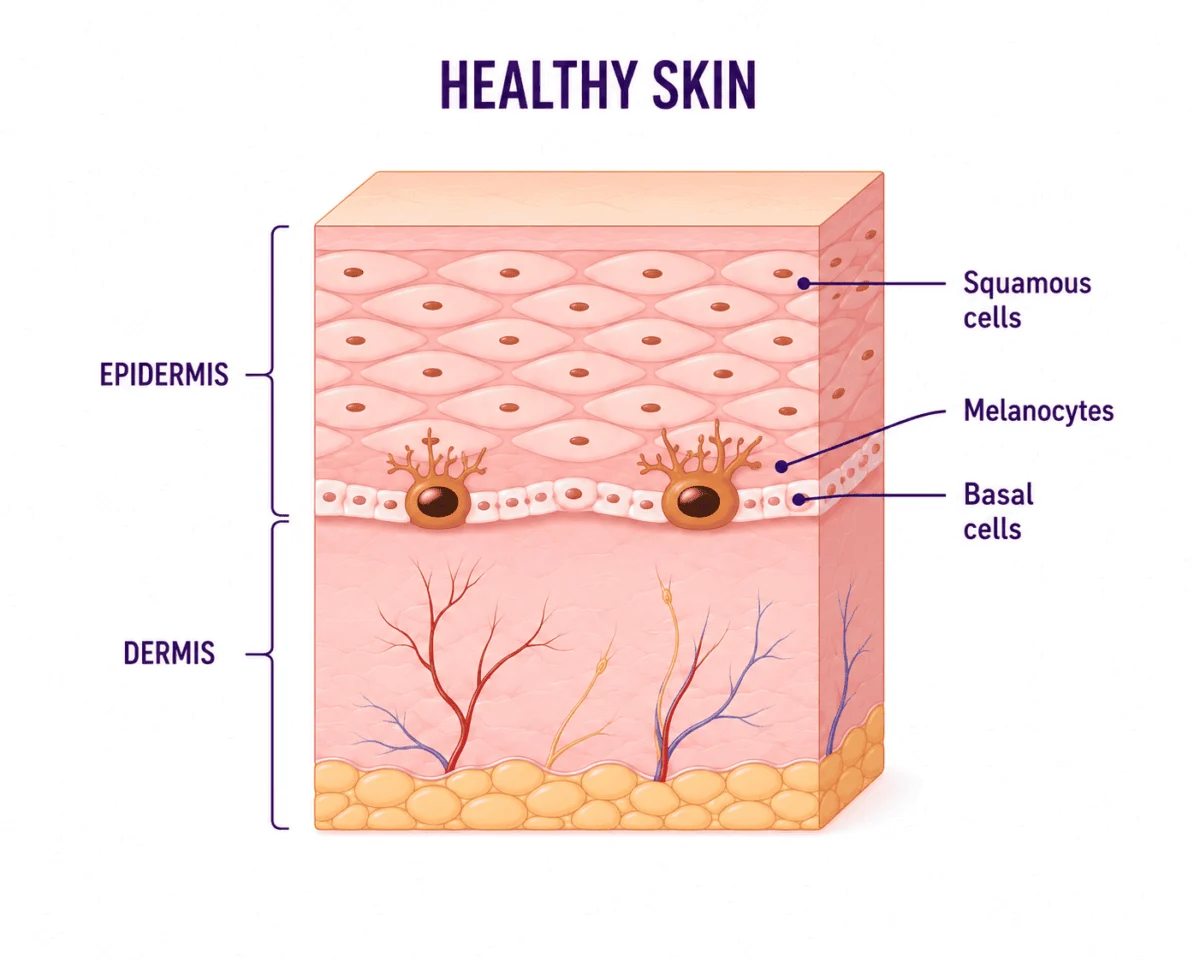
As July unfolds, designated as Ultraviolet (UV) Radiation Safety Awareness Month, public health organizations and research institutions worldwide redouble their efforts to highlight the critical importance of skin protection and to educate the public on the escalating risks of skin cancer. The skin, humanity’s largest organ, serves as a vital protective barrier, yet it remains profoundly vulnerable to environmental aggressors, primarily harmful UV radiation. The Cancer Research Institute (CRI) stands at the forefront of this initiative, disseminating crucial information and underscoring the remarkable progress achieved in both prevention and treatment strategies for skin cancer, particularly melanoma.
The Pervasive Threat: Understanding UV Radiation
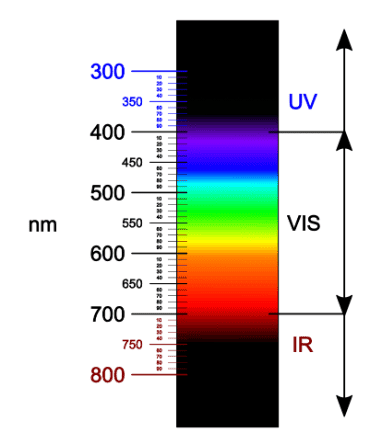
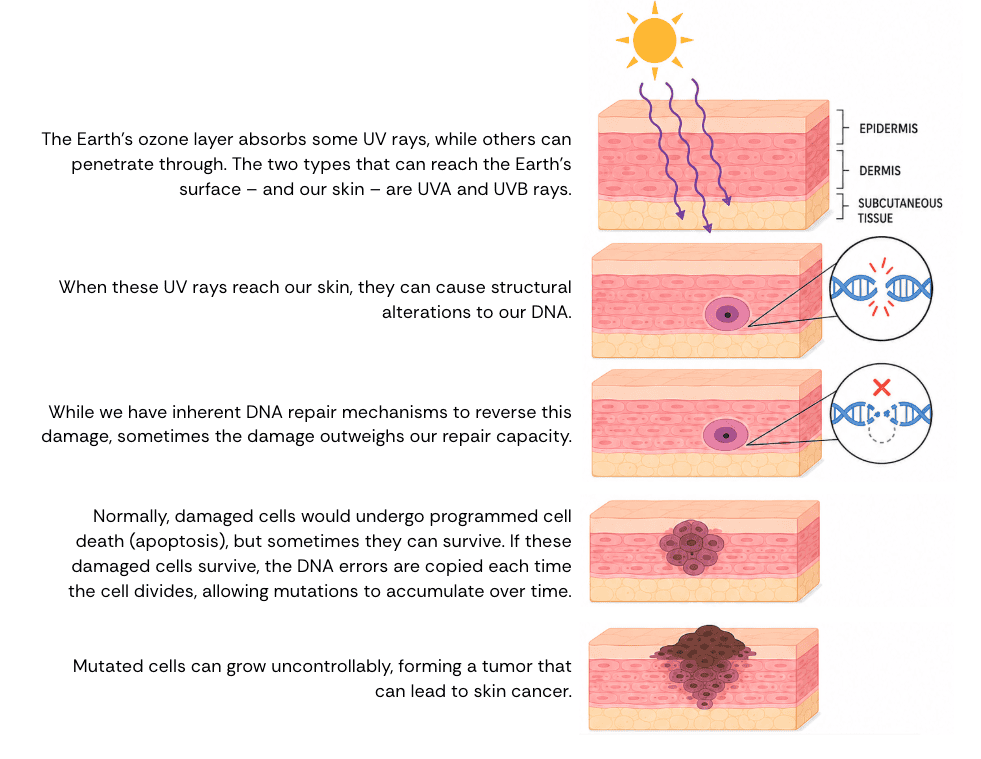
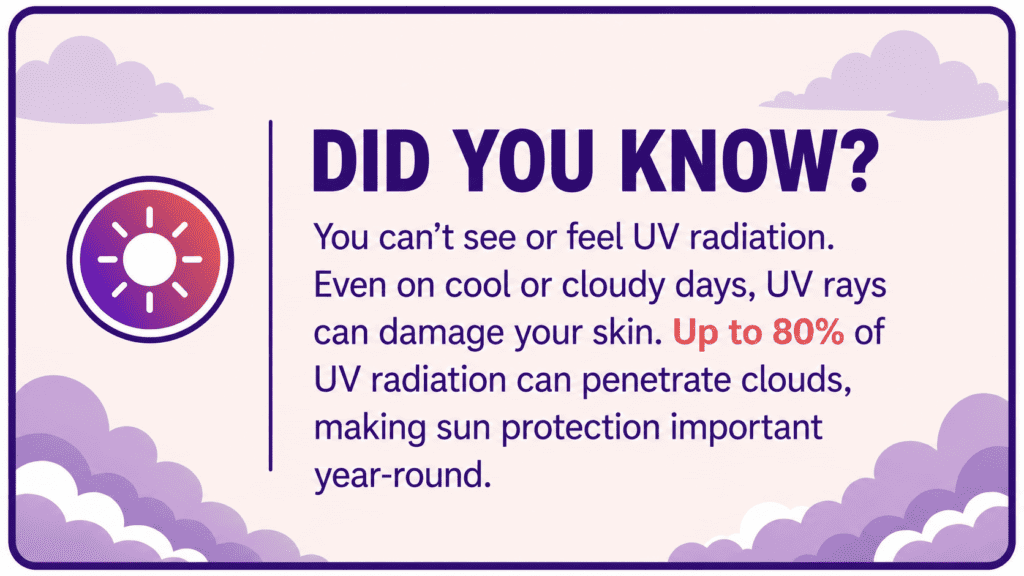
Ultraviolet radiation, an invisible component of the electromagnetic spectrum, is a potent carcinogen with wavelengths ranging from 100 to 400 nanometers, shorter than visible light but longer than X-rays. While naturally emanating from the sun, artificial sources such as tanning beds also emit dangerous levels of UV rays. Exposure to UV radiation is categorized into two primary types: UVA and UVB. UVA rays, which constitute approximately 95% of the UV radiation reaching the Earth’s surface, penetrate deeply into the skin, contributing to premature aging, wrinkles, and immune suppression, and playing a significant role in the development of skin cancer. UVB rays, though shorter and primarily responsible for sunburn, are more intensely linked to direct DNA damage within skin cells, which is a key initiator of most skin cancers. Both types are detrimental, and their cumulative effect over a lifetime can lead to severe health consequences.
The mechanism by which UV radiation instigates skin cancer involves direct damage to cellular DNA. When skin cells absorb UV energy, it can cause mutations in the genetic code, particularly in genes responsible for regulating cell growth and repair. While the body’s natural repair mechanisms can often correct minor damage, chronic or intense exposure overwhelms these systems, leading to unrepaired mutations. These mutated cells can then begin to divide uncontrollably, forming cancerous lesions. The cumulative nature of this DNA damage means that every instance of unprotected sun exposure contributes to a long-term risk profile, making lifelong sun safety paramount.
Skin Cancer: A Significant Public Health Burden
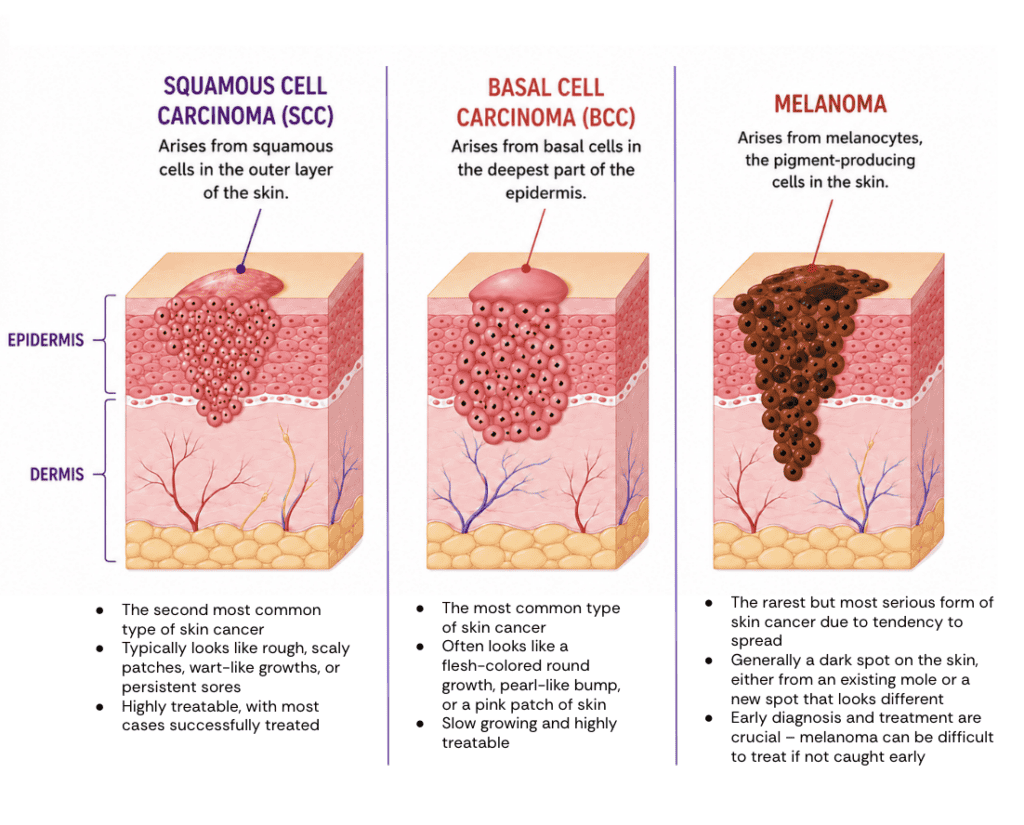
Skin cancer is the most common form of cancer globally, with its incidence steadily rising. According to the American Academy of Dermatology, an estimated one in five Americans will develop skin cancer in their lifetime. While highly preventable, the disease poses a substantial public health challenge and economic burden. The three most prevalent types of skin cancer are Basal Cell Carcinoma (BCC), Squamous Cell Carcinoma (SCC), and Melanoma.
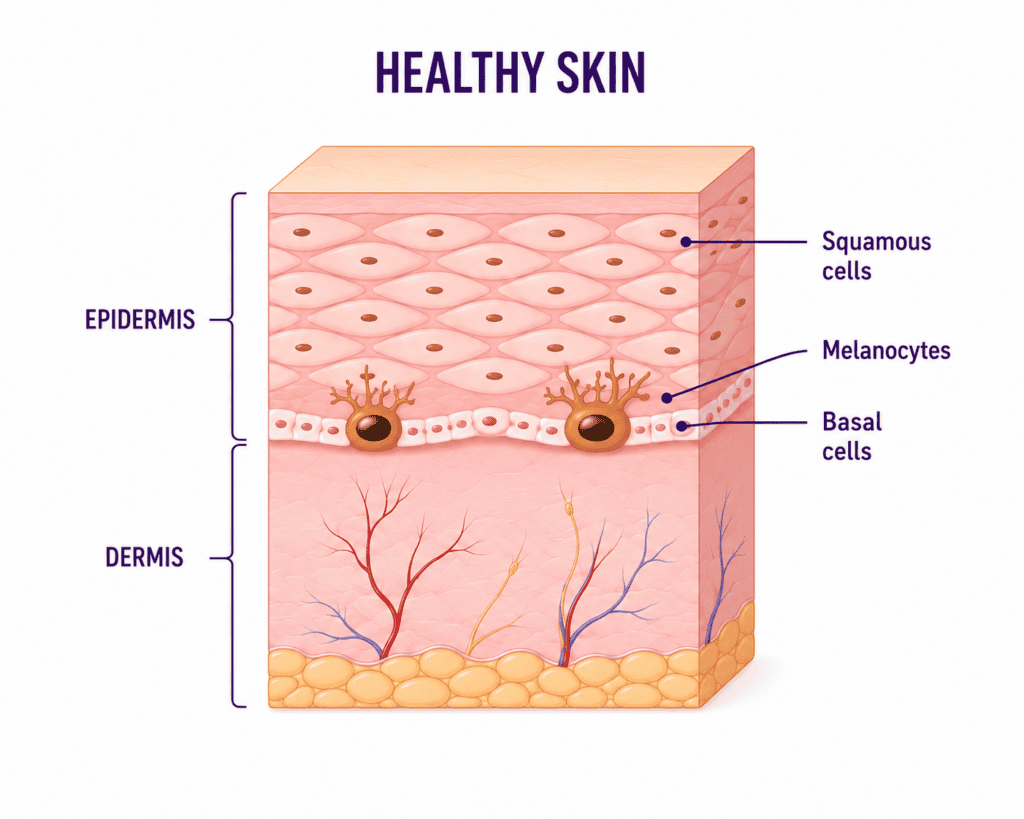
- Basal Cell Carcinoma (BCC): This is the most common type, accounting for approximately 80% of all skin cancers. BCCs originate in the basal cells, which line the deepest layer of the epidermis. They typically appear as pearly or waxy bumps, often on sun-exposed areas like the head and neck. While rarely spreading to other parts of the body, BCCs can be locally destructive if left untreated.
- Squamous Cell Carcinoma (SCC): The second most common type, SCCs arise from squamous cells, which are flat cells in the outer part of the epidermis. They often present as firm, red nodules, or flat, scaly patches. SCCs are more likely to grow and spread than BCCs, especially if they are large or located on mucous membranes.
- Melanoma: Though less common than BCC and SCC, melanoma is the most aggressive and deadliest form of skin cancer. It develops in melanocytes, the cells that produce melanin, the pigment that gives skin its color. Melanoma can appear as a new mole or a change in an existing one, often characterized by asymmetry, irregular borders, varied color, and a diameter greater than 6mm (the "ABCDEs" of melanoma). Untreated melanoma has a high propensity to metastasize, spreading rapidly to other organs and becoming significantly more challenging to treat.
The good news, emphasized by medical experts and organizations like CRI, is that the vast majority of skin cancers are preventable. Simple, consistent measures to protect the skin can dramatically reduce an individual’s risk.
The Power of Prevention: Shielding Your Skin
Preventing skin cancer hinges on minimizing exposure to harmful UV radiation. Public health campaigns consistently advocate for a multi-faceted approach to sun safety:
- Seeking Shade: Especially between 10 AM and 4 PM, when the sun’s rays are most intense.
- Wearing Protective Clothing: Long-sleeved shirts, pants, wide-brimmed hats, and UV-blocking sunglasses provide excellent physical barriers against UV radiation.
- Applying Sunscreen: Using broad-spectrum sunscreen with an SPF of 30 or higher, applied generously and reapplied every two hours, or more frequently after swimming or sweating. Sunscreen acts by either reflecting UV light (mineral sunscreens with zinc oxide or titanium dioxide) or absorbing it (chemical sunscreens).
- Avoiding Tanning Beds: Artificial tanning devices emit concentrated UV radiation, significantly increasing the risk of melanoma and other skin cancers.
- Regular Skin Self-Exams: Periodically checking one’s own skin for new moles or changes in existing ones is crucial for early detection.
- Professional Skin Screenings: Annual dermatological check-ups, especially for individuals with a history of extensive sun exposure, numerous moles, or a family history of skin cancer, allow for early identification and removal of suspicious lesions.
These preventive strategies are not merely recommendations; they are vital tools in the fight against skin cancer, offering individuals the power to actively protect their health.
A Paradigm Shift: Immunotherapy’s Triumph Over Melanoma
Despite robust prevention efforts, skin cancer, particularly melanoma, can still develop. For decades, advanced melanoma carried a grim prognosis, with limited treatment options and low survival rates. However, the landscape of melanoma treatment has been dramatically transformed by the advent of cancer immunotherapy, marking one of the most significant breakthroughs in modern oncology.
The cornerstone of this revolution lies in Immune Checkpoint Inhibitors (ICIs). These innovative therapies work by "releasing the brakes" on the immune system, specifically targeting proteins like PD-1, PD-L1, and CTLA-4 that tumors exploit to evade immune detection and destruction. By blocking these inhibitory pathways, ICIs empower the body’s T cells to recognize and attack cancer cells more effectively.
The seminal work leading to the development of ICIs was spearheaded by scientists like James P. Allison, PhD, Director of CRI’s Scientific Advisory Council. Dr. Allison’s pioneering research into the CTLA-4 pathway in the 1990s laid the theoretical and experimental groundwork for the first FDA-approved immune checkpoint inhibitor, ipilimumab, which targeted CTLA-4. His groundbreaking contributions were recognized with the Nobel Prize in Physiology or Medicine in 2018, shared with Tasuku Honjo, for their independent discoveries related to checkpoint inhibition. Subsequent research led to the development of PD-1 inhibitors like pembrolizumab and nivolumab, which have further expanded the arsenal against melanoma and other cancers.
The impact of these discoveries is profound. What was once considered a death sentence for many with advanced melanoma has become a treatable condition, offering the possibility of long-term survival and even remission for a significant percentage of patients.
Patient Perspective: Sharon Belvin’s Enduring Legacy
The human impact of these scientific breakthroughs is best illustrated through patient stories. Sharon Belvin, a young woman diagnosed with Stage 4 melanoma at just 22 years old, stands as a powerful testament to the life-saving potential of immunotherapy. Faced with rapidly dwindling options, Sharon enrolled in one of the early clinical trials for ICIs. Her experience, shared eloquently, captures the profound fear and uncertainty that accompanies a cancer diagnosis: "Hearing the words ‘You have cancer’ carries a weight that’s almost impossible to describe. I remember the fear, the uncertainty, and the question that echoed in my mind every single day: How much time do I really have left?"
Sharon’s participation in the clinical trial proved to be life-altering. Against daunting odds, she responded remarkably to the experimental treatment. Today, over two decades later, Sharon Belvin remains cancer-free, a vibrant survivor whose life trajectory was fundamentally altered by the innovative therapy. Her story is a beacon of hope, demonstrating the real-world impact of decades of fundamental immunology research. Dr. Allison himself, whose work made Sharon’s survival possible, even officiated her wedding, a deeply personal connection that underscores the profound human dimension of scientific discovery. Sharon’s enduring health is a living monument to the power of dedicated research and clinical innovation.
The Horizon of Research: Addressing Unmet Needs
While immunotherapy has undeniably revolutionized melanoma treatment, it is not a universal cure. Between 30% and 50% of patients with advanced melanoma do not respond to ICIs, prompting an urgent need for continued research to understand the mechanisms of resistance and to develop more effective strategies.
One such promising area of investigation is led by Katie Campbell, PhD, a former CRI Postdoctoral Fellow and adjunct assistant professor at UCLA. Dr. Campbell’s research aims to unravel why some patients benefit from ICIs while others do not. Her approach extends beyond merely identifying the types of immune cells present within tumors; she meticulously analyzes their spatial arrangement and the architectural dynamics of these cellular "neighborhoods." These regions, where cancer cells, immune cells, and blood vessels constantly interact, provide critical clues about the tumor microenvironment and its influence on treatment response.
Crucially, Dr. Campbell’s team studies biopsies taken both before and during treatment. This longitudinal approach captures the immune system "in motion," offering a dynamic picture rather than a static snapshot. As she vividly describes, "It’s like taking a picture of a bike race before it starts. Before the race, you can just say there’s a bunch of bikes. Once they’re moving, you can say which cyclists are at the front of the pack versus the back – and you can do a lot more inference about what’s happening." By observing these changes, researchers can identify biomarkers and cellular patterns that predict treatment success or failure.
The broader vision of this research is to enable smarter, earlier interventions. Currently, patients who do not respond to initial immunotherapy regimens often cycle through multiple treatments, losing valuable time and potentially compromising their overall health. Dr. Campbell’s work aims to develop diagnostic tools that can predict a patient’s likelihood of response much sooner, allowing clinicians to tailor therapy from the outset. This precision medicine approach could save precious time and ensure that patients receive the most effective treatment before their ability to respond is diminished, ultimately improving outcomes for a greater number of individuals with advanced melanoma.
Sustaining Progress: Prevention and Research Hand in Hand
July’s UV Radiation Safety Awareness Month serves as a poignant reminder that while scientific advancements have reshaped the treatment landscape for some of the most aggressive skin cancers, prevention remains the most powerful defense. The simple, consistent habits of sun protection – seeking shade, wearing protective clothing, and applying high-SPF sunscreen – are indispensable tools for safeguarding health and reducing the burden of skin cancer.
Simultaneously, the relentless pursuit of knowledge through research continues to redefine what is possible for cancer patients. Immunotherapy has transformed the outlook for many with advanced melanoma, turning what was once a terminal diagnosis into a manageable condition for a growing number of individuals. Organizations like the Cancer Research Institute are committed to funding and fostering the next generation of breakthroughs, ensuring that the progress made benefits an ever-wider patient population.
Whether through diligent personal prevention strategies or through the critical support of scientific research, every action contributes to a collective effort toward a future where fewer people develop skin cancer, and for those who do, more will survive and thrive. The dual commitment to robust prevention and innovative research is the cornerstone of overcoming this pervasive health challenge.
