
 By admin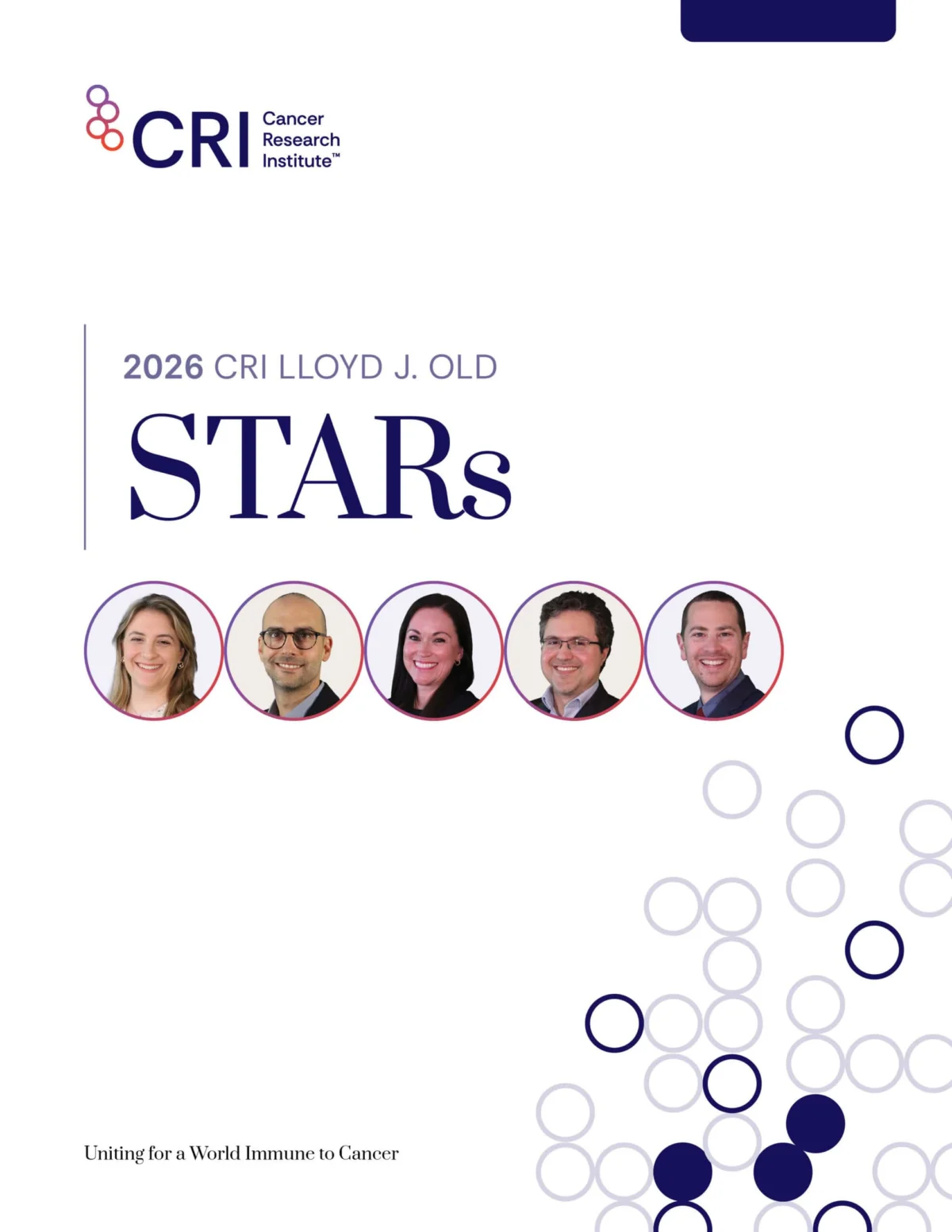
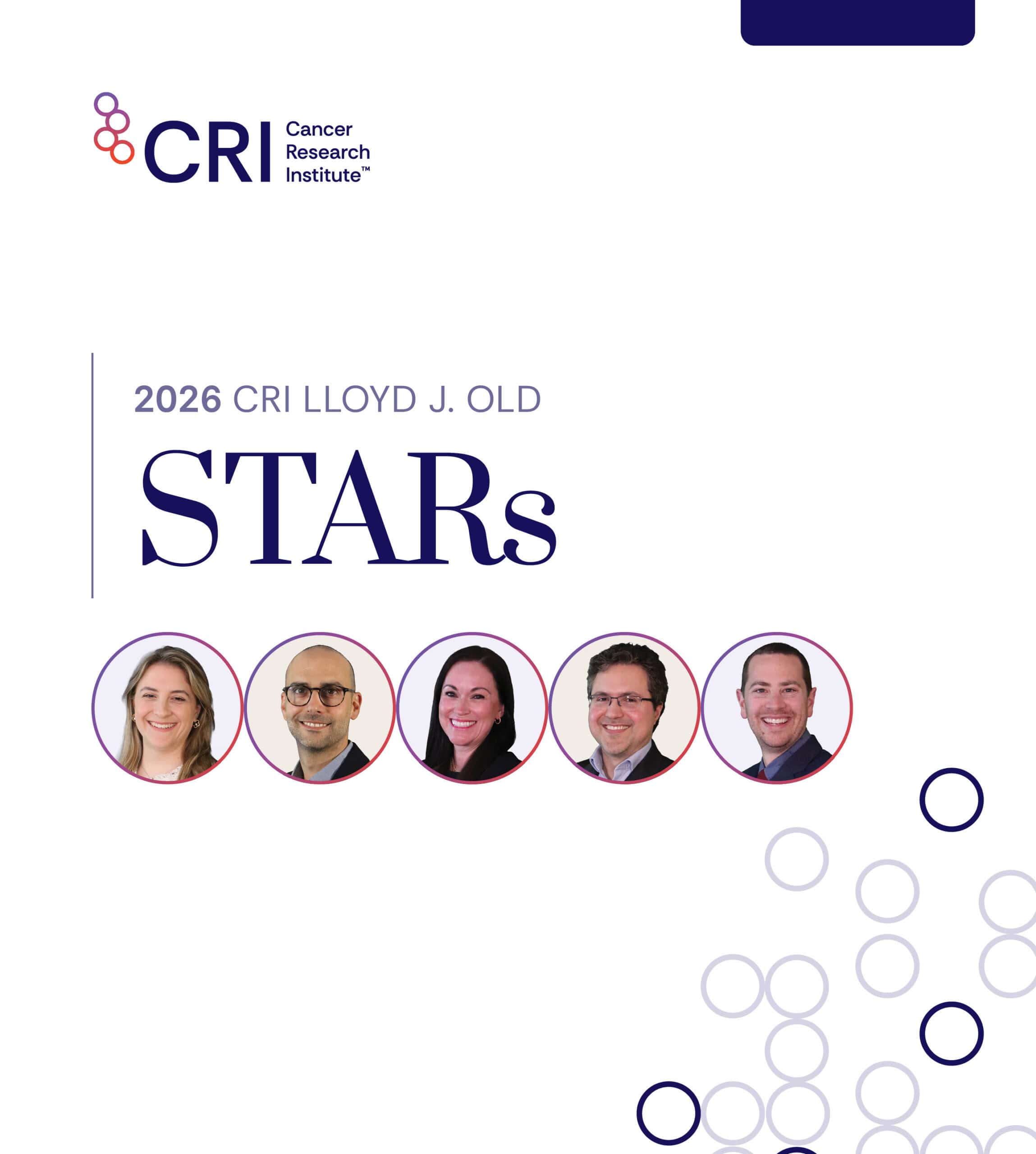
The Cancer Research Institute (CRI) has proudly unveiled the 2026 class of its prestigious Lloyd J. Old STARs – Scientists TAkING Risks – program, marking a significant milestone in the global fight against cancer. This year’s cohort comprises five distinguished scientific leaders, each poised to redefine the landscape of cancer immunotherapy through their audacious, paradigm-shifting research. Each of these visionary awardees will receive a substantial $1.25 million in flexible funding over a five-year period, totaling an investment of $6.25 million by CRI. This strategic allocation of resources is specifically designed to empower these researchers to embark on high-risk, high-reward projects that possess the potential to revolutionize cancer care and ultimately save lives. The announcement underscores CRI’s unwavering commitment to fostering groundbreaking scientific inquiry and supporting the brilliant minds at the forefront of immunological discovery. The announcement was accompanied by a YouTube video highlighting the program’s significance and an image showcasing the awardees, emphasizing the bold vision behind this initiative.
The Genesis of Innovation: Understanding the Lloyd J. Old STARs Program
The Lloyd J. Old STARs program is not merely a grant initiative; it is a strategic investment in intellectual capital, deeply rooted in CRI’s storied history of identifying and nurturing individuals who have profoundly impacted the field of immunotherapy. Unlike conventional research grants, which often tie funding to highly specific, pre-defined projects, the STARs grants are awarded based on the overall quality, originality, and long-term promise of an outstanding researcher’s entire body of work and future potential. This unique approach provides unparalleled freedom and flexibility, allowing scientists to pivot, explore unexpected avenues, and pursue their most ambitious, often unconventional, ideas without the immediate pressure of short-term deliverables.
Dr. E. John Wherry, PhD, Associate Director of CRI’s Scientific Advisory Council, articulated the program’s philosophy, stating, “These are people who are hitting their stride scientifically and career-wise, and this is where you really want to put some jet fuel in the tank.” This evocative metaphor highlights the program’s aim to accelerate the progress of already established but still ascending leaders, providing them with the resources to achieve scientific liftoff. Similarly, Dr. Elizabeth Jaffee, MD, also an Associate Director of the Council, emphasized the forward-looking nature of the selections: “We’re picking people who are really our next leaders in the field of immunotherapy.” This focus on identifying future luminaries ensures that the investment will yield long-term dividends for cancer patients worldwide.
A Legacy of Pioneering Research: The Cancer Research Institute and Dr. Lloyd J. Old
To fully appreciate the significance of the Lloyd J. Old STARs program, it is essential to understand the foundational role of the Cancer Research Institute and the indelible legacy of its namesake. Established in 1953, the CRI has been a singular force in advancing the field of cancer immunology and immunotherapy for over seven decades. From its earliest days, CRI recognized the immune system’s potential to combat cancer, a concept that was largely dismissed by the broader scientific community for many years. This steadfast belief, often against prevailing scientific dogma, positioned CRI as a true pioneer.
Dr. Lloyd J. Old, for whom the STARs program is named, was a towering figure in cancer immunology. Often hailed as the "father of modern tumor immunology," Dr. Old dedicated his entire career to understanding the intricate interactions between the immune system and cancer. His groundbreaking work, much of it supported by CRI, laid the intellectual groundwork for virtually every major advance in immunotherapy we witness today. From identifying tumor antigens to elucidating the mechanisms of immune surveillance and resistance, Dr. Old’s insights were decades ahead of their time. He was instrumental in establishing the field of cancer immunology as a legitimate and critical area of study, transforming it from a fringe concept into a central pillar of cancer research. The Lloyd J. Old STARs program thus serves as a living tribute to his visionary spirit, seeking to empower the next generation of scientists to emulate his boldness and impact.
The Immunotherapy Revolution: A Timeline of Progress and Current Challenges
The announcement of the 2026 STARs class occurs at a pivotal moment in cancer research, following what many have termed the "immunotherapy revolution." For much of the 20th century, cancer treatment primarily relied on surgery, radiation, and chemotherapy. While effective for some, these methods often carried significant side effects and proved insufficient for many advanced or aggressive cancers. The turning point began to emerge in the late 20th and early 21st centuries, fueled by decades of fundamental immunological research, much of which was supported by CRI.
Key Milestones in Immunotherapy:
- 1970s-1980s: Early understanding of T-cell function and the concept of immune surveillance against cancer, largely propelled by Dr. Old’s work.
- 1990s: Identification of specific tumor antigens and the development of early therapeutic cancer vaccines. Interleukin-2 (IL-2) approved for melanoma and renal cell carcinoma, demonstrating the first clinical successes of immune-based therapy.
- Late 1990s – Early 2000s: Discovery of immune checkpoint molecules like CTLA-4 and PD-1, which act as "brakes" on the immune system.
- 2010s: The advent of immune checkpoint inhibitors (e.g., ipilimumab, nivolumab, pembrolizumab), which block these brakes, unleashing the immune system to attack cancer. These drugs achieved unprecedented success in treating previously intractable cancers like melanoma, non-small cell lung cancer, and others.
- Mid-2010s onward: Development of CAR T-cell therapy, a revolutionary approach where a patient’s own T-cells are engineered to recognize and destroy cancer cells, showing remarkable efficacy in certain blood cancers.
Today, immunotherapy is considered the "fourth pillar" of cancer treatment, often offering durable remissions and even cures for patients who previously had no viable options. According to the American Cancer Society, an estimated 1.9 million new cancer cases will be diagnosed in the U.S. in 2023, and global cancer deaths are projected to rise significantly in the coming decades. Immunotherapy offers a beacon of hope against this grim backdrop. The global cancer immunotherapy market was valued at over $100 billion in 2022 and is projected to grow substantially, reflecting its increasing adoption and continued research investment.
Despite these incredible successes, significant challenges remain. Many patients still do not respond to existing immunotherapies, and others develop resistance over time. Certain cancer types, often referred to as "cold tumors," remain largely resistant to current immune-based treatments. Furthermore, the high cost of these therapies and the potential for severe immune-related side effects necessitate ongoing research into safer, more effective, and more accessible solutions. It is precisely these complex, unanswered questions that the Lloyd J. Old STARs program aims to tackle, empowering scientists to explore uncharted territories where traditional funding models might hesitate.
Unrestricted Funding: The "Jet Fuel" for High-Risk, High-Reward Science
The core distinction of the Lloyd J. Old STARs program lies in its commitment to providing flexible, unrestricted funding. In the highly competitive world of scientific research, most grants are project-specific, requiring researchers to submit detailed proposals outlining every step, expected outcome, and budget line item. While this model ensures accountability, it can inadvertently stifle true innovation. High-risk projects, by their very nature, often lack preliminary data, make unexpected turns, or require a fundamental shift in approach – elements that are difficult to predict or justify within a rigid grant structure.
CRI’s approach deliberately sidesteps these limitations. By awarding $1.25 million over five years directly to the individual scientist, rather than a specific project, the program signals profound trust in the researcher’s vision and expertise. This "jet fuel in the tank," as Dr. Wherry describes it, allows scientists to:
- Pursue unexpected leads: Serendipitous discoveries are often the most impactful. Flexible funding allows researchers to follow these new paths without needing to reapply for grants or justify deviations from an original plan.
- Invest in novel technologies: Cutting-edge research often requires state-of-the-art equipment or the development of entirely new methodologies. Unrestricted funds can be quickly deployed to acquire these resources.
- Build collaborative teams: Scientists can attract top talent, hire skilled technicians, and foster interdisciplinary collaborations crucial for tackling complex biological problems.
- Take bold conceptual leaps: Without the pressure to produce incremental, "safe" results for grant renewal, researchers are empowered to challenge established dogmas and propose truly transformative ideas that could redefine entire subfields.
- Bridge funding gaps: The five-year term provides stability, allowing researchers to weather funding cycles and focus on long-term goals rather than constantly chasing the next grant.
This model acknowledges that the most revolutionary breakthroughs often emerge from unconventional thinking and the freedom to experiment. It’s an investment in the individual’s intellectual courage and their capacity to lead future scientific paradigms.
The 2026 Cohort: Pushing the Boundaries of Discovery
While specific names of the 2026 Lloyd J. Old STARs have not been detailed beyond their collective identity as "five scientific leaders," the program’s reputation and the insights from CRI leadership underscore the caliber of these individuals. These are researchers who have already demonstrated exceptional promise and are now being given the tools to elevate their work to unprecedented levels. They represent the vanguard of a new wave of immunological inquiry, tasked with tackling some of the most stubborn challenges in cancer therapy.
Their collective research endeavors are expected to span diverse areas within immunotherapy, potentially including:
- Overcoming immune resistance: Developing strategies to make "cold tumors" responsive to immunotherapy or to counteract mechanisms by which cancers evade immune attack.
- Targeting novel immune pathways: Identifying new immune checkpoints or stimulatory pathways that can be therapeutically modulated.
- Enhancing cell therapies: Improving the efficacy, persistence, and safety of CAR T-cells and other adoptive cell therapies for a wider range of cancers.
- Understanding the tumor microenvironment: Deciphering the complex cellular and molecular ecosystem within tumors that influences immune responses.
- Developing personalized immunotherapies: Tailoring treatments to individual patients based on their unique tumor characteristics and immune profiles.
- Preventive immunotherapies: Research into vaccines or other immune-modulating strategies to prevent cancer recurrence or even initial development.
As Dr. Jaffee notes, "We’re picking people who are really our next leaders in the field of immunotherapy." This signifies that the 2026 STARs are not just conducting research; they are shaping the future direction of the entire discipline. Their fearlessness in pursuing bold ideas is precisely what CRI seeks to foster, believing that it is through such intellectual courage that truly disruptive innovations emerge.
Broader Implications: A Catalyst for Global Health and Economic Impact
The implications of the Lloyd J. Old STARs program extend far beyond the individual laboratories of the awardees. This strategic investment is a catalyst for broader scientific progress, with significant potential impacts on global health and even economic landscapes.
Impact on Patient Outcomes: The ultimate goal of all cancer research is to improve patient lives. By funding high-risk, high-reward research, CRI is directly investing in the development of next-generation therapies that could offer new hope for patients with currently untreatable cancers, reduce side effects, and improve the quality of life for those undergoing treatment. Successes from this program could translate into new clinical trials, leading to FDA-approved therapies that benefit millions worldwide.
Advancing Scientific Understanding: Even if a specific project doesn’t immediately yield a clinical drug, the fundamental insights gained can be invaluable. New discoveries about immune system function, cancer biology, and cellular interactions expand the collective scientific knowledge base, paving the way for future breakthroughs by other researchers. The open-ended nature of the funding encourages sharing of knowledge and collaboration, accelerating the pace of discovery across the entire field.
Economic Benefits: Successful cancer therapies not only extend lives but also contribute to economic productivity. A healthier population can work longer, contribute to their communities, and reduce the burden on healthcare systems. While the upfront investment in research is substantial, the long-term economic returns from effective treatments, reduced morbidity, and increased longevity are immeasurable. Furthermore, the development of new drugs and technologies stimulates biotechnological innovation and job creation.
Fostering a Culture of Innovation: Programs like the Lloyd J. Old STARs serve as powerful exemplars, inspiring other funding bodies and philanthropic organizations to consider similar models of unrestricted, investigator-driven support. This can help shift the broader scientific culture towards greater risk-taking and away from incrementalism, which is essential for tackling complex diseases like cancer.
Perspectives from the Scientific Advisory Council
The rigorous selection process for the Lloyd J. Old STARs program is overseen by CRI’s Scientific Advisory Council, a body comprising some of the world’s leading immunologists and oncologists. Their collective expertise ensures that only the most promising and impactful scientists are chosen. The Council’s role is not just to identify talent but also to provide ongoing mentorship and guidance, creating a supportive ecosystem for these visionary researchers.
Dr. Wherry’s comment about providing "jet fuel" speaks to the Council’s belief that these individuals are poised for exponential growth. They are not merely promising; they are already demonstrating a trajectory of excellence that, with the right support, can lead to truly transformative discoveries. Dr. Jaffee’s emphasis on "next leaders" highlights the strategic foresight of the program – it’s about building the intellectual backbone of future immunotherapy endeavors. The Council recognizes that sustained progress in cancer research requires a continuous pipeline of bold, independent thinkers who are willing to challenge the status quo.
Looking Ahead: The Future of Cancer Immunotherapy
The unveiling of the 2026 Lloyd J. Old STARs class represents more than just an announcement of grant awards; it is a profound declaration of intent by the Cancer Research Institute. It signifies a renewed commitment to investing in the most creative and courageous minds in science, providing them with the freedom and resources necessary to tackle cancer’s most daunting challenges. The ongoing fight against cancer remains one of humanity’s most pressing health concerns, demanding relentless innovation and a willingness to embrace the unknown.
The STARs program embodies the spirit of Dr. Lloyd J. Old – a spirit of relentless curiosity, scientific rigor, and an unwavering belief in the immune system’s power to conquer cancer. As these five scientists embark on their five-year journey of discovery, the global scientific community and millions of patients worldwide will watch with immense hope and anticipation. Their fearless ideas and pioneering research are not just reshaping the future of treatment; they are reimagining what is possible in the relentless pursuit of a world free from the burden of cancer. Through such strategic investments in human ingenuity, the prospect of achieving durable cures for all cancers moves closer to reality.
