
 By Suherman Candra Maholtra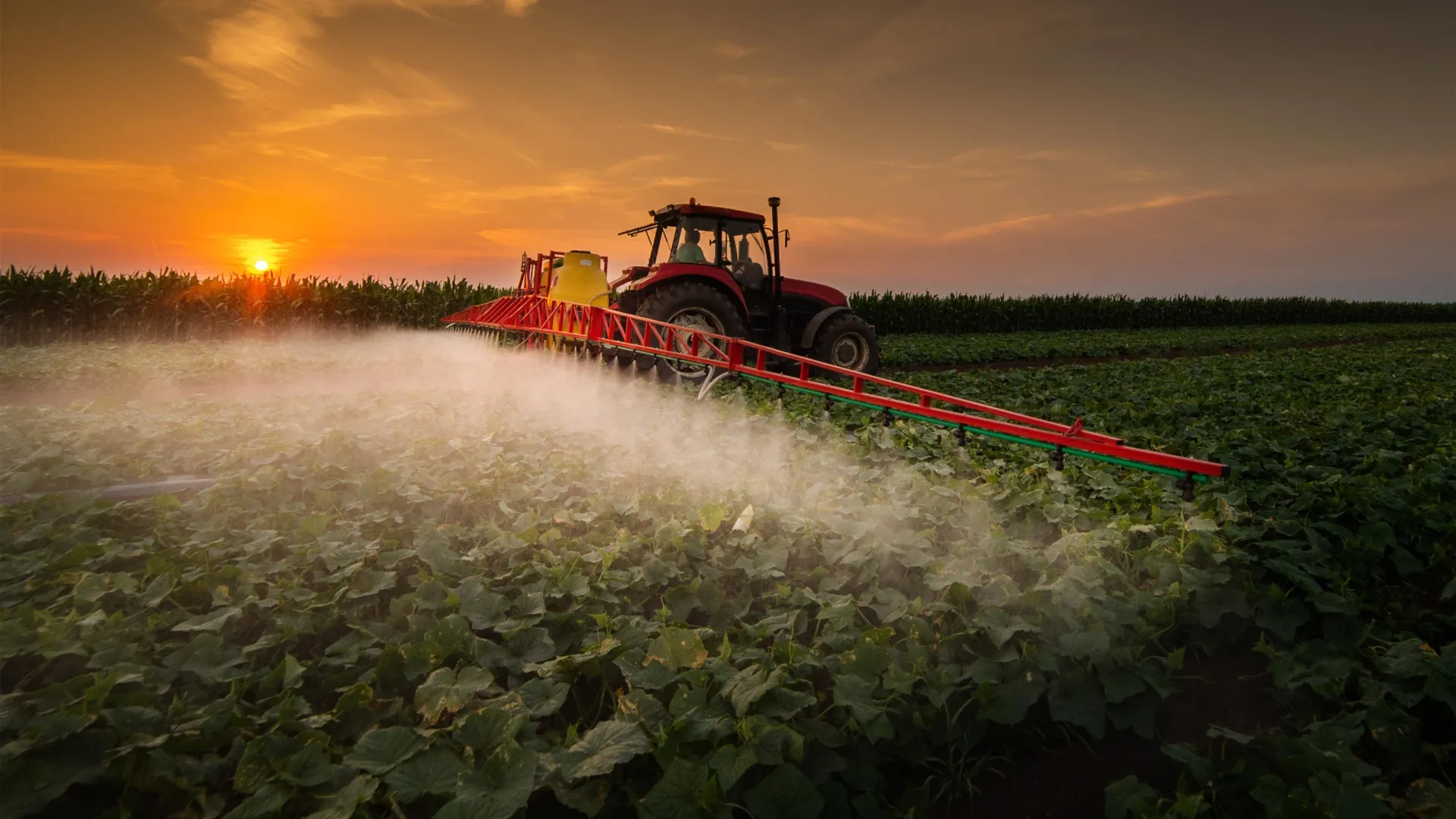
New research spearheaded by the Penn State Cancer Institute has identified a significant correlation between agricultural environments and an increased incidence of melanoma, the most lethal form of skin cancer. According to a study published on November 14 in the journal JCO Clinical Cancer Informatics, residents in 15 counties across South Central Pennsylvania face a substantially higher risk of developing the disease compared to those in other regions of the state. The findings suggest that while sun exposure remains a primary risk factor, the presence of cultivated cropland and the widespread application of herbicides may be contributing to a localized public health crisis that extends beyond the farming community to include the general population.
The research team, led by scientists and medical students at the Penn State College of Medicine, analyzed comprehensive cancer registry data spanning a five-year period from 2017 through 2021. Their analysis revealed that adults over the age of 50 living in the targeted 15-county area were 57% more likely to receive a melanoma diagnosis than residents living elsewhere in Pennsylvania. This geographic cluster of elevated risk has prompted a closer examination of environmental factors that may exacerbate the biological pathways leading to skin cancer.
Identifying the Agricultural Connection
For decades, public health messaging regarding melanoma has focused almost exclusively on ultraviolet (UV) radiation from the sun and artificial tanning beds. However, the Penn State study introduces a critical nuance: the environment in which one lives may be just as influential as individual behavior. Charlene Lam, an associate professor of dermatology at Penn State Health and a co-author of the study, noted that the elevated case rates were not confined to strictly rural outposts but were also prevalent in urbanized counties within the agricultural belt.
"Melanoma is often associated with beaches and sunbathing, but our findings suggest that agricultural environments may also play a role," Lam stated. She emphasized that the risk is not limited to those who work directly in the fields. Instead, entire communities situated near intensive farming operations—individuals who may never participate in agricultural labor—could be facing environmental exposures that heighten their vulnerability to the disease.
The study utilized a sophisticated statistical model that adjusted for varying levels of UV radiation across the state. Even after accounting for sunlight intensity and socioeconomic variables, such as income and access to healthcare, two specific factors remained consistently linked to higher melanoma rates: the percentage of land dedicated to cultivated crops and the volume of herbicide application.
Statistical Correlation and Biological Mechanisms
The data provided by the Penn State researchers offers a stark look at the relationship between land use and oncology. According to the analysis, for every 10% increase in cultivated land within a county, there was a corresponding 14% rise in melanoma cases. Similarly, a 9% increase in land treated with herbicides was associated with a 13% increase in the incidence of the disease.
While the study establishes a clear association, researchers are now looking at the biological "why." Eugene Lengerich, emeritus professor of public health sciences at Penn State and the study’s senior author, pointed out that pesticides and herbicides are chemically engineered to disrupt biological systems. "Some of those same mechanisms, like increasing photosensitivity or causing oxidative stress, could theoretically contribute to melanoma development," Lengerich explained.
Photosensitivity is a condition where the skin becomes abnormally sensitive to UV radiation. Certain chemicals used in herbicides are known to induce this state, meaning that an individual exposed to these substances might suffer greater skin damage from the same amount of sunlight as someone in a non-agricultural area. Furthermore, oxidative stress—a process where unstable molecules called free radicals damage cells—is a known precursor to DNA mutations and the subsequent development of cancerous tumors.
The Path of Exposure: Chemical Drift and Environmental Persistence
One of the most concerning aspects of the study is the suggestion that exposure is a community-wide phenomenon. Dr. Lam explained that agricultural chemicals do not stay within the boundaries of a farm. Through a process known as "chemical drift," herbicides can become airborne during application, traveling on wind currents to neighboring residential areas.
Beyond air quality, these substances can settle into household dust, accumulate in soil, and leach into local water sources. This creates a multi-channel exposure map for residents of South Central Pennsylvania, where the proximity of suburban developments to corn, soybean, and grain fields is a defining characteristic of the landscape.
"Our findings suggest that melanoma risk could extend beyond occupational settings to entire communities," Lam said. "This is relevant for people living near farmland. You don’t have to be a farmer to face environmental exposure."
The Penn State study builds upon a growing body of international evidence. Similar trends have been documented in agricultural regions of Utah, as well as in European nations like Poland and Italy. In these regions, researchers have noted that certain classes of pesticides may interfere with the body’s immune response or directly damage the DNA of skin cells, making them more susceptible to malignant transformation.
Contextualizing the Study: A Signal for Future Research
Benjamin Marks, the study’s first author and a medical and public health student at the Penn State College of Medicine, urged a cautious interpretation of the results. He clarified that while the data shows a strong correlation, it does not yet provide definitive proof of a causal link.
"Think of this as a signal, not a verdict," Marks said. He noted that while the patterns are significant, other variables—such as genetic predispositions within specific populations, lifestyle behaviors, or disparities in screening and early detection—could also influence the regional data. However, the strength of the statistical "signal" is enough to warrant a more granular investigation into the specific chemicals used in Pennsylvania’s agricultural sector.
The study’s timeline (2017-2021) covers a period of stable agricultural practices in the state, suggesting that the observed trends are not the result of a single anomalous event but rather a reflection of long-term environmental interactions. The researchers hope that this broad-trend analysis will serve as a foundation for future studies that can track individual exposure levels and specific chemical markers in the blood or skin of residents.
The "One Health" Approach and Policy Implications
The findings have sparked a conversation about the "One Health" approach to medicine—a framework that views human health, animal health, and environmental health as an interconnected web. Dr. Lengerich emphasized that addressing the rise in melanoma in Pennsylvania will require a multi-disciplinary effort.
"Cancer prevention can’t happen in isolation," Lengerich stated. "If herbicides and farming practices are contributing to melanoma risk, then solutions must involve not just doctors, but farmers, environmental scientists, policymakers and communities working together."
Potential policy implications could include stricter regulations on herbicide application methods to minimize drift, more robust monitoring of water quality in agricultural runoff zones, and targeted public health campaigns in South Central Pennsylvania. If further research confirms that specific herbicides are indeed increasing photosensitivity, labeling requirements might need to be updated to warn residents of the heightened risk of sun damage following local spraying schedules.
Moving Forward: Prevention and Local Action
As the next phase of research begins, Dr. Lam is leading studies within rural communities to better understand farming practices and identify potential exposure pathways. In the meantime, the medical community is doubling down on prevention strategies for residents in the high-risk 15-county area.
Public health officials recommend that residents in South Central Pennsylvania be particularly vigilant about skin health. This includes:
- Routine Skin Checks: Regular self-examinations and annual professional screenings to catch melanoma in its earliest, most treatable stages.
- Sun-Protective Clothing: Utilizing wide-brimmed hats and UPF-rated clothing, especially during peak agricultural spraying seasons.
- Sunscreen Application: Consistent use of broad-spectrum sunscreen, even on cloudy days, to mitigate any potential chemically-induced photosensitivity.
The study, supported by the MPH Capstone Program and the Medical Student Research Project at the Penn State College of Medicine, as well as the Algin B. Garrett Professorship, serves as a vital reminder that the environment remains a powerful determinant of health. While Pennsylvania’s agricultural industry is a cornerstone of the state’s economy, this research highlights the necessity of balancing productivity with the long-term oncological safety of the communities that call the heartland home.
As the scientific community continues to dissect the complex relationship between the land we cultivate and the health of the people who live upon it, the Penn State study stands as a landmark contribution to the understanding of melanoma in the 21st century. It shifts the narrative from individual choice to collective environment, demanding a more comprehensive strategy for cancer prevention in the modern age.
