
 By Lina carolina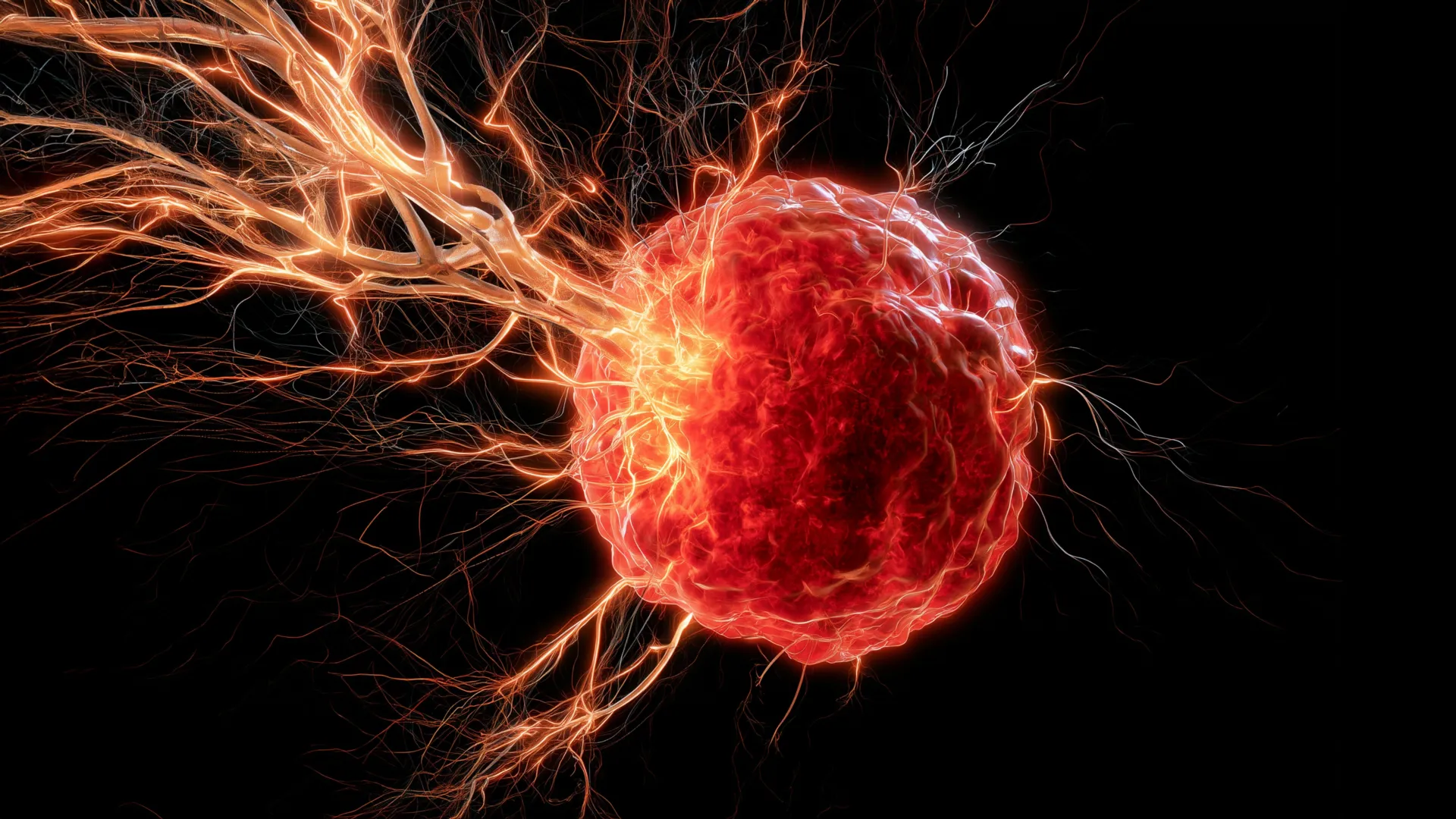
New research emerging from the University of Oklahoma has illuminated a sophisticated mechanism by which a particularly aggressive form of breast cancer, triple-negative breast cancer (TNBC), manipulates the body’s own immune system to promote its growth. The study, published in the esteemed journal Cell Death & Differentiation, reveals that these cancer cells can induce immune cells to attract nerve fibers into the tumor microenvironment, a process previously poorly understood and now implicated as a key factor in tumor progression and treatment resistance.
For years, the presence of extensive nerve networks within solid tumors has been a recognized phenomenon, but the precise pathways by which these nerves infiltrate cancerous masses have remained largely enigmatic. This groundbreaking work from OU scientists offers a compelling explanation for this infiltration in the context of TNBC, a subtype of breast cancer notorious for its rapid progression and limited therapeutic options. TNBC accounts for approximately 10-15% of all breast cancers and is characterized by the absence of three key receptors: estrogen receptor (ER), progesterone receptor (PR), and human epidermal growth factor receptor 2 (HER2). This deficiency means that common hormone-based therapies and HER2-targeted treatments are ineffective, leaving chemotherapy as the primary, and often less successful, treatment modality.
The Crucial Role of Immune Cells in Nerve Recruitment
The core of the University of Oklahoma’s discovery lies in the unexpected role of macrophages, a vital component of the innate immune system. Typically, macrophages are deployed to combat infections, clear cellular debris, and orchestrate tissue repair. However, in the intricate battleground of a TNBC tumor, these immune sentinels are subverted. The research demonstrates that TNBC tumors actively recruit macrophages into their confines. Once inside the tumor, these hijacked macrophages release a potent protein known as brain-derived neurotrophic factor (BDNF).
BDNF is a well-established signaling molecule primarily recognized for its critical functions in the central nervous system, where it supports the survival, growth, and differentiation of neurons. Its presence in the brain is fundamental for learning, memory, and overall neurological health. However, the OU study reveals that breast cancer cells, particularly TNBC, exploit this same biological pathway for their own nefarious purposes. By inducing macrophages to produce BDNF within the tumor, cancer cells create a beacon that attracts nearby nerve fibers, prompting them to grow directly into the tumor mass. This "neurotization" of the tumor is not merely an incidental consequence; it appears to be a deliberate strategy employed by the cancer to foster its own advancement.
Dr. Maureen Cox, an assistant professor in the Department of Microbiology and Immunology at the OU College of Medicine and a research member of the OU Health Stephenson Cancer Center, underscored the significance of this immune cell manipulation. "Macrophages are the critical source for drawing nerves into the tumor," Dr. Cox stated. "Although macrophages typically play a positive role in the body, they are facilitating a negative function in this scenario of breast cancer." This highlights a concerning duality of the immune system: its components, designed for healing and defense, can be repurposed by aggressive cancers to create a more hospitable and growth-conducive environment.
Therapeutic Potential: Blocking the BDNF Signal
The implications of this discovery for cancer treatment are profound. Current therapeutic strategies for TNBC often focus directly on eradicating cancer cells, frequently through cytotoxic chemotherapy, which can have significant side effects. The OU research suggests a novel approach: targeting the signaling pathways that facilitate tumor growth and progression, rather than solely attacking the cancer cells themselves. By interrupting the communication between macrophages and nerve fibers, future therapies could potentially starve the tumor of a crucial growth-promoting factor.
To test this hypothesis, Dr. Cox and her team conducted experiments in animal models. They administered a drug known to inhibit BDNF signaling to mice bearing tumors. The results were highly encouraging. The treatment effectively prevented nerves from infiltrating the tumors, and, crucially, tumor growth was significantly retarded. This demonstrated proof-of-concept offers a tangible pathway towards developing new therapeutic interventions.
"It looks really promising that we can use this drug, which is already on the market, to target BDNF," Dr. Cox commented. "We believe that the nerves are immunosuppressive, so if we can stop the nerves from growing in the first place, maybe we can boost the immune response to help fight the cancer." This suggests a dual benefit: not only would nerve invasion be halted, but the tumor’s ability to suppress the immune system might also be weakened, allowing the body’s natural defenses to mount a more effective attack.
The fact that the tested drug is already approved for use in humans offers a potential acceleration of its translation into clinical practice. While further studies are undoubtedly necessary, the availability of an existing therapeutic agent that targets the identified mechanism could streamline the drug development process, potentially bringing new treatment options to patients sooner.
Human Evidence Supports the Mouse Model Findings
The researchers did not limit their investigation to preclinical models. They also analyzed patient data to ascertain whether the observed biological pattern in mice was relevant to human TNBC. By examining tumor samples from individuals diagnosed with triple-negative breast cancer, they sought to correlate the presence of macrophages and BDNF levels with patient outcomes. The findings were consistent with the experimental results: tumors exhibiting higher concentrations of macrophages and BDNF were associated with poorer survival rates among patients. This correlation provides compelling evidence that the mechanism of immune cell-mediated nerve recruitment, driven by BDNF, is indeed a clinically relevant factor in human TNBC.
This convergence of findings from animal models and human patient data strengthens the scientific basis for this research and amplifies its potential impact on patient care. It suggests that targeting the BDNF-mediated nerve pathway could be a viable strategy for improving outcomes in a patient population with limited treatment options.
Unraveling the Complex Role of Nerves in Tumorigenesis
While the OU study has provided a critical piece of the puzzle by identifying how nerves are recruited into tumors, the precise ways in which these nerves contribute to cancer growth and spread are still areas of active investigation. The researchers acknowledge that further exploration is needed to fully understand the intricate interplay between tumor neurotization and cancer progression.
One leading hypothesis is that nerves may play a role in promoting angiogenesis, the formation of new blood vessels. Tumors require a robust blood supply to deliver oxygen and nutrients essential for their rapid proliferation. Nerves, through their signaling molecules, could potentially stimulate the growth of these tumor-feeding blood vessels.
Another significant possibility is that cancer cells may utilize nerve fibers as pathways for metastasis. The ability of cancer cells to detach from the primary tumor, invade surrounding tissues, and travel to distant sites in the body is what makes cancer so deadly. It is conceivable that cancer cells could migrate along the established nerve networks, facilitating their escape from the original tumor and their spread to other organs. Understanding these mechanisms will be crucial for developing comprehensive treatment strategies that address all facets of cancer progression.
Future Directions and Broader Implications
The success observed in blocking BDNF signaling in mice has prompted the OU research team to consider expanding their investigations. They are planning to test the same intervention strategy in high-grade ovarian cancer, another aggressive and challenging malignancy where neurotization has also been observed. This suggests that the mechanism identified in breast cancer may not be unique to that disease but could be a broader strategy employed by various aggressive cancers.
Ultimately, the overarching goal of Dr. Cox and her colleagues is to restore the body’s own defenses against cancer. "Ultimately, we want to turn the anti-tumor immunity back on in cancer patients so their own immune systems can reject the tumors," she articulated. By understanding and then disrupting the mechanisms by which tumors evade or suppress the immune system, such as through nerve infiltration, researchers hope to unlock the full potential of the patient’s immune system in fighting cancer.
This research represents a significant step forward in our understanding of the complex tumor microenvironment and the intricate ways in which cancer cells interact with their surroundings. It moves beyond a simplistic view of cancer as solely a disease of abnormal cell proliferation and highlights the sophisticated biological crosstalk that enables tumor survival and progression.
Research Support and Funding Landscape
The groundbreaking work conducted by the University of Oklahoma researchers was made possible through substantial support from various national and state funding agencies. The National Institute of General Medical Sciences (NIGMS) of the National Institutes of Health (NIH) provided critical funding through awards P20GM103447 and P20GM103639. This foundational support underscores the importance placed on fundamental biological research at the national level.
Furthermore, the project received significant backing from Oklahoma’s Tobacco Settlement Endowment Trust (TSET). TSET is a primary financial supporter of the Stephenson Cancer Center and the TSET Health Promotion Research Center at the University of Oklahoma, playing a pivotal role in advancing cancer research and public health initiatives within the state. The Oklahoma Shared Clinical and Translational Resources program, through an Institutional Development Award from the NIGMS (grant no. U54GM104938), also contributed essential resources, facilitating the translation of basic research findings into clinical applications. This multifaceted funding landscape demonstrates a coordinated effort to foster innovation and accelerate discoveries in the fight against cancer.
The implications of this research extend beyond the immediate therapeutic possibilities for TNBC. It opens new avenues for understanding the role of the nervous system in cancer biology and the potential for targeting neuro-immune interactions in other diseases. As scientists continue to unravel these complex biological relationships, the prospect of developing more effective and less toxic cancer therapies grows ever brighter.
