
 By Lina carolina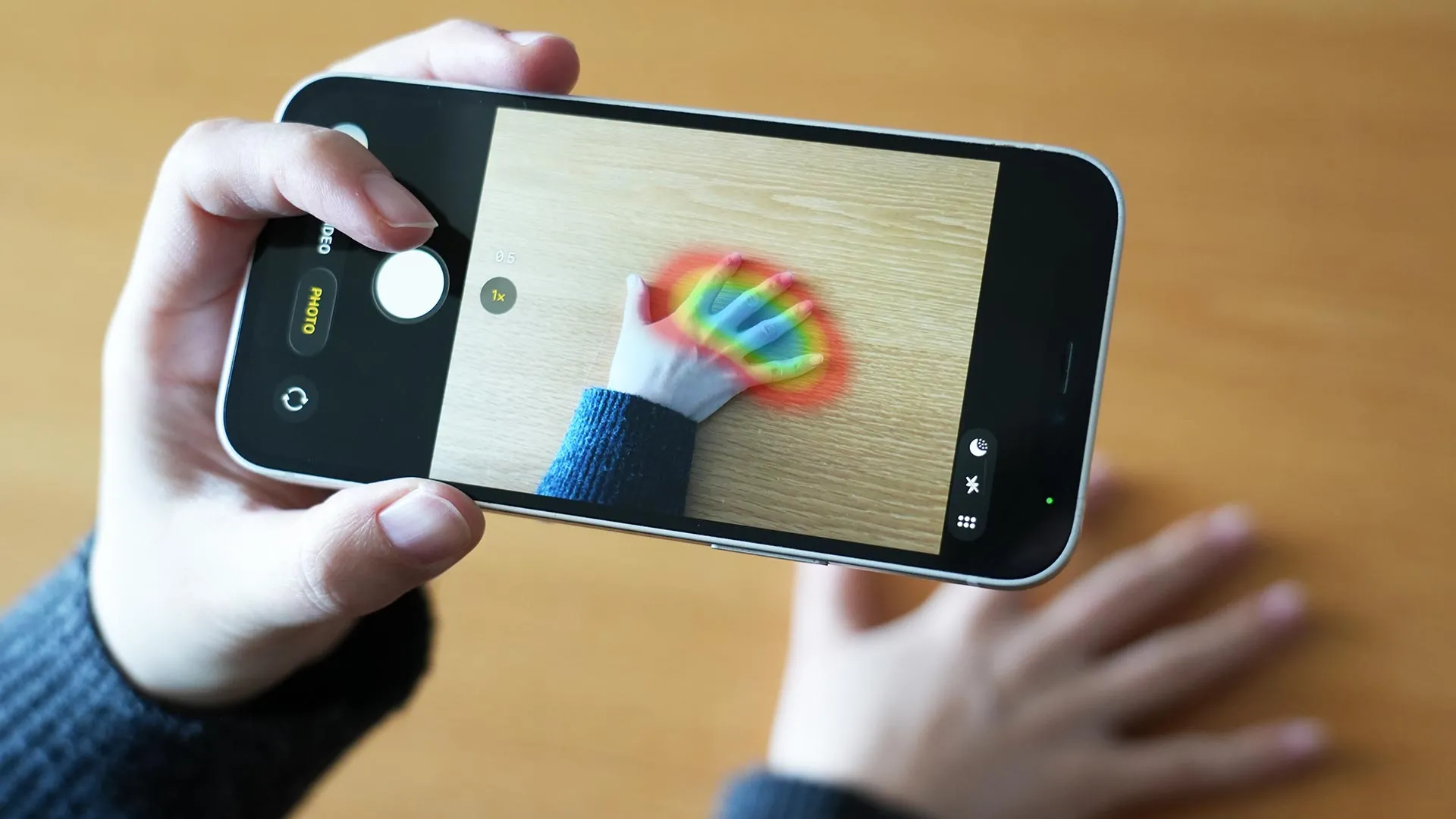
Researchers at Kobe University have unveiled a groundbreaking artificial intelligence system capable of identifying acromegaly, a rare endocrine disorder, through the analysis of photographs of the back of the hand and a clenched fist. This innovative approach circumvents the need for facial imagery, thereby safeguarding patient privacy while demonstrating remarkable diagnostic accuracy. Experts anticipate this technology could significantly expedite referrals to specialists and broaden access to crucial medical care, particularly in underserved geographical regions.
The Challenge of Diagnosing Acromegaly
Acromegaly, an uncommon condition typically emerging in middle age, stems from the excessive production of growth hormone. This hormonal imbalance triggers a cascade of physical changes, including the enlargement of hands and feet, alterations in facial features, and abnormal growth of bones and internal organs. The insidious nature of acromegaly lies in its gradual progression over many years, often making early detection a significant clinical challenge. Without timely intervention, untreated acromegaly can precipitate severe health complications and reduce life expectancy by approximately a decade.
Dr. Hidenori Fukuoka, an endocrinologist at Kobe University and a lead researcher on the project, highlighted the diagnostic hurdles. "Because the condition progresses so slowly, and because it is a rare disease, it is not uncommon to take up to a decade for it to be diagnosed," he stated. "With the progress of AI tools, there have been attempts to use photographs for early detection, but they have not been adopted in clinical practice." This prolonged diagnostic odyssey underscores the critical need for more efficient and accessible screening methods.
A Privacy-Preserving AI Solution Focused on the Hands
A review of existing AI diagnostic tools revealed a prevalent reliance on facial photographs. However, the inherent privacy concerns associated with facial recognition technologies presented a significant barrier to widespread adoption. To address this limitation, the Kobe University research team strategically shifted their focus to the hands.
Yuka Ohmachi, a graduate student at Kobe University and a key member of the research team, explained the rationale behind this decision. "Trying to address this concern, we decided to focus on the hands, a body part we routinely examine alongside the face in clinical practice for diagnostic purposes, particularly because acromegaly often manifests changes in the hands," Ohmachi noted. This choice not only aligned with established clinical examination practices but also offered a more discreet and less intrusive means of data collection.
To further bolster privacy protections, the researchers meticulously confined their image collection to the back of the hand and a clenched fist. The exclusion of palm images was a deliberate measure to avoid any potential identification through unique palm line patterns. This carefully considered protocol facilitated the recruitment of a substantial participant cohort. Ultimately, over 11,000 images from 725 patients across 15 medical institutions throughout Japan were utilized to train and rigorously test the AI model. This broad dataset is crucial for ensuring the model’s robustness and generalizability across diverse patient populations.
Unprecedented Diagnostic Accuracy: AI Surpasses Human Specialists
The findings of this pioneering research were published in the esteemed Journal of Clinical Endocrinology & Metabolism. The AI model exhibited exceptional levels of sensitivity and specificity in identifying acromegaly based solely on hand images. In a direct comparative analysis, the AI system outperformed experienced endocrinologists who were presented with the same set of photographs for evaluation. This remarkable achievement signifies a significant leap forward in AI-driven medical diagnostics.
"Frankly, I was surprised that the diagnostic accuracy reached such a high level using only photographs of the back of the hand and the clenched fist," Ohmachi commented. "What struck me as particularly significant was achieving this level of performance without facial features, which makes this approach a great deal more practical for disease screening." The ability to achieve such high accuracy without compromising patient privacy is a testament to the sophisticated design and training of the AI algorithm.
Expanding the Horizons of Medical AI
The success of this hand-centric AI model has opened avenues for its application to a wider spectrum of medical conditions. The researchers are actively exploring the adaptation of their system to detect other diseases that manifest visible changes in the hands. Potential targets include rheumatoid arthritis, anemia, and finger clubbing, conditions that, like acromegaly, can benefit from earlier and more accessible diagnostic tools. "This result could be the entry point for expanding the potential of medical AI," Ohmachi optimistically stated, signaling a broader vision for the technology’s impact on healthcare.
Empowering Clinicians and Bridging Healthcare Gaps
In real-world clinical scenarios, the diagnostic process for any condition is multifaceted, incorporating medical history, laboratory tests, and physical examinations. The Kobe University researchers envision their AI tool not as a replacement for physicians, but as a powerful assistive technology. The study describes the technology as a means to "complement clinical expertise, reduce diagnostic oversight and enable earlier intervention." This collaborative approach between AI and human clinicians promises to enhance diagnostic efficiency and reduce the likelihood of missed diagnoses.
Lead researcher Dr. Fukuoka articulated the broader implications of this technology for healthcare infrastructure. "We believe that, by further developing this technology, it could lead to creating a medical infrastructure during comprehensive health check-ups to connect suspected cases of hand-related disorders to specialists," he explained. "Furthermore, it could support non-specialist physicians in regional healthcare settings, thus contributing to a reduction of healthcare disparities there." This vision extends beyond individual diagnosis, aiming to create a more equitable and responsive healthcare system.
Chronology of Development and Future Outlook
The genesis of this project can be traced back to the growing awareness of the diagnostic delays associated with rare diseases like acromegaly and the increasing capabilities of artificial intelligence in pattern recognition. While specific dates for the initial conceptualization and data collection are not provided in the original report, the research culminating in the publication in the Journal of Clinical Endocrinology & Metabolism represents a significant milestone. This publication likely followed extensive periods of data gathering, AI model development, iterative refinement, and rigorous validation.
The recruitment of 725 patients from 15 medical institutions across Japan signifies a substantial collaborative effort that likely spanned several years. This extensive data collection and annotation process is a critical foundation for any robust AI model. The subsequent development and training of the AI algorithm would have involved advanced machine learning techniques, requiring considerable computational resources and expertise in bioinformatics and medical imaging analysis.
The reported superior performance of the AI over experienced endocrinologists in blinded evaluations marks a pivotal moment, validating the efficacy of the developed system. This success paves the way for the next phase: clinical integration and further expansion. The immediate future will likely involve pilot studies in real-world clinical settings to assess the AI’s performance under diverse operational conditions and to refine user interfaces for seamless integration into existing workflows.
Beyond acromegaly, the researchers’ stated intention to adapt the AI for other hand-related conditions suggests a strategic roadmap for future development. This expansion could involve similar data collection and validation processes for conditions such as rheumatoid arthritis, where early detection of joint inflammation is crucial for treatment efficacy, or for identifying subtle signs of anemia through changes in skin tone or texture visible on the hands. The development of algorithms for these conditions would build upon the foundational expertise gained from the acromegaly project.
Broader Impact and Implications for Global Health
The implications of this research extend far beyond the immediate diagnosis of acromegaly. The privacy-preserving approach of using non-facial images is a paradigm shift that could accelerate the adoption of AI in various medical screening programs. By mitigating privacy concerns, this methodology could unlock the potential of AI for early detection of numerous conditions in diverse populations, particularly in regions where access to specialist care is limited.
The ability of the AI to outperform experienced human diagnosticians in a specific task raises important questions about the future role of AI in medicine. It suggests that AI can serve as a valuable tool for augmenting human expertise, providing a consistent and objective second opinion, and potentially reducing diagnostic errors stemming from human fatigue or cognitive bias.
Furthermore, the research contributes to the broader discourse on reducing healthcare disparities. By enabling earlier and more accessible screening, especially in remote or underserved areas where specialist endocrinologists may be scarce, this technology has the potential to democratize access to timely medical intervention. This could lead to improved patient outcomes, reduced long-term healthcare costs associated with untreated chronic conditions, and a more equitable global health landscape.
The funding from the Hyogo Foundation for Science Technology, alongside the significant involvement of numerous universities and hospitals, underscores the collaborative nature of modern scientific advancement. This multi-institutional approach not only pools resources and expertise but also ensures that the developed technologies are tested and validated across a wide range of clinical settings and patient demographics. This collaborative spirit is essential for translating research breakthroughs into tangible improvements in public health.
Conclusion
The development of this AI system by Kobe University researchers represents a significant advancement in medical diagnostics. By prioritizing patient privacy through the innovative use of hand imagery and achieving remarkable diagnostic accuracy for acromegaly, the technology holds immense promise for improving early detection, facilitating specialist referrals, and ultimately enhancing access to care. As the researchers continue to expand the AI’s capabilities to other conditions, this work stands as a testament to the transformative potential of artificial intelligence in revolutionizing healthcare delivery and addressing critical global health challenges.
