
 By Suherman Candra Maholtra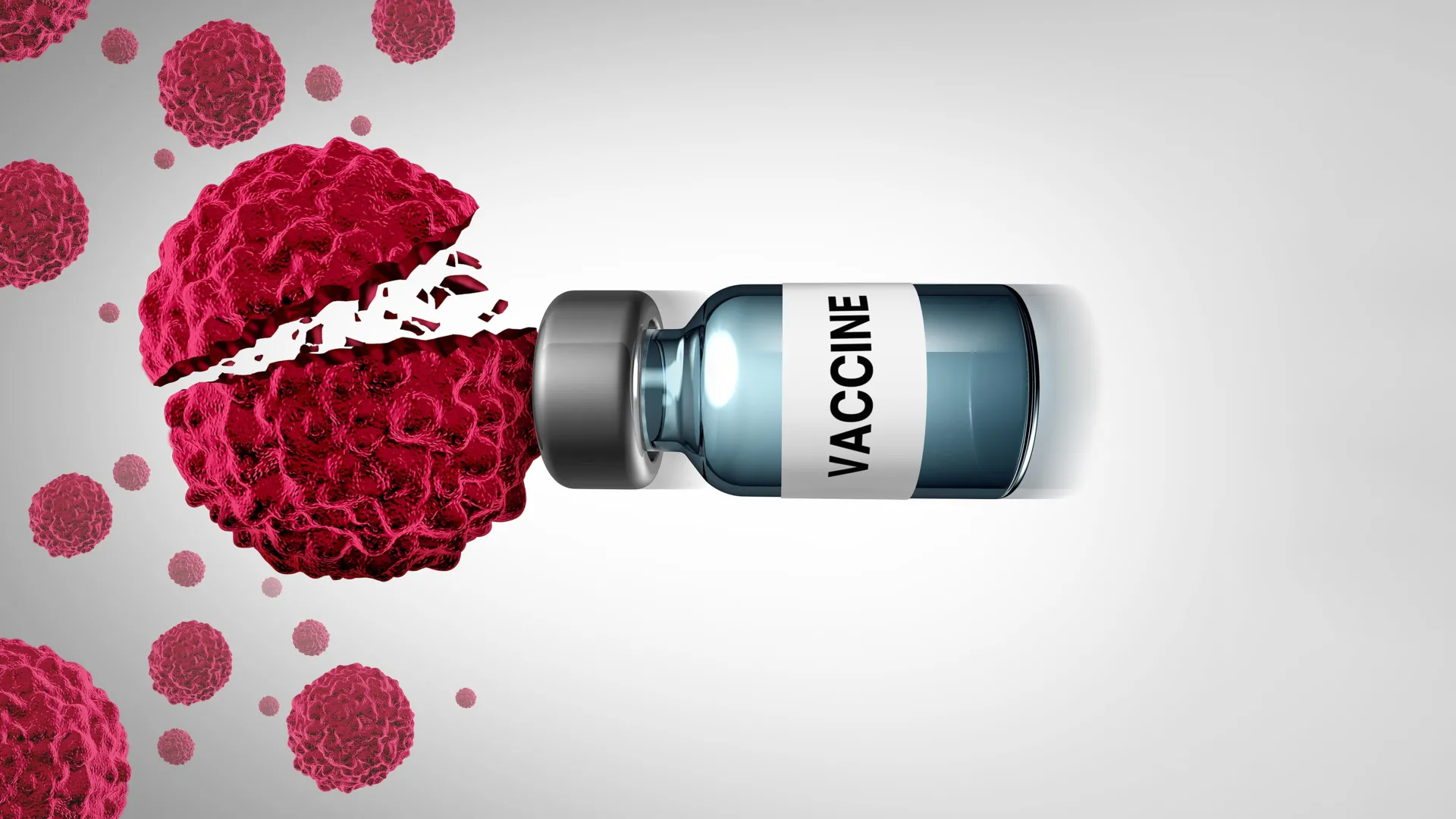
Researchers from the University of Florida and the University of Texas MD Anderson Cancer Center have published a landmark study indicating that patients with advanced-stage lung or skin cancer who received a COVID-19 mRNA vaccine shortly before or after beginning immunotherapy lived significantly longer than those who were not vaccinated. The findings, published on October 22 in the journal Nature, suggest that the messenger RNA (mRNA) technology used to combat the global pandemic may have a profound "off-target" benefit by priming the human immune system to more aggressively attack malignant tumors. The study analyzed the records of over 1,000 patients and found that those vaccinated within a 100-day window of starting treatment saw survival rates nearly double in some instances.
This discovery emerges from a decade of research into how mRNA can be utilized not just for infectious diseases, but as a catalyst for oncological treatment. By stimulating a generalized immune response, the vaccines appear to act as a biological "alarm," alerting the body’s natural defenses to the presence of cancer cells that had previously evaded detection. While the results are currently observational and preliminary, they have sparked a surge of interest in the development of "universal" cancer vaccines that could enhance the efficacy of existing immunotherapy drugs across a wide spectrum of malignancies.
Statistical Analysis of Patient Outcomes
The research team conducted a comprehensive retrospective analysis of 1,094 patient records at MD Anderson Cancer Center, covering a period from 2019 to 2023. The study focused on two specific groups: individuals with Stage 3 and 4 non-small cell lung cancer (NSCLC) and those with metastatic melanoma. Both of these cancers are traditionally treated with immune checkpoint inhibitors—drugs designed to "release the brakes" on the immune system so it can recognize and destroy cancer cells.
In the cohort of 884 advanced lung cancer patients, 180 received a COVID-19 mRNA vaccine within 100 days of initiating immunotherapy, while 704 did not. The data revealed a stark contrast in outcomes: the median survival for vaccinated patients was 37.3 months, compared to just 20.6 months for those who remained unvaccinated. This represents a near-doubling of life expectancy for patients facing a diagnosis that is often considered terminal.
Similar trends were observed in the melanoma group. Out of 210 patients with metastatic melanoma, 43 received the mRNA vaccine within the 100-day window. Their median survival increased from 26.7 months to a range exceeding 30 to 40 months. Researchers noted that because many of the vaccinated patients were still alive at the conclusion of the data collection period, the final survival benefit could potentially be even higher than currently reported. Crucially, the study also examined patients who received non-mRNA vaccines, such as those for influenza or pneumonia; these patients saw no corresponding increase in longevity, suggesting that the survival boost is unique to the mRNA platform.
The Mechanism of Immune Mobilization
The underlying science of this phenomenon rests on the ability of mRNA to "reset" the immune environment. Messenger RNA is a molecule found in all living cells that provides the instructions for protein synthesis. In the case of the COVID-19 vaccines, the mRNA instructs cells to produce the SARS-CoV-2 spike protein, which then triggers an immune response. However, the University of Florida (UF) researchers discovered that the immune system’s reaction to the mRNA-lipid nanoparticle complex is broader than previously understood.
Dr. Elias Sayour, a co-senior author of the study and a pediatric oncologist at UF Health, explained that the vaccine acts as a "flare" in the body. When the mRNA enters the system, it triggers an inflammatory response that mobilizes immune cells. "One of the mechanisms for how this works is when you give an mRNA vaccine, it starts moving all of these immune cells from ‘bad’ areas, like the immunosuppressive environment of a tumor, to ‘good’ areas like the lymph nodes," Sayour stated.
In lab experiments involving mice, the team combined an mRNA vaccine targeting the COVID spike protein with immune checkpoint inhibitors. They found that this combination could turn "cold" tumors—those that the immune system ignores—into "hot" tumors that are highly susceptible to treatment. This suggests that the vaccine creates a generalized state of high alert, making the specific anticancer drugs significantly more effective.
A Chronology of mRNA Innovation
The October publication in Nature is the culmination of years of incremental scientific breakthroughs. Dr. Sayour has spent over eight years investigating the intersection of lipid nanoparticles and mRNA technology.
- 2014–2021: Early research at the University of Florida focused on using mRNA to treat pediatric brain tumors. This work laid the foundation for understanding how mRNA could be "packaged" in lipid nanoparticles to reach the immune system effectively.
- 2020–2022: The global rollout of COVID-19 mRNA vaccines provided a massive, real-world dataset. While the primary goal was pandemic control, oncology researchers began to wonder if the massive immune stimulation caused by these vaccines would impact cancer progression.
- July 2024: Sayour’s lab reported a pivotal finding: to trigger a strong immune attack on tumors, it was not strictly necessary to target a specific cancer protein. Simply stimulating the immune system with a "nonspecific" mRNA trigger could generate an antitumor effect.
- October 2024: The joint UF and MD Anderson study confirmed this hypothesis in human patients, linking the COVID-19 vaccine specifically to improved survival in lung and skin cancer cases.
This timeline illustrates how federal initiatives like Operation Warp Speed have had cascading benefits. Jeff Coller, Ph.D., an mRNA expert at Johns Hopkins University, noted that the accelerated development of these vaccines provided a "unique and unexpected" opportunity to witness mRNA medicines revolutionizing cancer care in real-time.
Clinical Responses and Future Trials
The oncological community has reacted to these findings with a mixture of excitement and cautious optimism. Dr. Duane Mitchell, director of the UF Clinical and Translational Science Institute and a mentor to the study’s first author, Dr. Adam Grippin, emphasized the "extraordinary implications" of the data. However, he also stressed that the current study is observational, meaning it identifies a correlation but does not yet prove that the vaccine caused the increased survival.
"The urgency and importance of doing the confirmatory work can’t be overstated," Mitchell said. "Although not yet proven to be causal, this is the type of treatment benefit that we strive for and hope to see with therapeutic interventions—but rarely do."
To address the need for definitive proof, the researchers are launching a large-scale, randomized clinical trial. This trial will be conducted through the OneFlorida+ Clinical Research Network, a massive consortium that includes hospitals and clinics across Florida, Alabama, Georgia, Arkansas, California, and Minnesota. This network is designed to take discoveries out of academic labs and into "real-world" settings where a diverse range of patients receive care. The goal of the upcoming trial will be to determine if administering a nonspecific mRNA vaccine alongside immunotherapy should become a new standard of care for advanced cancer.
Broader Impact and the Universal Vaccine Concept
If the results are confirmed in prospective trials, the implications for global health are vast. The concept of a "universal, off-the-shelf cancer vaccine" has been a holy grail in oncology for decades. Currently, many experimental cancer vaccines are "personalized," meaning they are custom-made for an individual patient’s specific tumor mutations. While effective, these personalized vaccines are incredibly expensive and time-consuming to produce.
A nonspecific mRNA vaccine, like the one used for COVID-19, would be far more accessible and cost-effective. It could be manufactured in bulk and administered to any patient regardless of their tumor’s molecular profile. For patients with advanced cancers who have exhausted traditional options like surgery, radiation, and chemotherapy, this could offer a vital lifeline.
Furthermore, the study suggests that the benefit was most pronounced in patients who were statistically least likely to respond to immunotherapy. This group often has "immunologically cold" tumors that the body’s defenses simply do not see. By using mRNA to "wake up" the immune system, doctors may be able to reach a segment of the patient population that previously had very few successful treatment pathways.
Conclusion and Funding
The study was supported by several prestigious organizations, including the National Cancer Institute, the Stop Children’s Cancer/Bonnie R. Freeman Professor for Pediatric Oncology Research, and various private foundations. The intellectual property related to these mRNA developments is licensed by iOncologi Inc., a biotech spinout from the University of Florida.
As the medical community awaits the results of randomized trials, the current data serves as a powerful testament to the versatility of mRNA technology. What began as a tool to end a global respiratory pandemic may ultimately provide the key to unlocking the body’s own power to defeat one of humanity’s most resilient diseases. For now, the research offers a message of hope: for those battling advanced lung and skin cancer, the future of treatment may be as simple—and as revolutionary—as a single injection designed to alert the immune system to the fight of its life.
