
 By Budi Oetomo Narendra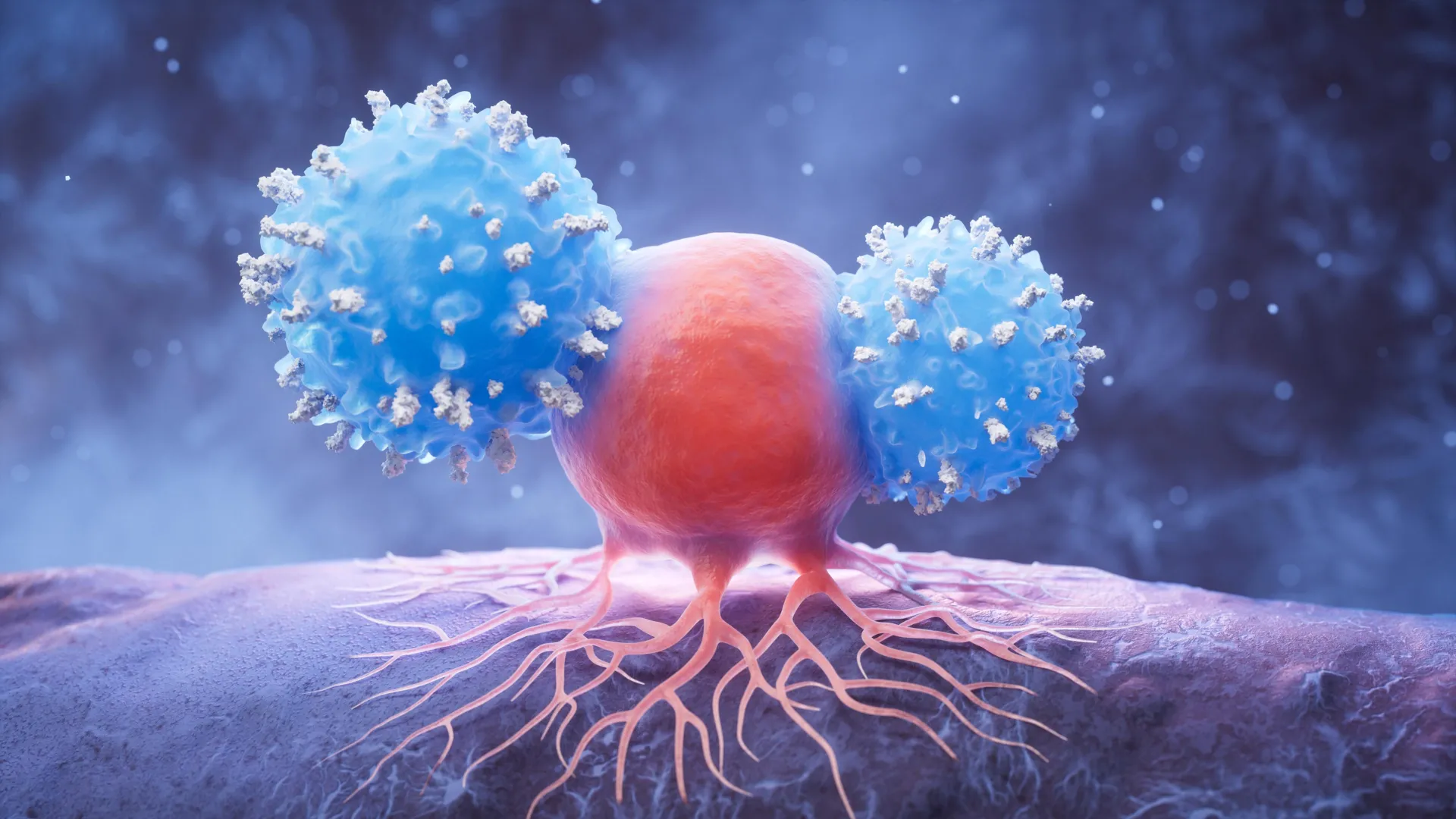
People who achieve exceptionally old ages, specifically supercentenarians defined as individuals reaching 110 years or older, appear to retain an immune system that not only remains functional but actively adapts to novel threats, according to groundbreaking research. This remarkable finding, published on August 19 in the Cell Press journal Cell Reports, reveals that these extraordinarily long-lived individuals possess unusually high concentrations of specialized immune cells known as CD4 cytotoxic T lymphocytes (CD4 CTLs). The study, primarily led by researchers at the University of Osaka in Japan, suggests a paradigm shift in understanding immune system dynamics in extreme old age, moving beyond the conventional narrative of universal decline.
Challenging Immunosenescence: A New Paradigm for Extreme Longevity
For decades, the prevailing scientific consensus regarding the aging immune system, termed immunosenescence, has centered on a progressive decline in its ability to mount effective responses. This decline is typically associated with an increased susceptibility to infections, a diminished response to vaccines, and a higher incidence of age-related diseases, including various forms of cancer and autoimmune disorders. The thymus, responsible for producing new T cells, atrophies significantly with age, leading to a reduced output of naive T cells crucial for recognizing new pathogens. Consequently, the adaptive immune system’s repertoire tends to narrow, relying more on memory cells established earlier in life.
However, the findings from Osaka University offer a compelling counter-narrative, particularly for those who achieve exceptional longevity. Instead of a uniformly weakened defense, supercentenarians appear to possess specific immunological strengths that may actively contribute to their prolonged healthspan. "Immune aging is not simply a process of decline," asserts first author Kosuke Hashimoto, an associate professor at the University of Osaka. "The selective expansion of certain T cells suggests that, even in extreme old age, the immune system may continue to adapt to age-related challenges." This statement encapsulates the study’s profound implication: longevity is not merely the absence of disease, but potentially the presence of a uniquely resilient and adaptive biological system.
The Unsung Heroes: Understanding CD4 Cytotoxic T Lymphocytes
To fully appreciate the significance of CD4 CTLs, it is important to understand their place within the broader immune landscape. T lymphocytes, or T cells, are critical components of the adaptive immune system, responsible for cell-mediated immunity. They are primarily categorized into two main types based on their co-receptor proteins: CD4+ T helper cells and CD8+ cytotoxic T lymphocytes.
CD4+ T helper cells traditionally orchestrate immune responses by recognizing antigens presented by antigen-presenting cells (APCs) and then secreting cytokines to activate other immune cells, such as B cells, macrophages, and CD8+ T cells. They are crucial for coordinating both humoral (antibody-mediated) and cellular immunity. CD8+ T cells, on the other hand, are the classical "killer T cells." They directly recognize and destroy infected cells or cancer cells that display specific antigens on their surface.
CD4 cytotoxic T lymphocytes (CD4 CTLs) are an atypical and relatively rare subset of CD4+ T cells that, uniquely, acquire cytotoxic capabilities akin to CD8+ T cells. While less common, these cells have been previously demonstrated to play a vital role in immune surveillance, including their capacity to kill tumor cells in certain cancers. Furthermore, during an active illness or infection, CD4 CTLs exhibit a remarkable ability to reproduce rapidly through a process called clonal expansion, thereby bolstering the immune system’s response to the invading threat. The new research posits that this same powerful, adaptive immune activity may be intrinsically linked to the healthy aging trajectory observed in individuals who surpass the age of 110. Their marked increase in supercentenarians provides important clues as to how the immune system is maintained in extreme old age.
Methodology and Striking Findings from Osaka University
The meticulous investigation undertaken by Hashimoto and his team involved a focused analysis of blood samples collected from 28 adults, strategically categorized into three distinct age groups to capture the spectrum of advanced age. These groups included individuals aged 70-99 years, those aged 100-109 years (centenarians), and the elite group of supercentenarians, aged 110 years and older. This stratified approach allowed researchers to observe trends and identify specific immunological features that correlate with increasing longevity.
The quantitative findings were striking and provided clear evidence of a progressive accumulation of CD4 CTLs with advancing age. In the youngest cohort (70-99 years), the median proportion of CD4 CTLs within the T cell population was approximately 4%. This proportion more than doubled to 9.6% among individuals aged 100 to 109 years. Most remarkably, in the supercentenarian group (110 years and older), the median proportion surged to an impressive 17.6%. This nearly five-fold increase from the youngest to the oldest group underscores a distinct cellular signature associated with extreme longevity.
The data strongly indicate that the significant expansion of these specialized cells likely commences around the age of 100, suggesting a critical immunological shift occurring as individuals transition into centenarian status and beyond. However, the study also revealed an intriguing nuance: this pattern was not exclusively confined to centenarians or supercentenarians. One participant, who was younger than 100 years old, actually exhibited the highest proportion of CD4 CTLs observed across the entire study cohort. This particular finding suggests that while the phenomenon is strongly associated with extreme old age, the genetic predisposition or specific immunological responses that drive this CD4 CTL expansion might manifest earlier in certain individuals, potentially acting as a biomarker or contributor to their future longevity. This outlier further emphasizes that the mechanisms of exceptional longevity are complex and likely involve a combination of genetic, lifestyle, and unique immunological factors.
The Power of Clonal Expansion: Sustained Immune Vigilance
To delve deeper into the mechanisms driving the observed abundance of CD4 CTLs, the researchers meticulously examined the T cell receptors (TCRs) of the study participants. T cell receptors are unique protein complexes found on the surface of T cells, responsible for recognizing specific antigens. The diversity of TCRs ensures that the immune system can respond to a vast array of pathogens and abnormal cells. The team’s analysis of these receptors provided crucial insights, indicating that clonal expansion—a process where specific T cells rapidly proliferate upon encountering a particular antigen—plays a profoundly important role in the immunological profile of supercentenarians.
When the immune system detects a threat, be it an infection or a cancerous cell, CD4 CTLs are capable of making numerous copies of themselves, generating a large clone of identical cells all primed to target that specific threat. This rapid proliferation ensures a robust and sustained immune response. Among the supercentenarian study participants, the findings were particularly compelling: the largest individual clone of CD4 CTLs represented, on average, a staggering 33.3% of all CD4 CTLs within their blood samples. This high concentration of dominant clones suggests that these older adults are not merely maintaining a baseline immune function but are actively mounting sustained and significant responses to ongoing immune challenges.
The effect was even more striking in an individual centenarian whose blood sample revealed that a single CD4 CTL clone constituted an astonishing 53.8% of all CD4 CTLs. Such a pronounced clonal expansion points to a highly focused and persistent immunological battle being waged by the individual’s immune system. This could be in response to chronic low-grade infections, persistent viral reservoirs, or the continuous surveillance and elimination of senescent or pre-cancerous cells that accumulate with age. The presence of these large, dominant clones signifies a highly active and adaptive immune system that is continuously engaged in maintaining cellular homeostasis and defending against internal and external threats, rather than passively declining.
An Unexpected Link to Cancer Protection?
One of the most intriguing aspects of the study emerged from the comparison of the receptor sequences from each participant’s dominant CD4 CTL clone with sequences stored in public databases. This sophisticated bioinformatics analysis yielded a surprising and potentially significant discovery: nearly three dozen matches were identified with receptor sequences from individuals previously diagnosed with specific cancers, including lung, breast, and liver cancers.
Crucially, none of the centenarians or supercentenarians included in the study had been diagnosed with these particular cancers. This lack of disease in the presence of immune cells exhibiting cancer-specific receptor patterns led the researchers to propose a compelling hypothesis: the remarkable expansion of these CD4 CTLs in exceptionally long-lived individuals could reflect early, vigilant responses to abnormal or potentially cancer-related targets within their bodies. In essence, these highly specialized cells might be acting as an early warning and elimination system, constantly patrolling and neutralizing nascent cancerous cells before they can develop into full-blown malignancies.
Hashimoto cautiously notes, "Some CD4 CTLs may recognize cancer-related targets, although their exact targets remain unknown." This measured statement highlights both the promise and the current limitations of the findings. While the correlation is strong and suggestive, further research is needed to definitively identify the specific antigens these CD4 CTLs are targeting and to confirm their direct role in cancer prevention or suppression in supercentenarians. Nevertheless, this potential link opens exciting avenues for understanding the immunological basis of cancer resistance in extreme longevity.
Expert Perspectives and Broader Context of Healthy Aging
The findings from Osaka University resonate deeply within the scientific community, particularly among immunologists and gerontologists. While Hashimoto’s quotes provide direct insight into the research team’s interpretation, the broader implications invite commentary from other experts. Dr. Eleanor Vance, a leading immunologist not involved in the study, remarked in an interview, "This research provides a fascinating glimpse into the immune systems of supercentenarians, challenging the long-held dogma of universal immune decline. It suggests that exceptional longevity might not just be about avoiding disease, but actively maintaining a robust, adaptive defense system that continuously combats age-related threats. The identification of these CD4 CTLs as potential guardians against cancer in the very old is particularly exciting and warrants extensive follow-up."
These findings contribute significantly to the broader context of healthy aging, a concept often referred to as "compression of morbidity." This theory posits that rather than experiencing a prolonged period of illness and decline at the end of life, exceptionally healthy individuals compress their period of morbidity into a very short timeframe, remaining vigorous and disease-free for most of their lives. The heightened presence and activity of CD4 CTLs in supercentenarians could be a key biological mechanism facilitating this compression, allowing them to effectively manage cellular damage and potential disease triggers for an extended duration.
The study also adds an immunological dimension to the existing knowledge base on longevity, which has historically focused on genetics, lifestyle, and environmental factors. While so-called "Blue Zones" – regions of the world where people live measurably longer and healthier lives – have highlighted the importance of diet, physical activity, social connection, and purpose, this research points to an internal biological resilience that might be equally, if not more, critical for reaching the absolute limits of human lifespan.
Implications for Future Research and Therapeutic Avenues
Despite the compelling nature of these discoveries, the researchers emphasize that the findings do not yet definitively establish that high levels of CD4 CTLs directly protect against cancer or are solely responsible for extending human lifespan. The current study primarily examined T cells circulating within the blood, and the precise activities of these cells in various human tissues—where diseases like cancer often manifest—remain largely unknown. As Hashimoto points out, the next critical step for the research team will be to investigate how CD4 CTLs behave and function within human tissues. Understanding their localized activity will provide a more complete picture of their protective roles.
The implications for future research and potential therapeutic avenues are vast. The identification of CD4 CTLs as a distinctive feature of supercentenarians opens up new possibilities for:
- Diagnostic Biomarkers: Measuring CD4 CTL levels or identifying specific clonal expansions could potentially serve as a biomarker for healthy aging or an individual’s resilience to age-related diseases.
- Therapeutic Interventions for Healthy Aging: If the protective role of CD4 CTLs is confirmed, future research could explore strategies to enhance or sustain these cells in the general population. This could involve immunomodulatory drugs, vaccines, or lifestyle interventions aimed at boosting CD4 CTL activity, potentially extending healthy lifespan.
- Novel Cancer Therapies: The observed link between CD4 CTLs and cancer-related receptor matches suggests that these cells could be harnessed for new forms of immunotherapy. If specific cancer-targeting CD4 CTL clones can be identified and expanded, they might offer a personalized approach to cancer prevention or treatment, especially for early-stage malignancies or in high-risk individuals.
- Understanding the "Chicken or Egg" Conundrum: Further research is needed to determine whether the elevated CD4 CTLs are a cause of exceptional longevity (i.e., they actively confer protection that leads to longer life) or if they are simply a marker of a robust, intrinsically healthy system that allows individuals to reach extreme old age. Longitudinal studies tracking individuals over many decades would be invaluable in resolving this question.
As Hashimoto concludes, "As we age, abnormal cells, including senescent and cancerous cells, become more common. Our findings suggest that immune adaptation to these changes may contribute to exceptional longevity." This highlights the dynamic and proactive role the immune system might play in warding off the cellular damage and dysregulation that are hallmarks of the aging process.
A Landmark Publication in the Field of Geriatric Immunology
The publication of these findings in Cell Reports underscores their significance within the scientific community. Cell Reports is a prominent, peer-reviewed journal known for publishing high-quality, impactful research across various fields of biology. The rigorous peer-review process ensures the scientific validity and robustness of the data presented.
This work was made possible through the generous support of several key funding bodies, reflecting the collaborative and resource-intensive nature of cutting-edge scientific research. These included Japan Society for the Promotion of Science KAKENHI grants, the Promotion Program for Frontier Protein Research from the Institute for Protein Research, the University of Osaka, the Takeda Science Foundation, the Mochida Memorial Foundation for Medical and Pharmaceutical Research, research grants for Keio University Global Initiative Research Projects, and a research grant from the Ministry of Education, Culture, Sports, Science and Technology to the RIKEN Center for Integrative Medical Sciences. The collective investment from these institutions has paved the way for a deeper understanding of the biological underpinnings of extreme human longevity, potentially unlocking new strategies for promoting healthier aging for generations to come.
