
 By Suherman Candra Maholtra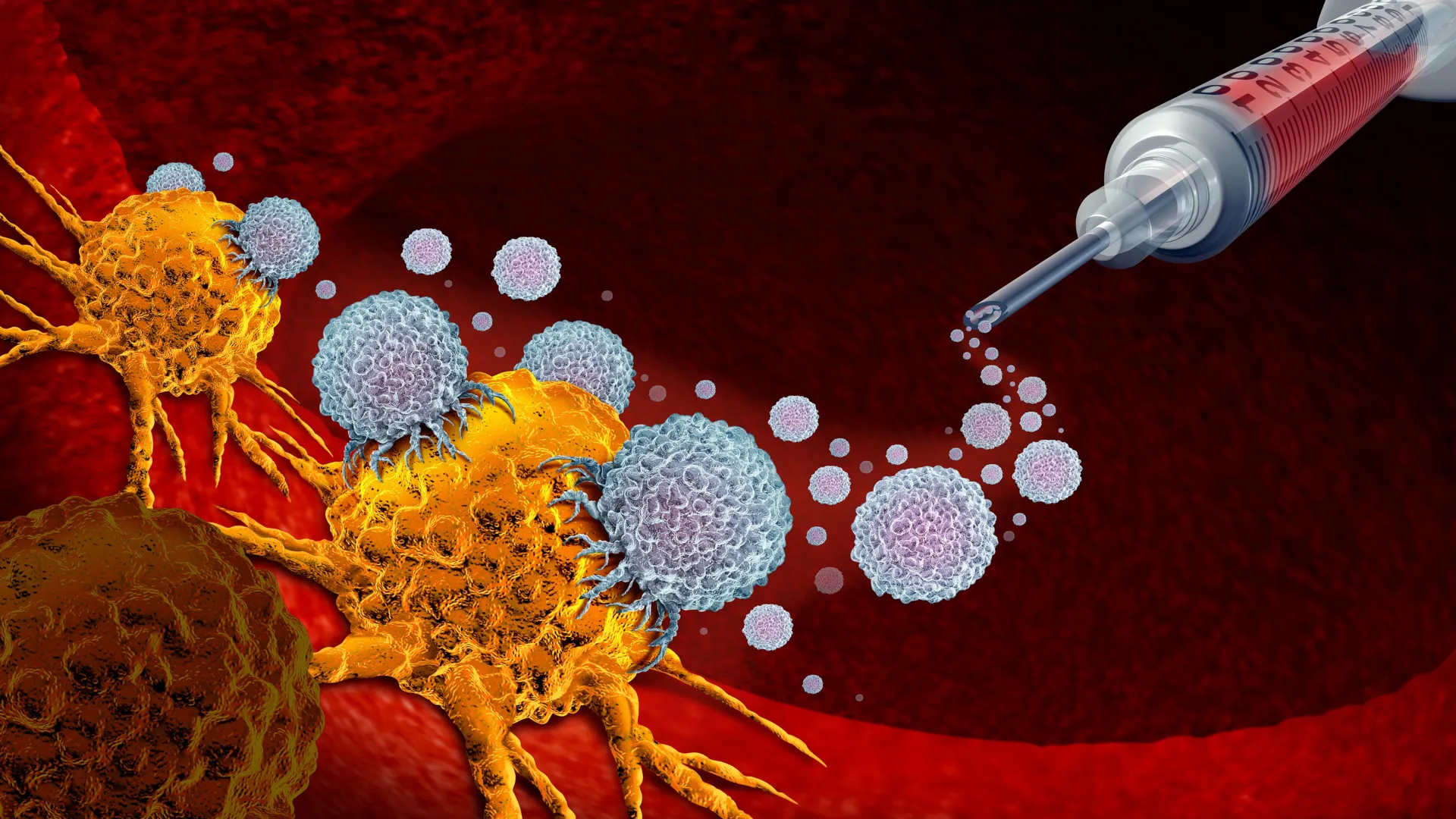
In a significant advancement for the field of oncology, researchers at the University of Florida (UF) have successfully tested an experimental mRNA vaccine designed to "wake up" the immune system, significantly boosting the efficacy of existing immunotherapy treatments. The study, published in the prestigious journal Nature Biomedical Engineering, demonstrates a novel approach to treating cancer by utilizing a generalized vaccine that primes the body’s natural defenses to recognize and attack malignant cells, even those previously resistant to standard therapies. By pairing this vaccine with immune checkpoint inhibitors, the research team observed a robust antitumor response in various mouse models, bringing the scientific community one step closer to a "universal" cancer vaccine.
A New Paradigm in Cancer Immunotherapy
For decades, the primary goal of cancer vaccine development has followed two distinct paths: identifying a specific target protein shared by many cancer patients or creating highly personalized vaccines tailored to the unique mutations of an individual’s tumor. However, the University of Florida study introduces a third paradigm. Instead of focusing on a specific protein or mutation, the researchers developed a "generalized" mRNA vaccine designed to provoke a broad and vigorous immunologic response, effectively tricking the body into reacting as if it were fighting a viral infection.
This approach targets the tumor microenvironment itself. By stimulating the expression of a protein called PD-L1 inside tumors, the vaccine makes the cancer cells more "visible" and receptive to treatment. Senior author Elias Sayour, M.D., Ph.D., a UF Health pediatric oncologist and principal investigator at the RNA Engineering Laboratory, noted that the results were both unexpected and exciting. He explained that any mRNA vaccine, regardless of its specificity to a particular tumor, could potentially lead to tumor-specific effects if it is engineered to sufficiently stimulate the immune system.
The discovery serves as a critical proof of concept. If the results can be replicated in humans, it could lead to the commercialization of universal cancer vaccines that serve as an "off-the-shelf" solution to sensitize a patient’s immune system against their specific tumor, regardless of the cancer type or its genetic profile.
The Mechanism: A One-Two Punch Against Malignancy
The core of the UF study lies in the synergistic relationship between the experimental mRNA vaccine and immune checkpoint inhibitors. In modern oncology, checkpoint inhibitors like PD-1 inhibitors are used to "take the brakes off" the immune system, allowing T cells to attack cancer cells. However, many tumors remain "cold," meaning they do not provoke an immune response and are thus resistant to these drugs.
The UF vaccine acts as a primer. By using lipid nanoparticles to deliver mRNA—the genetic blueprint for protein production—into the body, the researchers were able to reprogram how the immune system interacts with the tumor. The vaccine triggers a systemic "alarm" that revs up the immune system. Once the immune system is activated, the checkpoint inhibitors can then work more effectively to direct that heightened response toward the tumor.
In mouse models of melanoma, the team found that combining the mRNA formulation with a common PD-1 inhibitor resulted in significant tumor regression in cases that were previously resistant to treatment. Furthermore, when testing different mRNA formulations as a monotherapy in models of skin, bone, and brain cancers, the investigators observed even more dramatic results. In several instances, the tumors were eliminated entirely, demonstrating the vaccine’s potential to work both as a booster for other drugs and as a standalone treatment.
Chronology of Development and Previous Breakthroughs
The current study is the culmination of more than eight years of research led by Dr. Sayour, who has pioneered the use of lipid nanoparticle-mRNA technology for anticancer applications. This technology gained global prominence during the COVID-19 pandemic, as it formed the basis for the Pfizer-BioNTech and Moderna vaccines. However, Sayour’s work focuses on adapting this delivery system to the much more complex challenge of treating internal malignancies.
The momentum for this latest study was built upon a breakthrough achieved by Sayour’s lab in 2023. In a first-of-its-kind human clinical trial involving four patients, the team tested a "specific" mRNA vaccine made from the patients’ own tumor cells to treat glioblastoma—an exceptionally aggressive and typically fatal form of brain cancer. The results were striking: the vaccine rapidly reprogrammed the immune system to attack the glioblastoma, producing a vigorous response within hours of administration.
While the 2023 trial proved that personalized mRNA vaccines could work in humans, the logistical challenges of creating a unique vaccine for every patient are immense. This led the team to investigate whether a generalized, non-specific vaccine could achieve similar or even superior results by simply "sensitizing" the immune system more broadly. The transition from specific to generalized vaccines marks a pivotal moment in the timeline of RNA-based therapeutics.
Supporting Data and Experimental Findings
The research team utilized several mouse models to validate their findings, focusing on some of the most difficult-to-treat cancers. The data showed that the mRNA vaccine did more than just stimulate a general immune response; it specifically activated T cells that had previously been dormant or "exhausted" by the presence of the tumor.
Key findings from the study include:
- Enhanced PD-L1 Expression: The vaccine increased the expression of PD-L1 within the tumor environment. While PD-L1 is often used by cancer to hide from the immune system, its increased presence in this context actually made the tumors more susceptible to PD-1 inhibitor drugs.
- T Cell Multiplication: Researchers observed that T cells, the "soldiers" of the immune system, began to multiply rapidly and infiltrate the tumor mass following vaccination.
- Cross-Cancer Efficacy: The treatment showed effectiveness across multiple types of cancer, including osteosarcoma (bone cancer), melanoma (skin cancer), and various brain cancers, suggesting that the mechanism is not limited to a single organ or tissue type.
The study was supported by a broad coalition of federal agencies and private foundations, including the National Institutes of Health (NIH), reflecting the high level of institutional interest in the potential of mRNA technology to revolutionize cancer care.
Expert Reactions and Official Commentary
The implications of the study have been met with enthusiasm by the broader medical community at the University of Florida. Duane Mitchell, M.D., Ph.D., a co-author of the paper and director of the UF Clinical and Translational Science Institute, emphasized the potential for a shift in how clinicians approach treatment-resistant tumors.
"What we found is that by using a vaccine designed not to target cancer specifically but rather to stimulate a strong immunologic response, we could elicit a very strong anticancer reaction," Mitchell stated. He noted that this "third emerging paradigm" could lead to a universal way of waking up a patient’s own immune response, which would be "profound if generalizable to human studies."
Dr. Sayour added that the results reveal a potential new treatment path that could serve as a viable alternative—or a powerful supplement—to traditional methods like surgery, radiation, and chemotherapy. For patients with tumors that have become resistant to standard protocols, this "immunological wake-up call" could provide a much-needed second line of defense.
Analysis of Broader Implications and Future Outlook
The potential for a "universal" or "off-the-shelf" cancer vaccine carries significant implications for the future of global healthcare. Currently, personalized cancer treatments, such as CAR-T cell therapy or custom mRNA vaccines, are prohibitively expensive and time-consuming to produce. They require the extraction of a patient’s cells, laboratory modification, and re-infusion, a process that can take weeks—time that many late-stage cancer patients do not have.
A generalized mRNA vaccine, by contrast, could be manufactured at scale and stored in hospitals, ready for immediate use. This would not only lower the cost of treatment but also increase accessibility for patients in regions without specialized laboratory infrastructure.
However, the researchers caution that while the mouse-model results are promising, the transition to human applications remains the most critical hurdle. The human immune system is far more complex than that of a mouse, and the "cytokine storm" or over-activation of the immune system is a potential risk that must be carefully managed in clinical trials.
The UF research team is currently focused on refining the mRNA formulations to maximize safety and potency. Plans are already underway to move toward human clinical trials as rapidly as possible. If these trials prove successful, the "one-two punch" of mRNA vaccines and immunotherapy could become a standard of care, transforming cancer from a frequently terminal diagnosis into a manageable, and perhaps even curable, condition.
The study represents a cornerstone in the ongoing evolution of biotechnology, proving that the lessons learned during the global effort to combat COVID-19 are now being harnessed to fight the world’s most persistent and deadly "internal" enemy: cancer.
