
 By admin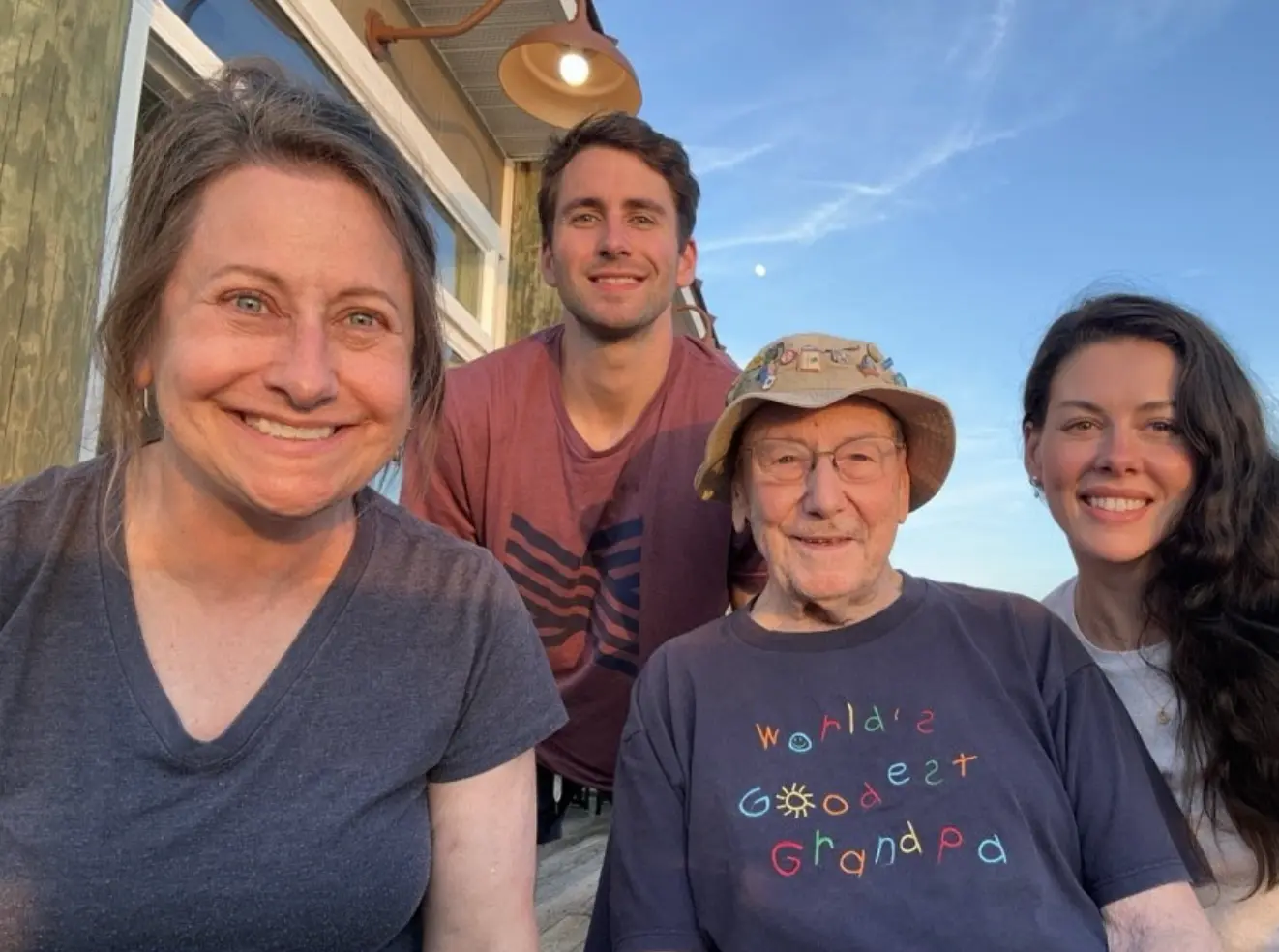
The transition from a successful career in high-stakes technology and entrepreneurship to the world of high-impact philanthropy is a path often trodden by those seeking to define their legacy beyond the balance sheet. For Alex Monahan, the founder of the sports analytics platform OddsJam, this transition was not merely a professional pivot but a deeply personal mission rooted in his family’s history. Following the successful sale of his startup, Monahan has directed his focus and resources toward the Children’s Cancer Research Fund (CCRF), an organization dedicated to closing the funding gap for pediatric oncology. By leveraging his background in data and technology, Monahan aims to support a new era of research that utilizes artificial intelligence and advanced analytics to improve survival rates and the quality of life for young patients.
A Legacy Rooted in Personal Loss and Resilience
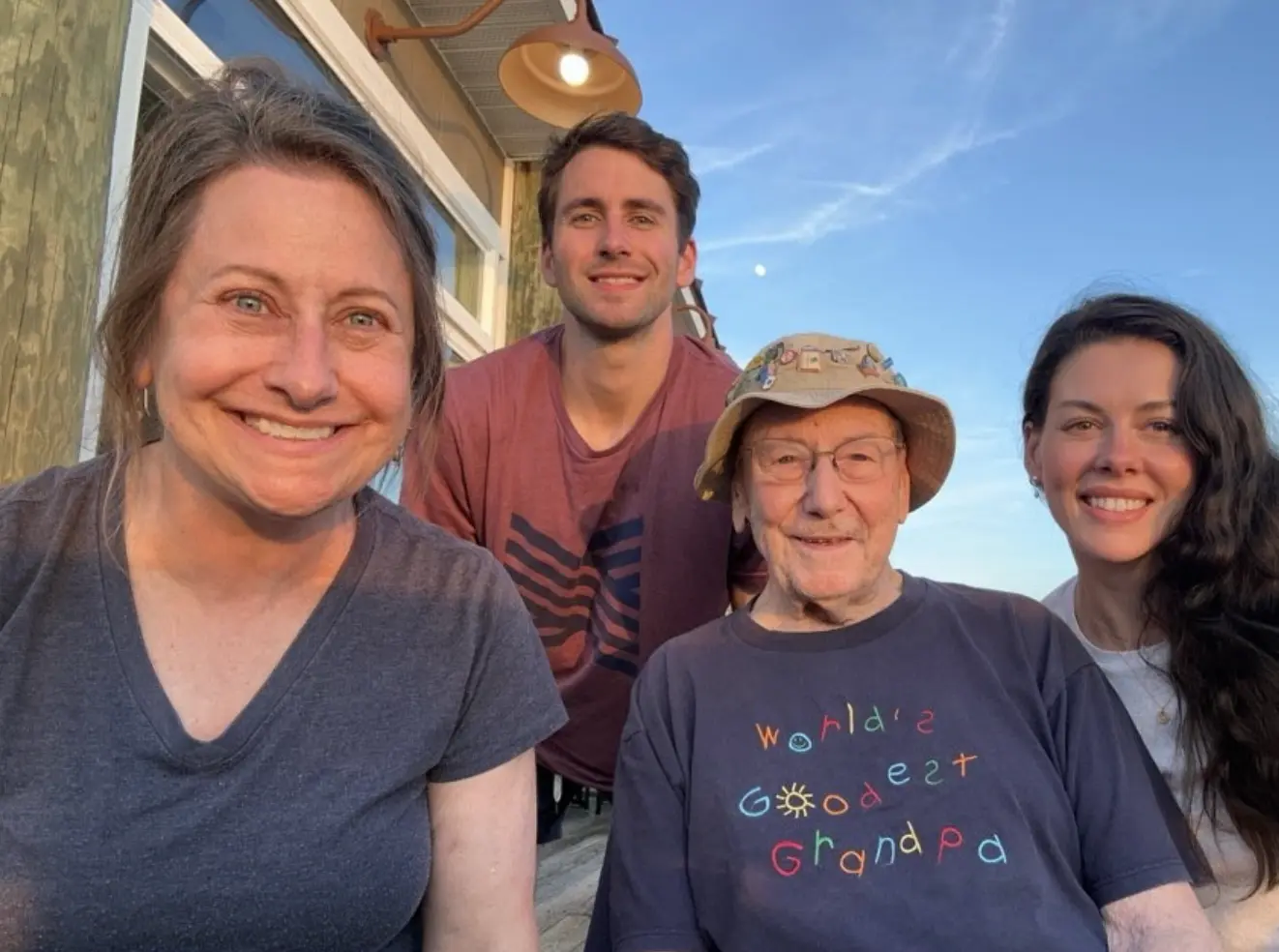
Growing up in Northern Virginia, Alex Monahan’s formative years were shadowed by the realities of cancer. During his time in high school, he witnessed his grandmother lose her battle with the disease, an experience that left a lasting impression on his understanding of medical vulnerability. Years later, his father also faced a cancer diagnosis, further cementing the disease’s presence as a recurring theme in his family’s narrative. These experiences instilled in Monahan a profound sense of empathy for those navigating the complexities of oncology, particularly the most vulnerable populations.
“Cancer has been part of my life,” Monahan reflected during a recent discussion regarding his philanthropic motivations. “I can’t imagine having a child go through it, but I know how hard it was for my family.” This personal connection served as the primary catalyst for his search for an organization that prioritized not only the scientific pursuit of a cure but also the immediate needs and long-term survivorship of patients.
Despite an early inclination toward medicine, Monahan’s academic journey led him to Stanford University, where he immersed himself in technology and entrepreneurship. It was here that he honed the skills necessary to build OddsJam, a platform that revolutionized how enthusiasts interact with sports data. However, the successful exit from his startup prompted a period of introspection. Monahan began to evaluate how the capital and expertise he had acquired could be deployed to solve some of the world’s most pressing challenges. A rigorous search for high-impact non-profits led him to the Children’s Cancer Research Fund, where he found a mission that resonated with his belief in the power of early-stage investment.
The Strategic Alignment: Why Pediatric Cancer Research?
The decision to focus on pediatric cancer is a strategic one, backed by a sobering reality in the medical research landscape. While cancer remains the leading cause of death by disease for children in the United States, pediatric oncology research is historically underfunded compared to adult cancers. According to data from the National Cancer Institute (NCI), only about 4% of federal funding for cancer research is specifically directed toward pediatric applications. This "funding gap" means that many promising leads in childhood cancer treatment rely heavily on private philanthropy to move from the laboratory to clinical trials.
Monahan views his involvement as a form of "generational investment." He posits that the financial and intellectual capital provided today will dictate the standards of care available two decades from now. “We’re the people 20 years ago,” Monahan noted, emphasizing the longitudinal impact of current research. “What we invest in today will define what cancer care looks like for the next generation.”
For a tech entrepreneur, the appeal of CCRF lies in its willingness to fund "seed grants"—initial funding for innovative, high-risk research projects that may not yet qualify for federal grants. This mirrors the venture capital model Monahan navigated in Silicon Valley: identifying high-potential ideas early and providing the resources necessary to prove their viability.
The Intersection of Artificial Intelligence and Oncology
One of the primary areas where Monahan sees transformative potential is the integration of technology into the research process. Having spent his career building data-driven tools, he is particularly inspired by the role of Artificial Intelligence (AI) and machine learning in accelerating drug discovery and refining treatment protocols.
In the realm of pediatric oncology, AI can be utilized to analyze vast genomic datasets to identify specific mutations in childhood tumors that may differ significantly from adult versions. Furthermore, technology can assist in "precision medicine," where treatments are tailored to the genetic makeup of an individual child, thereby increasing efficacy and reducing the toxic side effects that often plague survivors for decades.
“AI and other tools can speed discovery, improve quality of care, and reduce treatment side effects,” Monahan explained. His focus on "survivorship" is a critical component of this technological push. Because children have many decades of life ahead of them after treatment, reducing the long-term physiological toll of chemotherapy and radiation is as important as the initial eradication of the tumor. Monahan relies on medical experts within the CCRF network to guide his contributions toward projects where data-driven tools can have the most immediate and profound impact.
Impact in Action: Clinical Trials and Community Engagement
Monahan’s support has already found a tangible home in several CCRF-backed initiatives. He has expressed particular interest in the brain tumor clinical trials conducted at Children’s Minnesota. Brain tumors are currently the deadliest form of pediatric cancer, and traditional treatments often carry significant risks to a child’s developing cognitive functions. The clinical trials supported by CCRF aim to find more targeted, less invasive ways to treat these aggressive malignancies.
“I’m not a scientist,” Monahan admitted, “but I can understand the why and the how. And I can do something.” This philosophy of "informed giving" allows him to bridge the gap between his technical background and the complex world of medical science.
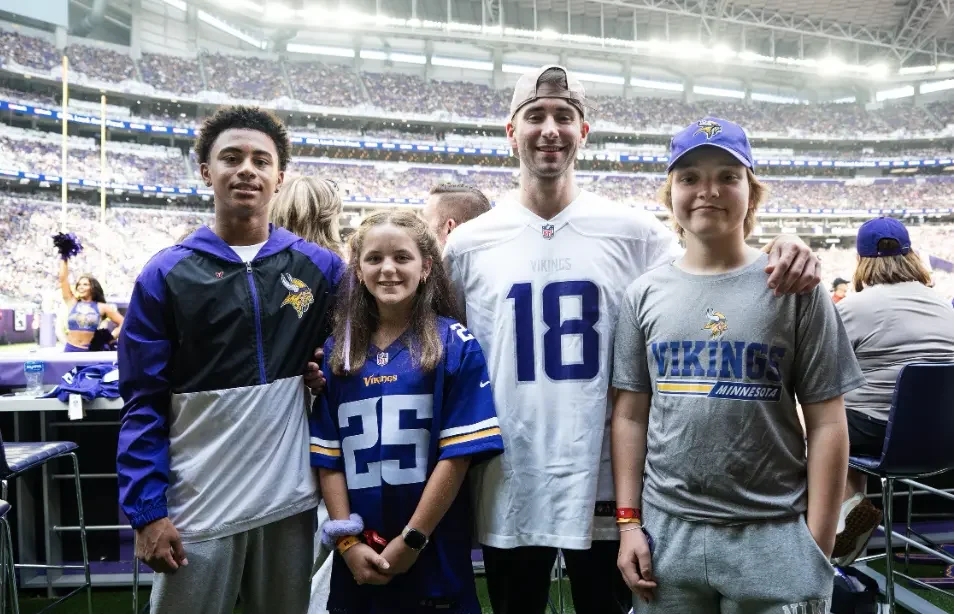
Beyond the laboratory, Monahan has also engaged with the human side of the cause. He recently spent time with families affected by cancer in the CCRF suite during a Minnesota Vikings pre-season game. For Monahan, who found solace in sports during his own family’s medical crises, the event was a reminder of the importance of emotional support and community.
“Sports were my escape during hard times,” Monahan said. “Seeing these kids’ excitement and resilience reminded me how important it is to step out of your bubble and help people.” These interactions provide a necessary counterpoint to the data-driven side of philanthropy, reminding donors that behind every statistic is a family fighting for a future.
Analysis: The Rise of the Tech-Philanthropist in Medical Research
The partnership between Alex Monahan and the Children’s Cancer Research Fund is indicative of a broader trend in modern philanthropy: the rise of the "tech-philanthropist." Unlike traditional donors who may focus on large-scale capital campaigns for buildings or endowments, this new generation of donors often seeks to apply the principles of the tech industry—agility, data-centricity, and a focus on "disruptive" innovation—to social problems.
By treating a donation as a tool for specific, measurable change, Monahan is advocating for a more transparent and results-oriented approach to giving. His advice to other potential donors is rooted in this pragmatic mindset: “Be realistic about what you can do. Money is a tool, so it’s what you do with it that matters. Access your resources, get started now, and don’t be afraid to understand the science behind your giving.”
This approach is vital for organizations like CCRF, which must navigate a rapidly evolving medical landscape. When donors take the time to understand the "science behind the giving," they become more than just financiers; they become advocates for the systemic changes required to modernize medical research.
Conclusion: A Data-Driven Path to Hope
The involvement of Alex Monahan comes at a critical juncture for pediatric cancer research. As the medical community moves toward a future defined by immunotherapy, gene editing, and AI-assisted diagnostics, the need for flexible, private funding has never been greater. Monahan’s journey from a startup founder in Northern Virginia to a major supporter of childhood cancer research highlights the potential for individual success to be channeled into collective progress.
Through his contributions, Monahan is helping to ensure that the next generation of children facing a cancer diagnosis will have access to treatments that are not only more effective but also more humane. By combining a personal sense of duty with a technologist’s eye for efficiency, he is helping to move the needle toward a world where childhood cancer is no longer a terminal diagnosis, but a manageable—and eventually preventable—condition. For Alex Monahan, the mission is clear: using the tools of the present to secure the lives of the future.
