
 By admin
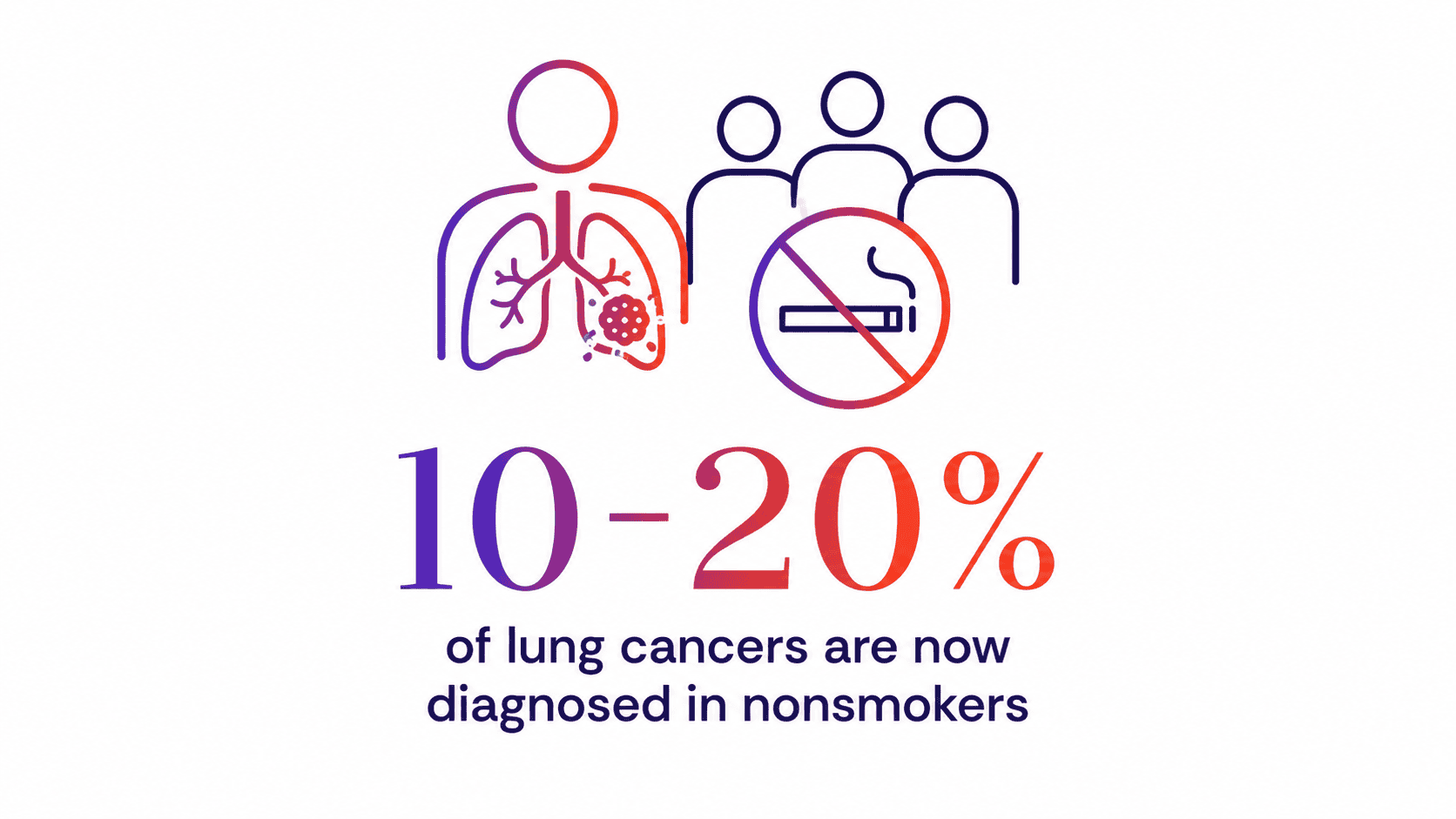
For decades, lung cancer has been inextricably linked with smoking, a deeply ingrained association rooted in robust scientific evidence. Smoking unequivocally remains the predominant cause of lung cancer globally. However, a significant and increasingly alarming trend is reshaping the understanding of this devastating disease: an estimated 10% to 20% of lung cancer diagnoses are now occurring in individuals who have never smoked. This demographic shift challenges long-held assumptions and underscores the evolving complexity of lung cancer etiology. Researchers are now universally recognizing lung cancer in never-smokers (LCINS) as a distinct clinical and biological entity, characterized by unique genetic drivers, different disease progression patterns, and necessitating tailored treatment strategies.
A Shifting Paradigm: Understanding LCINS as a Distinct Disease
Historically perceived primarily as a consequence of prolonged tobacco use, lung cancer’s epidemiology is undergoing a profound reevaluation. The rise of LCINS, particularly among younger adults and women, signals a crucial paradigm shift in oncology. This distinct disease entity is biologically divergent from smoking-related lung cancers. While tobacco exposure leads to an accumulation of thousands of DNA changes, creating a landscape of extensive genomic damage, LCINS typically arises from a smaller, more specific set of gene mutations. These "driver mutations" directly fuel tumor growth and proliferation, offering specific targets for therapeutic intervention.
Epidemiological data reveal compelling patterns within the LCINS population. Approximately two-thirds of LCINS cases are diagnosed in women, with a notable predisposition among women of Asian descent. This demographic concentration has spurred extensive research into potential genetic and environmental factors unique to these populations, with findings indicating that certain cancer-driving mutations occur with higher frequency, potentially explaining some of the observed differences in risk and prevalence.
The Underlying Mechanisms: Why Cases Are Increasing
The exact reasons behind the rising incidence of LCINS are complex and multifactorial, reflecting a confluence of environmental exposures, inherited susceptibilities, and improved diagnostic capabilities. While a single definitive cause remains elusive, ongoing research continues to shed light on the intricate interplay of various risk factors.
The scientific community has identified several prominent environmental culprits. Exposure to indoor radon, ambient air pollution, and secondhand smoke are now considered primary contributors to LCINS. Furthermore, inherent genetic predispositions and acquired somatic gene mutations play a significant role in increasing susceptibility for some individuals. Concurrently, advancements in molecular diagnostics and a growing understanding of LCINS as its own disease have led to better recognition and more accurate diagnoses, contributing to the perceived increase in cases.
Types of Lung Cancer Affecting Nonsmokers
Lung cancer is broadly categorized into two main types:
- Non-Small Cell Lung Cancer (NSCLC): Accounting for roughly 85% of all lung cancer cases, NSCLC is the predominant form. Within NSCLC, adenocarcinoma is the most common subtype and is disproportionately diagnosed in individuals who have never smoked. Adenocarcinomas often exhibit the specific driver mutations amenable to targeted therapies, distinguishing them from smoking-related lung cancers.
- Small Cell Lung Cancer (SCLC): This less common but highly aggressive form of lung cancer maintains a strong and almost exclusive association with heavy cigarette smoking. It is rarely seen in never-smokers.
Key Risk Factors for Lung Cancer in Never-Smokers
A detailed examination of the primary risk factors provides critical insight into prevention and public health strategies:

Secondhand Smoke: Involuntary exposure to secondhand smoke, also known as environmental tobacco smoke (ETS), remains a significant and preventable risk factor. Secondhand smoke contains approximately 7,000 chemicals, with at least 70 identified as carcinogens. Crucially, no level of secondhand smoke exposure is considered safe. Even brief encounters can inflict cellular damage on the delicate lining of the lungs over time, contributing to the development of cancerous mutations. Public health campaigns have largely succeeded in reducing active smoking rates in many developed nations, but the pervasive nature of secondhand smoke, particularly in homes and certain public spaces, continues to pose a threat to non-smokers.
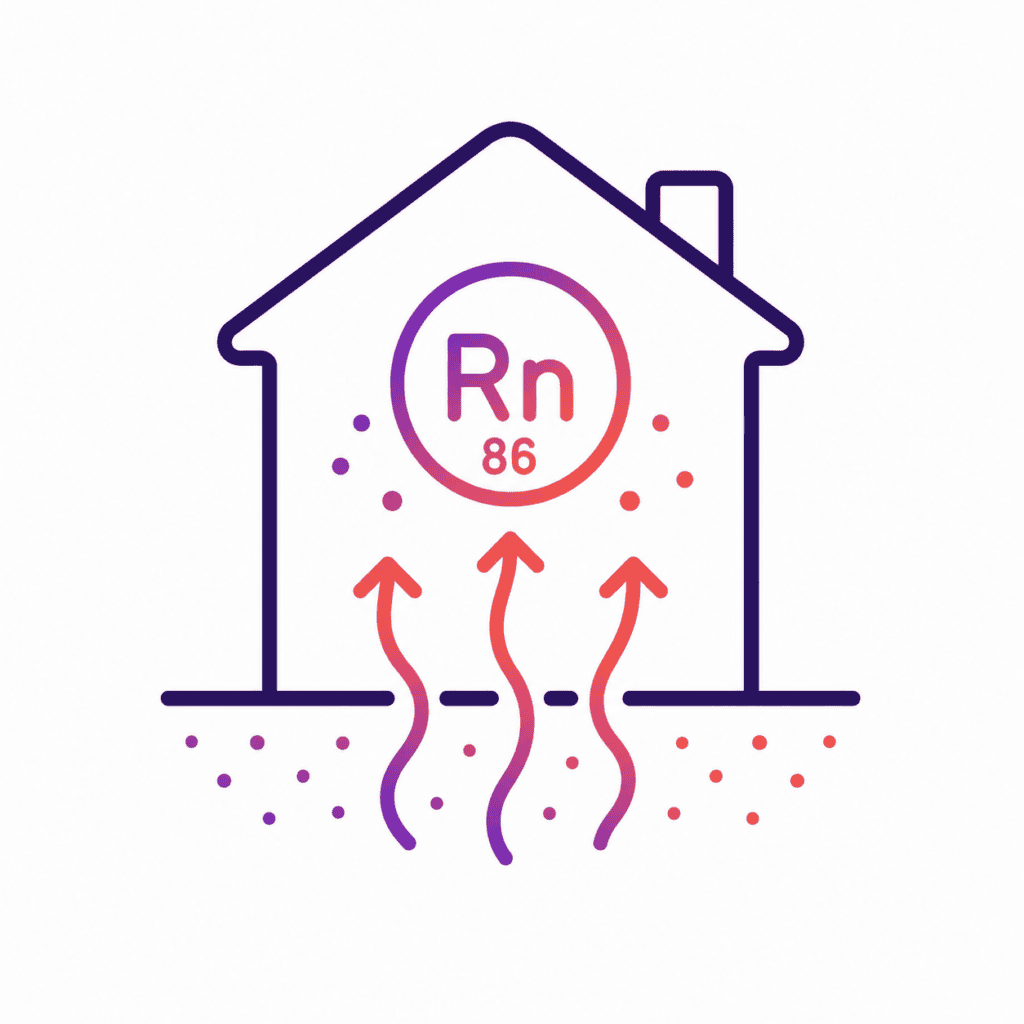
Radon: This colorless, odorless, and tasteless radioactive gas is the leading cause of lung cancer among people who have never smoked. Radon is a naturally occurring byproduct of the radioactive decay of uranium found in soil and rocks. It can seep into buildings through cracks in foundations and other openings, accumulating to high concentrations, especially in poorly ventilated indoor environments. Radon causes cellular damage by releasing radioactive particles that are inhaled and deposited in the airways. These particles emit alpha radiation, which directly damages DNA in lung cells, increasing the risk of cancerous transformation.
While outdoor radon levels are quickly diluted to safe concentrations, indoor levels can vary dramatically. Residential and occupational buildings, particularly basements and ground floors, are susceptible to elevated radon levels. The insidious nature of radon, undetectable without specialized equipment, underscores the importance of testing. Inexpensive home test kits are widely available, and if elevated levels are detected, mitigation systems can effectively reduce indoor concentrations, thereby lowering cancer risk. Public awareness campaigns and building codes incorporating radon-resistant construction are vital for addressing this pervasive environmental hazard.
Air Pollution (PM2.5): Ambient air pollution, particularly fine particulate matter known as PM2.5 (particulate matter with a diameter of 2.5 micrometers or less), is a growing global health concern and a confirmed carcinogen. These microscopic particles are small enough to penetrate deep into the respiratory tract, where they can cause chronic inflammation, oxidative stress, and direct DNA damage. Studies have demonstrated a strong epidemiological link between prolonged exposure to high levels of air pollution and the development of new genetic mutations in lung tumors of nonsmokers.
The World Health Organization (WHO) recommends that average annual PM2.5 concentrations should not exceed 5 µg/m³. However, this guideline is frequently surpassed in many regions. While the average PM2.5 concentration in the United States typically hovers around 7 µg/m³, illustrating a slight exceedance, the disparity is stark in other parts of the world. Countries like India, for example, experience average concentrations nearing 50 µg/m³, with some urban centers reporting levels well over 100 µg/m³. This highlights a profound global inequity in exposure to carcinogenic air pollutants, disproportionately affecting vulnerable populations.
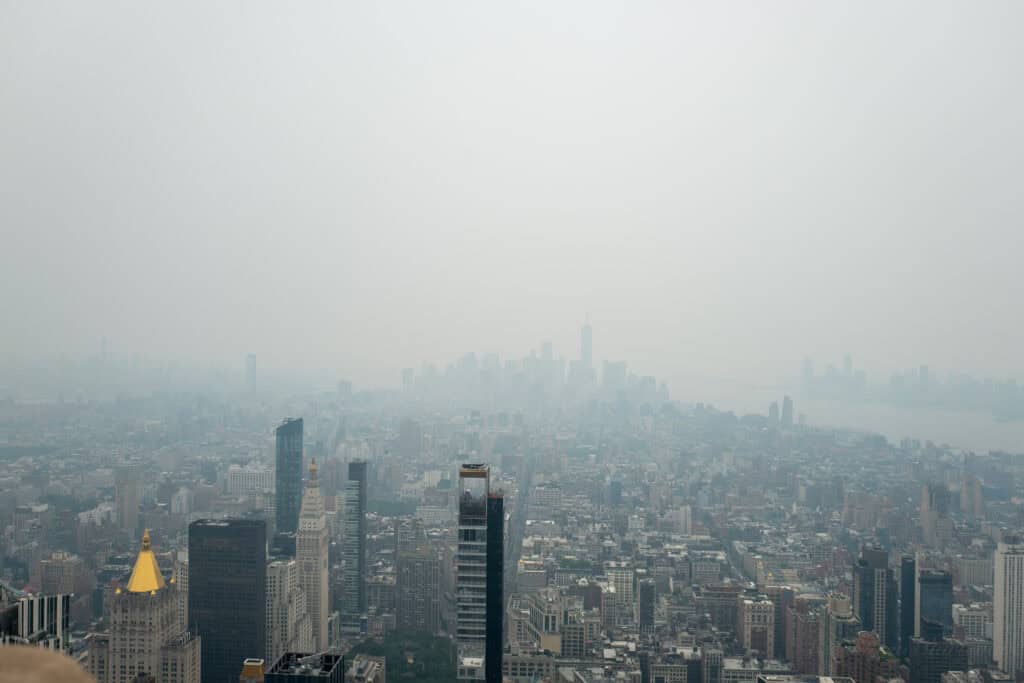
The increasing frequency and intensity of wildfires globally further exacerbate the threat of air pollution. These fires release massive plumes of hazardous smoke laden with extremely high levels of fine particulate matter. A stark example occurred in the summer of 2026, when Canadian wildfires propelled pollution values over 175 µg/m³ across the New York City metropolitan area and much of the northeastern United States. Such extreme events, once considered rare, are becoming more common due to climate change, posing an acute and widespread public health challenge, particularly for respiratory health and long-term cancer risk.
The Challenge of Early Diagnosis
One of the most significant obstacles in improving outcomes for LCINS patients is the difficulty of early diagnosis. Over 70% of all lung cancer cases, including those in never-smokers, are diagnosed at advanced stages. This late detection is primarily due to the insidious nature of early-stage lung tumors, which often present with no discernible symptoms or symptoms that are easily mistaken for less serious conditions.

Current lung cancer screening guidelines predominantly recommend screening for adults over 50 with a substantial history of heavy smoking. This narrow criterion often excludes younger adults and never-smokers, who are not traditionally classified as high-risk. Consequently, when symptoms do emerge in never-smokers, they are frequently misattributed to common respiratory ailments such as asthma, allergies, or bronchitis. This diagnostic delay can allow the cancer to progress unchecked, making treatment more challenging and prognosis poorer.
Early signs of lung cancer can be subtle and non-specific, but their persistence warrants medical attention. These symptoms may include:
- A persistent cough that worsens or does not go away.
- Shortness of breath, especially with light activity.
- Chest pain, often exacerbated by deep breathing, coughing, or laughing.
- Hoarseness or other voice changes.
- Unexplained weight loss.
- Fatigue or persistent tiredness.
- Recurrent infections such as bronchitis or pneumonia.
- New onset of wheezing.
- Coughing up blood or rust-colored sputum.
While experiencing one or more of these symptoms does not definitively indicate lung cancer, their persistence for several weeks or a noticeable worsening over time, particularly without a clear explanation, necessitates prompt consultation with a healthcare provider. Early investigation can be life-saving.
Personalized Treatment: A New Frontier
The recognition of LCINS as a distinct disease category has profoundly influenced its treatment approach, which is now highly personalized, contingent upon the cancer stage and, critically, its specific genetic profile. Unlike smoking-related lung cancers, which typically harbor a multitude of DNA mutations, making them potentially more responsive to certain broad-acting therapies, LCINS tumors often present with fewer, but highly specific, "driver" mutations. These include mutations in genes such as Epidermal Growth Factor Receptor (EGFR), Anaplastic Lymphoma Kinase (ALK), and ROS1, among others.
This molecular distinction has paved the way for highly effective targeted therapies. For instance, patients with EGFR mutations can receive EGFR inhibitors, while those with ALK or ROS1 rearrangements are treated with ALK or ROS1 inhibitors, respectively. These drugs specifically target the proteins produced by the mutated genes, disrupting cancer cell growth with remarkable precision and often leading to superior outcomes compared to traditional chemotherapy.
Immunotherapy, particularly immune checkpoint inhibitors, has revolutionized cancer treatment by "releasing the brakes" on immune cells, allowing them to recognize and attack cancer. However, because LCINS tumors generally have a lower mutational burden (fewer DNA changes), they may be less immunogenic, meaning they are less easily recognized by the immune system. Consequently, immunotherapy alone may be less effective for some LCINS patients compared to those with smoking-related lung cancers. Researchers are actively investigating combination approaches, such as immunotherapy combined with chemotherapy or targeted therapy, to improve response rates and efficacy for LCINS patients. The goal is to leverage the unique biological characteristics of LCINS to develop increasingly effective and less toxic treatments.
Looking Ahead: Research, Awareness, and Policy
While lung cancer in never-smokers remains less common than smoking-related lung cancer, its rising incidence is a clarion call for intensified research and public health action. Researchers worldwide are collaborating to unravel the intricate mechanisms driving these cancers, to identify individuals at greatest risk through advanced screening methods, and to develop even more effective, personalized treatments.
The implications extend beyond the clinical realm, demanding a holistic approach involving public health policy, environmental regulation, and increased public awareness. Health organizations advocate for stricter air quality standards, expanded radon testing initiatives, and continued efforts to reduce secondhand smoke exposure. There is also a growing consensus on the need to re-evaluate lung cancer screening guidelines to potentially include never-smokers with other identified risk factors or genetic predispositions, ensuring earlier detection for a broader population.
No individual can entirely eliminate every risk factor for cancer. However, by understanding environmental exposures, recognizing persistent symptoms, and proactively seeking medical evaluation when health concerns arise, individuals can significantly impact their outcomes. As scientists continue to deepen their understanding of the distinct biology of LCINS, each new discovery brings the global community closer to earlier detection, more precisely targeted treatments, and ultimately, improved survival rates and quality of life for all patients affected by this evolving and challenging disease. The journey towards comprehensive understanding and eradication of lung cancer, regardless of smoking status, remains a paramount goal for global health.
