
 By admin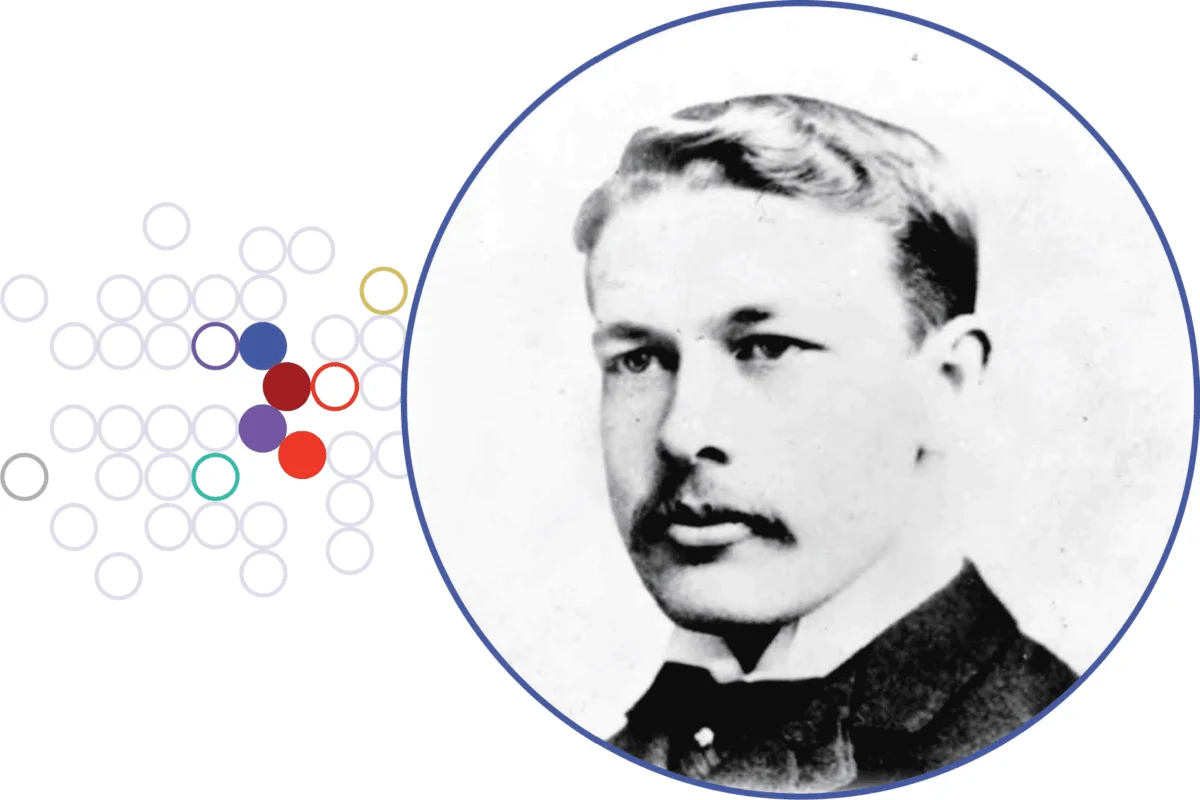
Sarcoma, a notably rare and intricate group of cancers, presents unique challenges in diagnosis and treatment. While traditional therapies like surgery, chemotherapy, and radiation have long formed the bedrock of care for many patients, the burgeoning field of immunotherapy is rapidly transforming what is possible for a subset of individuals. This specialized approach, though not yet universally applicable, is at the forefront of intensive research efforts aimed at expanding its reach and efficacy, offering a beacon of hope where conventional treatments may falter. As Sarcoma Awareness Month draws attention to this often-overlooked disease, understanding the nature of sarcoma, the mechanisms of immunotherapy, and the promising trajectory of current research becomes paramount for patients, caregivers, and the broader medical community.
Understanding Sarcoma: A Diverse and Elusive Foe
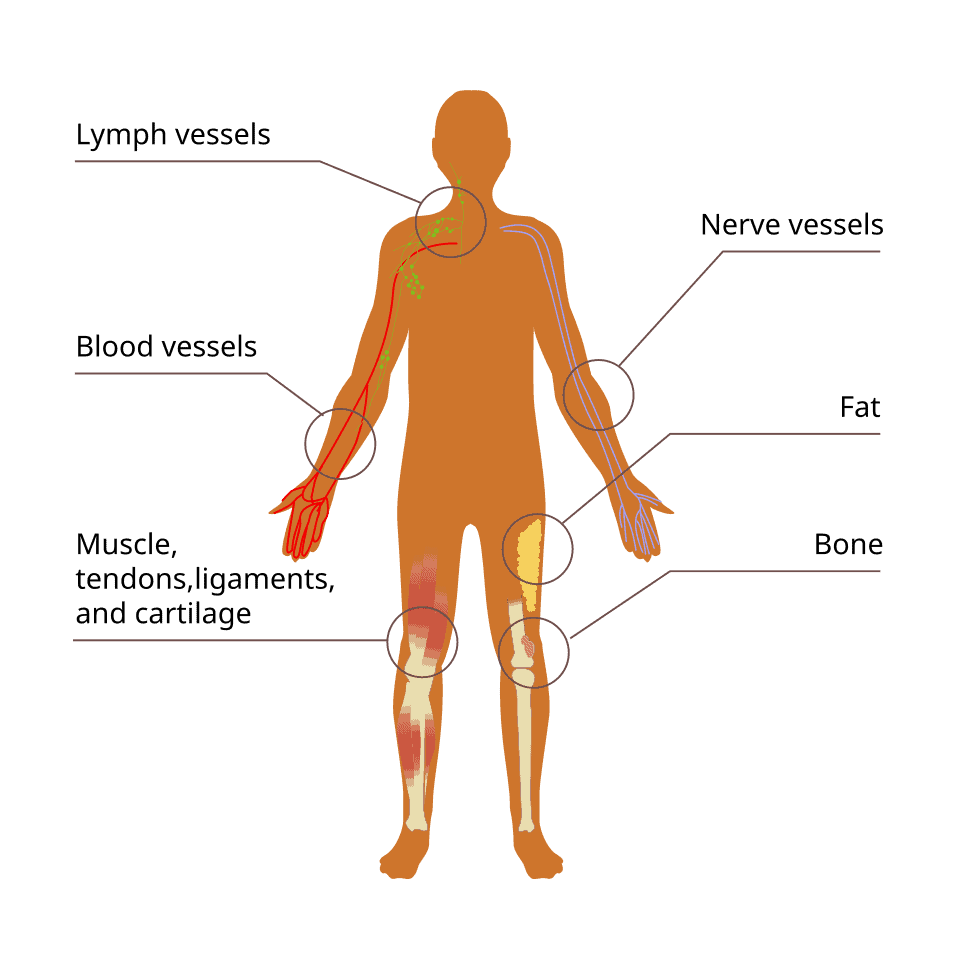
Sarcoma encompasses a broad spectrum of malignant tumors that originate in the body’s connective and supportive tissues. Unlike the more common carcinomas that develop in epithelial tissues lining organs, sarcomas arise from mesenchymal cells found throughout the body, including bone, muscle, fat, cartilage, blood vessels, nerves, and tendons. This ubiquitous distribution means sarcomas can emerge virtually anywhere, from the limbs to the trunk, head and neck, and internal organs. Their rarity, accounting for approximately 1% of all adult cancers and about 15% of all childhood cancers, contributes significantly to diagnostic delays and the difficulty in accumulating extensive clinical data compared to more prevalent malignancies.
The classification of sarcoma is complex, with over 70 distinct subtypes recognized, broadly divided into soft tissue sarcomas and bone sarcomas. Each subtype possesses unique histological features, genetic profiles, clinical behaviors, and treatment responses, underscoring the critical need for accurate pathological diagnosis and specialized oncological expertise. Prominent examples of soft tissue sarcomas include liposarcoma (originating in fat cells), leiomyosarcoma (from smooth muscle cells), undifferentiated pleomorphic sarcoma (a high-grade tumor with no clear line of differentiation), synovial sarcoma, angiosarcoma (from blood vessel cells), and gastrointestinal stromal tumors (GISTs), which are often treated distinctly due to their specific molecular drivers. Bone sarcomas, such as osteosarcoma (developing in bone-forming cells), Ewing sarcoma (affecting bone or soft tissue), and chondrosarcoma (arising in cartilage), represent another challenging category.
The precise etiology of most sarcomas remains unknown, though several risk factors have been identified. Genetic predisposition plays a role in a small percentage of cases, with inherited syndromes like Li-Fraumeni syndrome, Neurofibromatosis type 1, and Retinoblastoma syndrome increasing susceptibility. Environmental factors, such as prior radiation therapy for other cancers, exposure to certain chemicals (e.g., vinyl chloride, dioxins, herbicides), and chronic lymphedema, are also recognized risk factors. The insidious nature of sarcoma often means that symptoms, such as a growing lump, pain, or functional impairment, may not manifest until the tumor has reached a considerable size, sometimes exceeding that of a golf ball. This late presentation further complicates treatment, emphasizing the importance of prompt medical evaluation for any suspicious, persistent, or rapidly growing masses.
Initial treatment strategies for sarcoma are typically multidisciplinary, often involving surgical resection as the primary modality if the tumor is localized and resectable. Adjuvant or neoadjuvant chemotherapy and radiation therapy are frequently employed to reduce tumor size before surgery, eliminate residual cancer cells afterward, or manage advanced, metastatic disease. Despite these established approaches, a significant challenge lies in the fact that many sarcoma subtypes are inherently resistant to conventional chemotherapy and radiation, or they recur and metastasize, highlighting an urgent unmet medical need for novel, more effective therapeutic avenues.
Immunotherapy’s Evolving Role in Sarcoma Treatment
Immunotherapy represents a paradigm shift in cancer treatment, leveraging the body’s own immune system to identify and destroy malignant cells. The fundamental principle behind immunotherapy is to overcome the sophisticated mechanisms cancers develop to evade immune surveillance—mechanisms such as downregulating antigen presentation, secreting immunosuppressive molecules, or activating immune checkpoints that act as "brakes" on immune cell activity. By removing these barriers or boosting immune responses, immunotherapy empowers the body’s T-cells and other immune components to recognize cancer as a threat and mount an effective attack.
The application of immunotherapy in sarcoma has been met with both promise and unique challenges. Unlike "hot" tumors with high mutational burdens, such as melanoma or lung cancer, many sarcomas are considered "cold" tumors. They often exhibit a low number of genetic mutations, dense desmoplastic stroma that can impede immune cell infiltration, and an immunosuppressive tumor microenvironment, all of which contribute to their relative resistance to certain immunotherapies. Consequently, immunotherapy is not yet a standard first-line treatment for the vast majority of sarcoma subtypes. However, significant progress has been made, particularly with immune checkpoint inhibitors (ICIs), which block proteins like PD-1 (programmed cell death protein 1) or CTLA-4 (cytotoxic T-lymphocyte-associated protein 4) that cancer cells exploit to switch off immune responses.
Currently, immunotherapy approvals for sarcoma are often tumor-agnostic, meaning they are based on specific molecular characteristics of the tumor rather than its anatomical origin. For instance, pembrolizumab, an anti-PD-1 antibody, is approved for adult and pediatric patients with unresectable or metastatic solid tumors that are microsatellite instability-high (MSI-H) or mismatch repair deficient (dMMR), or those with a high tumor mutational burden (TMB-H). While these features are rare in sarcoma, some subtypes, like undifferentiated pleomorphic sarcoma (UPS) or specific genetic variants, may occasionally harbor them, making them eligible for these therapies. Beyond these broader approvals, research has shown promising activity for ICIs in specific sarcoma subtypes, such as alveolar soft part sarcoma (ASPS), angiosarcoma, and a subset of dedifferentiated liposarcomas, leading to ongoing clinical trials and expanded access programs. The challenge remains in identifying reliable biomarkers that can predict which sarcoma patients will benefit most from these treatments.
A Historical Echo: Sarcoma’s Pivotal Role in Immunotherapy’s Genesis
Remarkably, the very foundations of modern cancer immunotherapy are intertwined with sarcoma. More than a century ago, in the late 19th century, Dr. William B. Coley, a pioneering American surgeon, observed an intriguing phenomenon: some of his sarcoma patients experienced spontaneous tumor regression after developing severe bacterial infections. This keen observation led him to postulate that stimulating the immune system could be a potent anti-cancer strategy. Coley subsequently developed a treatment known as "Coley’s toxins," a mixture of killed Streptococcus pyogenes and Serratia marcescens bacteria, which he intentionally injected into cancer patients to induce an inflammatory, immune-activating response. His pioneering work, though controversial and eventually overshadowed by the advent of chemotherapy and radiation in the mid-20th century, is now widely recognized as one of the earliest and most significant attempts at immune-based cancer therapy.
Dr. Coley’s legacy extended beyond his clinical practice. His daughter, Helen Coley Nauts, dedicated her life to preserving and promoting her father’s work, meticulously documenting his cases and advocating for the potential of immunology in cancer treatment. Her tireless efforts culminated in the co-founding of the Cancer Research Institute (CRI) in 1953, an organization that has since become a global leader in funding and advancing immunotherapy research. This historical narrative underscores sarcoma’s profound and often-overlooked role in shaping our understanding of cancer immunology, serving as a powerful reminder of the enduring quest to harness the body’s natural defenses against disease.
The Frontier of Sarcoma Immunotherapy Research
Despite the complexities, the scientific community is making relentless progress in expanding the applicability and efficacy of immunotherapy for sarcoma. Researchers funded by organizations like the Cancer Research Institute and other global bodies are exploring multifaceted approaches to overcome the inherent resistance of many sarcomas to current immune-based treatments.
One significant area of investigation involves combination therapies. Scientists are evaluating whether combining checkpoint inhibitors with other modalities—such as conventional chemotherapy, radiation therapy, targeted therapies, or even other immunotherapies—can synergistically enhance anti-tumor immune responses. For example, some studies are exploring the use of anti-angiogenic drugs alongside ICIs, hypothesizing that normalizing tumor vasculature could improve immune cell infiltration into the often-dense sarcoma microenvironment. Others are looking at combining different types of ICIs (e.g., anti-PD-1 with anti-CTLA-4) to block multiple immune checkpoints simultaneously, aiming for a more robust and durable response.
Novel immunotherapy targets and strategies are also under intense scrutiny. This includes the development of new checkpoint inhibitors beyond PD-1/PD-L1 and CTLA-4, such as those targeting LAG-3, TIM-3, or TIGIT. Adoptive cell therapies, including tumor-infiltrating lymphocyte (TIL) therapy and T-cell receptor (TCR)-engineered T-cell therapy, are being investigated for sarcomas. These approaches involve isolating immune cells from a patient’s tumor, expanding them ex vivo, and reinfusing them to unleash a potent anti-cancer attack. Personalized neoantigen vaccines, designed to educate the immune system to recognize unique mutations present in an individual patient’s tumor, represent another promising frontier, particularly for sarcomas that might have a slightly higher mutational burden. Oncolytic viruses, which selectively infect and destroy cancer cells while also stimulating an immune response, are also being explored in various clinical trials for sarcoma.
The identification of predictive biomarkers remains a critical challenge and a key focus of ongoing research. Moving beyond broad markers like MSI-H/dMMR and TMB-H, scientists are striving to discover more specific genomic, transcriptomic, and proteomic signatures within sarcoma subtypes that can accurately predict response to immunotherapy. This personalized approach is crucial for tailoring treatment strategies and avoiding unnecessary toxicities for non-responders. Clinical trials are the engine of this progress, providing patients with access to these cutting-edge therapies and generating the data necessary to move them from the laboratory to standard clinical practice. Patients diagnosed with sarcoma are increasingly encouraged to discuss the availability and suitability of clinical trials with their healthcare providers.
Navigating a Sarcoma Diagnosis: Support and Specialized Care
Receiving a sarcoma diagnosis can be an overwhelming and frightening experience, compounded by the rarity and complexity of the disease. The journey often involves grappling with uncertainty, fear, and a multitude of questions. Given the specialized nature of sarcoma, obtaining an accurate diagnosis and formulating an optimal treatment plan necessitate seeking care from a multidisciplinary team of specialists with extensive experience in sarcoma management. This team typically includes surgical oncologists, radiation oncologists, medical oncologists, pathologists, radiologists, and supportive care specialists, all collaborating to provide comprehensive, individualized care.
Patients are strongly advised to actively participate in their treatment decisions by thoroughly understanding their specific sarcoma subtype, asking probing questions about treatment options, potential side effects, and prognosis. Engaging with patient advocacy organizations, such as the Sarcoma Foundation of America, Liddy Shriver Sarcoma Initiative, or the Cancer Research Institute, can provide invaluable resources, educational materials, and a supportive community of individuals facing similar challenges. These organizations often facilitate connections to specialized sarcoma centers and clinical trials, empowering patients to make informed choices. The importance of leveraging family, friends, and mental health professionals for emotional and practical support throughout the treatment journey cannot be overstated.
The landscape of sarcoma treatment is undeniably evolving, driven by relentless scientific inquiry and the promise of immunotherapy. While significant hurdles remain, particularly in expanding effective immune-based options to all sarcoma patients, the trajectory of research is undeniably positive. The ongoing advancements represent a profound shift in how we approach this formidable group of cancers, fostering a renewed sense of hope for improved outcomes and, ultimately, better quality of life for those affected by sarcoma. Continued investment in research, fostering collaboration among scientists and clinicians, and raising public awareness will be crucial in realizing the full potential of these transformative therapies.
