
 By admin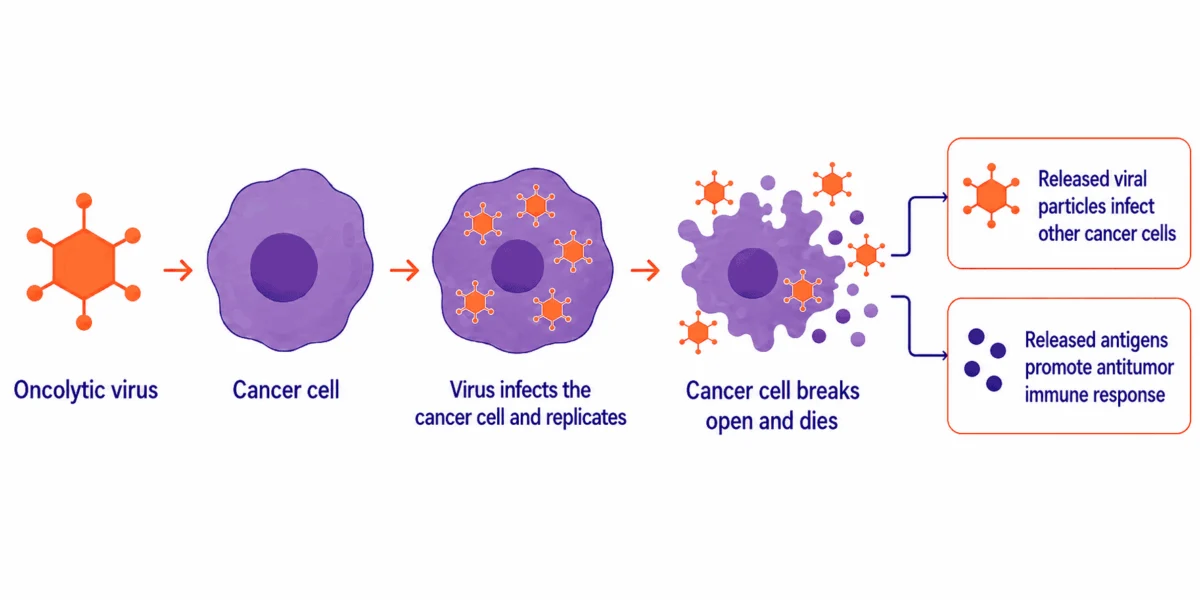
The U.S. Food and Drug Administration (FDA) has granted accelerated approval to Tudriqev (vusolimogene oderparepvec-wtpg), an innovative oncolytic virus therapy, in combination with the immune checkpoint inhibitor nivolumab (Opdivo®). This landmark decision, announced on August 6, 2026, signifies the FDA’s first new approval for an oncolytic virus therapy in more than a decade, substantially broadening the therapeutic landscape for certain individuals battling advanced melanoma. Specifically, Tudriqev is indicated for adults with unresectable advanced cutaneous melanoma whose cancer has progressed following treatment with a PD-1-blocking therapy, representing a critical advancement for a patient population with limited remaining options.
Understanding Oncolytic Virus Therapy: A Paradigm Shift in Cancer Treatment
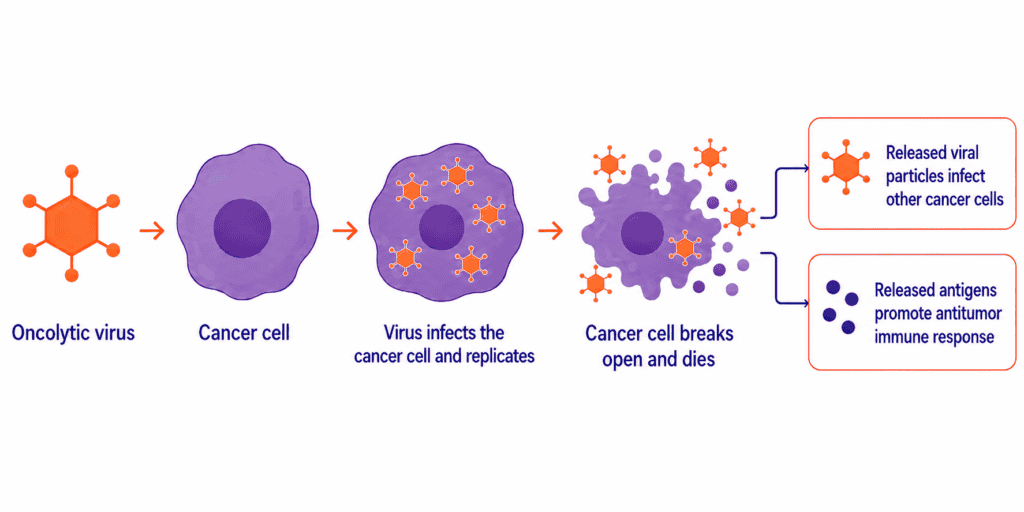
The concept of using viruses to combat cancer, known as oncolytic virus therapy, represents a fascinating intersection of virology and oncology. While viruses are typically associated with illness and are diligently avoided, scientific ingenuity has transformed specific viral strains into potent tools for cancer treatment. These modified viruses are engineered to selectively target, infect, and destroy cancer cells while sparing healthy tissue. Beyond their direct cytotoxic effects, oncolytic viruses play a crucial role in mobilizing the body’s immune system, effectively acting as "adjuvants" that alert immune cells to the presence of cancer and prime them for an attack.
The mechanism of action for oncolytic viruses is twofold and synergistic. First, upon administration, these viruses specifically home in on and infiltrate cancer cells. Once inside, they replicate profusely, eventually causing the infected cancer cell to lyse, or burst apart, a process known as oncolysis. This direct destruction releases a fresh batch of viral particles, which can then proceed to infect and eliminate neighboring cancer cells, creating a self-propagating anti-cancer cascade.
However, the impact extends beyond this direct assault. As cancer cells undergo lysis, they release a trove of cancer-associated proteins and danger signals. These molecular debris and inflammatory cues serve as powerful attractants for immune cells, drawing them to the tumor microenvironment. More critically, they facilitate the immune system’s recognition of cancer cells as foreign entities and legitimate targets for destruction. Many oncolytic viruses are further engineered to express molecules that amplify this immune response, turning the "cold" tumor environment into an "inflamed" one, thereby enhancing the body’s natural defenses against the malignancy.
This potent immune activation is precisely why researchers are increasingly exploring combinations of oncolytic viruses with other immunotherapies, particularly immune checkpoint inhibitors like nivolumab. Checkpoint inhibitors function by releasing molecular "brakes" on T-cell activity, thereby unleashing the full cytotoxic potential of these immune cells. By combining an oncolytic virus that initiates and amplifies an immune response with a checkpoint inhibitor that sustains and enhances it, clinicians aim to achieve a more robust and durable anti-tumor effect, especially in cancers that have historically proven resistant to single-agent therapies.
The IGNYTE Clinical Trial: Paving the Way for Tudriqev
The accelerated approval of Tudriqev in combination with nivolumab was predicated on the compelling results from the IGNYTE clinical trial. This pivotal study enrolled 140 patients with advanced melanoma whose disease had progressed despite prior treatment with a PD-1 checkpoint inhibitor. This patient population represents a significant unmet medical need, as therapeutic options are often limited and outcomes can be poor once resistance to PD-1 blockade develops.
The primary efficacy analysis focused on a subset of 91 patients who had at least one tumor that was not directly injected with Tudriqev, allowing for an assessment of the systemic immune response induced by the therapy. In this challenging group, 24.2% of patients achieved an objective response to treatment, defined as a predefined reduction in tumor size. Crucially, for those patients who responded, the median duration of response was an impressive 14.1 months. These figures represent a meaningful clinical benefit for patients facing advanced, refractory melanoma, underscoring the potential of this novel combination therapy to induce durable responses in a difficult-to-treat setting. The ability of Tudriqev, a genetically modified herpes simplex virus (HSV), to be injected directly into tumors and subsequently synergize with a systemic checkpoint inhibitor like nivolumab highlights a sophisticated approach to immunotherapy.
Accelerated Approval: Bridging Innovation and Patient Access

Tudriqev’s approval through the FDA’s accelerated approval pathway signifies its potential to address a serious or life-threatening condition for which effective treatments are lacking. This regulatory mechanism allows for earlier access to promising new drugs based on evidence reasonably likely to predict clinical benefit, even before definitive proof of improved survival or disease-related symptoms is fully established. As a condition of this accelerated approval, Replimune, the pharmaceutical company behind Tudriqev, is mandated to conduct additional post-marketing research to definitively confirm the clinical benefit of Tudriqev plus nivolumab. The continued approval of the therapy will ultimately hinge on the outcomes of these confirmatory trials. This pathway is a testament to the FDA’s commitment to expediting the availability of innovative therapies for patients with high unmet needs, while simultaneously ensuring rigorous scientific validation.
A Century of Discovery: The Evolution of Oncolytic Virus Therapy
The notion of harnessing viruses to fight cancer is not a recent innovation but rather an idea that has simmered in the scientific community for over a century. The first documented observation of tumor regression coincident with a viral infection dates back to 1904, when physicians reported a spontaneous decrease in tumor size in a patient during a viral illness. This anecdotal evidence sparked initial interest, leading researchers in the 1950s and 1960s to deliberately test naturally occurring viruses in cancer patients.
However, these early attempts were fraught with challenges. The lack of precise control over viral activity raised significant safety concerns, particularly regarding the ability to ensure viruses selectively attacked cancer cells without causing undue harm to healthy tissues. The unpredictable nature of these early approaches often led to systemic toxicities and limited anti-tumor efficacy, dampening enthusiasm for the field for several decades.
A pivotal turning point arrived in the 1990s with revolutionary advancements in genetic engineering. This era enabled scientists to precisely modify viral genomes, imbuing them with enhanced tumor-targeting capabilities and attenuated virulence towards healthy cells. These genetic modifications allowed researchers to engineer viruses that would preferentially replicate in cancer cells, express therapeutic genes, and evade the host’s antiviral defenses in a controlled manner, thereby addressing many of the safety and efficacy concerns that plagued earlier efforts.
This renewed understanding and technological capability culminated in 2015 with the FDA approval of T-VEC (talimogene laherparepvec, Imlygic®), a genetically modified herpes simplex virus, which became the first oncolytic virus therapy sanctioned in the U.S. T-VEC was approved for certain patients with melanoma, marking a significant milestone and validating the potential of this therapeutic modality. The approval of Tudriqev more than a decade later underscores the ongoing progress in the field and adds another crucial treatment to what remains a specialized category within approved cancer immunotherapies. Prior to Tudriqev, oncolytic viruses constituted a very small fraction—just one of 156 FDA cancer immunotherapy approvals tracked by the Cancer Research Institute (CRI)—highlighting the rarity and high bar for entry in this innovative space.
Stakeholder Reactions and Broader Implications
The FDA’s approval of Tudriqev has been met with significant optimism from various stakeholders across the medical and scientific communities.
-
From the FDA: "The accelerated approval of Tudriqev represents a meaningful step forward for patients battling advanced melanoma, particularly those who have exhausted standard treatment options," stated a representative from the FDA’s Center for Biologics Evaluation and Research. "This decision reflects our commitment to fostering innovation in areas of high unmet medical need and to bringing novel, potentially life-extending therapies to patients more quickly, while ensuring robust post-market evaluation."
-
From Replimune: "We are incredibly proud to bring Tudriqev to patients, marking a new chapter in the treatment of advanced melanoma," commented a spokesperson for Replimune, the developer of the therapy. "The data from the IGNYTE trial demonstrate the potential of our oncolytic virus platform to induce durable responses in a very challenging patient population. We are dedicated to fulfilling our post-marketing commitments and continuing to explore the full potential of Tudriqev in combination with other immunotherapies for broader cancer indications."
-
From Oncologists: "For patients with advanced melanoma who have progressed after PD-1 therapy, the emergence of Tudriqev offers renewed hope," remarked Dr. Evelyn Reed, a leading oncologist specializing in melanoma at a major cancer center. "This combination therapy provides a new mechanism of action, directly targeting tumor cells while simultaneously augmenting the immune response. It represents a valuable addition to our therapeutic arsenal and could significantly improve outcomes for a group of patients who previously faced very limited options."
-
From the Cancer Research Institute (CRI): "This latest FDA approval is a testament to the persistent research and development in the field of oncolytic virus therapy," stated a representative from the Cancer Research Institute. "It validates the promise of harnessing the body’s own immune system, guided by engineered viruses, to fight cancer. The CRI remains committed to supporting groundbreaking research that diversifies the immunotherapy landscape and brings us closer to a future where cancer is curable for all."
-
From Patient Advocacy Groups: "The news of Tudriqev’s approval brings a wave of optimism to melanoma patients and their families," shared a spokesperson for a prominent melanoma patient advocacy group. "Every new treatment option offers a renewed sense of hope, especially for those who have faced disease progression. We applaud the scientific community and regulatory bodies for their relentless pursuit of innovative therapies that can make a real difference in patients’ lives."
The implications of Tudriqev’s approval extend beyond advanced melanoma. It reinvigorates the entire field of oncolytic virus research, signaling renewed confidence in this therapeutic modality. This approval could catalyze further investment and accelerate the development of other oncolytic virus platforms for a wider range of cancers. It also reinforces the growing paradigm of combination immunotherapy, where multiple immune-modulating agents are strategically deployed to overcome tumor resistance and achieve more profound and lasting anti-tumor effects.
Potential Side Effects and Patient Considerations
As with nearly all potent cancer therapies, Tudriqev plus nivolumab carries the potential for side effects. During the IGNYTE clinical trial, common adverse reactions included fatigue, fever, chills, nausea, injection-site reactions (given the direct intratumoral administration of Tudriqev), and flu-like symptoms. Given that Tudriqev is a modified herpes simplex virus, specific warnings accompany its use regarding the potential for herpes infection and the importance of preventing accidental exposure to the virus. Patients are strongly advised to engage in thorough discussions with their healthcare team to understand the potential benefits, risks, and specific side effects to monitor during treatment. Comprehensive patient guides, such as the Cancer Research Institute’s Patient’s Guide to Immunotherapy for Melanoma, serve as valuable resources for informed decision-making.
The Future Landscape: Expanding the Reach of Oncolytic Viruses
For the vast majority of cancer types, oncolytic viruses remain an experimental frontier. However, the approval of Tudriqev, following T-VEC, provides crucial validation and momentum for ongoing research efforts. Scientists globally are intensely investigating how different tumor types respond to these therapies, exploring various viral backbones (beyond HSV, including adenoviruses, reoviruses, and vaccinia viruses), and engineering them with enhanced selectivity, potency, and immune-stimulating properties.
A significant focus of current research involves optimizing combination strategies. Researchers are exploring Tudriqev and other oncolytic viruses in conjunction with a spectrum of other immunotherapies, targeted therapies, chemotherapy, and radiation. The aim is to identify the most effective therapeutic partnerships that can overcome the complex mechanisms of immune evasion employed by cancer cells. Clinical trials are underway across dozens of cancer types, testing hundreds of different oncolytic virus approaches. For patients in the U.S., while approved oncolytic virus therapy is currently limited to melanoma, the robust pipeline of clinical trials offers immense hope that these sophisticated viral tools will soon benefit individuals with other challenging malignancies. The scientific community is diligently working to delineate the specific patient populations and tumor characteristics most likely to derive substantial benefit from these innovative, virus-based immunotherapies.
Infecting Cancer: A Deeper Dive
To further understand the intricate science behind this groundbreaking approach, the Cancer Research Institute offers an insightful webinar titled "Infecting Cancer: How Viruses Are Turning the Tide Against Tumors." This educational resource features renowned oncolytic virus researcher John Bell, PhD, from the Ottawa Hospital Research Institute, providing a comprehensive introduction to the field and its transformative potential. Available for viewing directly or on platforms like YouTube, it offers a valuable opportunity for patients, caregivers, and the general public to deepen their knowledge of this exciting area of cancer research. The journey from observing a chance tumor regression over a century ago to genetically engineering viruses for targeted cancer destruction highlights the remarkable progress of scientific inquiry and the enduring hope it offers in the fight against cancer.
